




Traditional Anatolian Rug
These traditional anatolian rug pieces bring genuine history and character into a room through authentic tribal and village craftsmanship.
Traditional Anatolian Rug
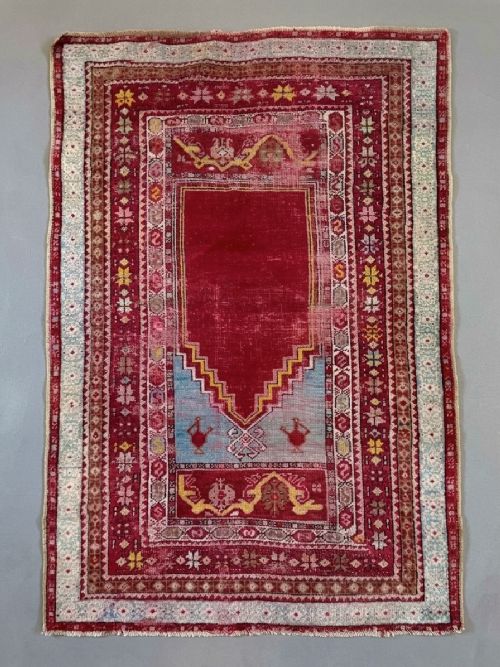
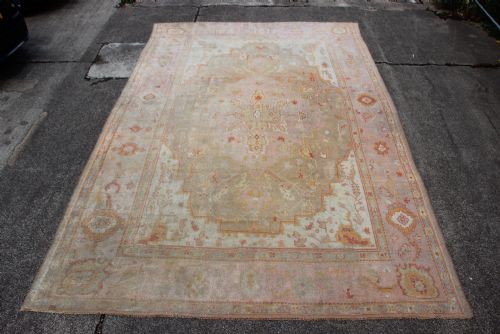
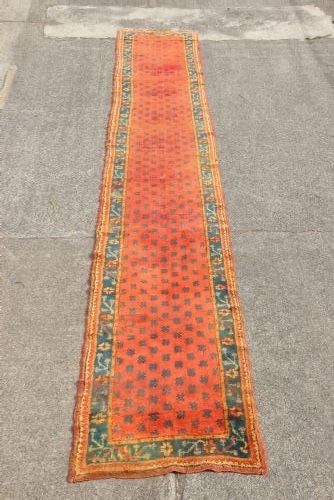
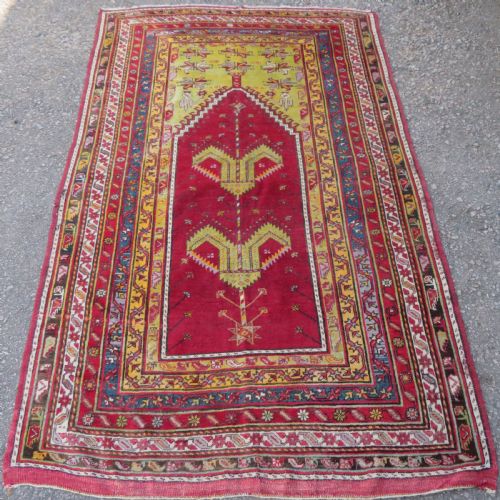
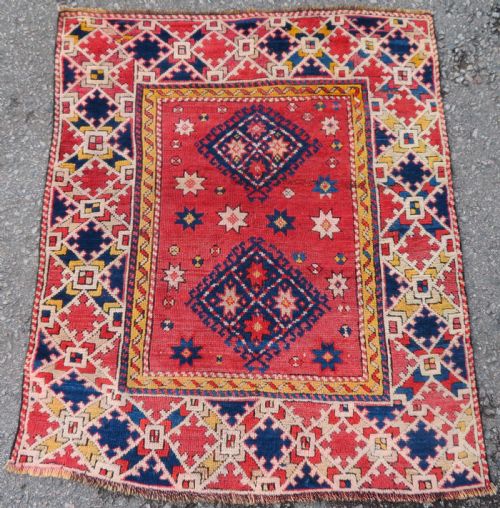
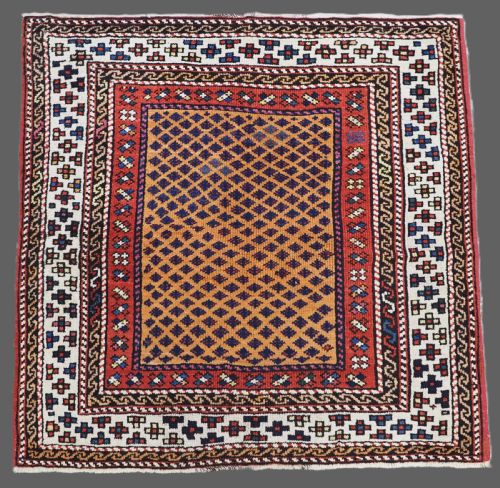
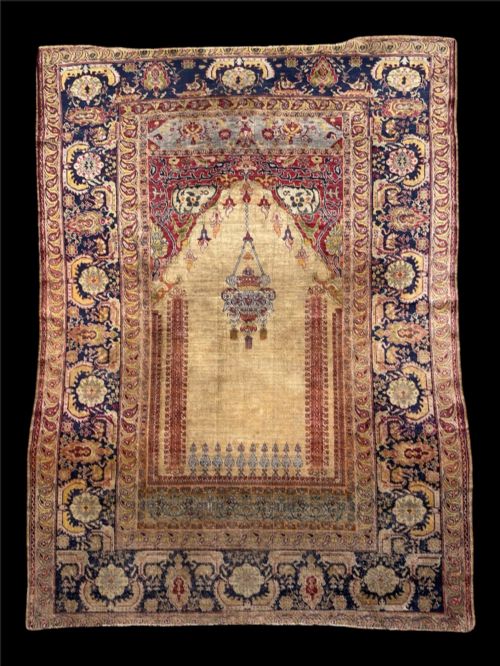
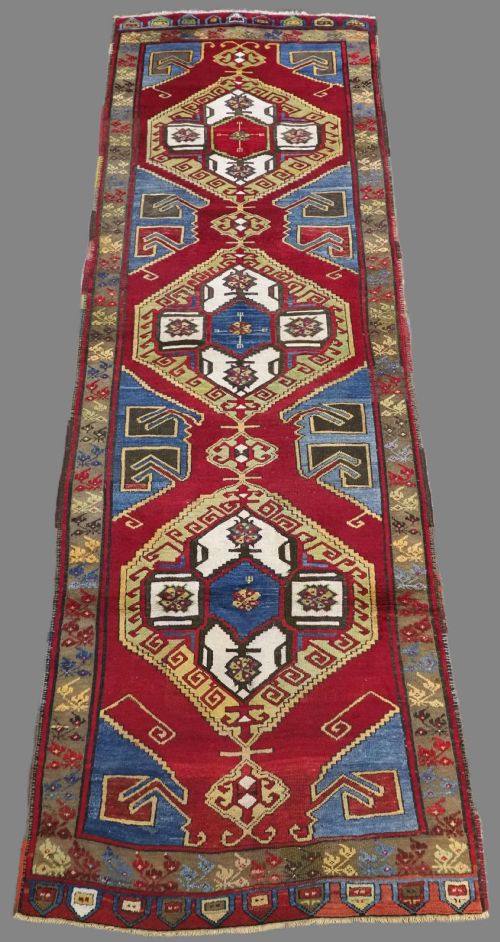
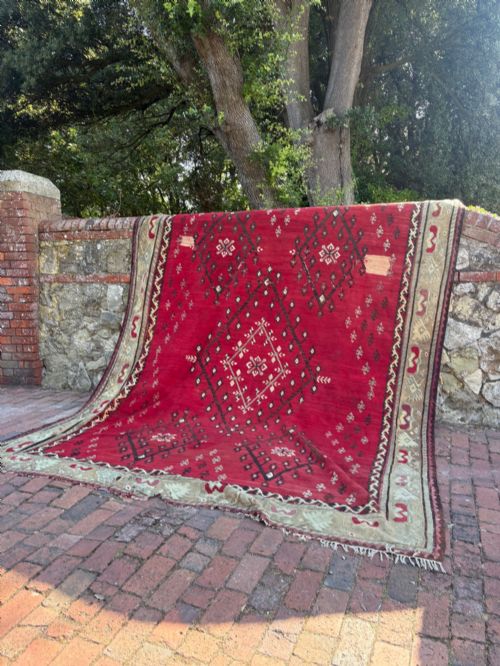
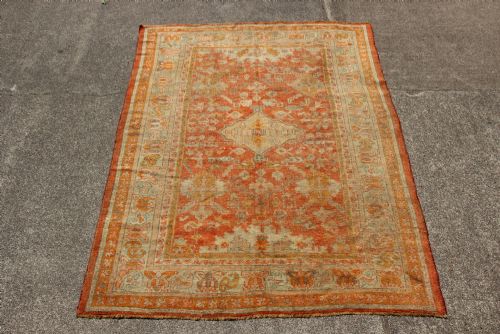
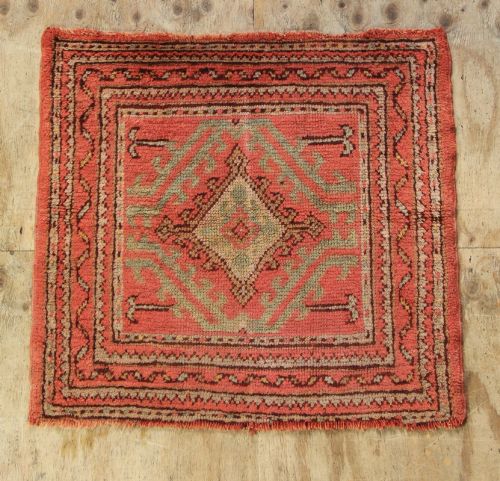
When you search for a traditional anatolian rug, you are looking at hand-knotted and flat-woven floor coverings originating from various regions of Anatolia. The pieces seen here span the late nineteenth and early twentieth centuries, capturing the enduring motifs of Turkish village and tribal weaving traditions.
How they were made
The materials recorded in these listings are wool and cotton, which form the foundational pile, warp, and weft structures of the textiles. Artisans utilised natural fibres spun by hand or locally milled to build durable foundations capable of withstanding decades of daily use.
Weavers employed traditional knotting and flat-weaving techniques, incorporating local dye traditions to achieve the rich hues noted in descriptions of Mut and Malatya examples. Each piece represents hours of meticulous hand labour by regional makers.
Traditional Anatolian Rug Retail Price Guide 2026
Typical asking prices for traditional anatolian rug among the pieces listed under this phrase on Sellingantiques today, from the lower quarter to the upper quarter. They describe what is for sale here now, not the wider market.
Listings span the late nineteenth century through to the early twentieth century, specifically covering the years 1880, 1890, 1900, 1910, and 1920.
What varies in quality
Quality in these textiles rests upon the precision of the weave, the integrity of the wool, and the vibrancy of the colour palette. Pieces with outstanding colour and condition distinguish themselves within the range, showing how well the original dyes have endured.
The complexity and execution of the traditional design also separate standard village pieces from finer workshops or specific regional formats like prayer rugs and large-size kelims. The handling of motifs reflects the individual weaver's skill within established regional canons.
The Traditional Anatolian Rug Glossary
- Kelim
- A flat-woven carpet or rug produced without a pile. These pieces rely on the interlocking of warp and weft threads to create geometric patterns.
- Prayer rug
- A textile featuring a Mihrab design, traditionally used for daily Islamic prayers. The niche points toward Mecca during use.
- Pile
- The upright yarn loops that form the soft surface of a knotted carpet. This part of the rug receives direct foot traffic.
- Warp
- The vertical threads stretched tightly on the loom before weaving begins. The pile knots are tied around these foundational strands.
- Weft
- The horizontal threads passed across the warp to secure the knots in place. Together, warp and weft create the structural grid of the textile.
Traditional Anatolian Rug: Frequently Asked Questions
How do I clean a traditional anatolian rug?
Gentle surface cleaning and professional specialist washing are recommended for antique textiles. Avoid harsh chemical detergents that can strip natural wool oils and fade historic dyes.
Regular careful vacuuming without a beater bar helps remove embedded dust from the pile. Keeping the rug out of direct, harsh sunlight preserves the original colouration.
Where were these rugs made?
These pieces originate from various regions and towns across Anatolia, now modern-day Turkey. Specific locales represented include Ushak, Mut, Yahyali, Bergama, Konya, and Malatya.
Each weaving centre developed distinct stylistic traits, colour preferences, and geometric patterns associated with local tribal and village groups.
Are these rugs durable enough for daily use?
Traditional wool construction provides remarkable natural resilience and longevity. Many of these pieces have survived for over a century through everyday domestic use.
Using a quality underlay helps absorb foot impact and prevents slipping on hard floors. This simple addition protects the antique foundation from unnecessary wear.
How can I tell different regional styles apart?
Regional attribution relies on examining specific design motifs, border arrangements, and structural characteristics. Certain towns like Ushak or Bergama are known for distinct colour combinations and medallion layouts.
Comparing knot counts and flat-weave structures also offers clues to the specific village or tribal group responsible for the work.