

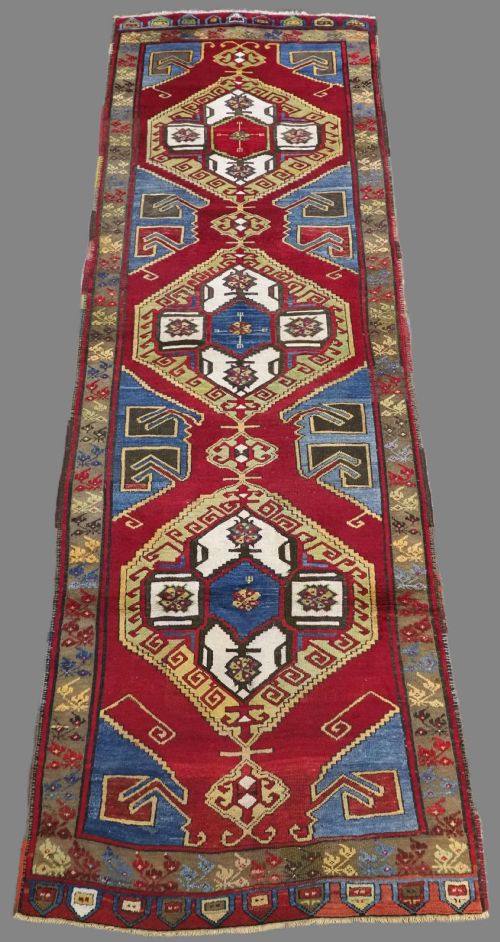


Antique Turkish Runner
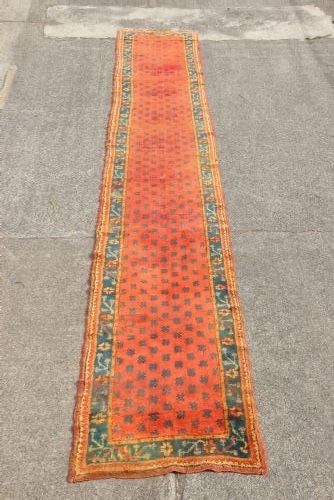
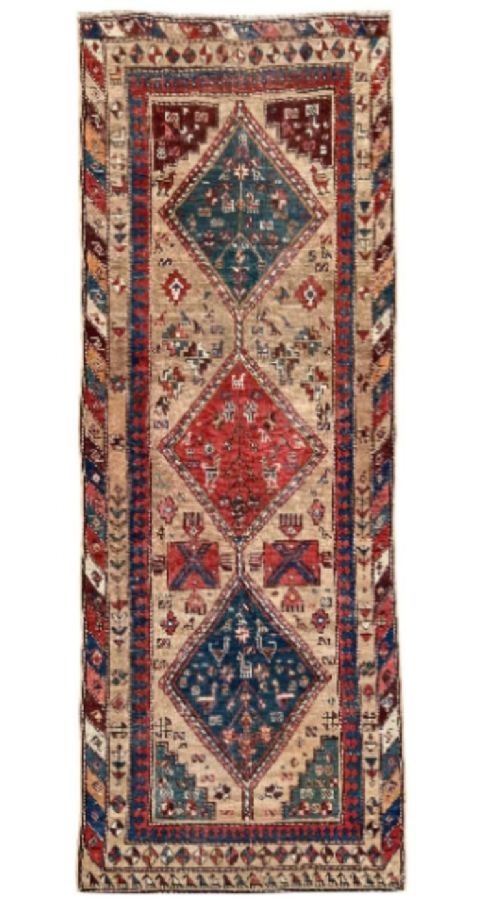
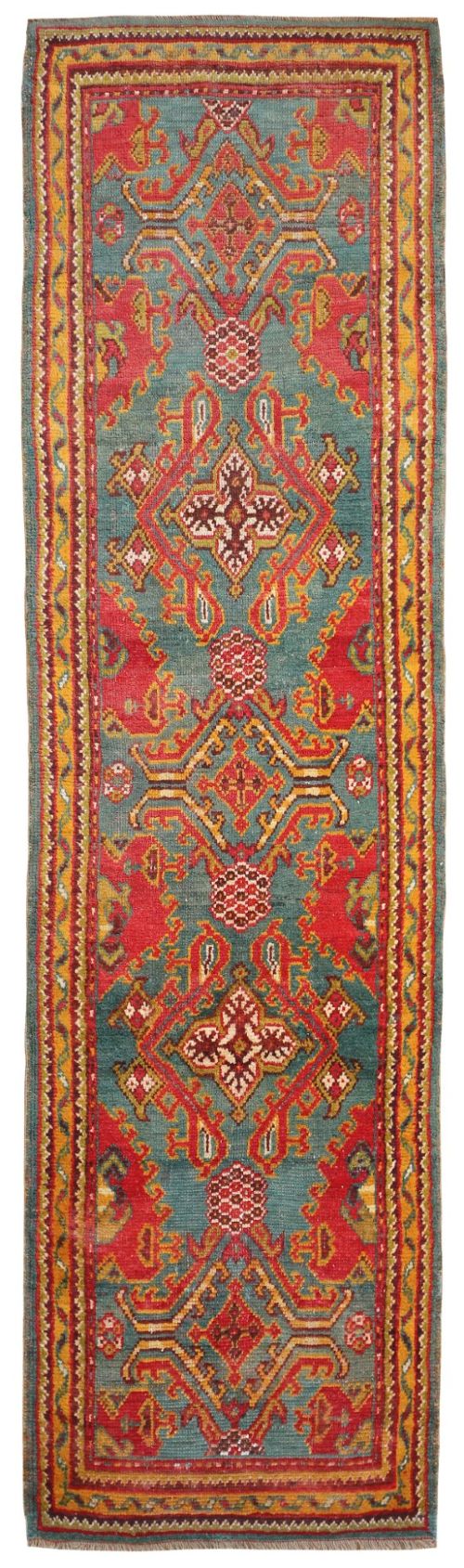
An antique turkish runner brings enduring floor-level geometry and village warmth to a long corridor or hall.
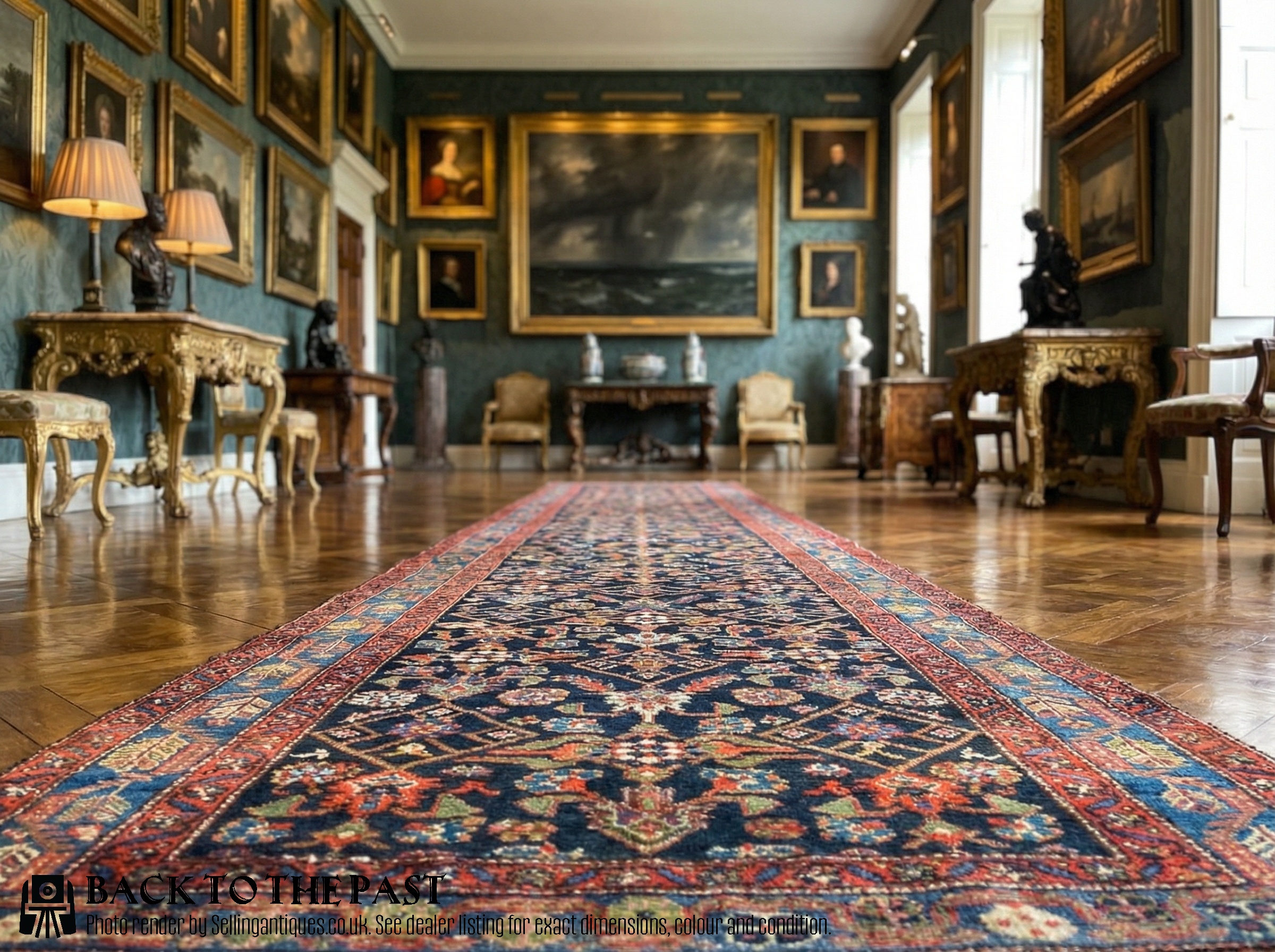
Antique Turkish Runner
An antique turkish runner offers an elongated format designed specifically for corridors, halls, and narrow spaces within a home. These floor coverings bridge utility and heritage, bringing centuries of regional weaving traditions directly beneath your feet.
The pieces available here encompass various traditional styles such as Anatolian Tribal, Ottoman, and Persian Tribal, alongside specific regional village rugs. You will encounter formats ranging from country house runners to narrow hall carpets produced across several decades around the turn of the twentieth century.
Makers from specific regions like Ushak, Komurcu Kula, Yahyali, Yuruk, Malatya, Marash, and Kirsehir contributed distinct palettes and structural layouts to this category. Each surviving runner reflects the aesthetic preferences and cultural patterns of the community in which it was knotted or woven.

Materials and construction
The physical structure relies fundamentally on natural materials, utilising wool for the pile and surface design alongside cotton for the foundational warps and wefts. These organic fibres provide the durability required for high-traffic hallway placement while retaining a soft tactile quality.
Techniques range from standard knotted pile construction in village and town rugs to flatwoven kilim structures, including specialised variants like the cicim technique found in regional pieces. Artisans employed natural dye traditions to create the rich red, blue, and multi-coloured schemes seen across the inventory.
Antique Turkish Runner Retail Price Guide 2026
Typical asking prices for turkish runner among the pieces listed under this phrase on Sellingantiques today, from the lower quarter to the upper quarter. They describe what is for sale here now, not the wider market.
Grain bag kilim runners remind us that utilitarian agricultural sacks often enjoyed a second life as decorative floor coverings in regional homes.
Distinctions in quality
Quality within this category rests upon the precision of the knotting or weaving and the clarity of the traditional design, whether featuring medallions, vine motifs, or banded layouts. Finer execution results in sharper geometric definition and a more cohesive overall visual rhythm along the length of the runner.
The integrity of the wool and the preservation of the original borders and selvedges significantly influence the character of an individual piece. Survivors that retain their full intended proportions without heavy structural compromise demonstrate superior endurance through generations of use.
Ushak·Komurcu Kula·Yahyali·Malatya·Kirsehir
The Antique Turkish Runner Glossary
- Runner
- A long, narrow carpet format traditionally utilised in hallways, corridors, and alongside furniture. This shape dictates the specific proportions of the antique turkish runner category.
- Kilim
- A flatwoven textile produced without a pile by tightly interweaving warp and weft strands. These pieces offer a smoother, thinner surface texture than knotted pile carpets.
- Cicim
- An embroidered flatweave technique where supplementary decorative threads are added across the face of the fabric. This method creates raised surface patterns on traditional runners.
- Warp
- The stationary vertical strings stretched across a loom that form the structural skeleton of the textile. All knots and wefts are built upon this foundational grid.
- Weft
- The horizontal strands passed alternately over and under the warp threads to lock the knots or weave in place. Together with the warp, they create the durable cloth foundation.
Antique Turkish Runner: Frequently Asked Questions
Where should I place an antique turkish runner?
These elongated floor coverings suit narrow circulation spaces such as hallways, corridors, and entryways where their linear geometry guides movement. They also function effectively in galley kitchens or alongside beds.
The narrow proportions allow them to fit areas where standard rectangular carpets prove impractical, adding warmth and colour to transitional zones in a house.
How do I care for wool runners?
Regular gentle vacuuming without a rotating brush roll helps remove embedded dust and grit from the wool pile. Professional specialist cleaning is recommended when deeper maintenance becomes necessary.
Avoiding prolonged exposure to direct sunlight preserves the natural dyes used in these regional village and tribal pieces over decades of daily living.
What materials make up these runners?
The physical structure combines wool for the visible pile or surface design with cotton for the underlying warp and weft foundation. These natural components provide both structural strength and underfoot comfort.
Some pieces consist entirely of flatwoven wool without a pile, relying on interlocking tapestry techniques to form the durable textile body.
How are different regional styles distinguished?
Regional attribution relies on specific combinations of border motifs, medallion layouts, palette choices, and weaving structures. Pieces from centres like Ushak or Kirsehir often display characteristic floral or geometric vocabularies.
Examining the handling of the wool and the specific flatweave or pile technique helps connect a runner to its Anatolian or Ottoman origins.