





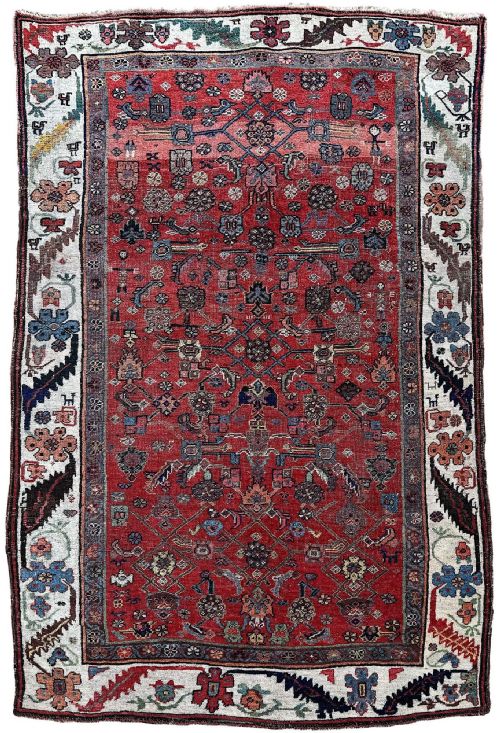
Geometric Wool Area Rug
A geometric wool area rug brings ancient tribal patterns and rich texture into a modern room.
Geometric Wool Area Rug
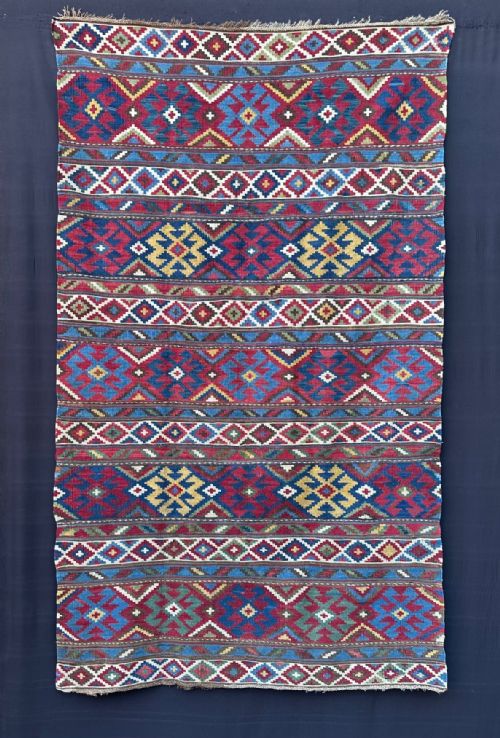
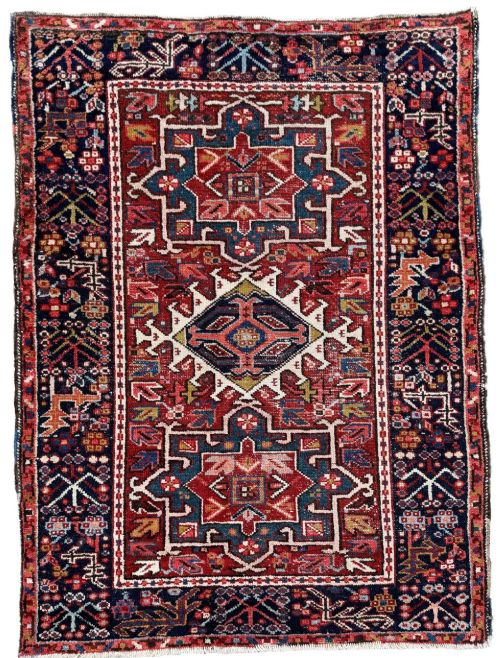
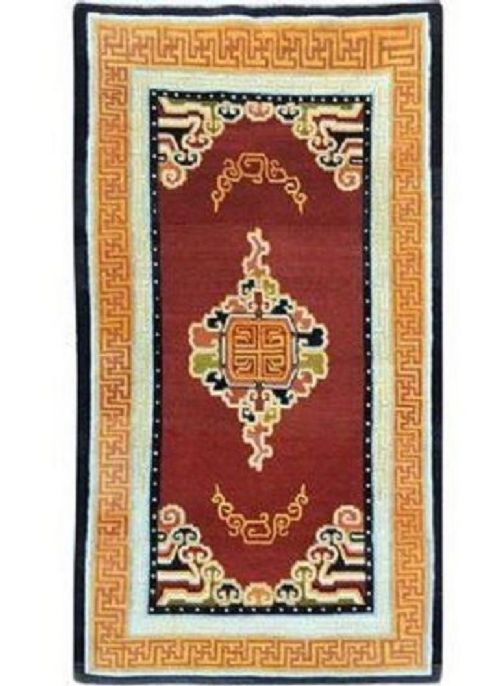
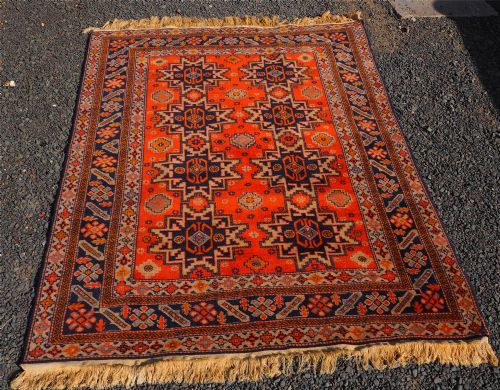
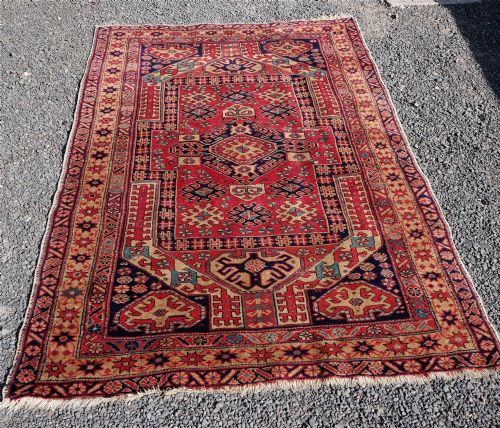
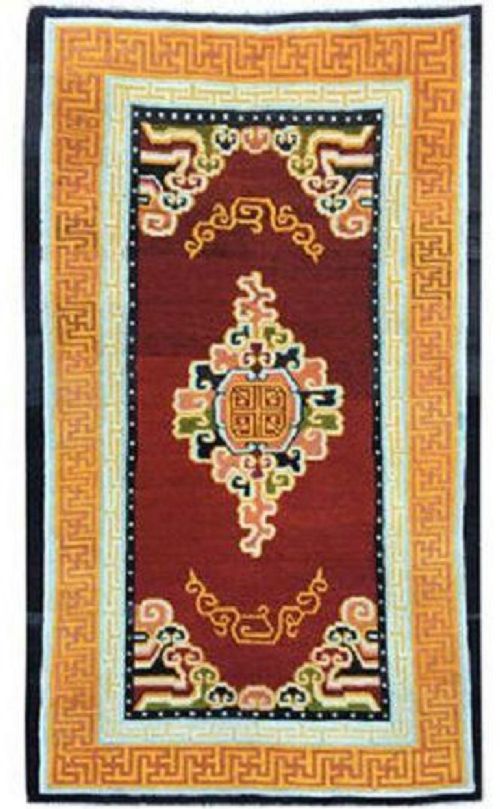
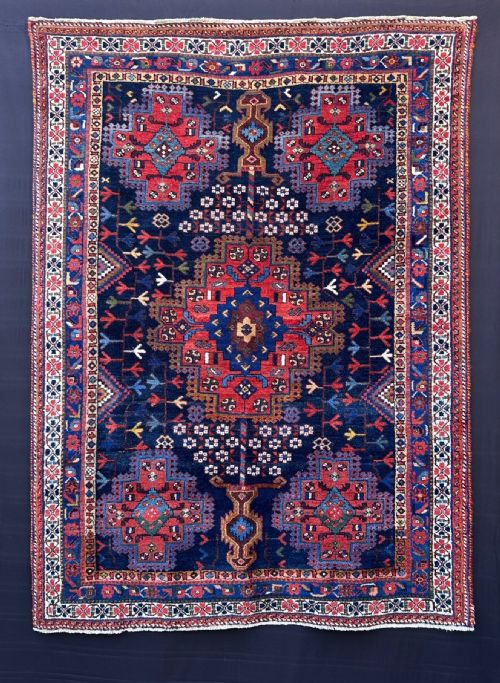
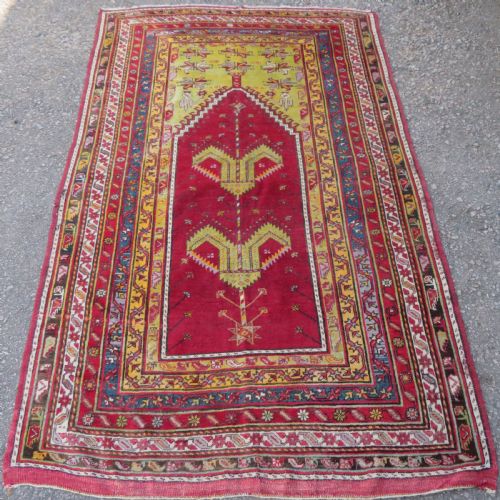
A geometric wool area rug encompasses antique tribal and village floor coverings woven in regions such as the Caucasus, Persia, and Anatolia. These pieces feature repeating motifs, medallions, and stark angles rather than fluid floral curves.
The versions met most frequently on this page span the mid-nineteenth century through to the early twentieth century. They include specific regional types such as Caucasian Kuba, Afshar, Gendje, Kazak, and Milas rugs, alongside traditional Balkan kilims.
Buyers encounter formats ranging from smaller village rugs to larger kelleh and sofreh formats. Each piece reflects the distinct aesthetic traditions of the weaver's community, executed entirely in hand-knotted or flatwoven wool.
How they were made
These textiles rely on wool for both the pile and the foundational structure, frequently supported by cotton elements. Artisans spun the yarn by hand before applying natural dyes to achieve the deep tones seen across the pieces.
Weavers constructed each rug on upright looms, tying precise knots or working flatwoven kilim structures to build durable floor coverings. The resulting surfaces withstand decades of use while retaining their structural integrity.
Geometric Wool Area Rug Retail Price Guide 2026
Typical asking prices for geometric wool area rug among the pieces listed under this phrase on Sellingantiques today, from the lower quarter to the upper quarter. They describe what is for sale here now, not the wider market.
Listings feature wool and cotton materials across pieces dated between 1850 and 1930.
What varies in quality
Quality rests upon the crispness of the drawing and the saturation of the wool pile. Tighter knotting and precise geometric alignment separate the finest workshop pieces from simpler village work.
The depth and brilliance of the dye palette dictate visual success. Superior examples retain vibrant, undiluted ground colours that lend striking contrast to the central motifs.
The Geometric Wool Area Rug Glossary
- Pile
- The upright yarn surface of a rug, formed by knotted loops that are sheared to an even height. This layer absorbs wear and displays the primary design.
- Kilim
- A flatwoven textile produced without a raised pile, relying on interlocking warp and weft threads to create geometric patterns.
- Warp
- The vertical structural threads stretched tightly on the loom before weaving begins. The fringe of a rug typically consists of these extended threads.
- Weft
- The horizontal threads passed alternately over and under the warp to bind the structure together. In many pieces, these threads remain visible at the reverse.
- Medallion
- A distinct central ornament placed in the field of a rug. It anchors the composition and dictates the surrounding geometric symmetry.
Geometric Wool Area Rug: Frequently Asked Questions
Where should I place a geometric wool area rug?
These rugs suit high-traffic living spaces, studies, and hallways where their durable wool construction handles daily movement.
Keep them away from persistent dampness to protect the natural fibres and dyes over time.
How do I clean a wool rug?
Gentle surface vacuuming without a rotating brush roll removes everyday dust without disturbing the wool pile.
Professional specialist cleaning remains essential for deep washing to preserve the integrity of the antique fibres.
How do I date an antique rug?
Examine the specific structure, dye palette, and regional motifs to place the piece within a broad historical era.
Shedding light on the weave requires looking closely at the back for signs of hand-spun wool and natural colour variations.
What is the difference between a kilim and a piled rug?
Kilims are flatwoven without any raised pile, resulting in a lighter and thinner textile structure.
Piled rugs feature knotted wool yarn that creates a soft, plush surface underfoot.