
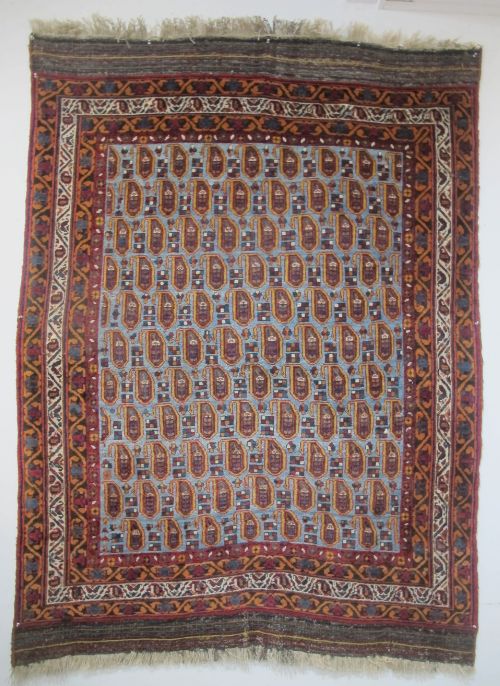
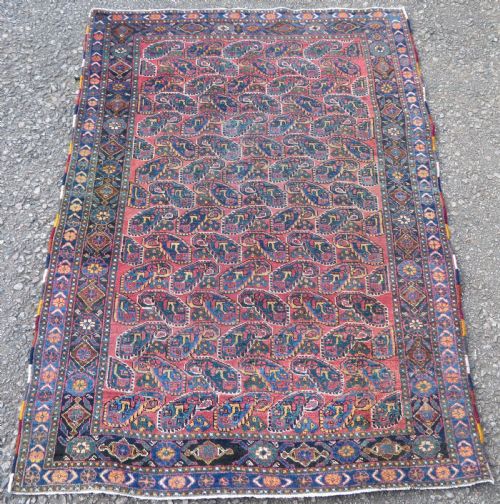
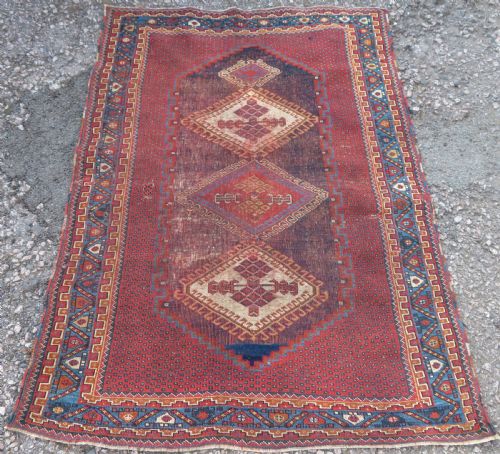
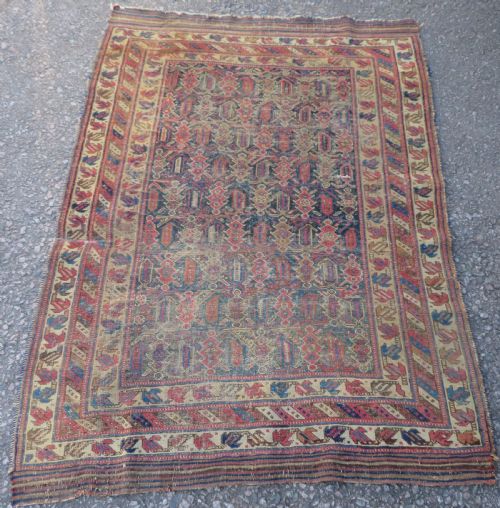

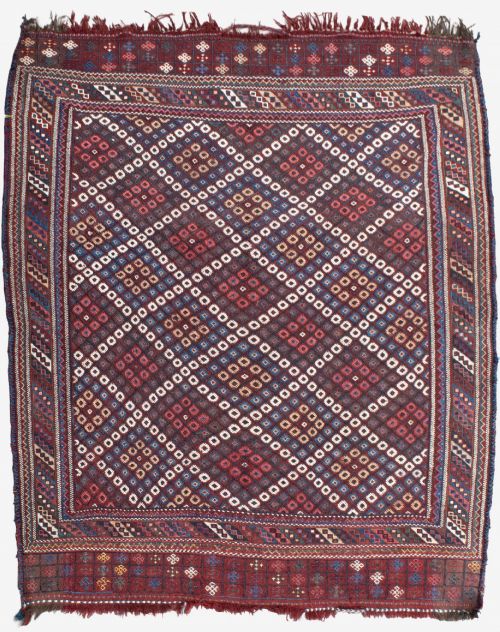
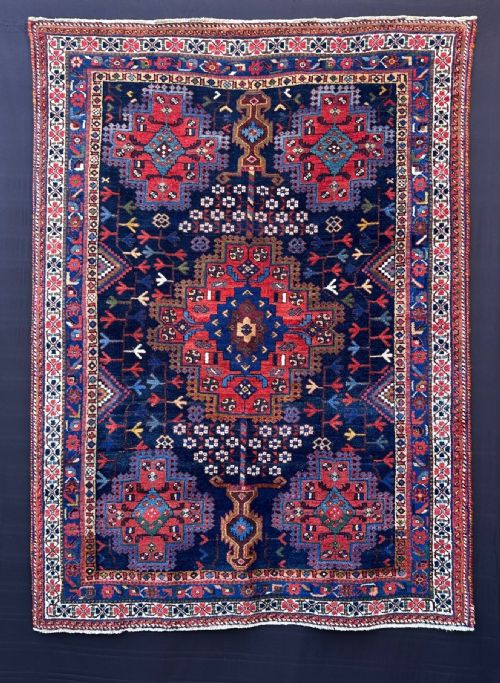
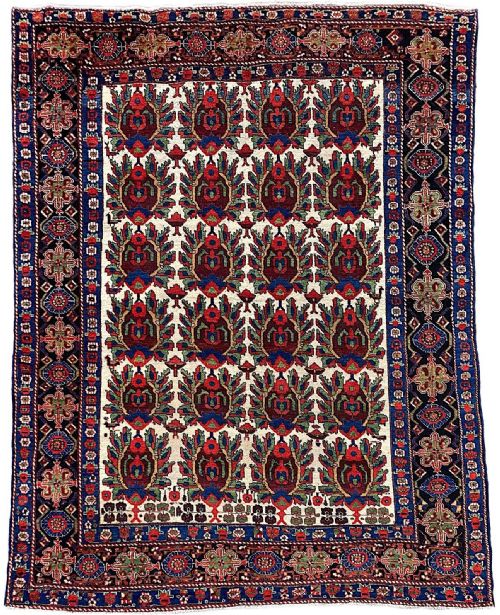
Antique Afshar Rug
An antique afshar rug brings the geometric precision and rich tribal heritage of South Persian weaving directly into your interior.
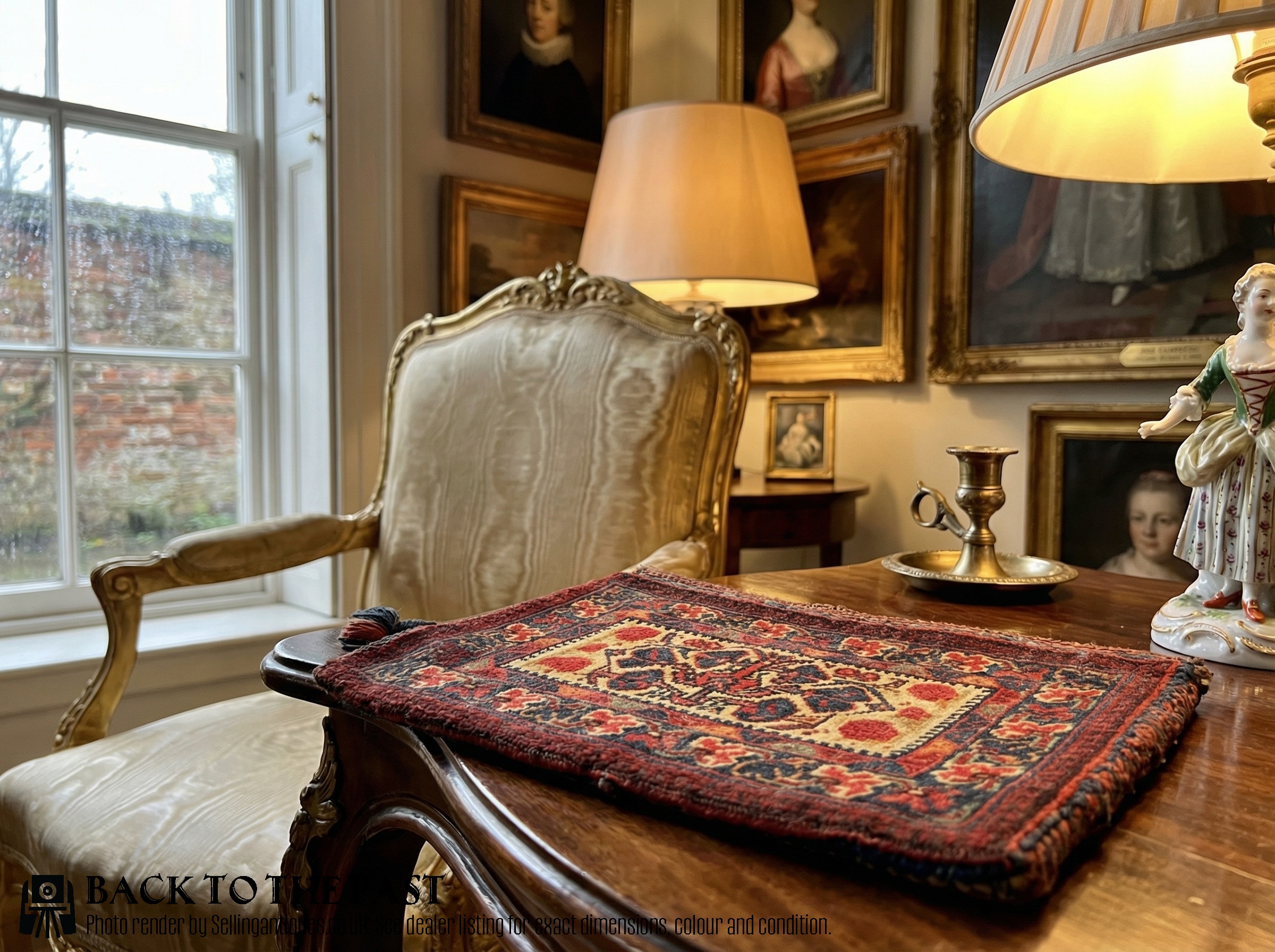
Antique Afshar Rug
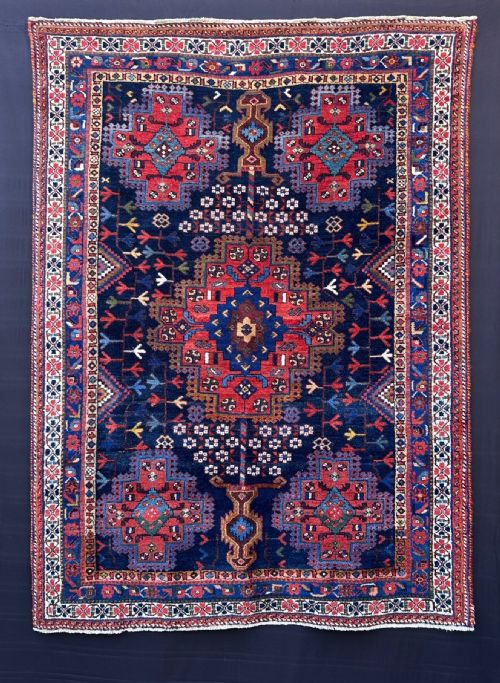
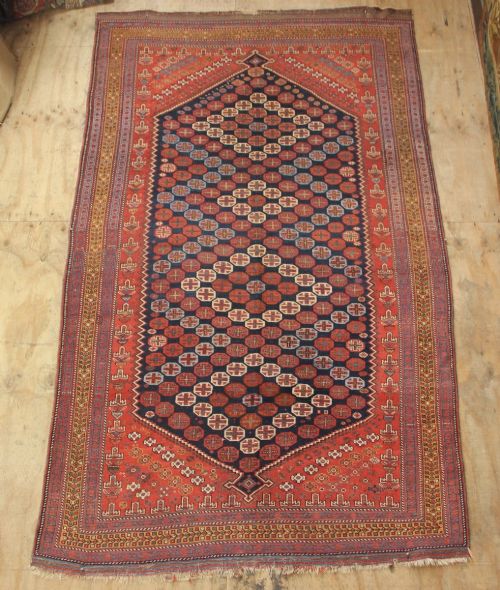
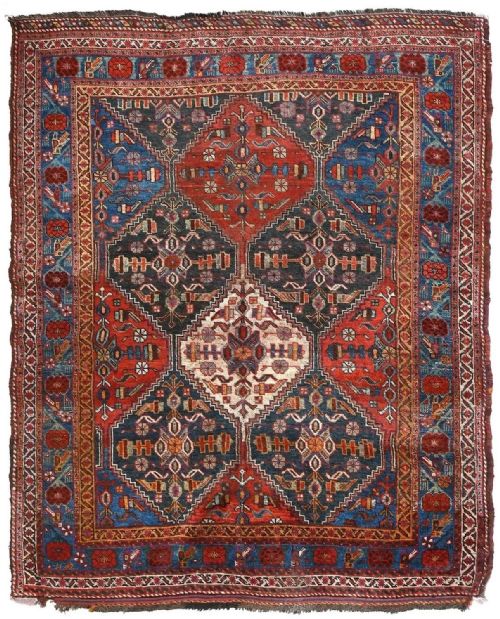
An antique afshar rug is a woven textile originating from the tribal and village groups of the Kerman province in South Persia. These pieces reflect a rich heritage of nomadic and village craftsmanship produced across various regional hubs.
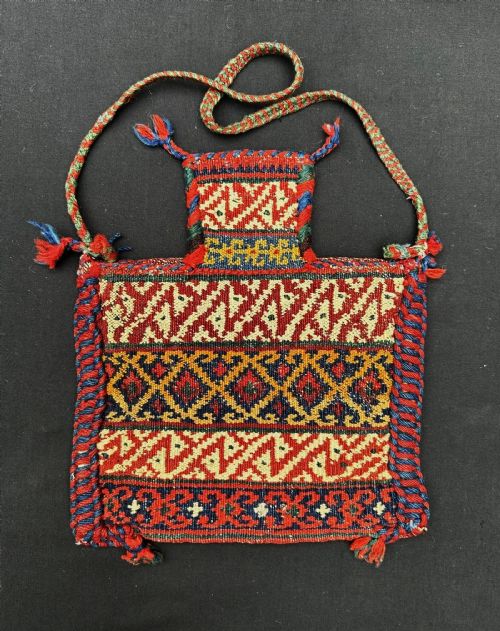
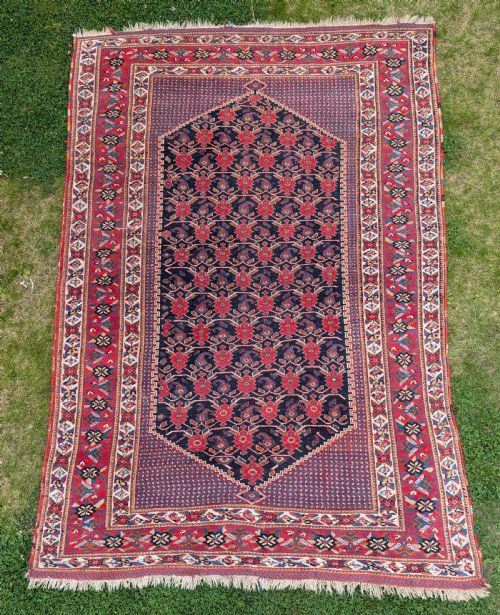
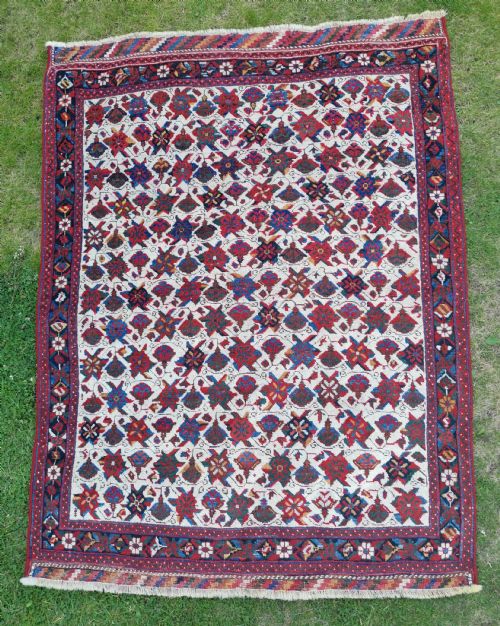
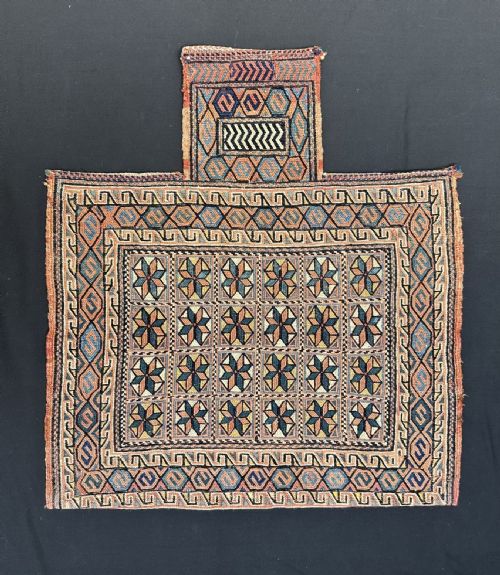
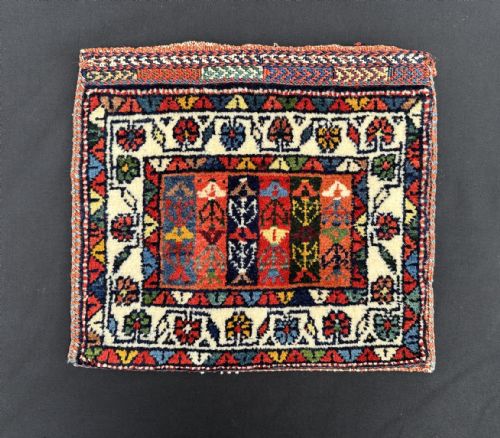
The selections available include standard floor rugs, larger carpets, and specialised tribal storage forms such as salt-bags, vanity bags, and bread sofrehs. Among these, the traditional floor rug remains the most common form encountered by collectors.
Weavers in areas such as Neiriz, Bardsir, and Sirjan developed distinct local motifs, including small medallions, boteh patterns, and lattice designs. These regional variations provide clear clues to the exact origin of each woven piece.
How They Were Made
These textiles are constructed primarily using wool and cotton foundations, often incorporating hand-spun wool for the pile to ensure durability. Natural dyes provide the enduring palette seen across these tribal creations.
Weavers employ specific structural techniques like soumak work alongside standard knotted pile construction to create textured storage pouches and flatwoven surfaces. Artisans occasionally embellish specialised bags with decorative elements such as cowrie shells.
Antique Afshar Rug Retail Price Guide 2026
Typical asking prices for afshar rug among the pieces listed under this phrase on Sellingantiques today, from the lower quarter to the upper quarter. They describe what is for sale here now, not the wider market.
Listings feature pieces spanning from the nineteenth century through the mid-twentieth century, utilising wool, cotton, and natural dyes.
What Varies in Quality
The fineness of the weave distinguishes standard village items from exceptionally detailed collector examples produced by skilled nomadic hands. Tighter knotting allows for sharper delineation of intricate geometric and floral patterns.
The clarity and saturation of natural dye colours contribute significantly to the visual impact of the textile. Pieces displaying harmonious colour palettes and sophisticated design layouts occupy the upper tier of the range.
The Antique Afshar Rug Glossary
- Sofreh
- A flatwoven or piled spread used for dining or bread preparation within nomadic households. These textiles often feature specialised field designs associated with food customs.
- Boteh
- A recurring teardrop or almond-shaped motif symbolizing life and eternity. This design appears frequently in various configurations across South Persian weaving.
- Soumak
- A flatweaving technique involving wrap-faced work that creates a durable fabric with a braided texture on the face. Artisans utilise this method for functional storage bags and durable rugs.
- Chanteh
- A small personal bag or vanity pouch woven by nomadic tribes for carrying small possessions. These miniature items exhibit the same design complexity found in larger carpets.
- Gul
- A medallion or repeating floral motif used as a primary design element in oriental carpets. Different tribal groups employ distinct variations of these geometric emblems.
Antique Afshar Rug: Frequently Asked Questions
What is an afshar rug?
An antique afshar rug is a hand-knotted textile created by the Afshar tribes residing in the Kerman province of South Persia. These pieces are celebrated for their bold geometric patterns and fine wool construction.
Nomadic and village weavers produced these rugs and utility bags for daily use, incorporating traditional local motifs such as boteh designs and central medallions.
How do I identify a Neiriz afshar?
Neiriz pieces originate from a specific region within the Kerman province and often feature distinct structural characteristics and colour palettes. They frequently display crisp geometric medallions and finely rendered motifs.
Examining the specific drawing style and regional design vocabulary helps separate Neiriz examples from pieces woven in other areas like Sirjan or Bardsir.
How were tribal storage bags used?
Tribal storage bags served practical functions in nomadic daily life, holding salt, bread, personal items, or household belongings. They were woven by hand using durable wool and techniques like soumak.
Owners utilised these pouches inside tents or during seasonal migrations, which accounts for the sturdy construction and specialised shapes found today.
How do I care for an antique rug?
Preserving an antique textile requires gentle handling, regular low-suction vacuuming without a rotating brush, and protection from direct sunlight. Professional cleaning by specialists in antique carpets ensures the natural wool and dyes remain undamaged.
Using a quality underlay beneath the rug prevents slipping and reduces fibre wear from foot traffic over time.