


Afshar Tribal Carpet
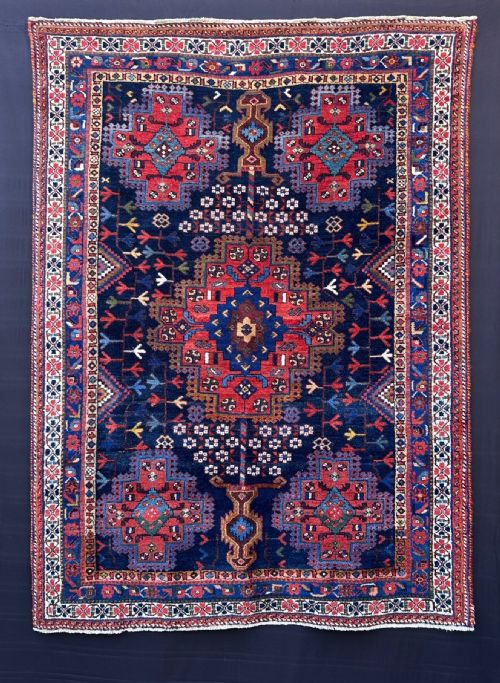
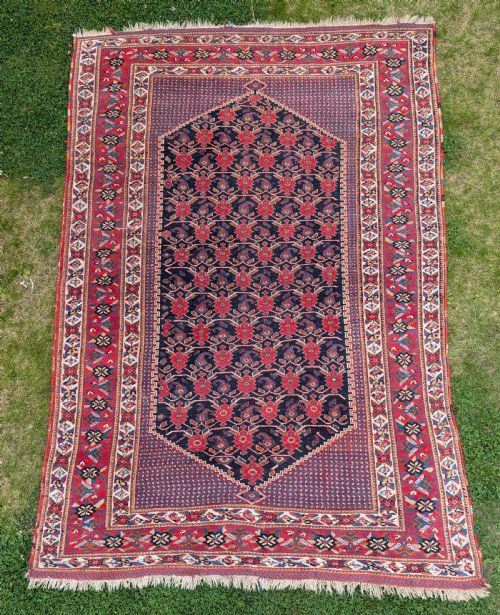
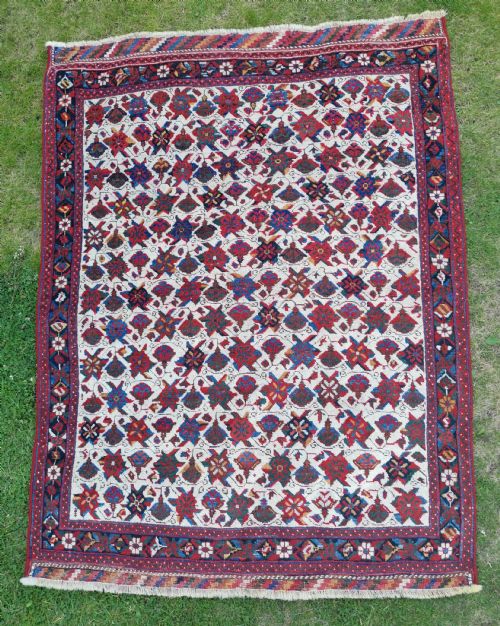
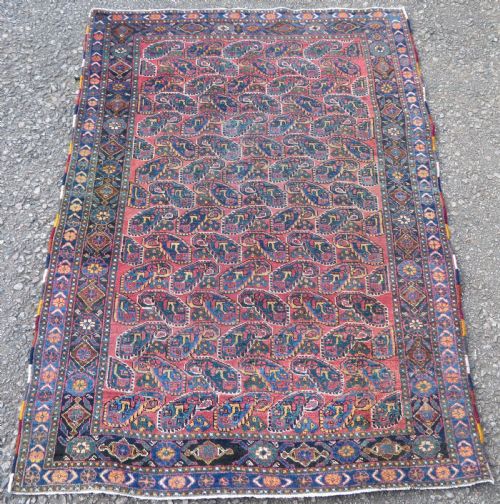
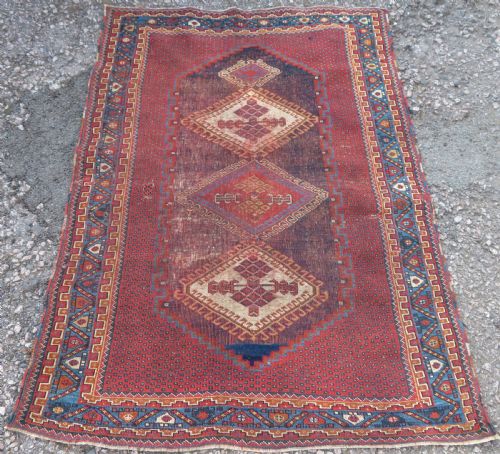
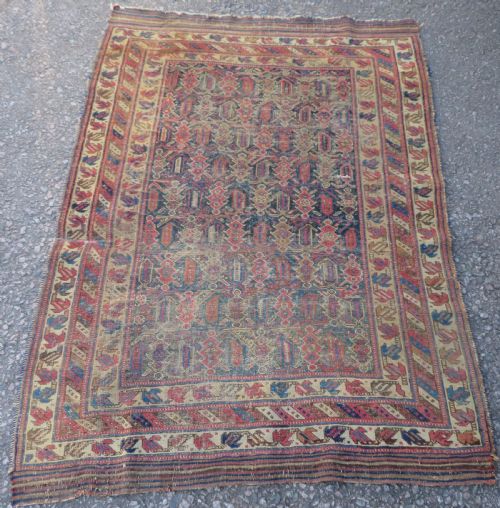
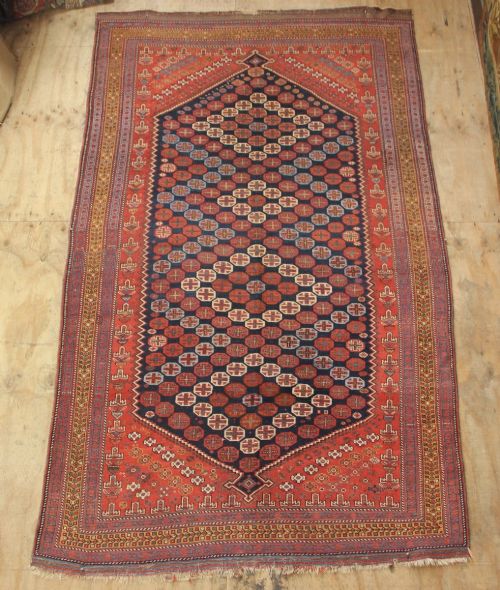
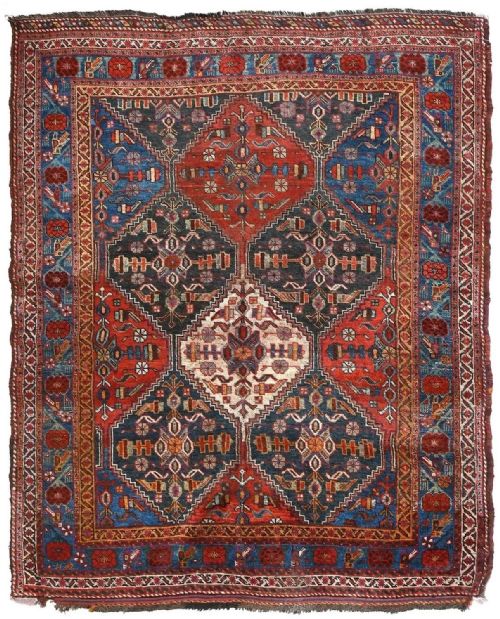
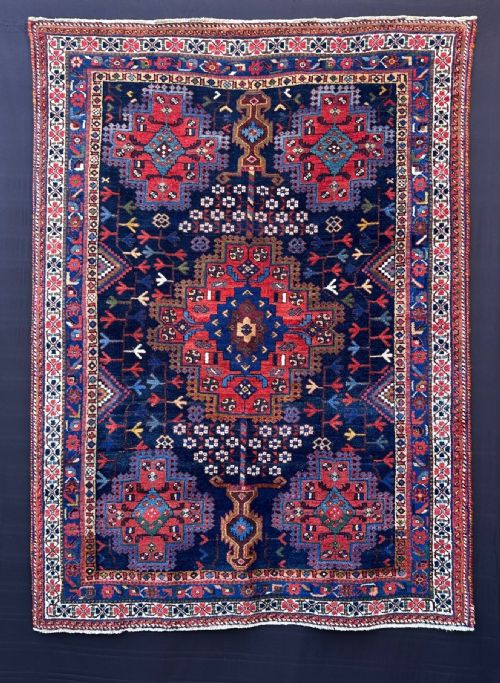
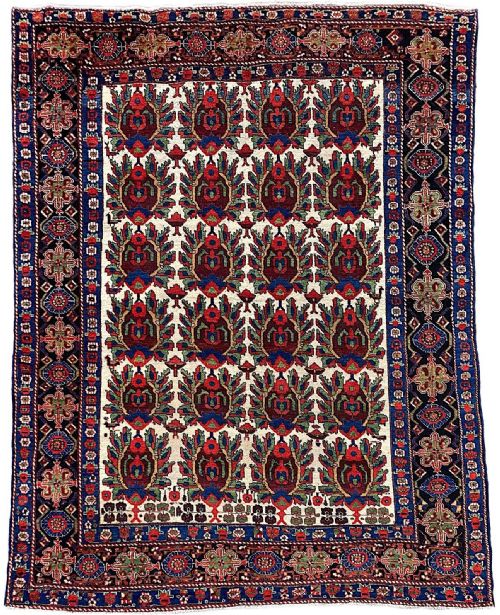
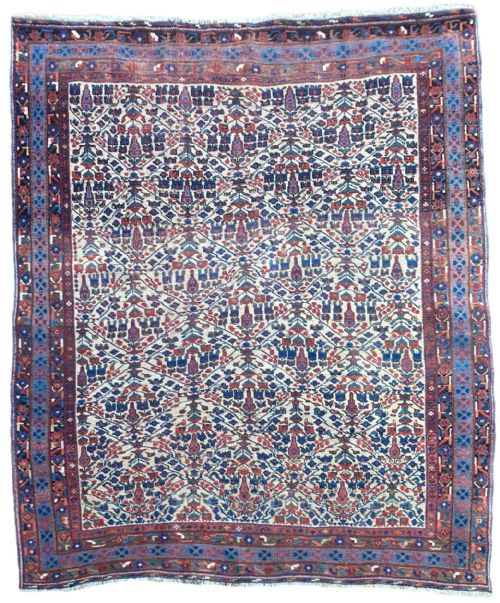
An afshar tribal carpet brings the geometric vernacular of South Persian nomads directly onto the floor.
Afshar Tribal Carpet
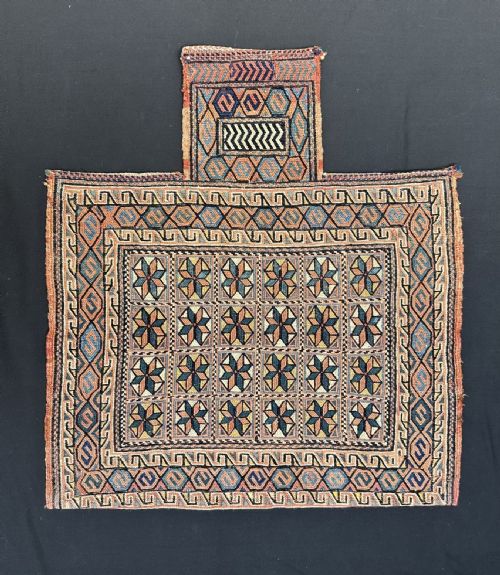
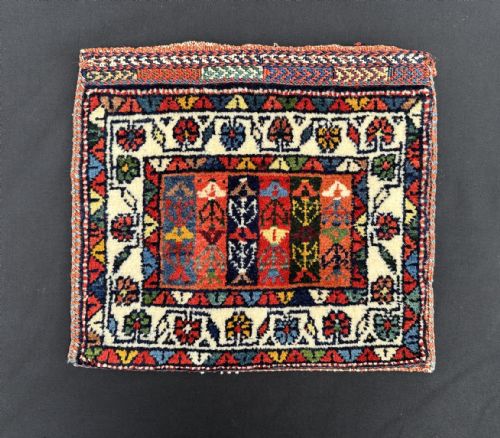
An afshar tribal carpet represents the weaving traditions of semi-nomadic and settled tribes originating primarily from the Kerman province in southern Persia. When searching for an afshar tribal carpet, buyers encounter formats ranging from smaller area rugs and runner rugs to functional salt-bags and vanity-bags.
The regional output includes specific subgroups from locations such as the Neiriz region and Bardsir, connecting these textiles directly to South Persian tribal workshops. Surviving examples date from the nineteenth century through to the mid-twentieth century, capturing distinct Persian tribal and village aesthetics.
How they were made
Weavers constructed these pieces using wool pile tied onto cotton foundations, a material combination that provided structural stability for daily utility. Artisans relied upon natural dyes to colour the wool, producing deep tones that developed rich patinas over decades of use.
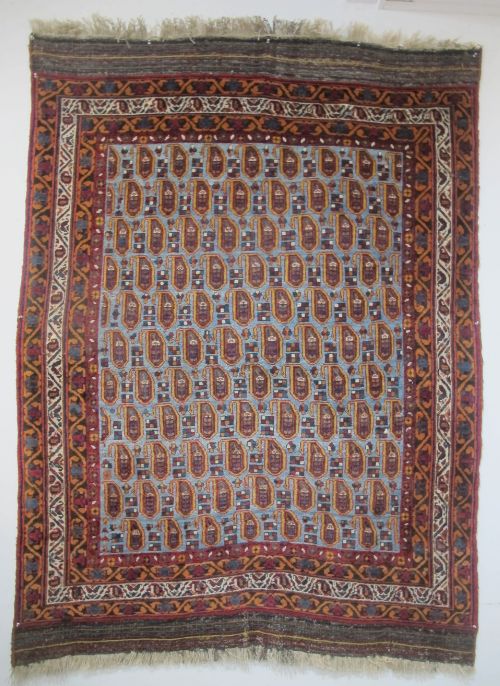
Techniques varied from standard pile weaving to flatwoven soumak structures found in specific tribal bags and utility pieces. The integration of wool and cotton with natural dye formulations dictated the handling of traditional motifs like boteh, medallions, and dragon designs.
Afshar Tribal Carpet Retail Price Guide 2026
Typical asking prices for afshar tribal carpet among the pieces listed under this phrase on Sellingantiques today, from the lower quarter to the upper quarter. They describe what is for sale here now, not the wider market.
The inventory records wool and cotton construction paired exclusively with natural dyes across nineteenth and twentieth-century examples.
What varies in quality
Quality rests upon the crispness of the geometric drawing and the saturation of the natural dyes used across the field. Superior examples display finely executed details within motifs like the boteh or dragon and phoenix patterns, showing exceptional clarity of design.
The handle and density of the wool foundation separate standard utility weaving from collector-grade pieces produced by skilled tribal hands. Preservation of the original borders and pile depth also shapes the standing of an individual rug within the historical range.
The Afshar Tribal Carpet Glossary
- Boteh
- A recurring teardrop or almond-shaped motif representing a floral or cypress sprout. It appears frequently across regional Persian weaving.
- Soumak
- A flatweaving technique producing a durable structure without pile, often utilised for utility bags and specific tribal textiles.
- Neiriz
- A specific weaving centre located within the Kerman province of southern Persia. Pieces attributed to this area exhibit characteristic tribal designs and palettes.
- Herati
- A repeating floral lattice pattern featuring a central rosette enclosed by curved leaves. It forms traditional all-over fields in village and tribal carpets.
- Pile
- The vertical or diagonal tufts of wool forming the soft upper surface of a rug. It is knotted onto the foundation warps andwefts during construction.
Afshar Tribal Carpet: Frequently Asked Questions
Where were these carpets made?
These textiles originate from southern Persia, specifically associated with the nomadic and village tribes of the Kerman province. Many historic pieces trace their roots directly to specific districts like the Neiriz region and Bardsir.
Weavers produced them within tribal camps and regional settlements, passing down traditional geometric patterns through generations of makers.
What materials are used?
Traditional construction relies upon wool for the soft pile surface combined with cotton foundations for structural strength. Artisans dyed the wool using natural colour sources derived from plants and minerals.
This material pairing allowed the textiles to withstand heavy daily use while retaining structural integrity over extended periods.
How do I identify a tribal design?
Tribal designs feature bold geometric structures, small repeating medallions, stylised animals, and distinct motifs like the boteh or dragon and phoenix. The drawing is often less rigid than urban workshop carpets, reflecting the personal expression of the weaver.
Regional palette choices and asymmetrical placements point clearly toward nomadic origins rather than city production.
How should I care for an old rug?
Protect the textile by placing it in low-traffic areas away from direct, harsh sunlight that can fade natural dyes over time. Regular gentle vacuuming without a rotating brush roll helps remove embedded dust from the wool pile safely.
Using a quality underlay prevents slipping and cushions the cotton foundation against hard flooring surfaces.