


Boteh Pattern Rug
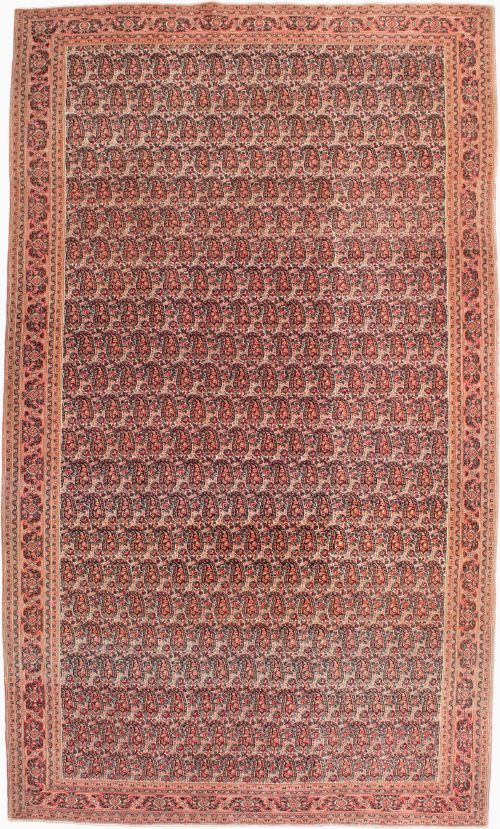
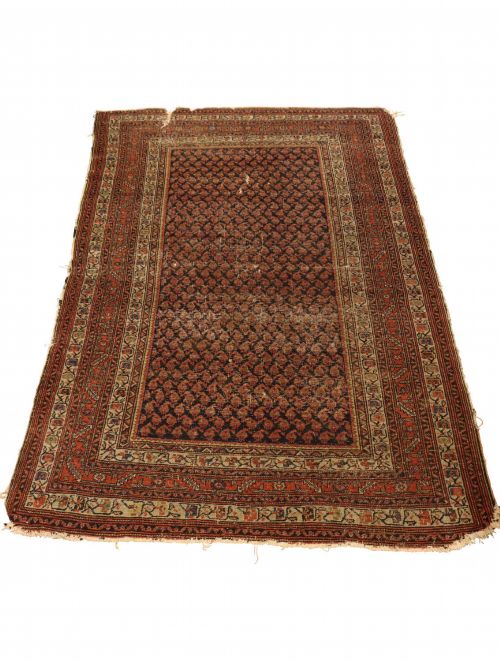
A boteh pattern rug brings centuries of woven tradition into your home with its characteristic almond-shaped motif.
Boteh Pattern Rug
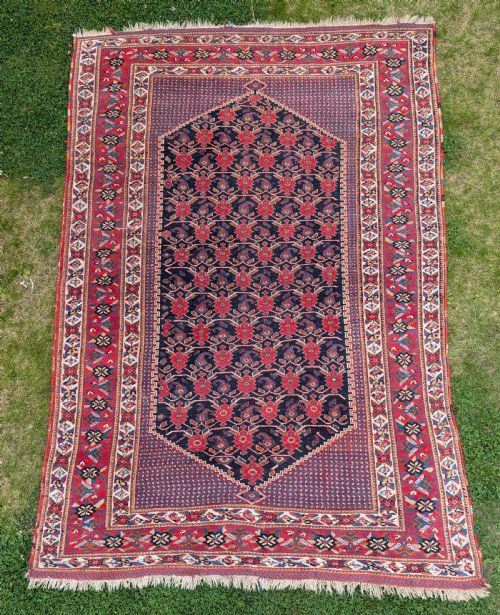
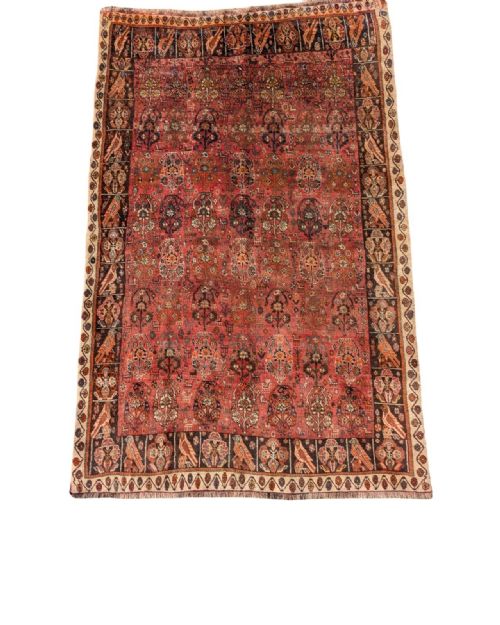
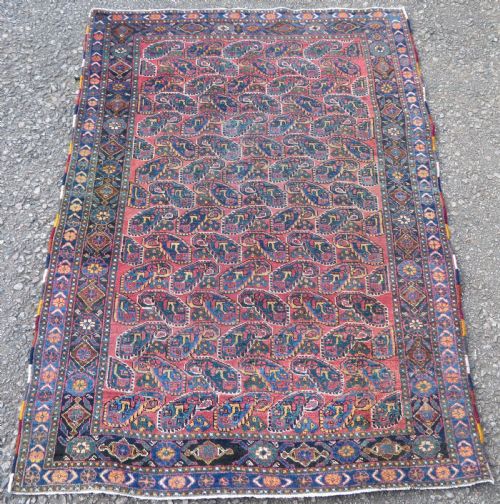
When you search for a boteh pattern rug, you are looking at floor coverings defined by the recurrent teardrop or almond motif known as the boteh. These textiles span various regional traditions and origins, showing the enduring appeal of this ancient design element.
The selections available here include Persian examples alongside Caucasian pieces. You will find various regional identifiers in the titles, ranging from Afshar and Qum to Khorassan, Doroksh, Kurdish, Dagestan, and Karabagh.
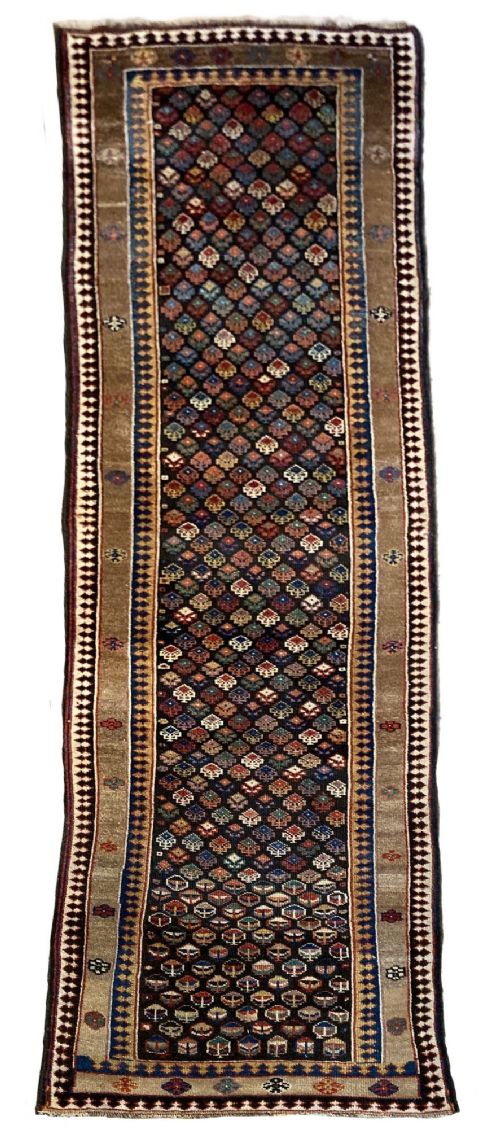
Forms vary from standard rugs to area rugs, runners, large runners, and prayer rugs. The pieces date from the late nineteenth century through to the early twentieth century, specifically spanning the decades around 1880, 1890, 1900, 1910, and 1920.
How they were made
These floor coverings are constructed using wool and cotton as the primary materials. Weavers utilised these natural fibres to achieve the durable foundations and soft pile surfaces recorded in the listings.
The manufacturing traditions rely on hand-knotting techniques characteristic of traditional workshops and tribal communities across Persia and the Caucasus. These methods allowed makers to execute intricate boteh designs and geometric borders with precision.
Boteh Pattern Rug Retail Price Guide 2026
Typical asking prices for boteh pattern rug among the pieces listed under this phrase on Sellingantiques today, from the lower quarter to the upper quarter. They describe what is for sale here now, not the wider market.
The listings on this page span five decades from 1880 to 1920, utilising wool and cotton across Persian and Caucasian styles.
What varies in quality
Quality in these textiles rests upon the precision of the weave and the clarity of the boteh motif. Finer examples display meticulous execution of detail and harmonious palettes that elevate the visual impact of the design.
The provenance and regional attribution also influence the character of each piece. Variations in wool quality and dye depth distinguish standard regional work from exceptional weaving.
Afshar·Qum·Khorassan·Doroksh·Dagestan·Karabagh
The Boteh Pattern Rug Glossary
- Boteh
- An ancient motif shaped like a curved almond, pine cone, or pear. This iconic design forms the central visual element of the pieces on this page.
- Afshar
- A traditional style associated with nomadic and village weavers of Southern Persia. These rugs often feature geometric interpretations of the boteh.
- Kelleh
- A large runner format traditionally used in Persian interiors. This shape provides an elongated field for repeated pattern work.
- Prayer rug
- A small textile designed with a mihrab or niche indicating the direction of prayer. Caucasian examples frequently incorporate small boteh designs within this format.
Boteh Pattern Rug: Frequently Asked Questions
Where were these rugs made?
These pieces originate from regions across Persia and the Caucasus. Specific provenances mentioned in the titles include Southern Persia and North East Persia.
Weavers in these areas produced distinct styles such as Afshar, Kurdish, Dagestan, and Karabagh. Each region contributed its own distinct approach to the boteh design.
How old are these rugs?
The pieces listed date from the late nineteenth century to the early twentieth century. Specific dates span across the years 1880, 1890, 1900, 1910, and 1920.
This timeframe represents a period of traditional hand-knotting before modern commercial production methods became widespread.
What materials were used?
The construction relies upon wool and cotton. These natural materials provide both the structural foundation and the soft pile.
Weavers selected wool for its durability and sheen, while cotton often served for the warp and weft threads.
How can I use a runner rug?
Runner rugs and long rug runners are suited for hallways, corridors, and narrow spaces. Their elongated formats accommodate high-traffic areas.
These pieces introduce traditional patterns and colour to transitional spaces within a home.