

Crimson Wool Rug
A crimson wool rug brings warmth and deep red tones to a room through centuries of traditional weaving.
Crimson Wool Rug
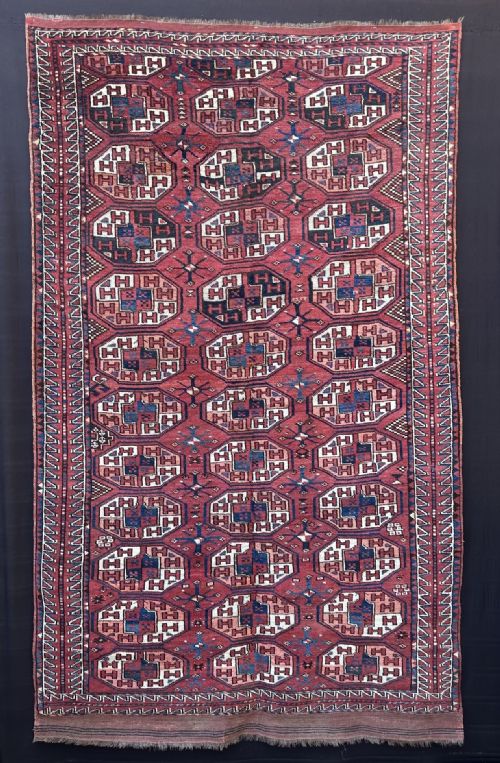
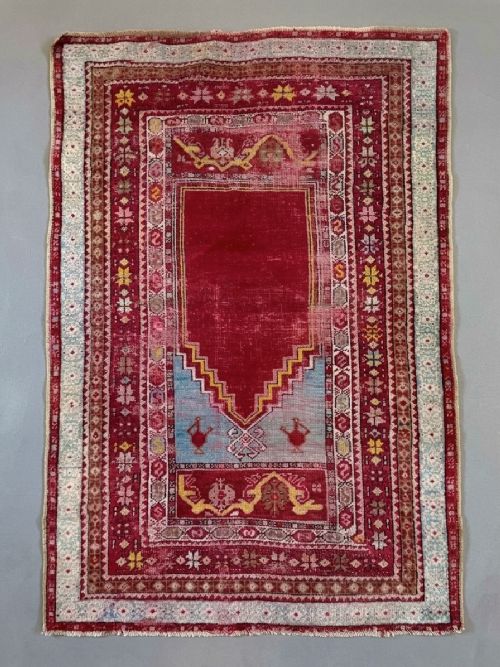
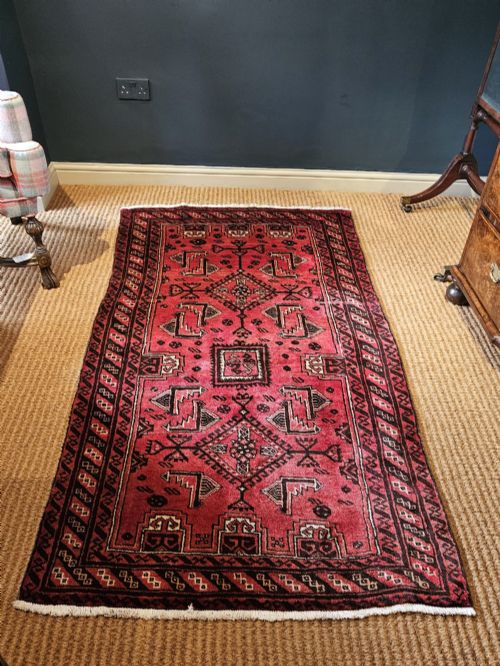
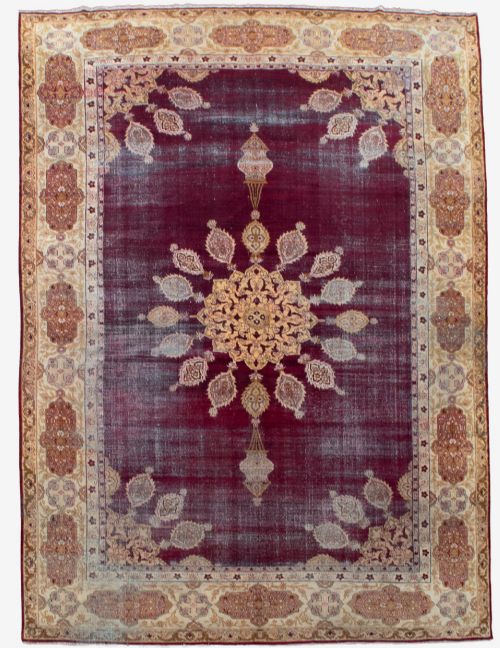
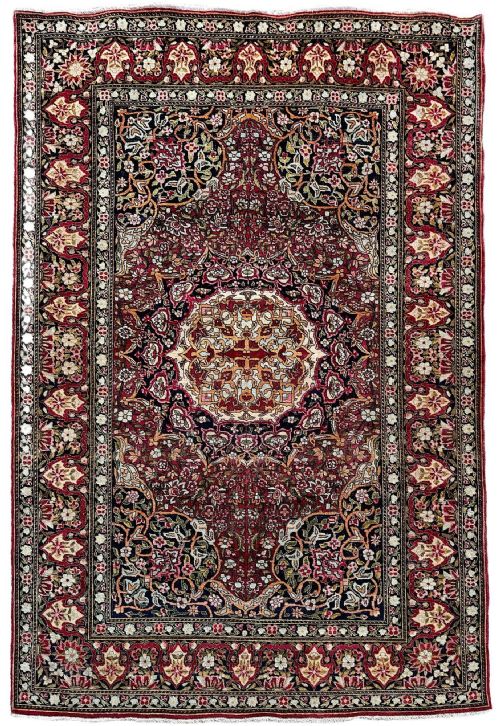
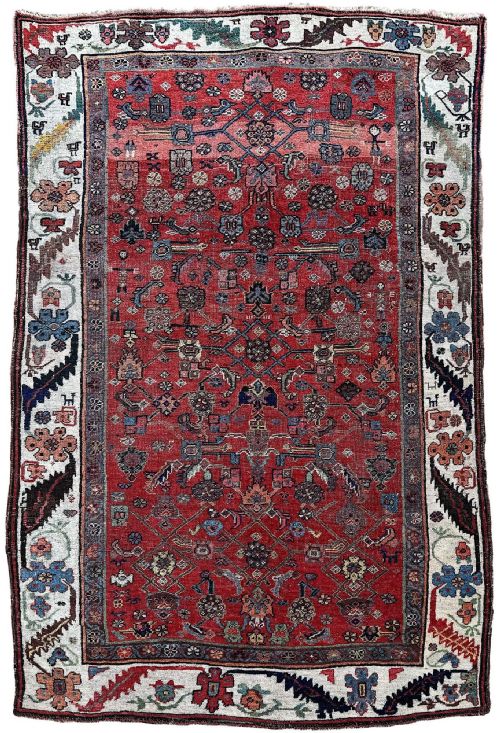
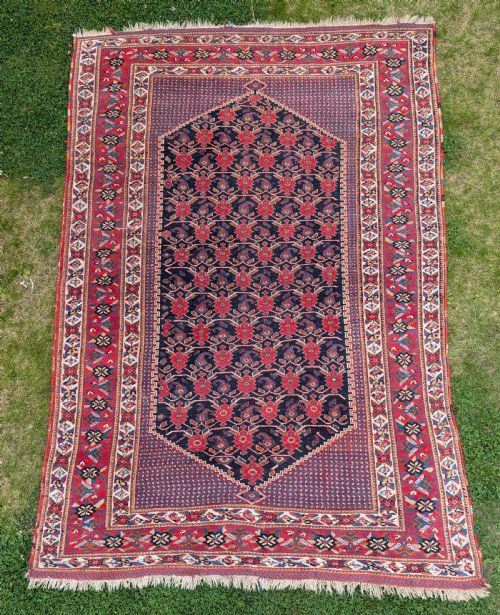
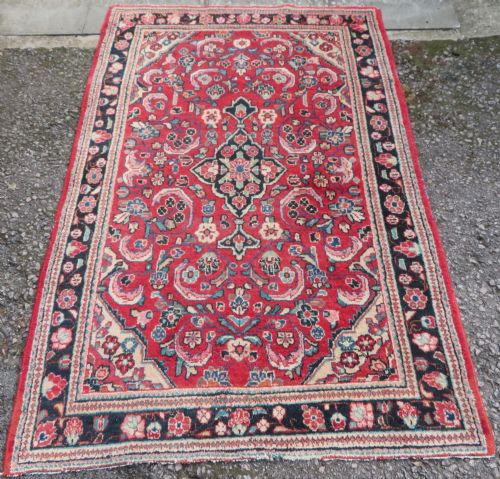
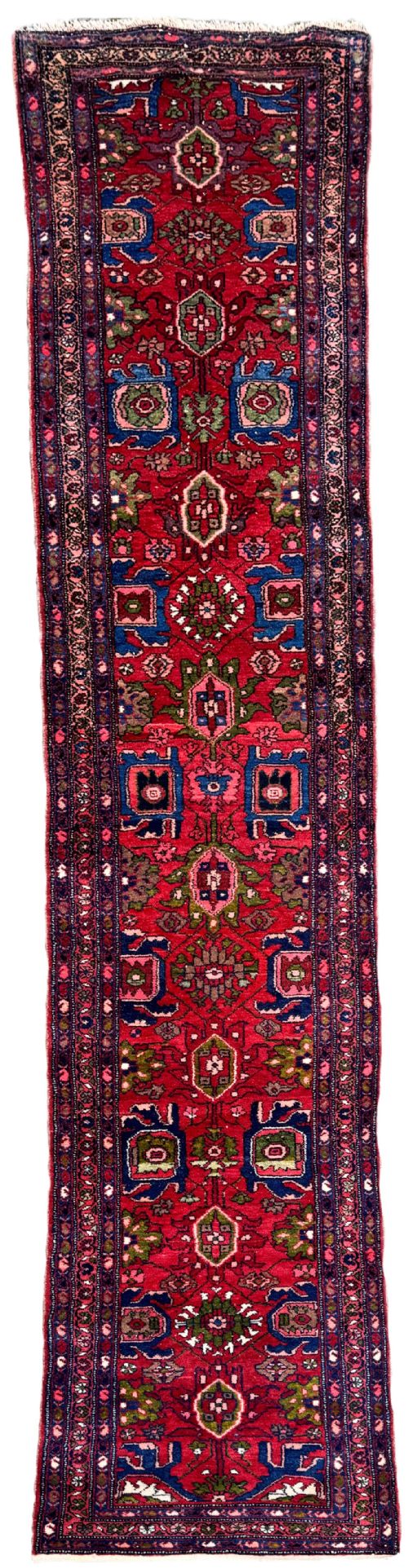
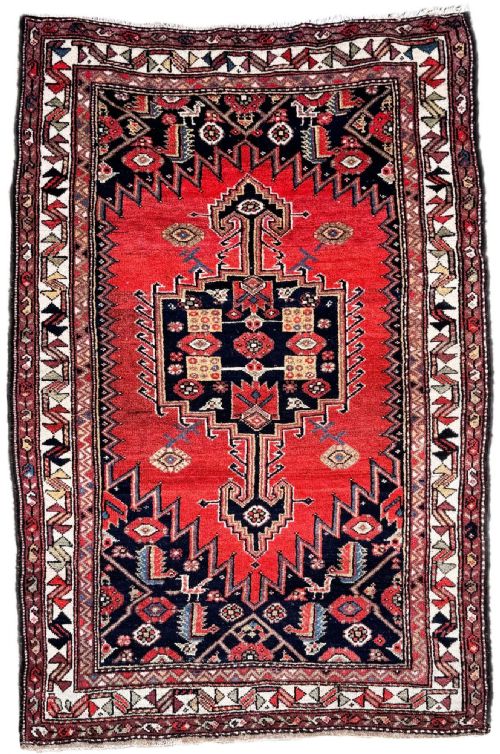
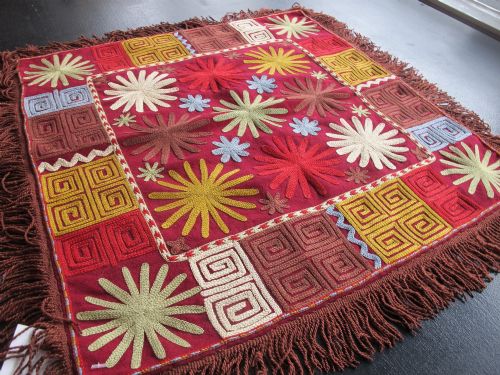
A crimson wool rug encompasses tribal and village textiles from Persia, Anatolia, and Central Asia, woven across the nineteenth and early twentieth centuries. These floor coverings and decorative hangings display deep red dye grounds achieved through traditional methods.
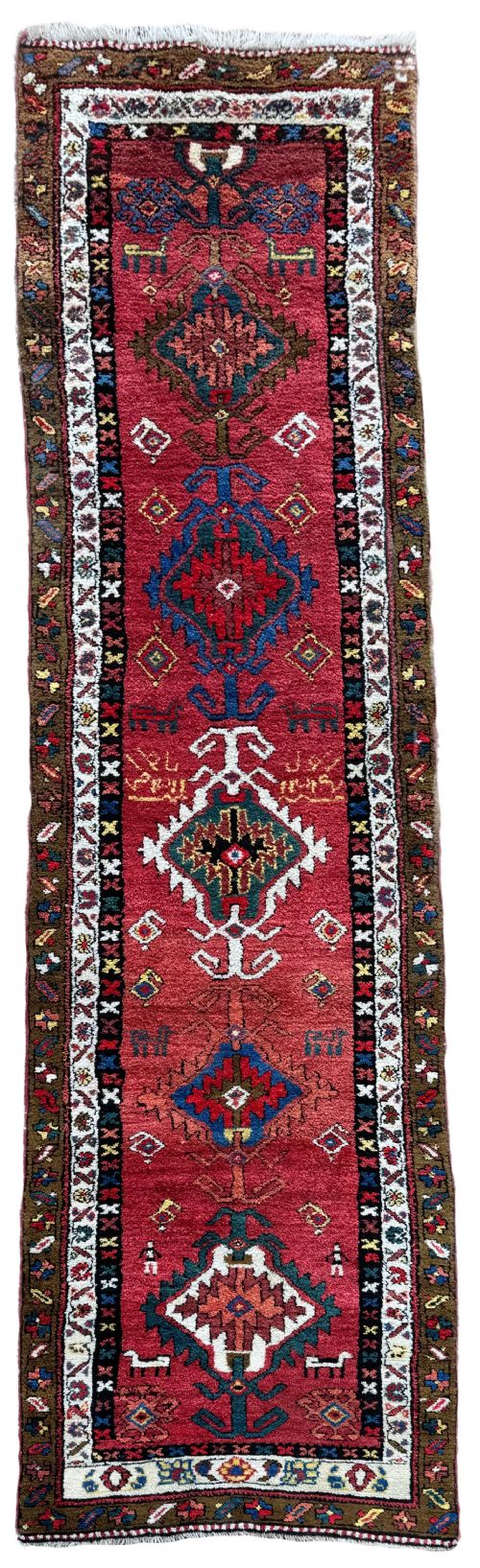
The selection here includes regional formats such as long runners, square area carpets, prayer rugs, and nomadic bags like chuvals and torbas. Pieces attributed to Turkmen, Afghan, and Persian workshops dominate the selection.
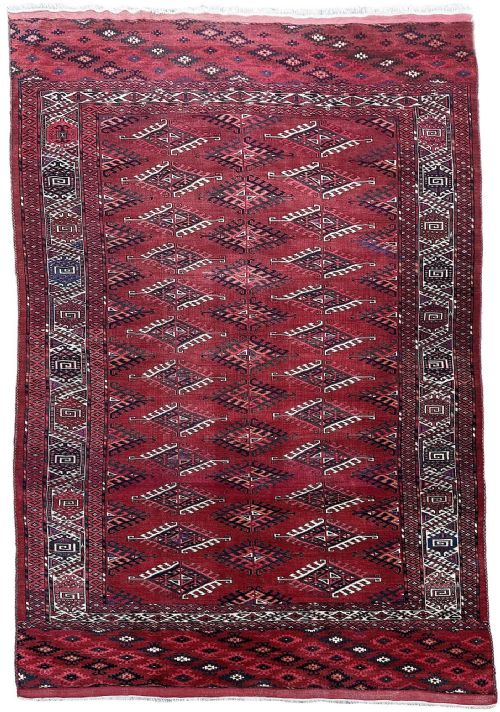
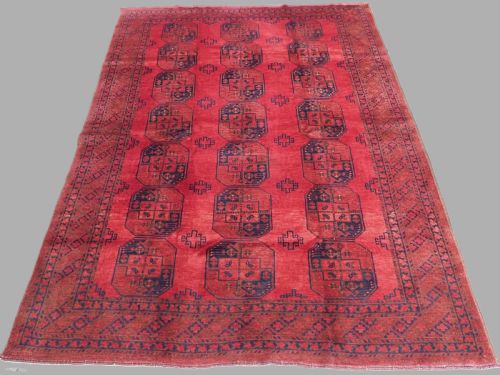
Buyers encounter examples originating from distinct tribal groups, including Yomut, Tekke, and Ersari weavers. Each piece reflects the specific geometric or floral design vocabulary of its origin.
How they were made
Weavers utilised wool, hand-spun wool, and cotton foundations, often combining these materials with natural dyes to create enduring crimson and red hues. The structural knotting secures the pile tightly to the foundation warps and wefts.
Nomadic and village looms produced sturdy textiles intended for daily use inside tents and houses. Individual tribes employed distinct knot types and edge finishes peculiar to their region.
Crimson Wool Rug Retail Price Guide 2026
Typical asking prices for crimson wool rug among the pieces listed under this phrase on Sellingantiques today, from the lower quarter to the upper quarter. They describe what is for sale here now, not the wider market.
Nomadic weavers frequently incorporated small protective amulets directly into the wool pile to ward off misfortune.
What varies in quality
Quality rests in the precision of the knot density and the depth achieved by natural dye stuffs across the wool pile. Finer weaves allow complex motifs and tribal guls to maintain sharp geometric definition.
The handling of wool quality and the integrity of original borders separate standard village production from finer tribal weaving. Surviving pieces with intact original finishes command greater interest from collectors.
The Crimson Wool Rug Glossary
- Gul
- A primary medallion motif found frequently in Turkmen and Central Asian carpet design. These repeating octagonal patterns identify specific tribal groups.
- Chuval
- A large tent bag utilised by nomadic tribes for storage. They often feature elaborate face designs woven in wool.
- Torba
- A smaller wall-hanging bag or storage pouch produced by Turkmen and Baluch weavers. They display characteristic tribal iconography.
- Sofreh
- A flatwoven spread or cloth used for sharing meals or kneading bread. These textiles originate primarily from Persian tribal groups.
- Warp
- The stationary vertical threads stretched upon the loom that form the foundational structure. Weft threads pass horizontally through them to secure the knots.
Crimson Wool Rug: Frequently Asked Questions
How do I identify a Turkmen rug?
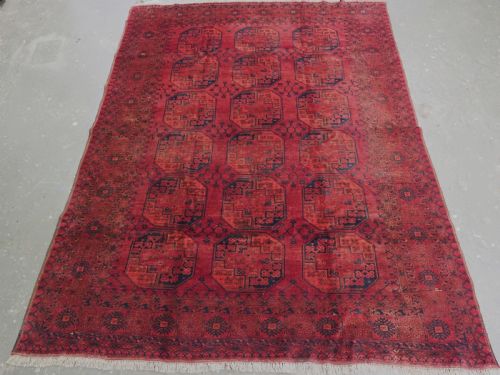
Turkmen pieces display deep crimson wool grounds dominated by repeating octagonal gul motifs. They originate from Central Asian tribes such as the Yomut and Tekke.
Closer inspection reveals dense wool piles and characteristic geometric borders that distinguish them from Persian city carpets.
Where were these rugs made?
These textiles were woven across Persia, Anatolia, and the steppes of Central Asia by nomadic tribes and village communities. Each region developed distinct dyeing traditions and structural techniques.
Local sheep breeds supplied the wool, while native plants provided the materials for natural dyes.
How should I care for a wool rug?
Keep wool rugs out of direct sunlight to protect natural dye colours from fading over time. Vacuum gently without using a rotating brush bar to preserve the pile.
Rotate the rug periodically to ensure even wear across high-traffic areas in your home.