

Turkmen Tribal Rug
When you unfold a turkmen tribal rug, you touch centuries of nomadic craft woven across the Central Asian steppes.
Turkmen Tribal Rug
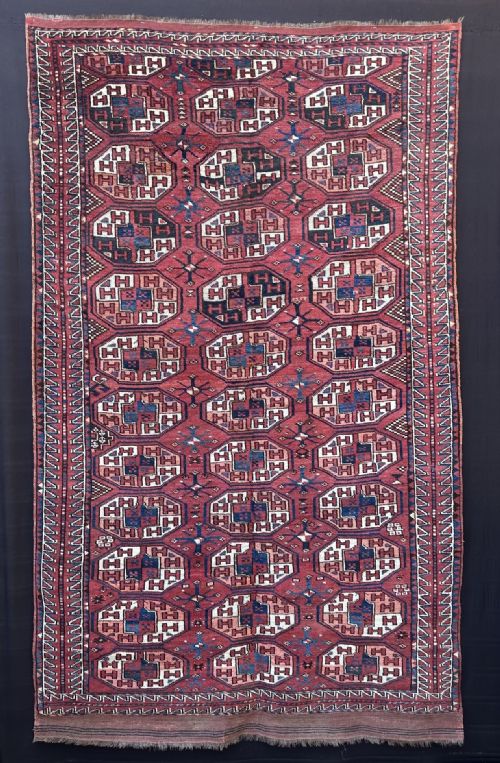
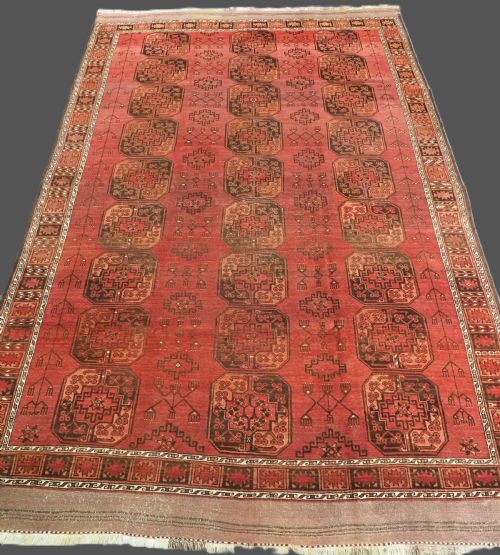
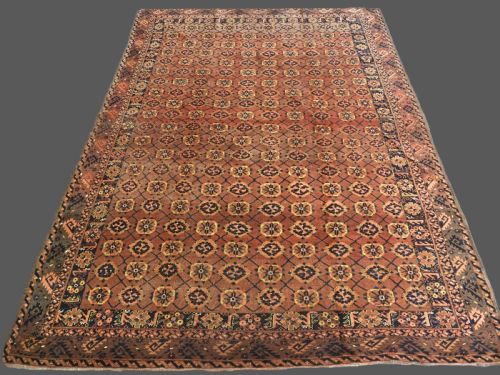
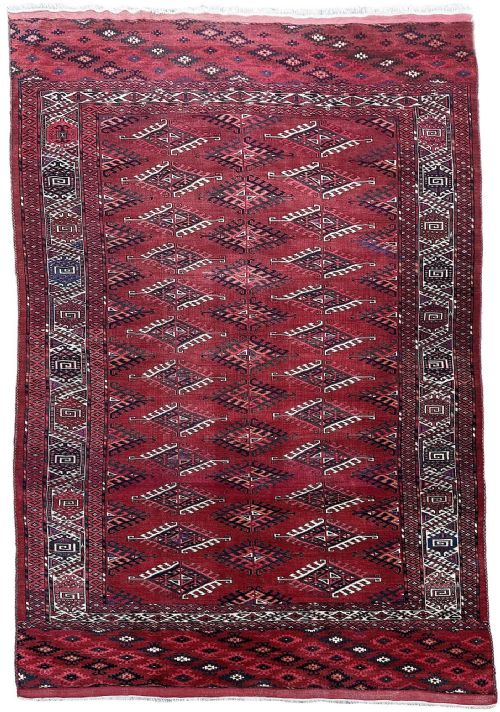
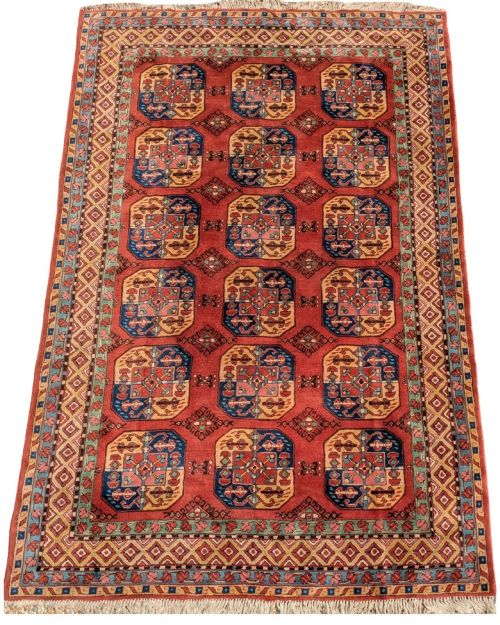
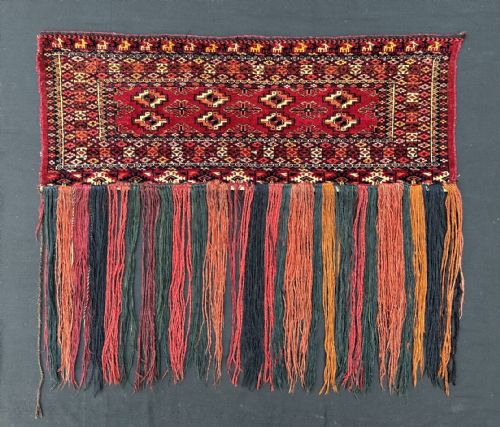
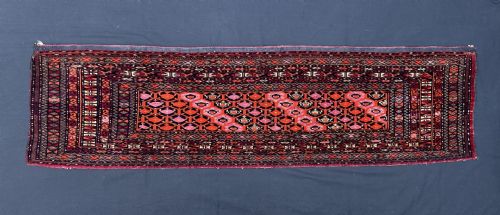
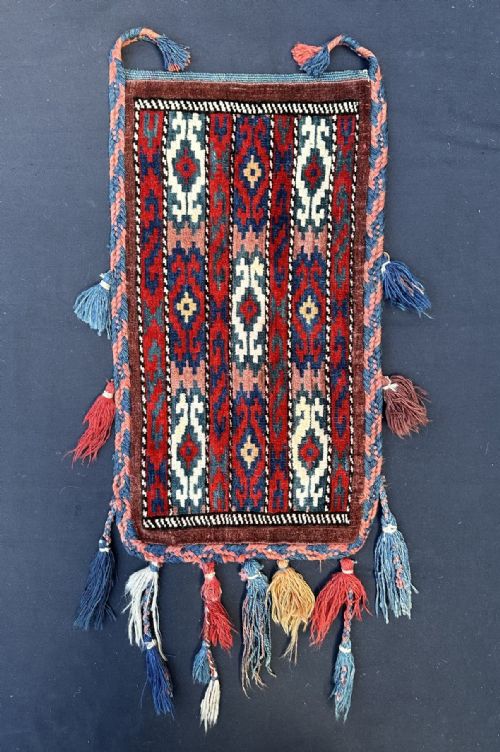
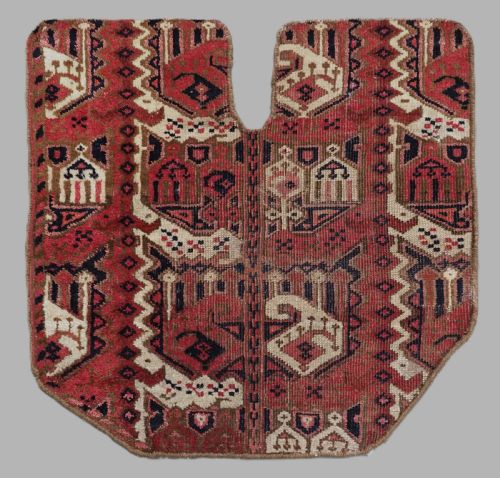
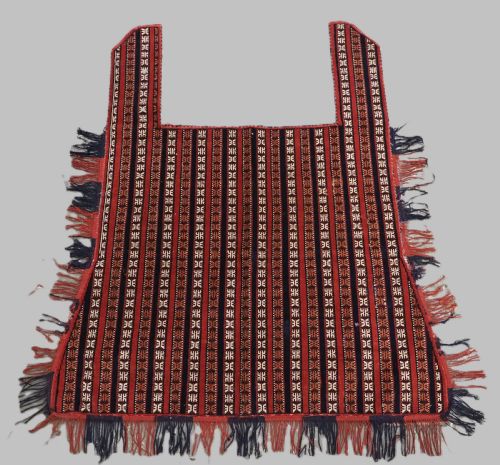
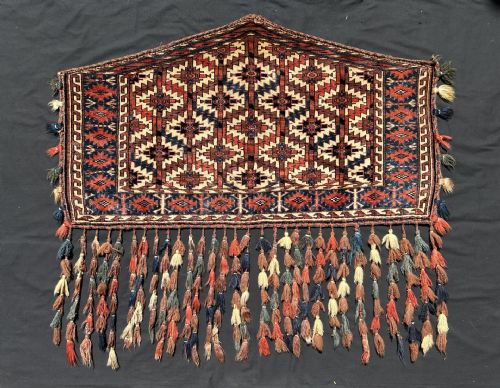
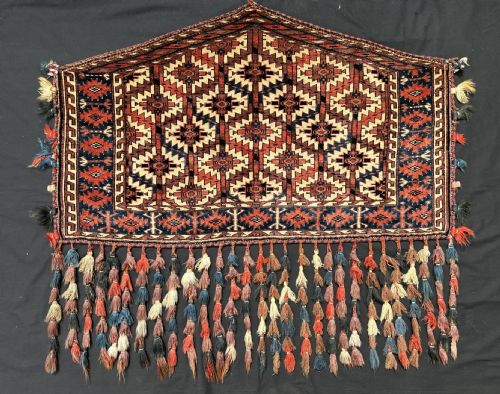
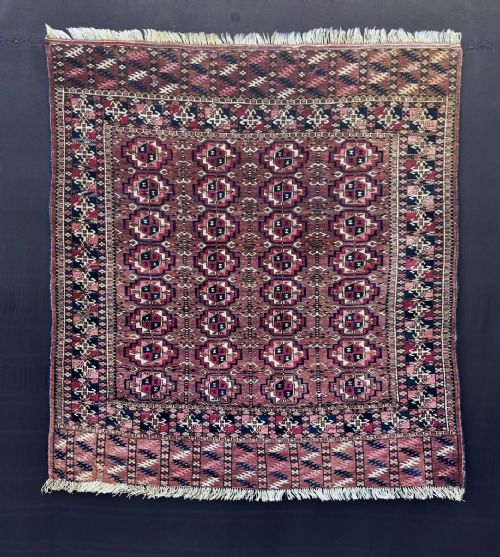
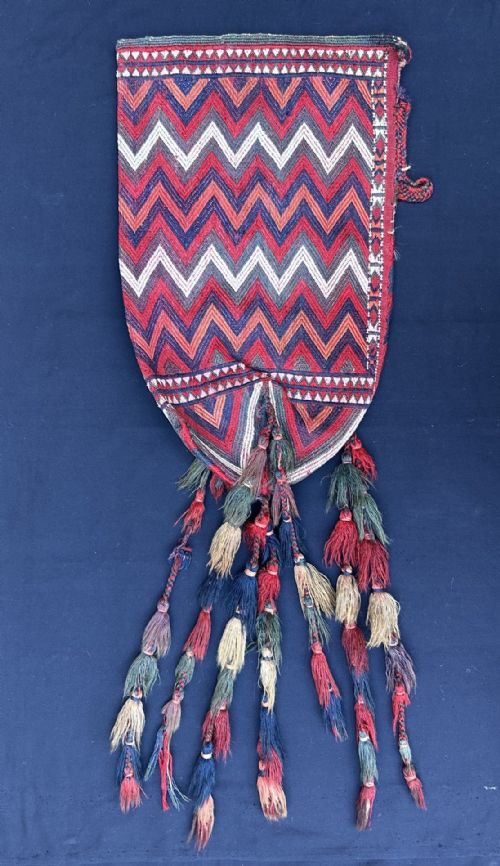
A turkmen tribal rug represents the rich weaving traditions of Central Asian groups such as the Tekke, Yomut, Ersari, and Saryk tribes. These textiles range from large main carpets to smaller utilitarian pieces including torbas, chuvals, and saddle covers made for nomadic life.
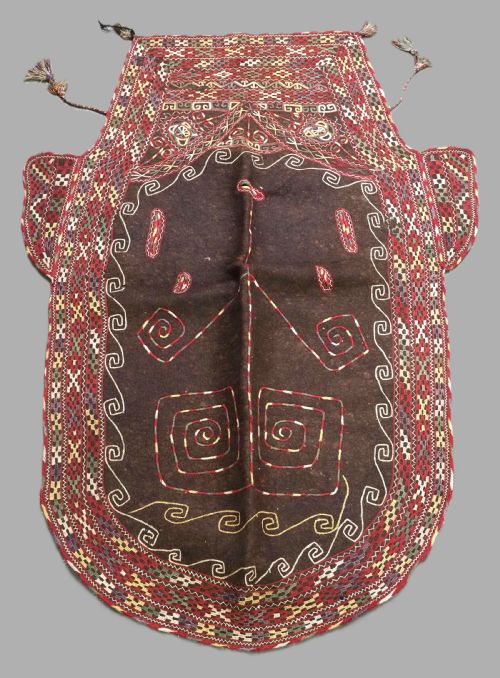
The objects seen here span from the mid-nineteenth century into the early twentieth century, reflecting traditional tribal patterns passed down through generations. Buyers often encounter specific formats like tent door rugs, asmalyks, and ceremonial horse blankets alongside standard floor rugs.
Originating across regions like the Trans-Caspian steppes and the Merv oasis, these floor coverings and hangings carry distinct tribal motifs that identify their makers. Each piece connects modern interiors directly to the domestic and ceremonial lives of nineteenth-century nomads.
How they were made
Weavers utilised hand-spun wool for the pile, combining it with cotton and sometimes silk for structural foundations and decorative details. Natural dyes provided the characteristic deep red palettes and contrasting secondary tones found across these textiles.
Nomadic households also incorporated felted wool and wool thread into specialised items such as ceremonial horse blankets and tent bags. Structural integrity relied on tightly packed knots and sturdy cotton or wool threads securing the edges.
Turkmen Tribal Rug Retail Price Guide 2026
Typical asking prices for turkmen tribal rug among the pieces listed under this phrase on Sellingantiques today, from the lower quarter to the upper quarter. They describe what is for sale here now, not the wider market.
Listings feature items dated from 1850 through the early twentieth century, utilising materials like natural dyes, hand-spun wool, cotton, and silk.
What varies in quality
The fineness of the weave and the clarity of the guls distinguish exceptional examples from simpler utilitarian pieces. Dense knotting allows complex geometric motifs to appear sharp and well-defined on the surface.
The richness and depth of the natural dyes greatly influence the visual impact of each textile. Examples retaining vibrant, uniform colour throughout show superior dye preparation and mordant use during creation.
The Turkmen Tribal Rug Glossary
- Gul
- The primary octagonal medallion motif repeated across many Central Asian carpets and bags. These tribal emblems often designate the specific group or clan responsible for the weaving.
- Torba
- A small storage bag produced by nomadic tribes for domestic use inside a yurt. They frequently feature elaborate face designs with repeating guls.
- Chuval
- A large tent bag utilised for household storage by nomadic families. These pieces display intricate patterning comparable to full-sized main carpets.
- Asmalyk
- A pentagonal trapping traditionally hung on the flanks of a camel during wedding processions. These ceremonial hangings represent some of the most decorative tribal weaving.
- Engsi
- A rug designed to hang over the doorway inside a yurt. They typically feature a cross-panel layout dividing the field into four distinct sections.
Turkmen Tribal Rug: Frequently Asked Questions
Where were these tribal rugs made?
These textiles were produced by nomadic and village groups across Central Asia, including regions in modern Turkmenistan and surrounding steppes.
Weavers worked within specific tribal confederations such as the Yomut, Tekke, and Ersari, each utilising distinct regional motifs.
How are different tribes identified?
Tribal attribution relies primarily on the structural format, colour palette, and specific repeating guls woven into the field.
Detailed border arrangements and secondary motifs further help specialists separate Yomut work from Tekke or Ersari pieces.
What were saddle covers used for?
Saddle covers and horse blankets served both functional purposes during transit and ceremonial roles during tribal celebrations and weddings.
Owners decorated these pieces with tassels and fine wool to display status and skill within the community.
How do I care for antique wool rugs?
Protect antique textiles by placing them in low-traffic areas away from direct sunlight to preserve the natural wool and dyes.
Gentle vacuuming without a beater bar and professional cleaning when necessary will maintain the condition of the weave.