


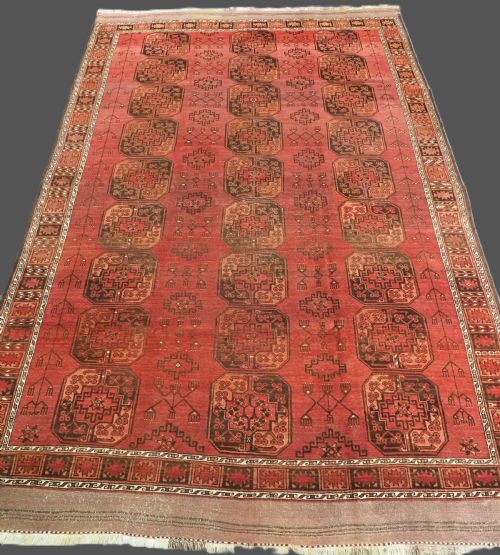
Traditional Tribal Area Rug
A traditional tribal area rug brings grounded pattern and tactile warmth to a room through centuries of village craftsmanship.
Traditional Tribal Area Rug
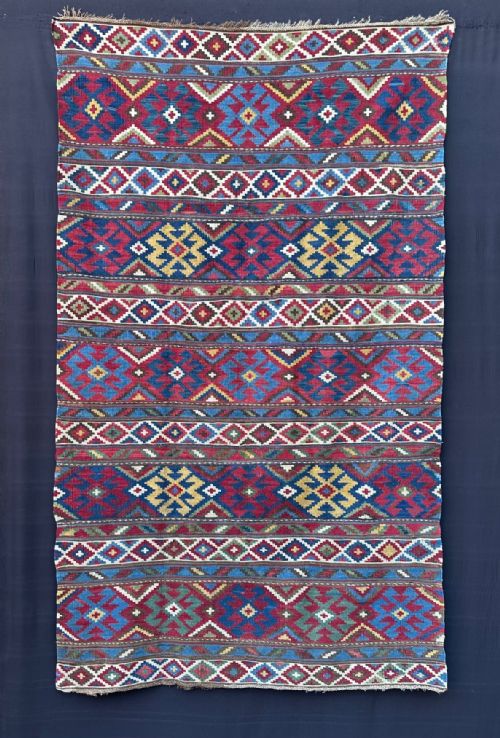
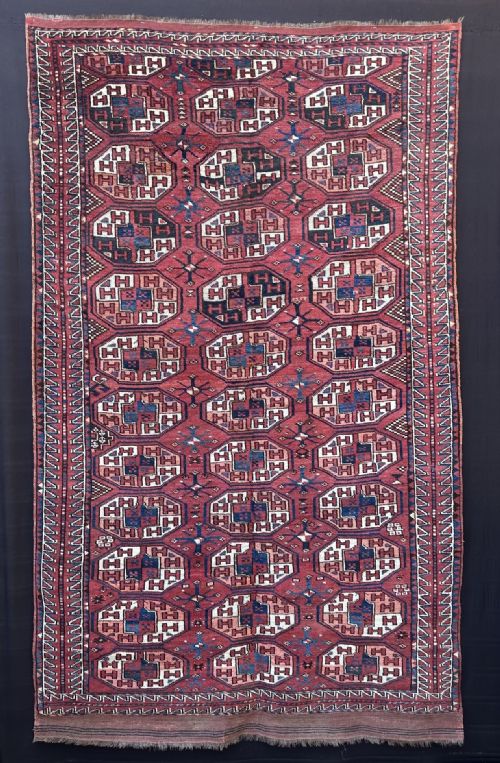
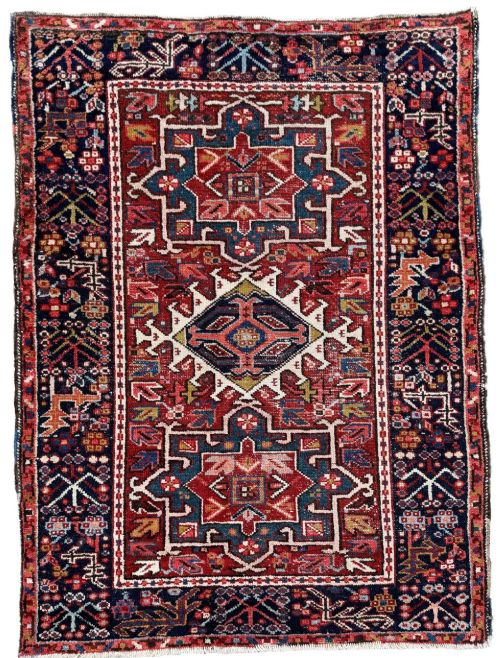
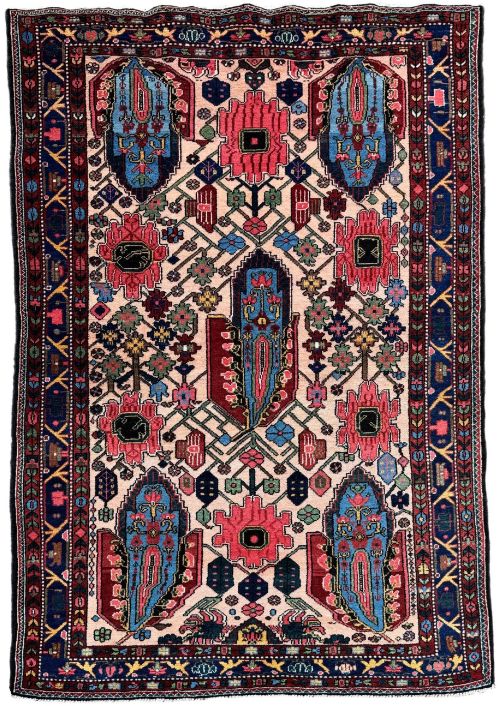
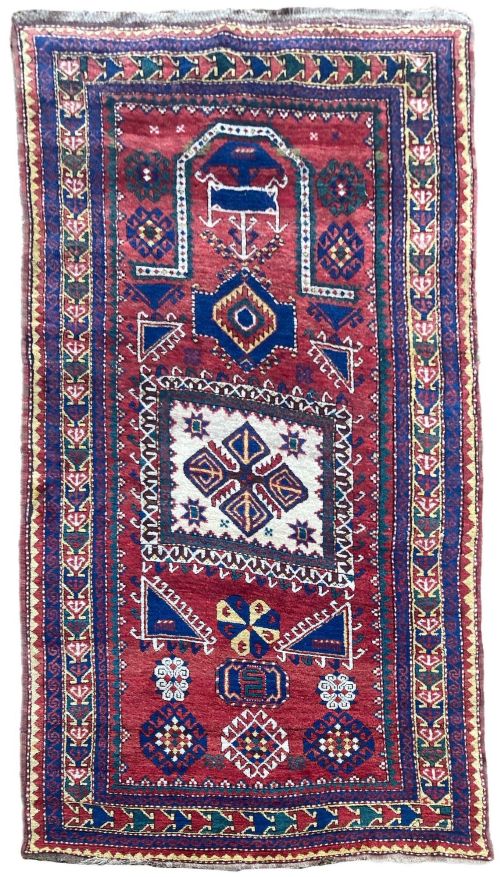
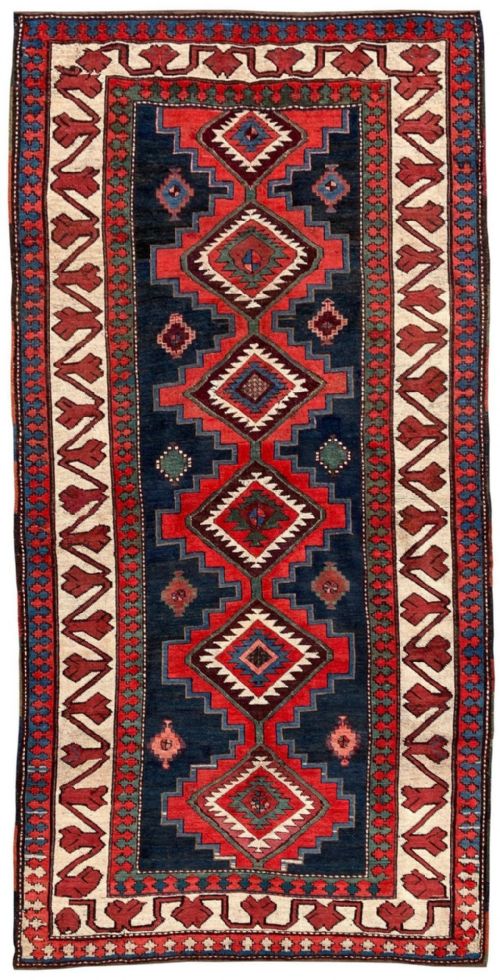
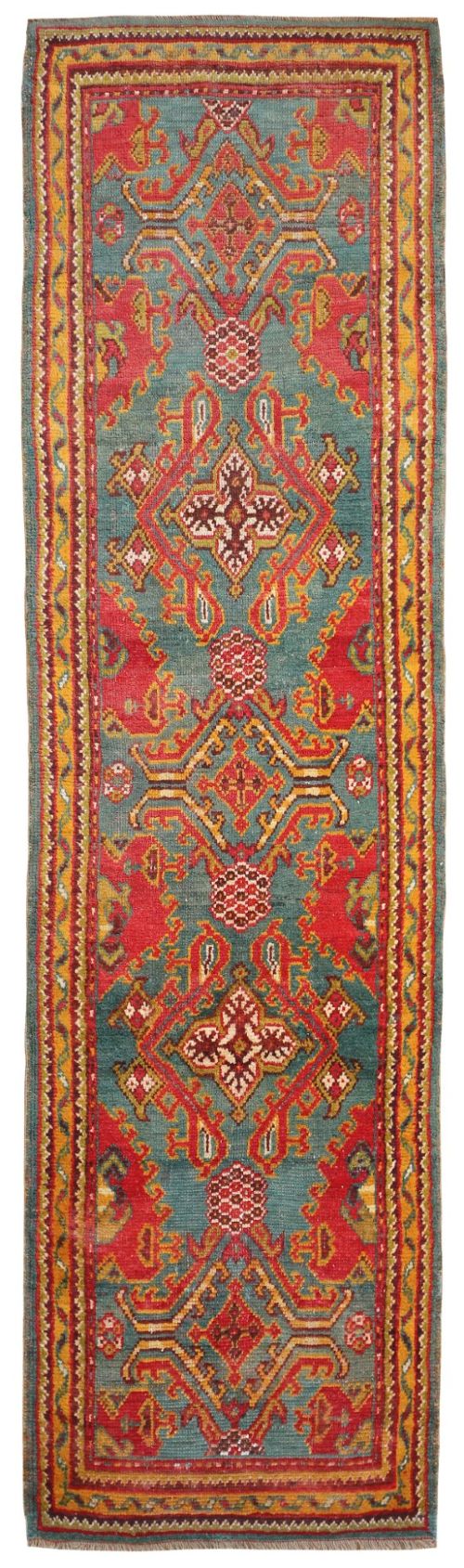
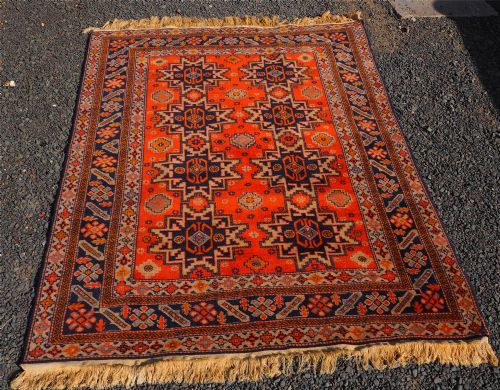
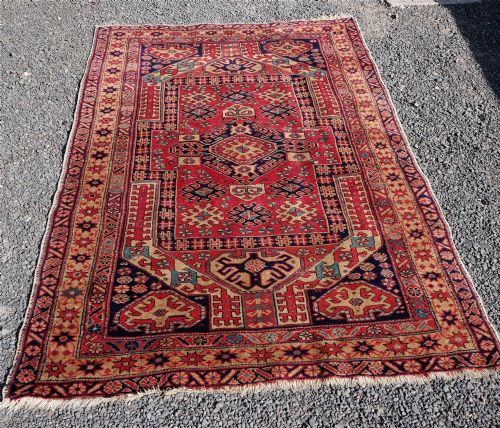
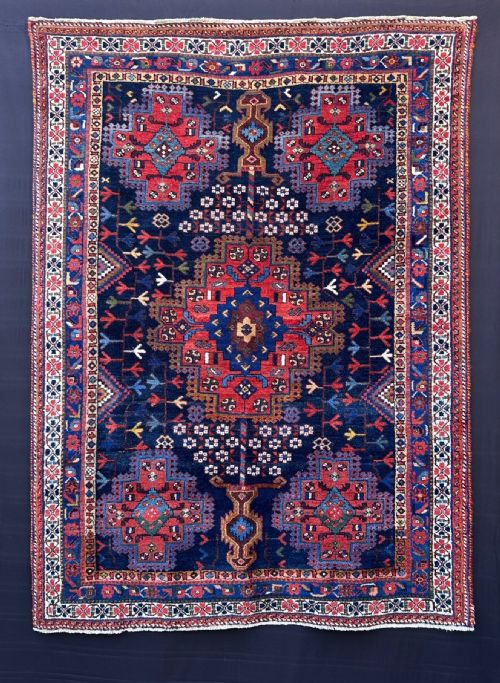
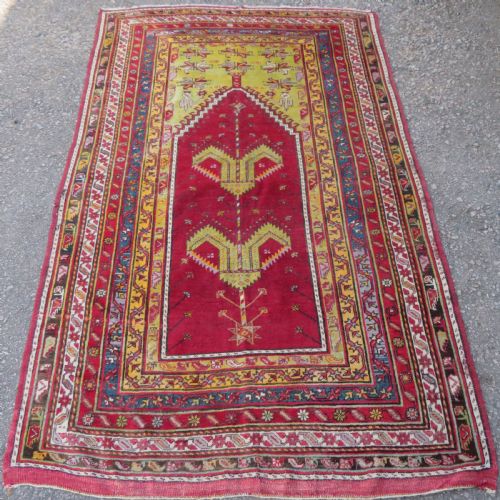
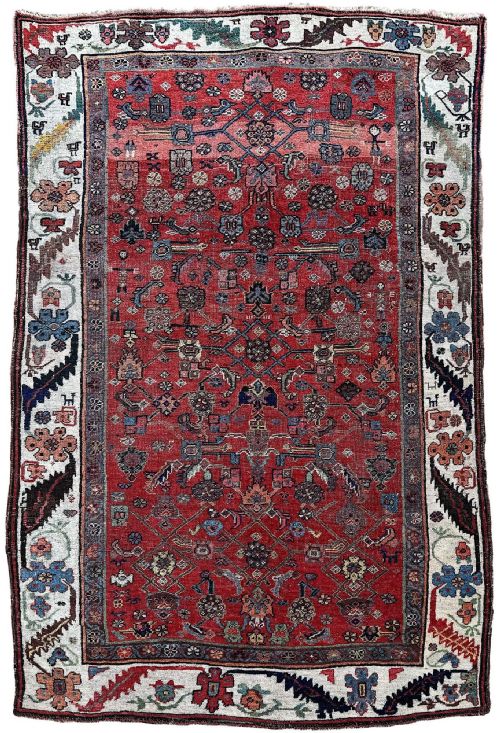
A traditional tribal area rug is a hand-knotted or flat-woven textile produced by nomadic and village groups across Persia, the Caucasus, Anatolia, and Turkmenistan. These textiles serve practical floor coverings, tent decorations, and prayer mats, bearing geometric and stylized floral motifs passed down through generations.
The traditional tribal area rug versions most commonly met here span from the late nineteenth century through to the 1930s. Buyers encounter formats ranging from small hearth rugs and prayer rugs to room-sized runner rugs and main carpets originating from specific regional groups like the Kazak, Baluch, and Yomut.
Regional aesthetics define these pieces, showing distinct palettes and structural characteristics particular to their makers. Persian and Caucasian examples dominate the selection, offering rich reds, blues, and warm mellow hues embedded in wool foundations.
Materials and construction methods
Construction relies primarily on wool for both the pile and the foundation threads, occasionally supplemented by cotton foundations in later village pieces and camel hair for specific natural tones. Hand-spun wool provides the tactile durability and variable texture characteristic of these older floor coverings.
Natural dyes impart the deep colour palettes seen across these textiles, reacting to botanical and mineral sources over decades of light and wear. Hand-woven techniques incorporate both pile knots and flat-woven kilim structures, executed on portable horizontal looms set up by nomadic weavers.
Traditional Tribal Area Rug Retail Price Guide 2026
Typical asking prices for traditional tribal area rug among the pieces listed under this phrase on Sellingantiques today, from the lower quarter to the upper quarter. They describe what is for sale here now, not the wider market.
Listings feature wool and cotton materials from periods spanning the late 19th century through to 1930.
Distinctions in quality and execution
Quality separates through the integrity of the wool, the precision and tightness of the knotting, and the depth achieved by natural dyes. Superior examples display crisp geometry in medallions and borders, showing confident execution by the weaver.
The handling of secondary wool and the retention of original side cords and end finishes dictate the structural survival of a textile. Pieces exhibiting harmonious colour saturation and balanced proportions represent the higher tier of village production.
The Traditional Tribal Area Rug Glossary
- Kilim
- A flat-woven carpet or rug produced without a pile. These lighter textiles rely on interlocking warp and weft threads to create sharp geometric patterns.
- Prayer Rug
- A smaller rug featuring a mihrab or arch design indicating the direction of prayer. Weavers designed these specific formats for devotional use.
- Gul
- A medallion or repeating octagonal motif used extensively by Turkmen and Baluch tribes. Each design often identifies the specific clan or tribal group.
- Mihrab
- The arched niche depicted on prayer rugs, representing the direction toward Mecca. This architectural motif anchors the symbolic layout of the textile.
Traditional Tribal Area Rug: Frequently Asked Questions
What is a traditional tribal area rug?
A traditional tribal area rug is a hand-woven or hand-knotted floor covering made by nomadic or village weavers in regions such as Persia, the Caucasus, and Central Asia. These pieces utilise wool and natural dyes to create geometric patterns and regional designs.
Production methods remained tied to domestic or tribal workshops through the nineteenth and early twentieth centuries. Each rug reflects the cultural motifs and practical requirements of the community that produced it.
How do I care for a traditional tribal area rug?
Living with these textiles requires gentle maintenance, primarily through regular light vacuuming without a rotating brush roll. Keeping them out of direct sunlight preserves the natural dyes used in the wool.
Professional cleaning suited for antique textiles ensures the wool and cotton foundations remain stable. Placing a quality underlay beneath the rug prevents slipping and reduces fibre friction against hard floors.
How do I tell regional styles apart?
Regional styles reveal themselves through specific colour palettes, structural materials, and repeating motifs like guls or cruciform medallions. Caucasian rugs often present bold, primary colours and stark geometric layouts.
Persian and Anatolian village pieces frequently incorporate more curved floral elements alongside traditional tribal symbols. Examining the weave density and edge finishes provides further clues to geographic origin.
Are these rugs suitable for daily foot traffic?
Wool construction combined with sturdy hand-knotting makes these textiles resilient enough for everyday use in residential spaces. The natural lanolin in hand-spun wool resists dirt and cushions the pile against wear.
Placing rugs in moderate traffic areas allows them to endure while developing a softer patina over time. Regular rotation ensures even exposure and wear across the surface.