
Central Asian Wool Rug
A central asian wool rug brings nomadic heritage into a room through rich tribal motifs and durable hand-woven textiles.
Central Asian Wool Rug
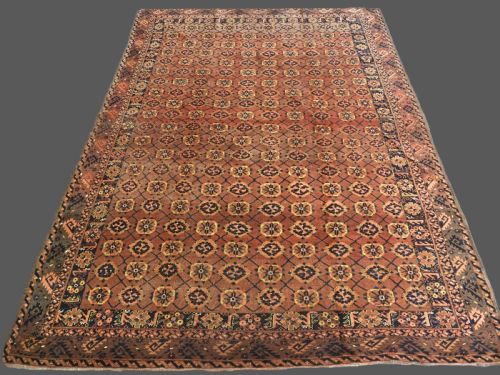
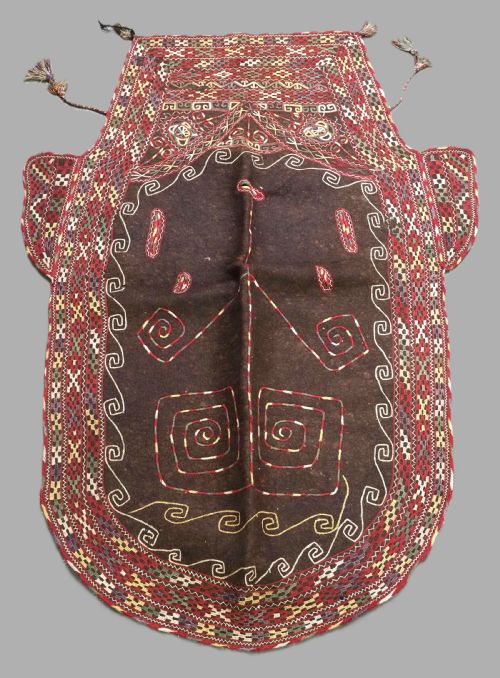
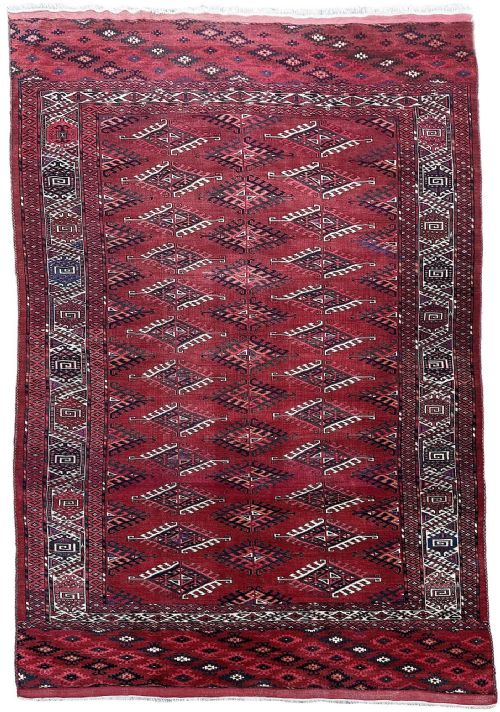
Buyers encounter formats ranging from large main carpets to smaller utilitarian items like torbas, chuvals, and felt horse blankets. These textiles date primarily from the late nineteenth century through the early twentieth century, reflecting traditional tribal patterns and practical nomadic functions.
How they were made
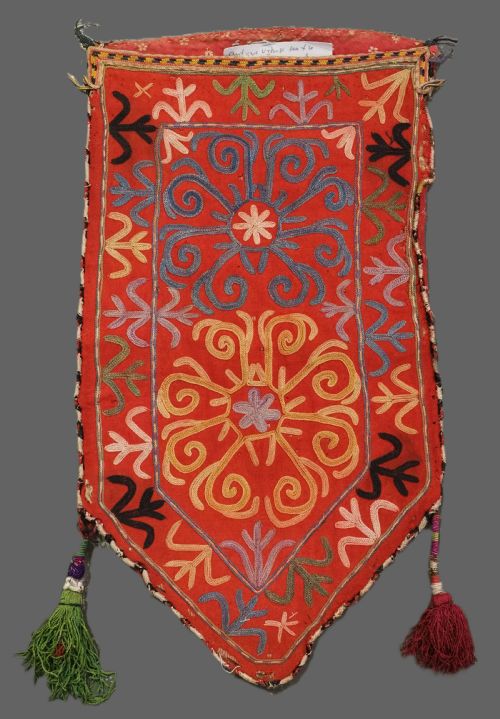
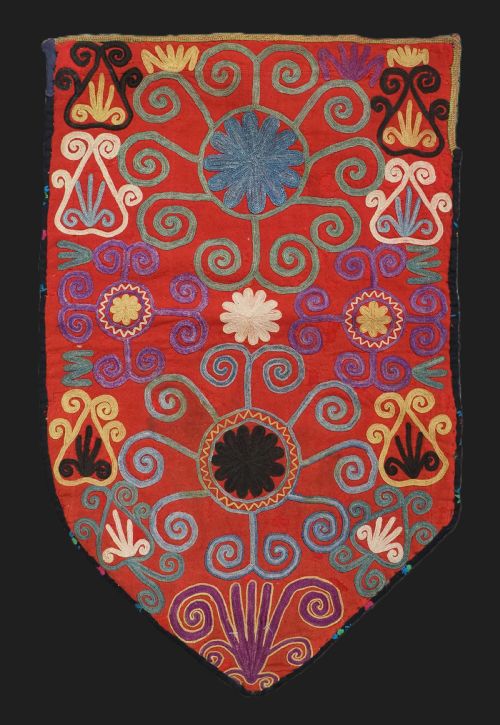
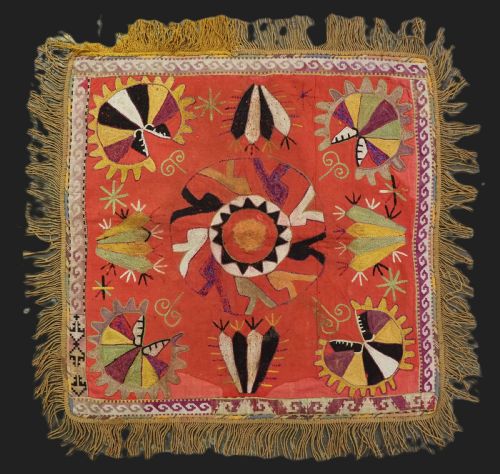
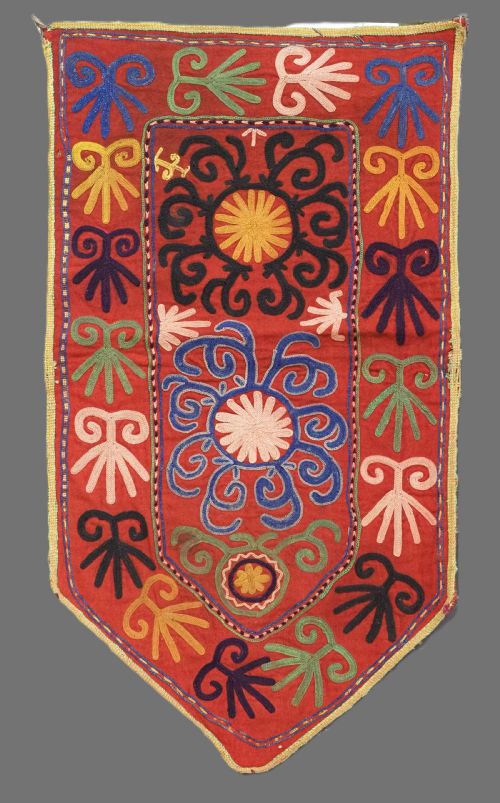
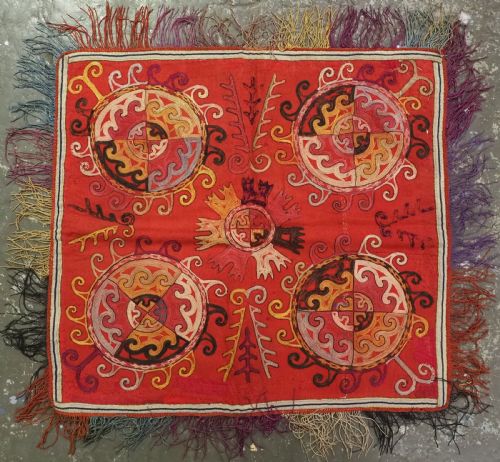
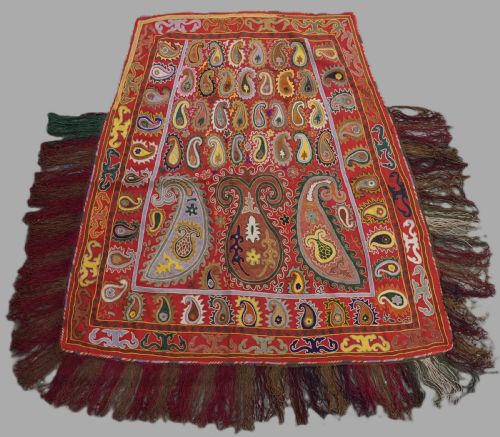
Weavers utilised hand-spun wool and natural dyes to construct durable floor coverings, wall hangings, and ceremonial horse covers. Cotton and silk threads frequently appear alongside wool in embroidered elements, notably within Uzbek Lakai dowry pieces.
Construction techniques include traditional pile weaving on vertical or horizontal looms, as well as felted wool construction and detailed surface embroidery. Artisans combined these foundational textiles with cotton thread or silk thread to reinforce edges and add decorative motifs.
Central Asian Wool Rug Retail Price Guide 2026
Typical asking prices for central asian wool rug among the pieces listed under this phrase on Sellingantiques today, from the lower quarter to the upper quarter. They describe what is for sale here now, not the wider market.
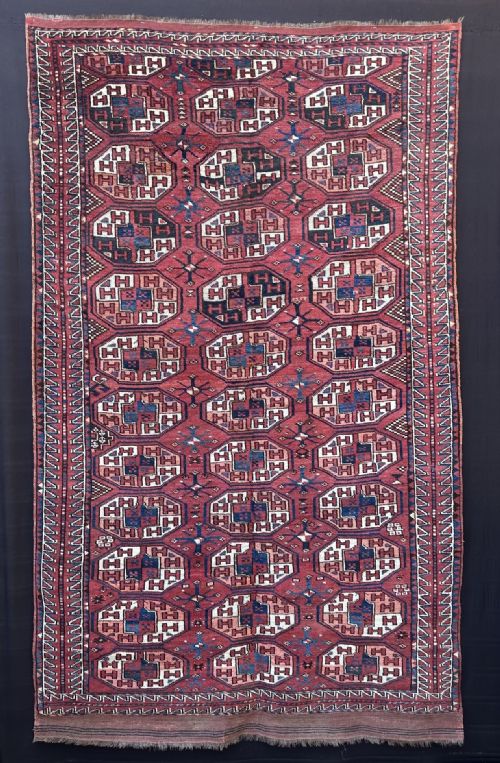
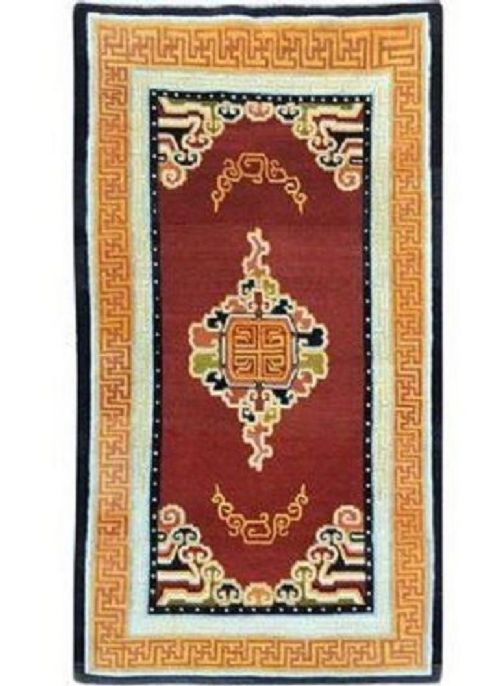
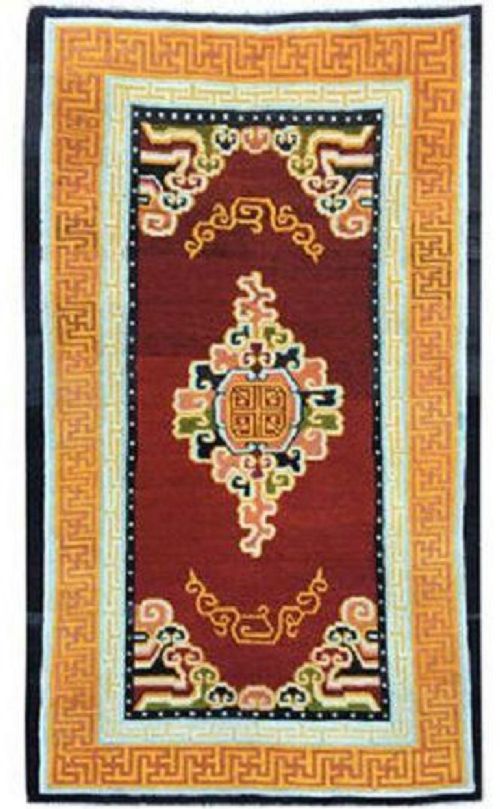
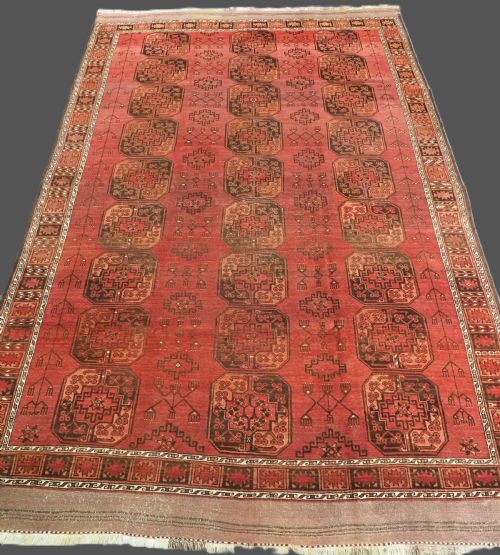
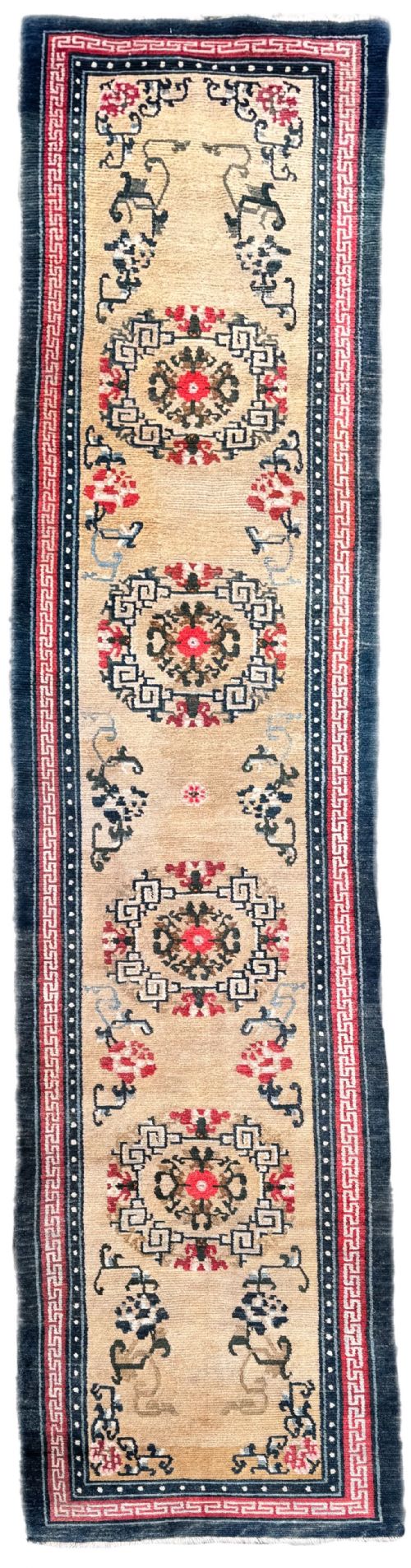
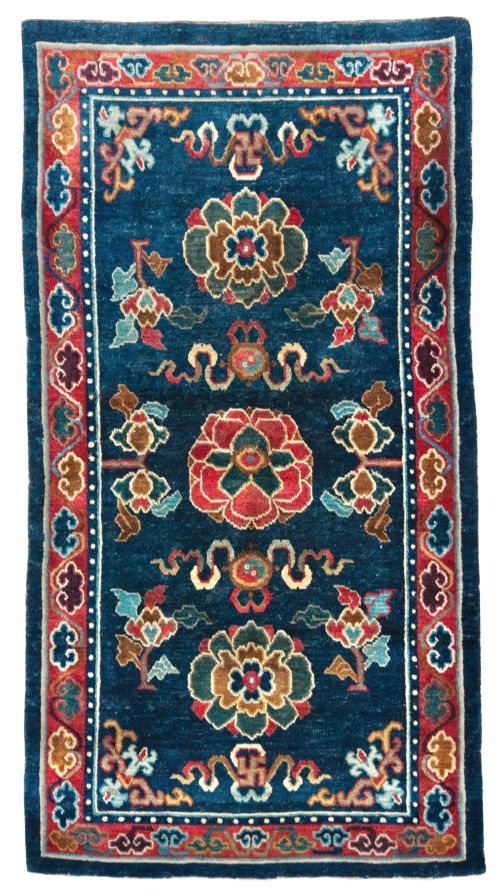
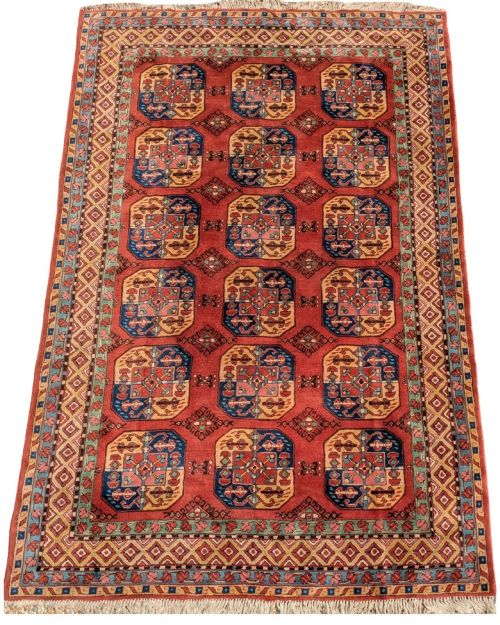
The inventory encompasses Turkmen tribal carpets, Uzbek Lakai embroideries, and Tibetan runners, highlighting diverse Central Asian craft traditions.
What varies in quality
The standard of a central asian wool rug depends on the tightness of the weave, the clarity of the tribal design, and the survival of natural dye colours over time. Finer knots and carefully prepared hand-spun wool produce a denser pile that withstands decades of handling.
The integrity of original details, such as tassels, selvedges, and complex embroidery work on saddle covers or tent bands, distinguishes exceptional tribal pieces from standard examples. Regional specificity in design attribution also influences the character of each textile.
The Central Asian Wool Rug Glossary
- Asmalyk
- A pentagonal trapping produced by Yomut tribes, traditionally hung inside a yurt or used during wedding processions. These decorative textiles display distinctive geometric layouts.
- Chuval
- A large tent bag used by Turkmen nomads for household storage inside a yurt. They feature patterned faces executed in heavy wool pile.
- Ilgich
- An embroidered dowry hanging produced by the Lakai tribe of Uzbekistan. These works utilise silk thread on felted or woven wool backings.
- Torba
- A small wall-hanging bag utilised within nomadic tents for storing personal items. They display characteristic tribal gul motifs across the face.
Central Asian Wool Rug: Frequently Asked Questions
What is a central asian wool rug?
A central asian wool rug is a hand-woven or embroidered textile created by nomadic and village groups across Turkmenistan, Uzbekistan, and neighbouring regions. These pieces include floor carpets, saddle covers, tent bags, and wall hangings produced during the nineteenth and early twentieth centuries.
They reflect the distinct cultural motifs of tribes such as the Yomut, Ersari, and Lakai. Each item served a practical or ceremonial purpose within nomadic domestic life.
How do I use a tribal rug at home?
These textiles function effectively as floor coverings in low-traffic areas or as decorative wall hangings given their historical status as tribal art. Smaller formats like saddle covers and tent bags suit placement on tables, benches, or smaller wall spaces.
Ploacing them away from direct sunlight preserves the natural dyes used in their construction. Allowing wool fibres to breathe helps maintain the integrity of the weave.
How are different tribal designs identified?
Tribal designs are identified by recurring geometric motifs, border patterns, and specific colour palettes associated with particular groups. For instance, Ersari and Yomut carpets feature distinct gul medallions and structural arrangements unique to their respective weavers.
Familiarity with regional weaving traditions and specific artefact types, such as asmalyks or torbas, aids in distinguishing one tribal style from another.
What materials are found in these rugs?
The primary material is hand-spun wool, often combined with cotton foundations and additional wool or cotton pile. Natural dyes provide the underlying palette for both woven carpets and embroidered felt pieces.
Silk thread frequently appears in the detailed embroidery work of Uzbek Lakai dowry pieces. Felted wool is also utilised in specific ceremonial horse blankets and covers.