

Antique Red Carpet
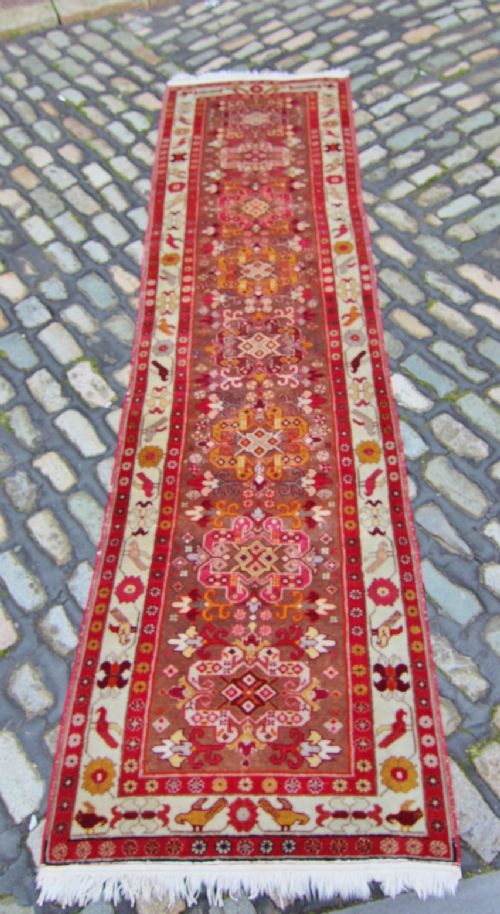
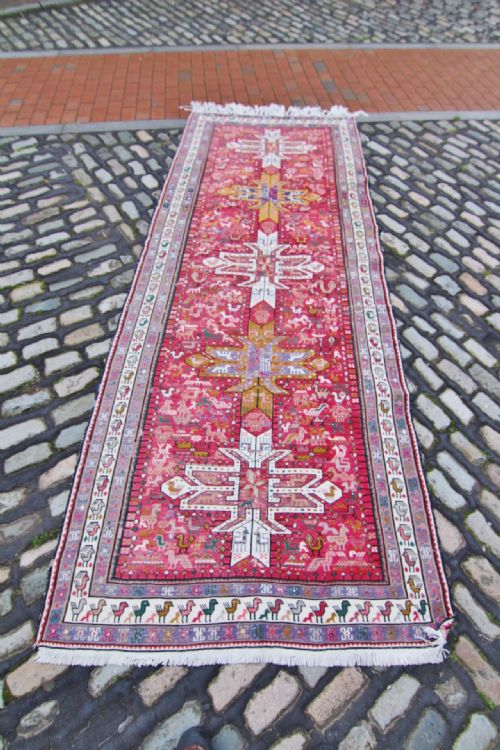
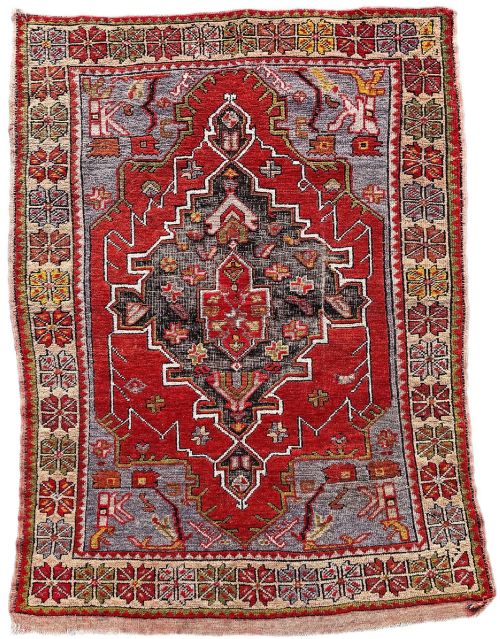
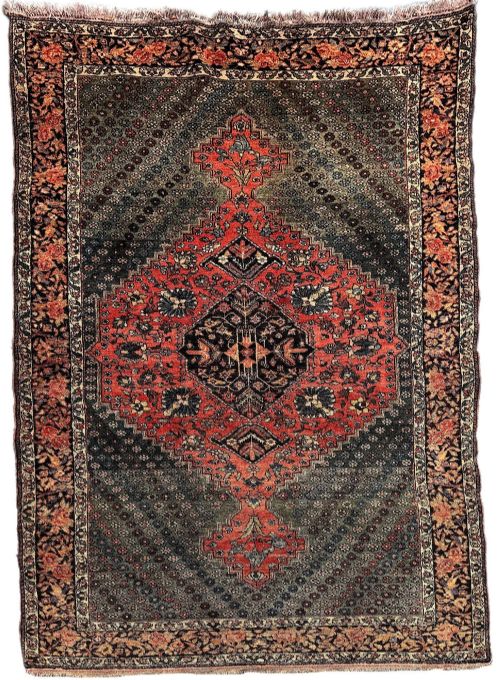
An antique red carpet anchors a room with rich tones of crimson, madder, and terracotta woven across centuries.
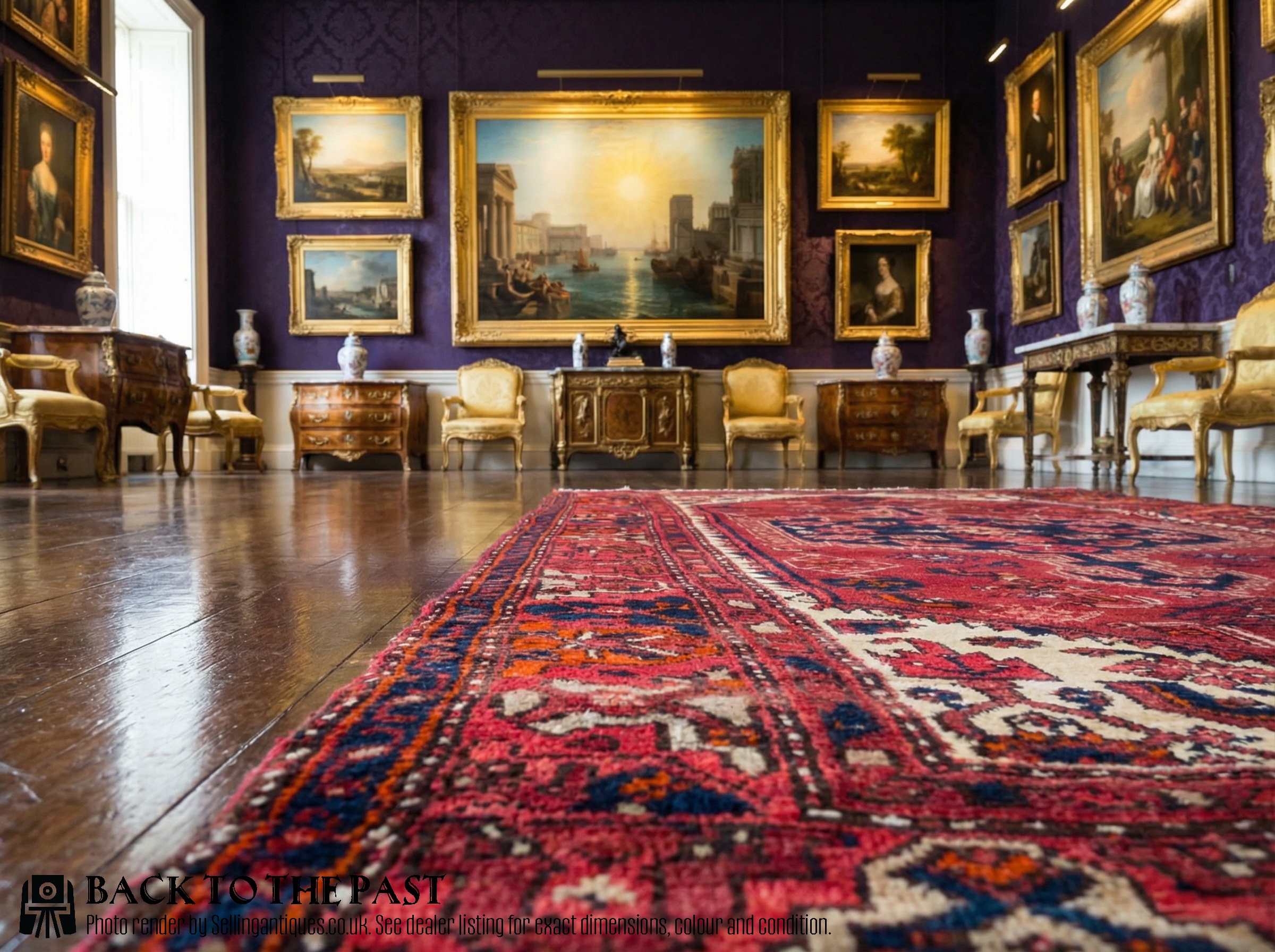
Antique Red Carpet
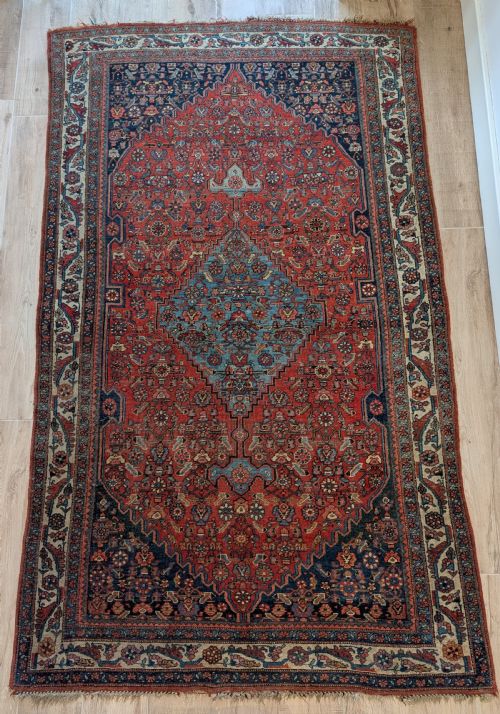
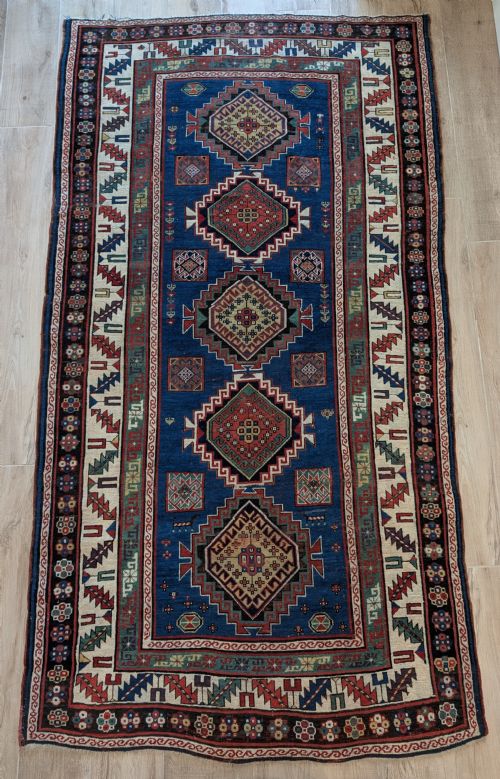
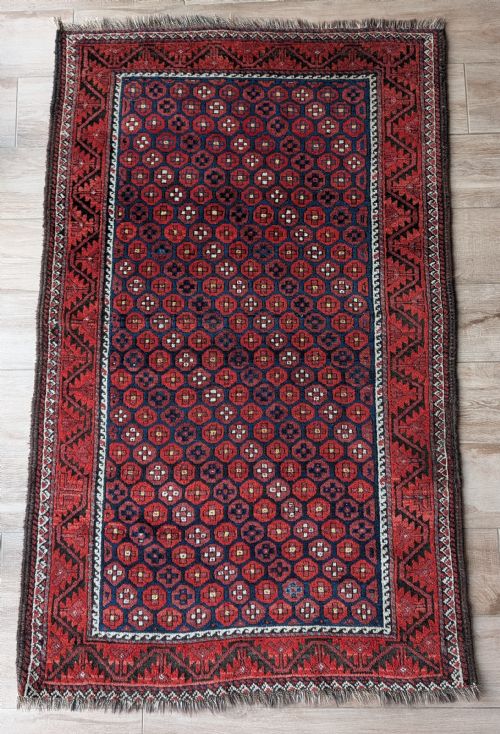
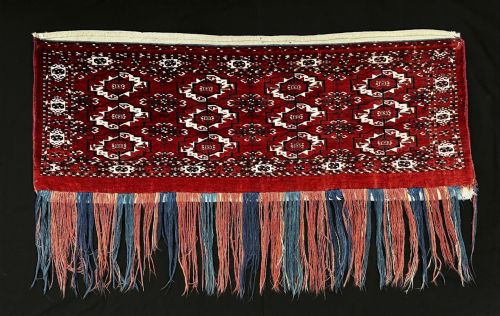
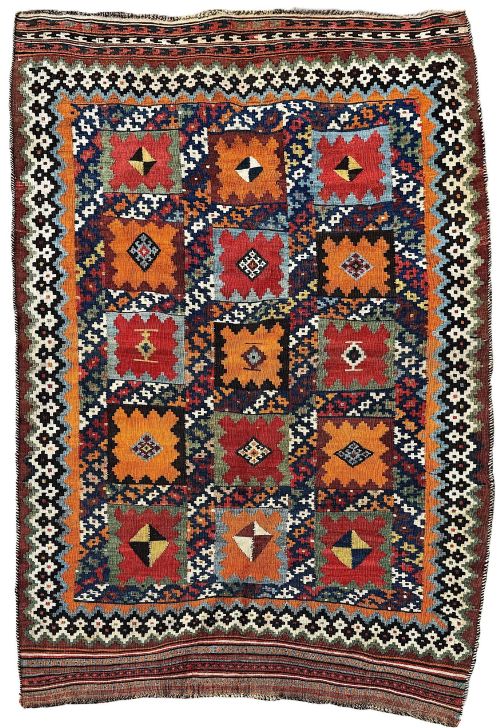
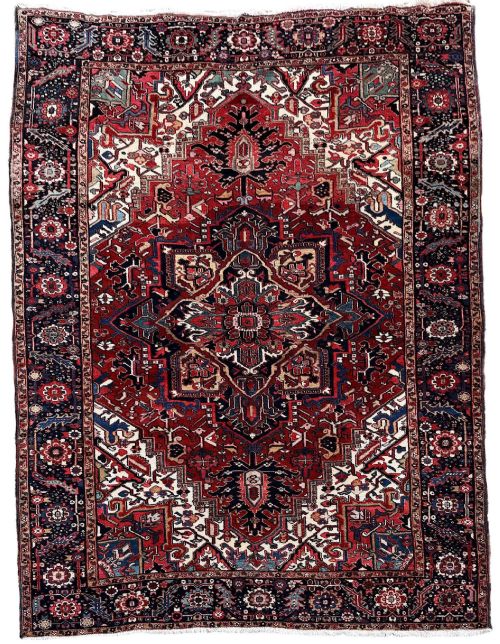
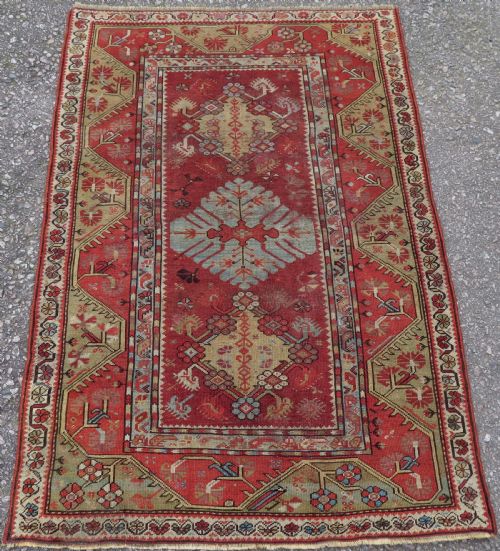
When searching for an antique red carpet, buyers encounter hand-knotted and flat-woven floor coverings originating predominantly from Persia, the Caucasus, Anatolia, and Turkmenistan. These textiles span periods from the early nineteenth century through to the 1930s, displaying rich crimson, terracotta, and rust grounds.
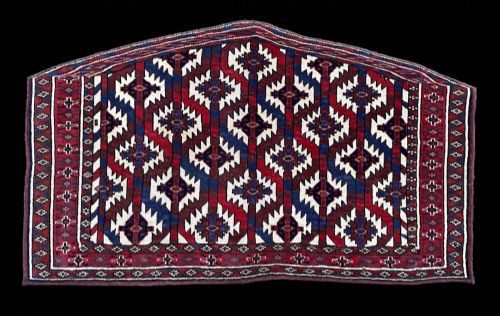
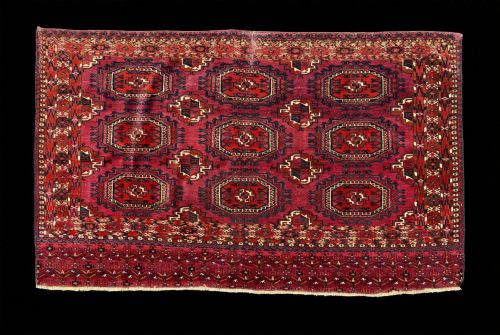
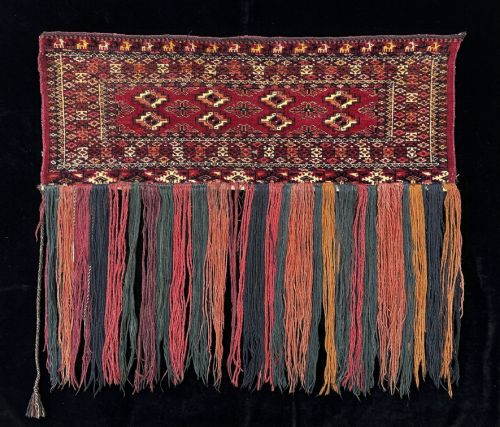
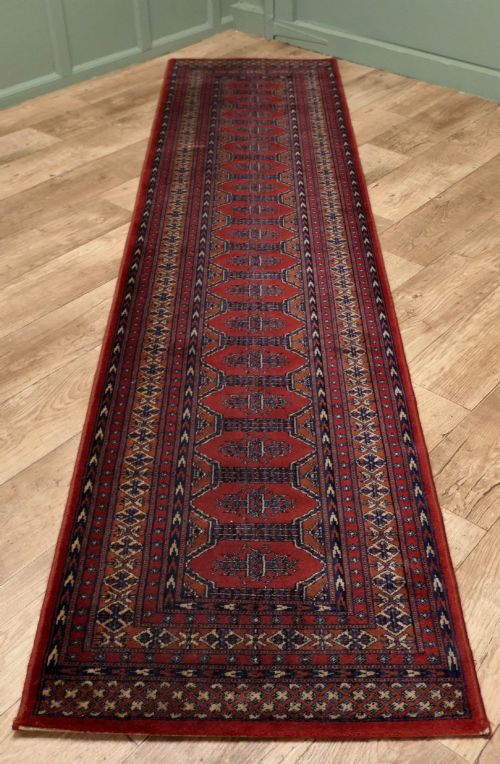
The selection ranges from large room-size carpets such as Heriz, Tabriz, and Ushak productions down to smaller tribal formats including Yomut, Tekke, and Ersari main carpets. Prayer rugs, runners, and village pieces also appear frequently, featuring traditional medallions, geometric guls, and all-over designs.
Many examples utilise warm red fields accompanied by contrasting blues, ivories, and browns. Buyers will find both finely knotted city rugs and coarser tribal weaves produced with organic materials.
How they were made
Weavers constructed these pieces primarily using hand-spun wool for the pile, foundations, and warps, occasionally incorporating cotton threads or silk highlights for structural definition and contrast. The dyes applied to these wool fibres derived from natural sources, yielding deep plum, warm pink, and earthy red tones that mellow gracefully over time.
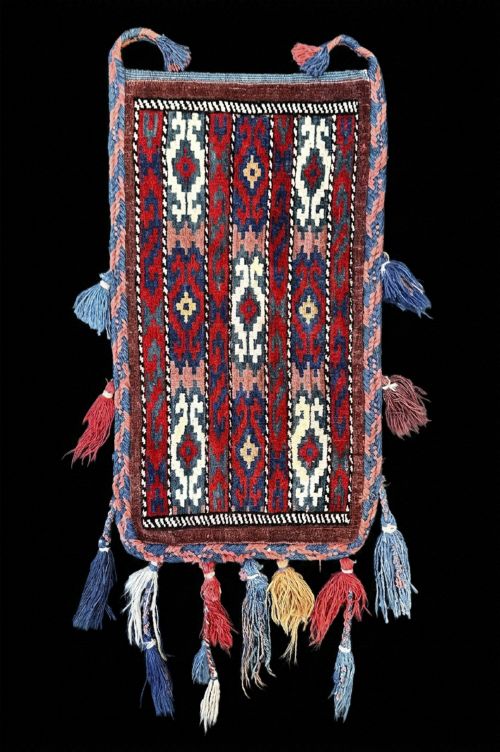
Nomadic and village workshops employed horizontal or vertical looms to knot the wool firmly by hand, whilst flat-woven kilims and soumaks relied on interlocking or wrap-weft techniques without a cut pile. Ceremonial items also utilised felted wool and embroidery to create dense, durable textiles.
Antique Red Carpet Retail Price Guide 2026
Typical asking prices for red carpet among the pieces listed under this phrase on Sellingantiques today, from the lower quarter to the upper quarter. They describe what is for sale here now, not the wider market.
Some Yomut tribal gatherings involved weaving embroidered felt horse blankets to keep nomadic mounts warm during chilly Central Asian winters.
What varies in quality
Knot density and the precision of the geometric or curvilinear draftsmanship largely determine the execution of the piece. Finer urban workshops achieved intricate detail and tight foundations, whereas tribal pieces prioritized robust wool and saturated colour over complex symmetry.
The integrity of the natural dye palette and the retention of original borders and selvedges dictate the overall preservation of the textile. Pieces retaining deep, unwashed madder reds and even pile wear sit at the upper end of the spectrum.
The Antique Red Carpet Glossary
- Mihrab
- The arched niche design found on prayer rugs, symbolising a doorway to paradise. This architectural motif often points the user towards Mecca during daily devotions.
- Gul
- A repeating medallion or octagonal motif frequently utilised in Turkmen tribal carpets and main rugs. Each design often signifies a specific clan or tribal lineage.
- Soumak
- A flat-weaving technique where decorative weft threads are wrapped across the warp yarns to create a textured, durable surface. This method produces sturdy rugs without a cut pile.
- Selvedge
- The bound or reinforced edge running along the parallel sides of a carpet to prevent fraying. Original selvedges indicate that a rug retains its intended width.
- Madder
- A natural dye extracted from the roots of the Rubia plant, providing the foundational red tones seen across Persian and Anatolian carpets. It yields durable shades varying from bright crimson to deep terracotta.
Antique Red Carpet: Frequently Asked Questions
How do I date an old red carpet?
Dating relies on stylistic markers, structural analysis, and the chemical composition of the dyes used in the wool. Comparing knot counts and regional motifs against documented examples helps narrow down the decade or century of origin.
Changes in commercial dye introduction during the late nineteenth century also provide a reliable benchmark for distinguishing earlier natural-dyed pieces from later productions.
How do I care for antique wool carpets?
Preservation involves regular gentle vacuuming without rotating brush heads to prevent fibre damage and pulling. Keeping the textile away from direct, harsh sunlight prevents the natural red and blue dyes from fading prematurely.
Using a breathable underlay helps cushion the wool against hard flooring and reduces friction during daily foot traffic. Professional cleaning should be undertaken sparingly by specialists in antique textiles.
What is the difference between a runner and a main carpet?
Runners feature an elongated narrow format specifically designed for hallways, corridors, and bedside placement. Their proportions emphasise repeated central medallions or continuous geometric borders.
Main carpets provide much larger surface areas intended to anchor principal living spaces or reception rooms, displaying expansive central fields and complex multi-tiered border guards.