




Antique Bukhara Rug
An antique bukhara rug brings rich tribal geometry and deep red wool into a room, offering centuries of Central Asian weaving tradition.
Antique Bukhara Rug
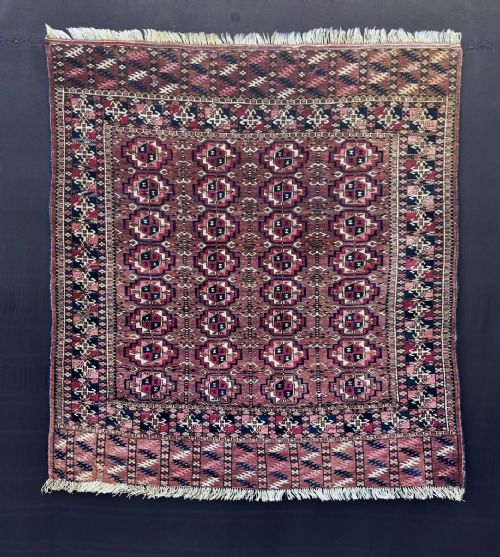
An antique bukhara rug encompasses tribal floor coverings and textiles originating from Central Asia, primarily associated with Turkmen groups such as the Tekke, Ersari, Saryk, and Yomut tribes, along with pieces from the Bukhara region. Buyers searching this phrase commonly encounter traditional floor rugs, smaller dowry or wedding pieces, and larger carpets featuring repeating octagonal or turreted motifs known as güls.
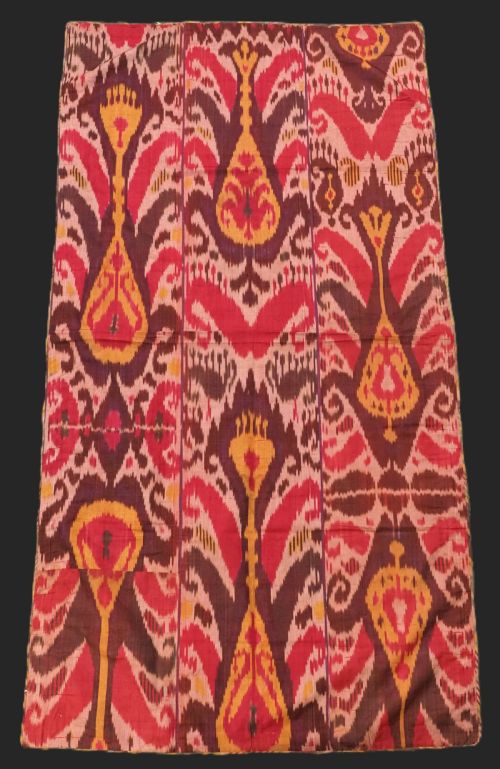
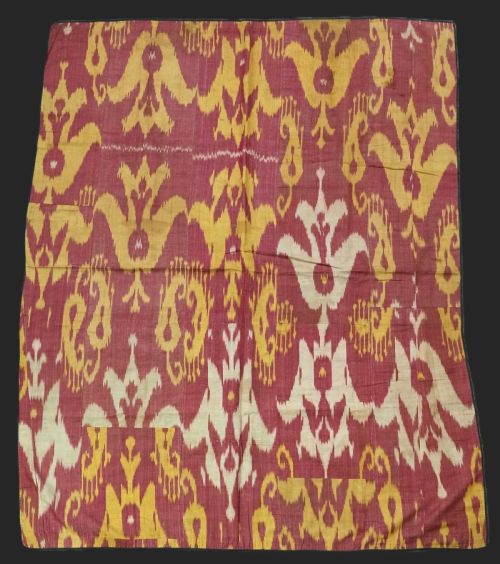
The selections span from the mid-nineteenth century through to the early decades of the twentieth century, capturing a period of traditional nomadic and village production. Alongside floor rugs, the inventory includes related textile panels and fabrics such as Uzbek ikat and suzani panels tied to the broader cultural sphere of Bukhara.
What varies in quality
The fineness of the weave and the precision of the repeating güls distinguish superior examples from simpler village output, reflecting the weaver's skill and time investment. Material selection also plays a role, with finer hand-spun wool and balanced natural dye palettes elevating a piece.
Overall structural integrity and the crispness of tribal design motifs set finer carpets and wedding rugs apart from standard utility runners and later village pieces.
Antique Bukhara Rug Retail Price Guide 2026
Typical asking prices for bukhara rug among the pieces listed under this phrase on Sellingantiques today, from the lower quarter to the upper quarter. They describe what is for sale here now, not the wider market.
Some carpets incorporate horsehair into the foundation to ensure the nomadic floor covering endured the daily stomp of camp life.
The Antique Bukhara Rug Glossary
- Gül
- An octagonal or medallion motif repeated across Turkmen and Bukhara carpets. These distinct geometric patterns often identify the specific tribe that wove the textile.
- Tekke
- A major Turkmen tribal group renowned for finely knotted rugs featuring orderly rows of guls. Their work forms a substantial portion of classical Central Asian weaving.
- Ersari
- A Turkmen tribe known for producing large carpets and main rugs with bold, spacious designs. Their palette frequently incorporates rich madder reds and diverse secondary motifs.
- Adras
- A traditional fabric woven from a blend of silk and cotton yarns. It serves as a common ground for ikat patterns found in the Bukhara region.
Antique Bukhara Rug: Frequently Asked Questions
How do I identify a Tekke rug?
Tekke rugs typically display precise rows of octagonal güls against a deep red field, often framed by complex geometric borders.
Closer inspection reveals fine knotting and traditional wool foundations characteristic of Turkmen output from the nineteenth and early twentieth centuries.
Where were these rugs made?
These textiles originate from Central Asia, encompassing regions associated with Turkmenistan, Uzbekistan, and the historic Emirate of Bukhara.
Nomadic tribes and village workshops produced them for domestic use, ceremonial dowries, and regional trade.
What is an ikat fabric panel?
An ikat panel is a decorative textile made by tie-dyeing yarns before weaving them into patterns with characteristic hazy outlines.
In the Bukhara region, these were often fashioned from semi-silk adras fabrics for domestic display.
How should I care for an antique rug?
Protect the wool and natural dyes by vacuuming gently without a rotating brush and keeping the textile away from direct sunlight.
Professional specialist cleaning is recommended to maintain the integrity of natural fibres and historical foundations.