




Antique Medallion Rug
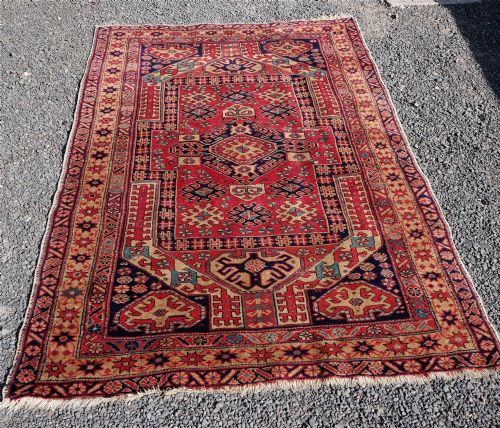
When you search for an antique medallion rug, you are looking at woven floor coverings structured around central ornamental motifs.
Antique Medallion Rug
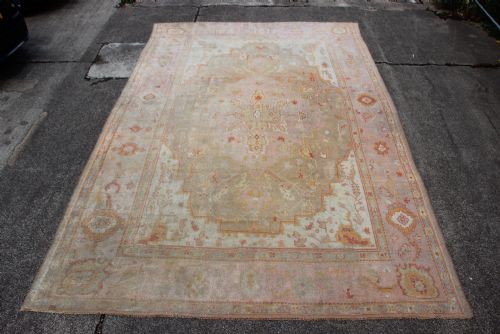
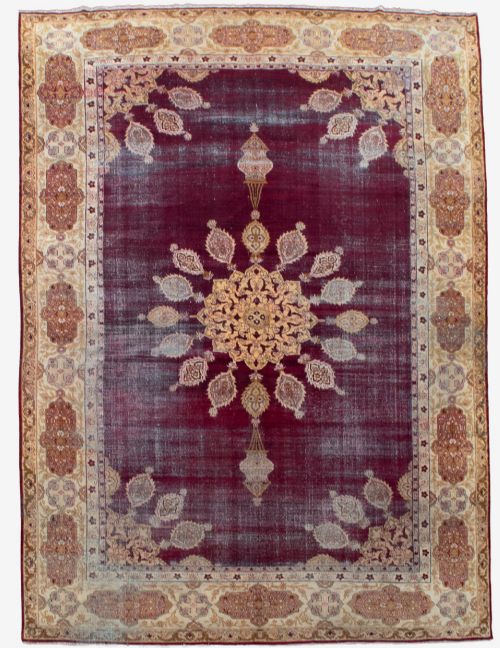
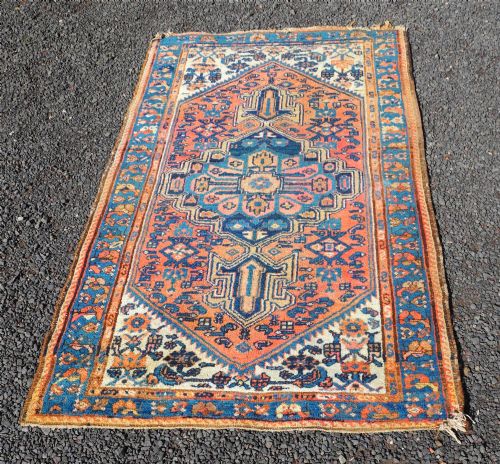
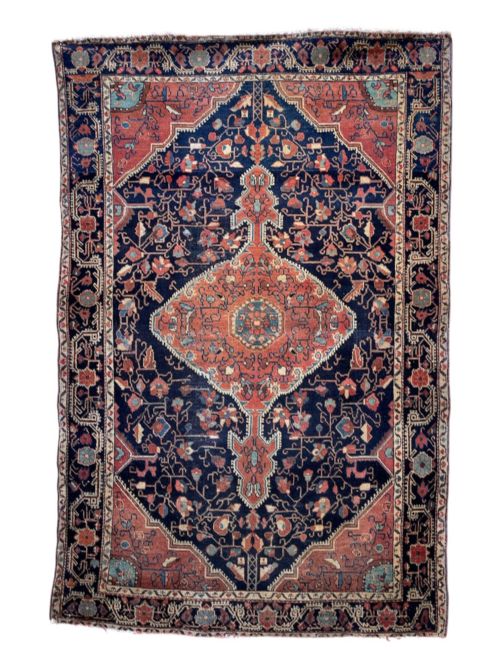
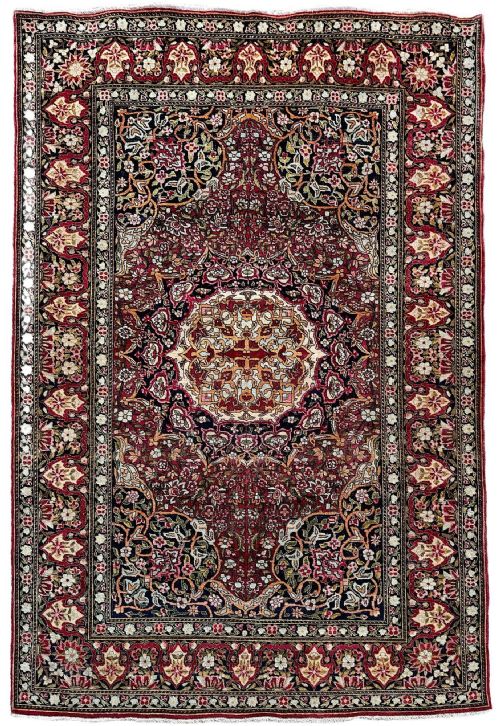
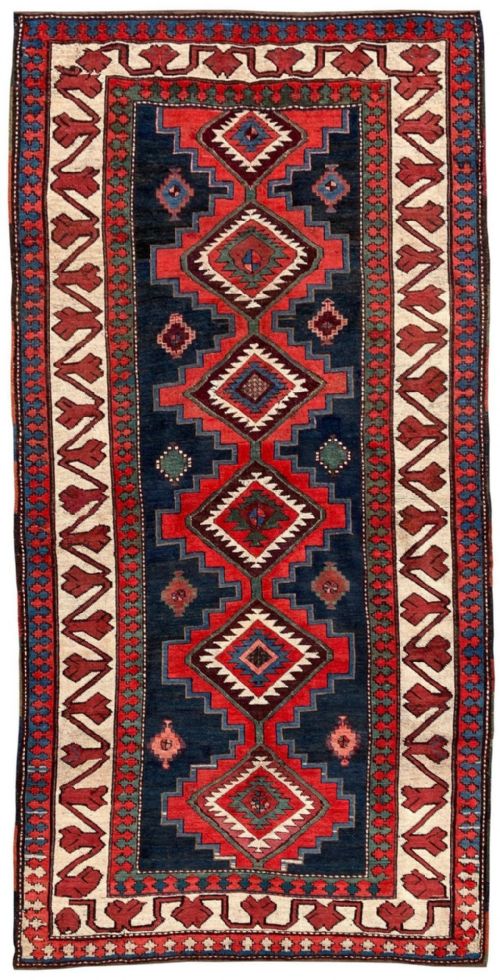
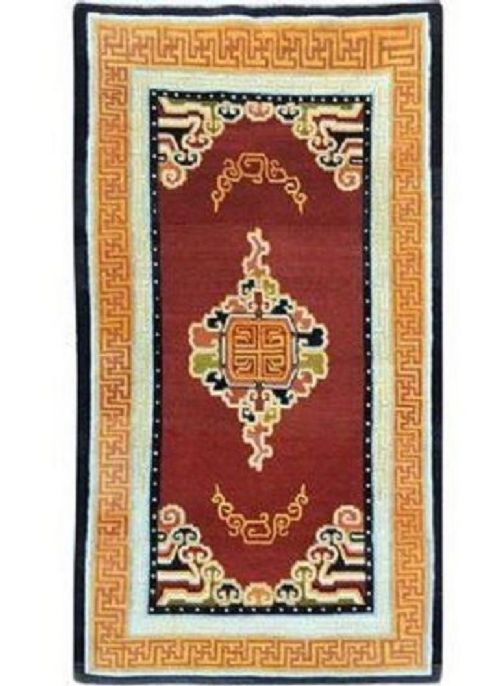
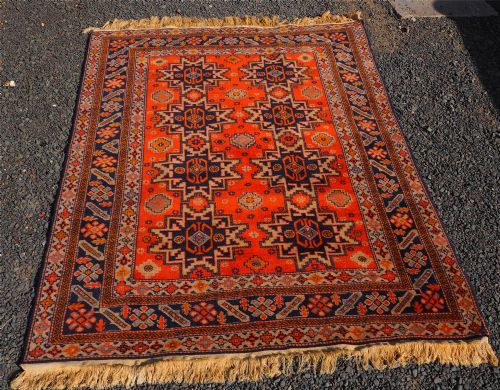
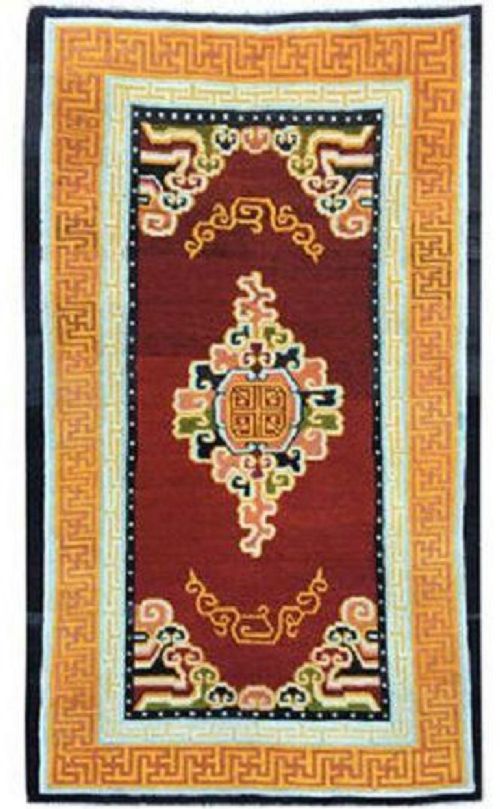
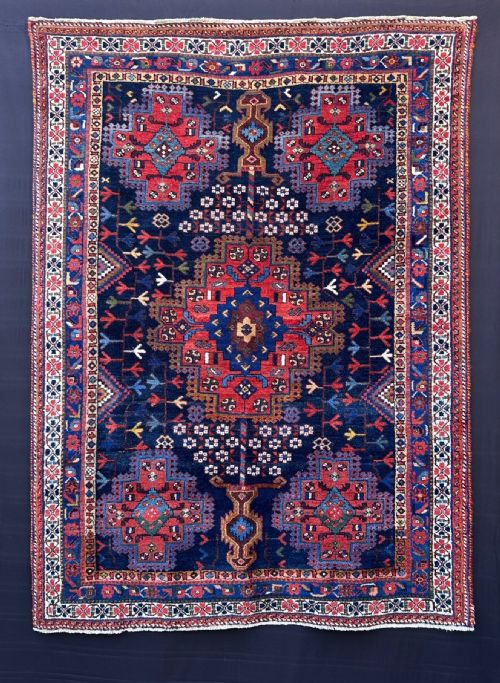
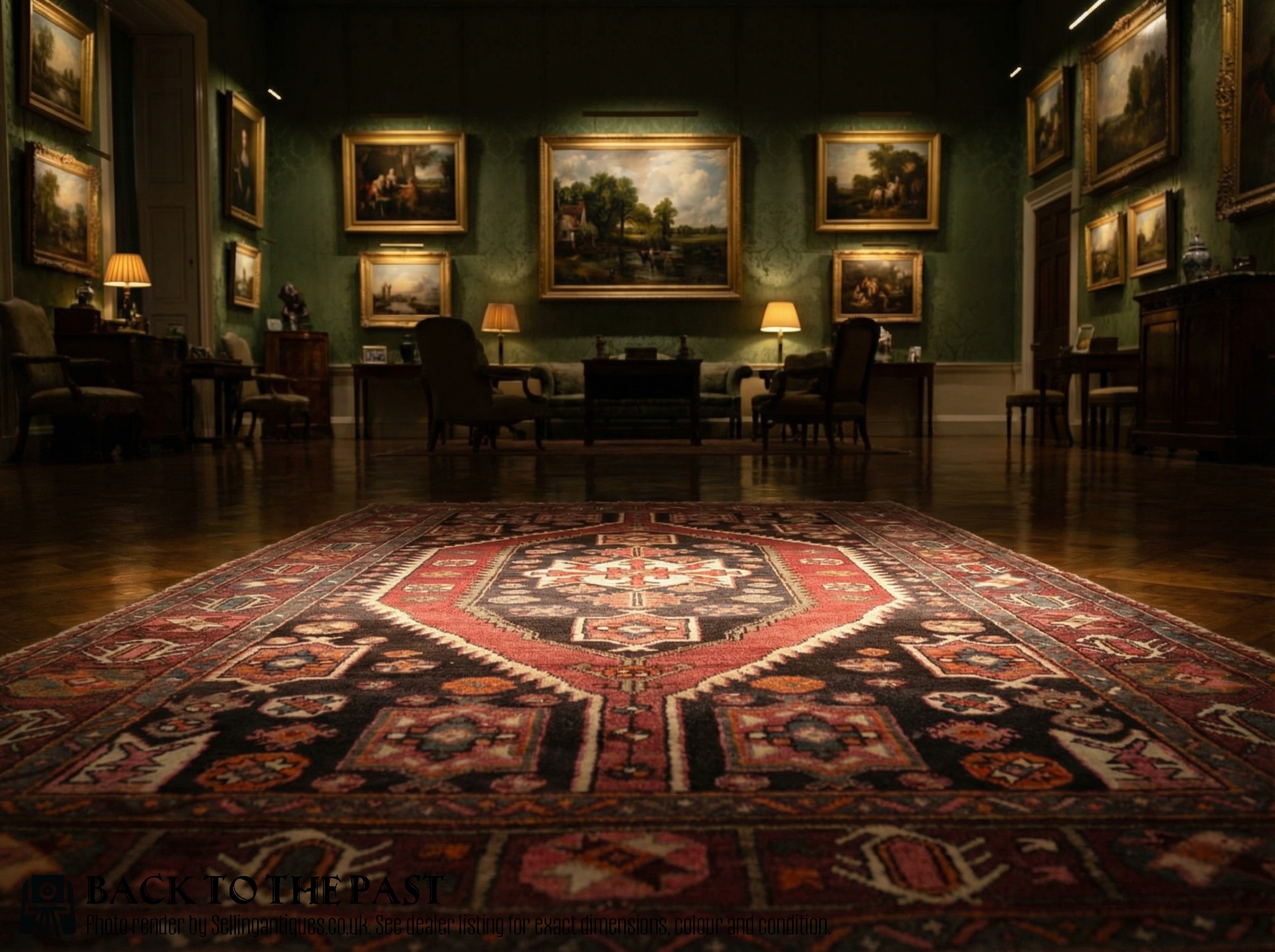
An antique medallion rug centres its composition around one or more geometric or floral motifs set against a distinct ground. These pieces originate from Persian, Caucasian, Turkish, and tribal workshops spanning the late nineteenth and early twentieth centuries.
The format appears across various scales, from small village rugs to long runners and larger carpets. Examples frequently display single, linked, triple, or repeat medallion arrangements accompanied by folk art figures or traditional border patterns.
Tribal and village pieces dominate the selection, bringing distinctive regional patterns like those associated with Kurdish, Khamseh, Qashqai, and Kazak weavers. Each version reflects the specific stylistic heritage of the region where it was knotted.
Qualities that distinguish examples
The refinement of the central design and the clarity of the surrounding motifs dictate visual success. Tightly knotted specimens achieve sharper graphic definition in geometric medallions and border elements.
Dye quality and the subtlety of colour shifts across the field distinguish finer weaving. Harmonious fading and rich secondary tones elevate the overall presence of the textile.
Antique Medallion Rug Retail Price Guide 2026
Typical asking prices for medallion rug among the pieces listed under this phrase on Sellingantiques today, from the lower quarter to the upper quarter. They describe what is for sale here now, not the wider market.
Listings feature pieces dated from the late nineteenth century through the early decades of the twentieth century, constructed from wool and cotton.
The Antique Medallion Rug Glossary
- Medallion
- The central ornamental motif that anchors the primary design of the rug. It often takes a geometric, floral, or hexagonal form.
- Pile
- The upright yarn loops that form the functional surface of the rug. It is typically knotted from wool onto a structural foundation.
- Warp
- The vertical foundation threads stretched tightly on the loom before knotting begins. Cotton and wool serve as the standard materials for these structural elements.
- Weft
- The horizontal threads passed between rows of knots to secure the pile in place. These threads bind the warp strands together across the width of the piece.
- Latch hook
- A recurring geometric motif featuring small projecting hooks along the edges of polygons. This graphic detail appears frequently in tribal and Caucasian weaving traditions.
Antique Medallion Rug: Frequently Asked Questions
What is an antique medallion rug?
An antique medallion rug is a hand-knotted floor covering featuring a prominent central design element surrounded by field patterns and borders.
These textiles originate from various nineteenth and early twentieth-century weaving traditions across the Near East and Caucasus.
How do I identify different regional styles?
Regional styles appear through distinct colour palettes, knotting structures, and specific motif arrangements like geometric polygons or floral sprays.
Comparing border designs and medallion shapes helps separate Caucasian pieces from Persian or Turkish village examples.
Where were these rugs made?
Production centres included tribal encampments, rural villages, and urban workshops across regions such as Persia, the Caucasus, and Anatolia.
Weavers utilised locally sourced wool and traditional dyeing methods native to each specific geographic area.
How should I care for an antique rug?
Proper maintenance involves regular gentle vacuuming without rotating brush heads and professional cleaning when necessary.
Keeping the textile away from direct sunlight preserves the natural dyes used in the wool pile.