





Caucasian Style Rug
A caucasian style rug brings geometric energy and tribal character into a room through bold patterns and rich woven textures.

Caucasian Style Rug
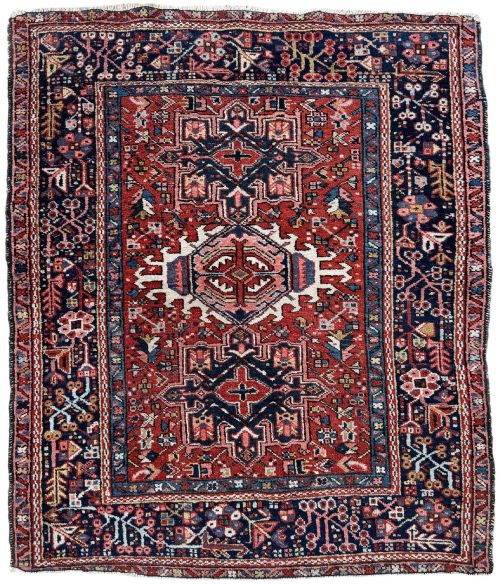
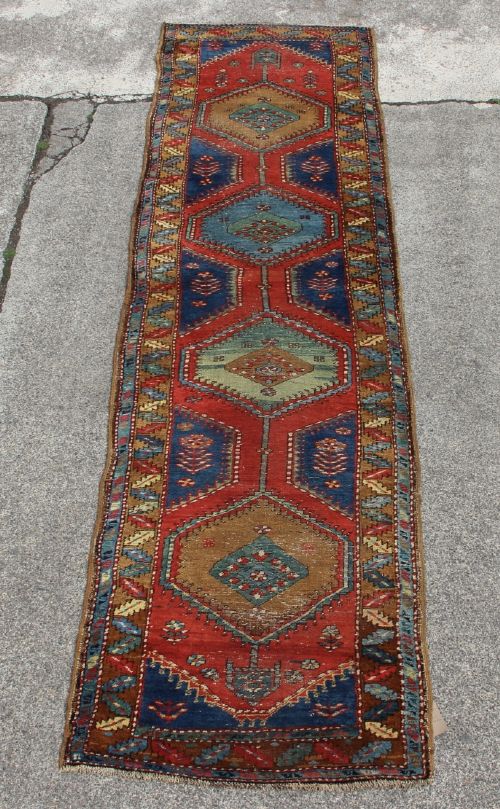
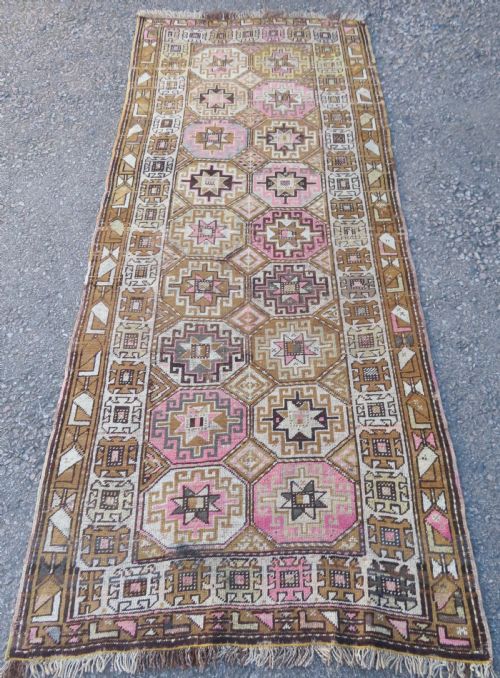
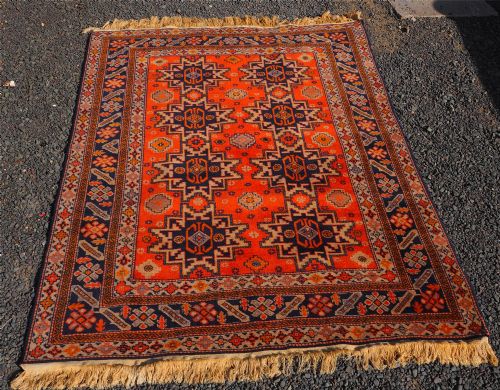
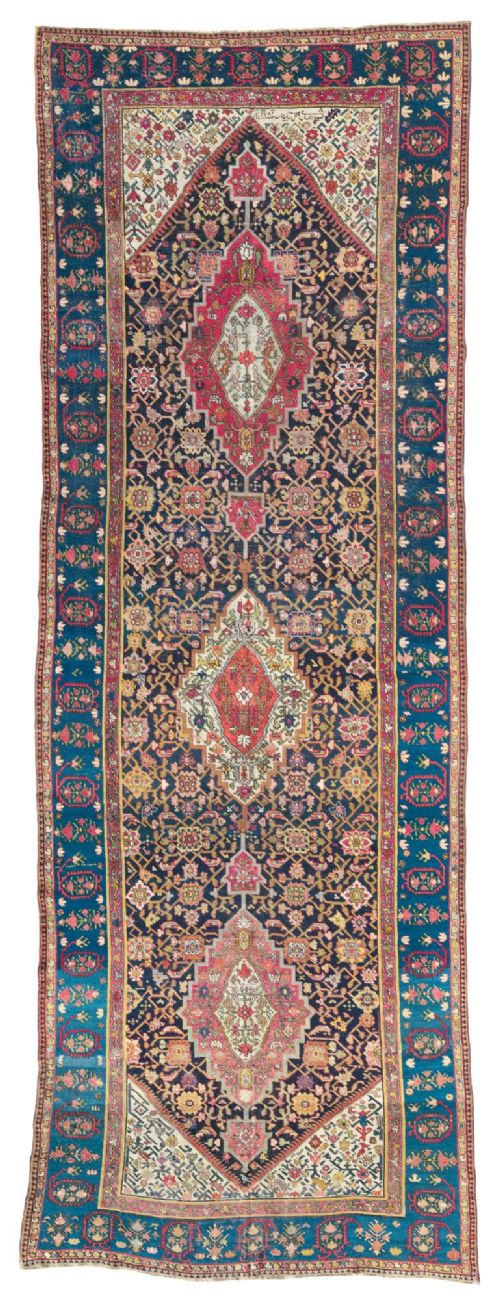
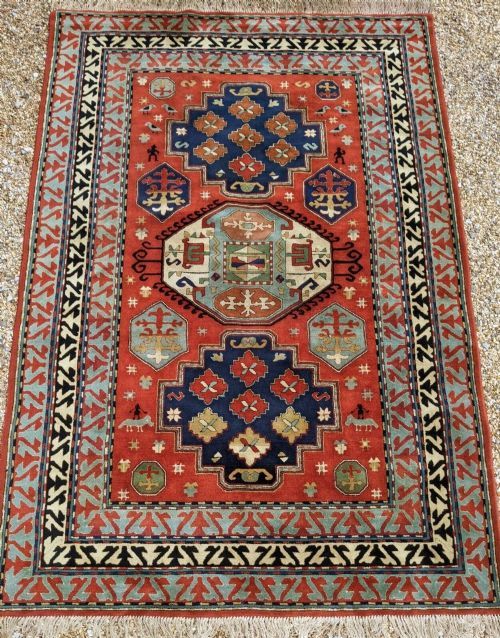
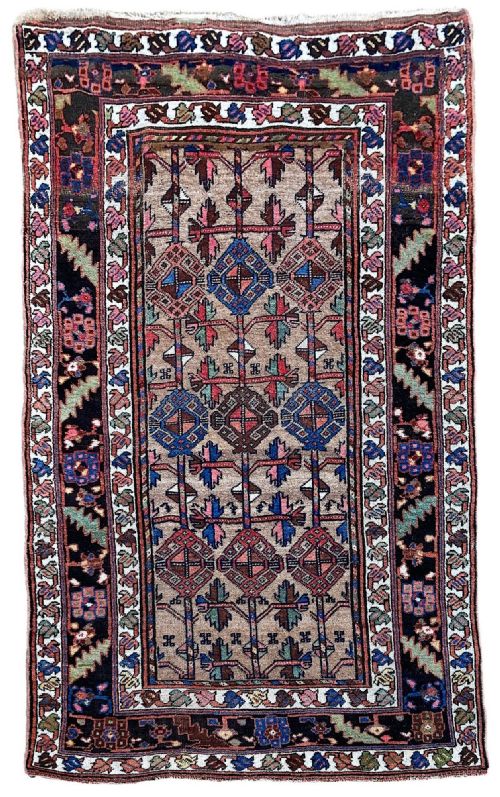
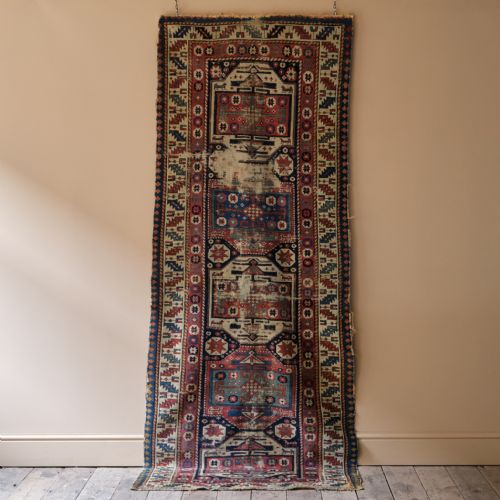
A caucasian style rug encompasses tribal floor coverings originating from the Caucasus region and north-west Persia, taking forms such as runners, scatter rugs, and carpets. When searching for a caucasian style rug, buyers encounter village and nomadic pieces produced from the nineteenth century through the early twentieth century. These textiles display distinct regional motifs, including geometric medallions, animal figures, and stylized floral elements.
The selection on this page leans heavily toward antique village productions like Karaja, Heriz, and Sarab rugs alongside specific regional pieces from Shirvan and Karabagh. Formats range from narrow hallway runners to square prayer rugs and compact bag faces, reflecting the varied domestic uses of the weavers. Each piece demonstrates the traditional craftsmanship of tribal groups working within established regional aesthetics.
How they were made
These textiles rely on natural foundations of hand-spun wool and cotton, utilising vegetable dyes to achieve deep and enduring colour palettes. Weavers knotted wool pile onto sturdy cotton or wool warps and wefts, creating dense structures designed for longevity in domestic spaces. Occasional examples incorporate camel hair within the pile or foundation, adding natural tonal variations without artificial dyeing.
The hand-knotted technique allows for sharp linear definition in the geometric patterns, distinguishing village weaving from urban workshop production. Artisans worked from memory or traditional tribal designs, passing pattern repertoires through generations rather than using rigid paper cartoons. This method results in slight irregularities and asymmetric details that characterise genuine handmade tribal rugs.
Caucasian Style Rug Retail Price Guide 2026
Typical asking prices for caucasian style rug among the pieces listed under this phrase on Sellingantiques today, from the lower quarter to the upper quarter. They describe what is for sale here now, not the wider market.
Listings span productions from the nineteenth century through the 1930s, featuring wool, cotton, and camel hair materials.
What varies in quality
Quality in these textiles depends on the density of the knotting and the crispness of the geometric design execution. Tighter knot counts provide greater structural resilience, allowing the pile to withstand centuries of foot traffic while maintaining pattern clarity. Finer examples display precise alignment of medallions and deliberate colour saturation across the field.
The choice and preparation of dyes also dictate the visual standard of a piece, separating standard village work from master tribal weaving. Deep saturated blues, ivory grounds, and vibrant secondary tones achieved through natural dye baths retain their luminosity over time. Additionally, the integrity of the original wool quality affects how gracefully the pile ages under regular use.
The Caucasian Style Rug Glossary
- Kelleh
- A large format carpet, typically longer than a standard room-size rug but narrower in proportion.
- Bag face
- The decorative front panel of a storage sack produced by nomadic weavers, often preserved as a small standalone rug.
- Prayer rug
- A small format textile featuring a characteristic mihrab or niche design, historically used for individual daily prayer.
- Runner
- A long, narrow carpet format specifically designed for hallways, corridors, or alongside larger furniture.
- Warp
- The vertical threads stretched tightly on the loom that form the structural foundation of the rug.
Caucasian Style Rug: Frequently Asked Questions
How do I clean an antique rug?
Gentle surface vacuuming without a beater bar removes loose dirt from the wool pile without straining the foundation threads.
Professional specialist cleaning is required for deep washing to prevent dye bleed and protect the historical fibres.
Can I place these rugs in high traffic areas?
Sturdy wool construction and tight knotting allow many nineteenth-century village rugs to handle regular hallway or living room use.
Placing a quality underlay beneath the textile prevents slipping and reduces friction against the floorboards.
What is a village rug?
Village rugs are woven by settled communities rather than urban workshops, featuring spontaneous geometric designs and local dyes.
These pieces reflect the distinct cultural motifs of specific regions, such as Karaja or Sarab.
How do I date an old rug?
Examining the wool consistency, structural materials, and natural dye palette provides reliable indicators of nineteenth or early twentieth-century origins.
Asymmetrical construction methods and traditional village motifs further help place the piece within a specific historical era.