






Blue Wool Runner
A blue wool runner brings depth and texture to a hallway, built from durable natural fibres that handle constant foot traffic.
Blue Wool Runner
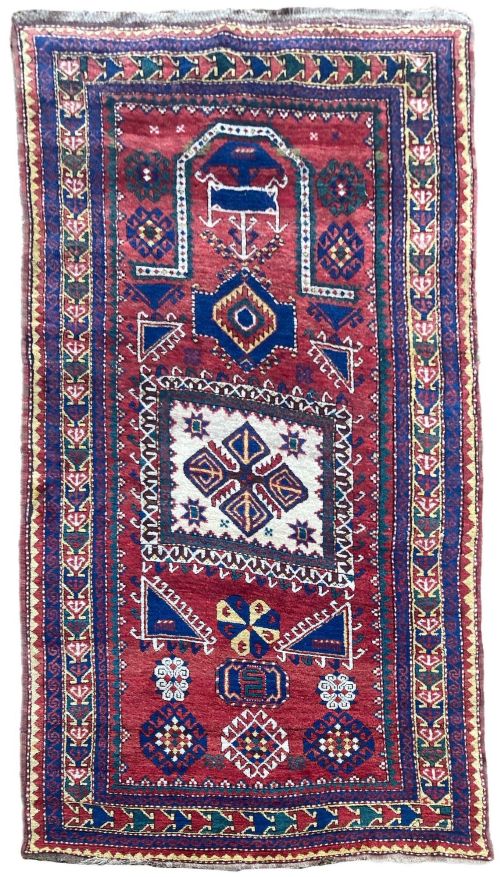
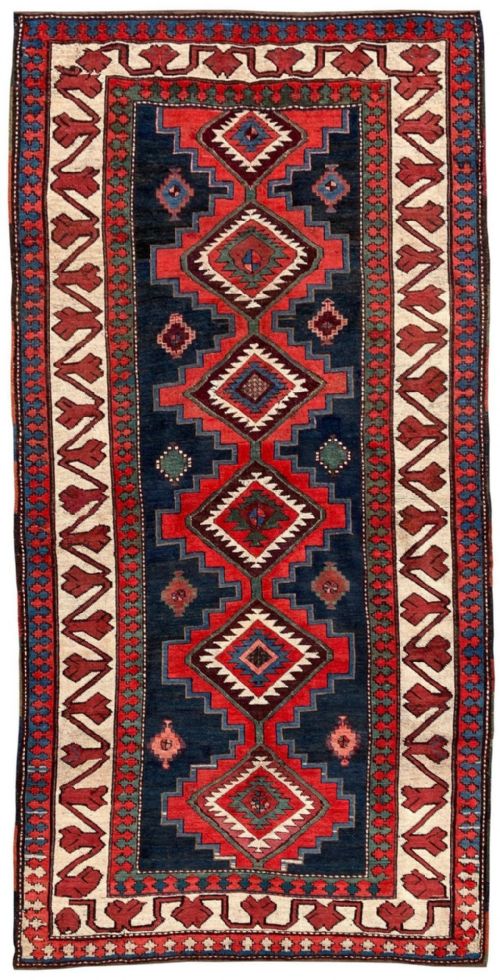
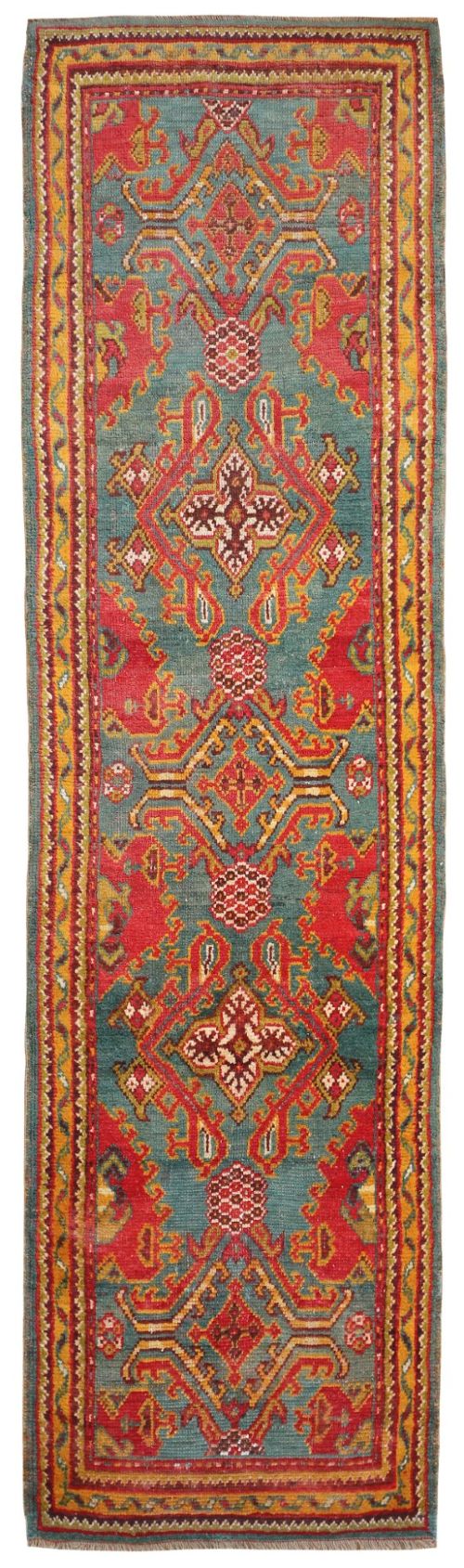
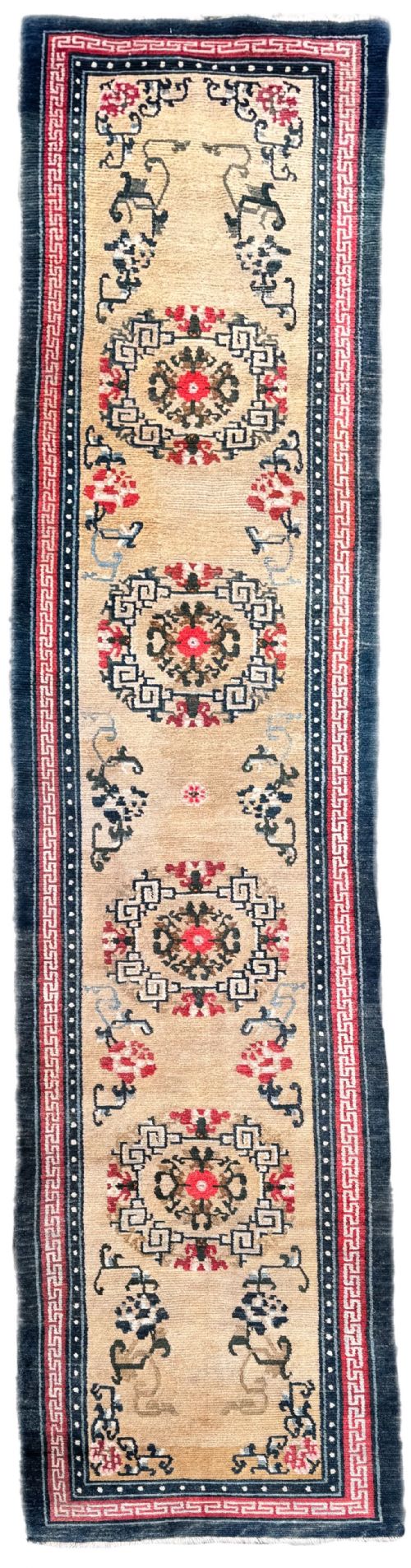
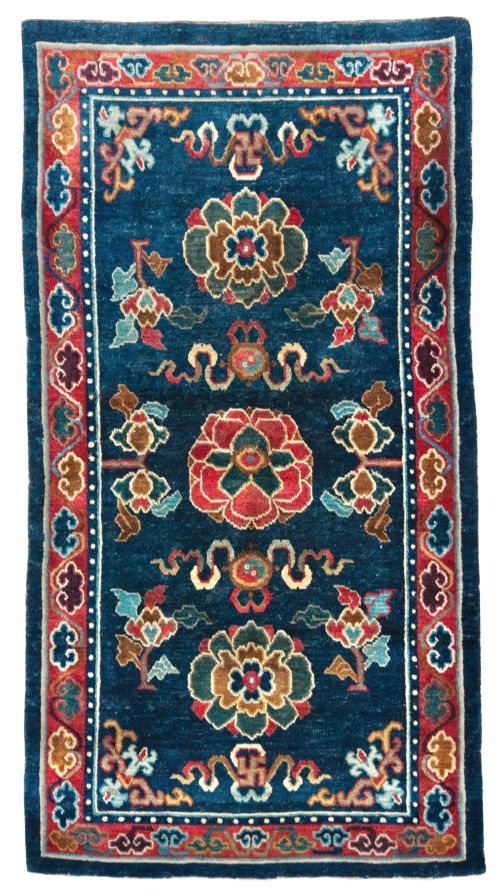
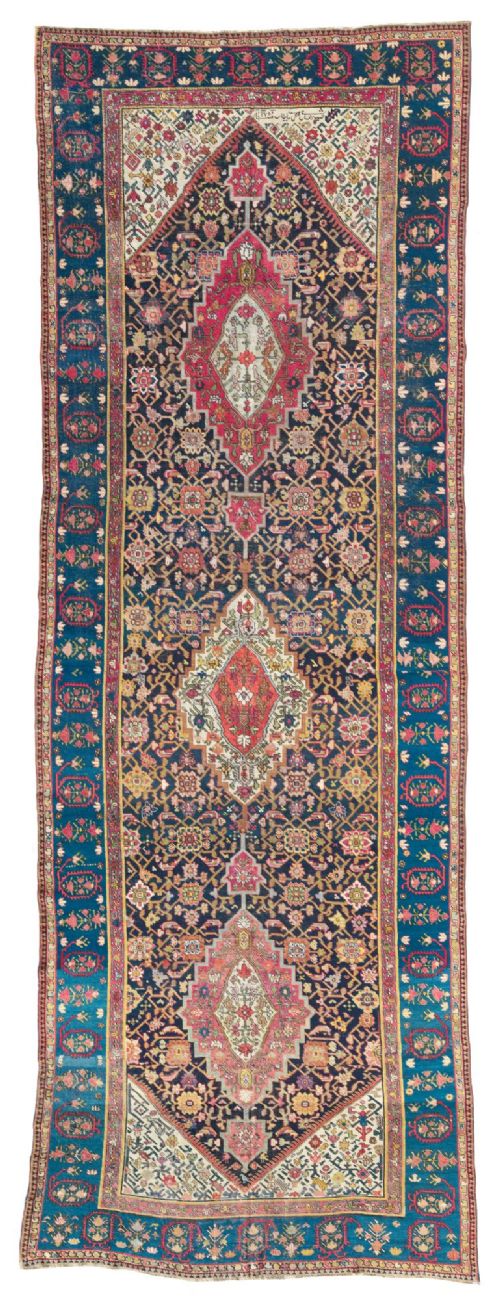
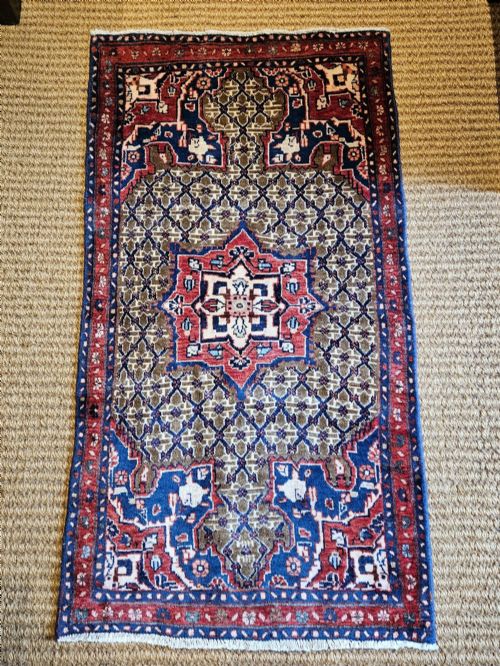
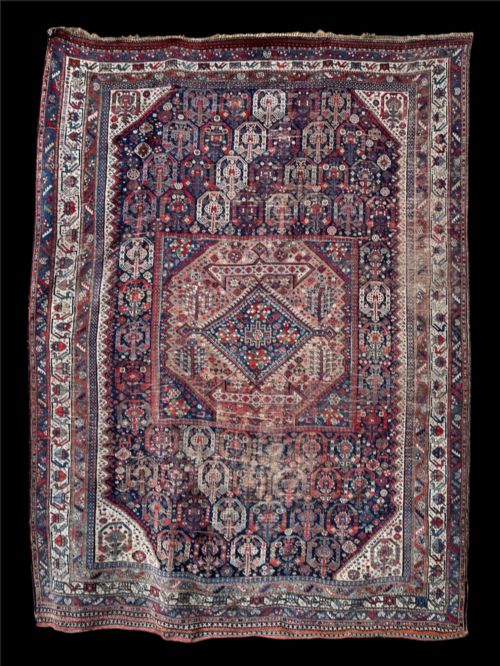
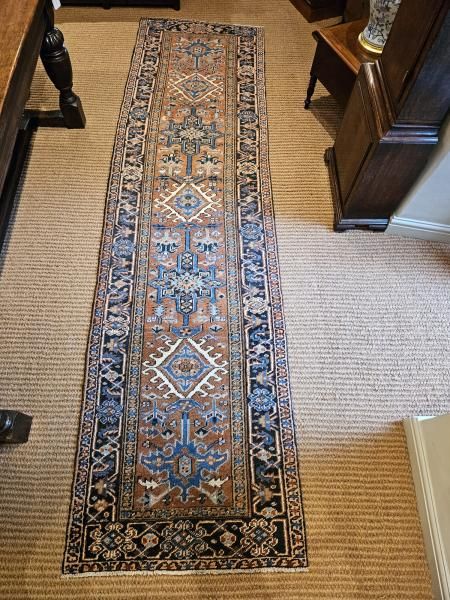
A blue wool runner is a long, narrow floor covering designed primarily for corridors, hallways, and stairs. When you search for this phrase, you meet woven examples originating from Persian, Caucasian, Turkish, and Tibetan traditions, spanning the nineteenth and early twentieth centuries.
The selection ranges from tribal village formats to long geometric hallway pieces. These items serve both functional and decorative roles, grounding long spaces with rich indigo or navy tones woven into traditional patterns.
How They Were Made
Makers utilised hand-spun wool for both the pile and the foundation structure, providing resilience and flexibility underfoot. Natural dyes supplied the distinct blue colour palettes seen across these regional weaves.
Weavers knotted or flat-wove the wool by hand on vertical looms, employing traditional geometric, floral, or lattice designs passed down through generations.
Blue Wool Runner Retail Price Guide 2026
Typical asking prices for blue wool runner among the pieces listed under this phrase on Sellingantiques today, from the lower quarter to the upper quarter. They describe what is for sale here now, not the wider market.
A sturdy runner hides twenty years of hurried footsteps while stubbornly refusing to look tired.
What Varies in Quality
Knot density and precision of the geometric or floral layout dictate much of the refinement in these woven pieces. Tighter knotting allows for sharper pattern definition and greater longevity.
The depth and uniformity of the natural dye work also separate standard examples from finer outputs. Artisanal dyeing creates subtle tonal shifts within the blue wool pile that add visual complexity.
Bakhtiar·Kazak·Ushak·Tibetan·Karabagh·Talish·Heriz·Seychor·Kurdish·Mazlaghan·Shirvan·Kuba·Bakshaish·Karaja·Luri·Bidjar·Afshar·Ningxia
The Blue Wool Runner Glossary
- Runner
- A long, narrow carpet format specifically proportioned for corridors, hallways, and stairs. This shape guides movement through narrow architectural spaces.
- Pile
- The upright yarn loops or cut ends that form the usable surface of the textile. Wool pile absorbs foot traffic while cushioning the step.
- Knot
- An individual loop of yarn tied around warp threads to form the carpet pile. The density of these ties determines how intricate the woven pattern appears.
- Warp
- The stationary vertical threads stretched onto a loom before weaving begins. These parallel strands form the structural skeleton of the textile.
Blue Wool Runner: Frequently Asked Questions
Where do people place a blue wool runner?
These long carpets suit narrow transit spaces such as hallways, long corridors, and entryways. They also function effectively along wide staircases.
The elongated format directs foot traffic while protecting underlying wooden floors from daily wear.
How do I clean wool runners safely?
Routine maintenance involves gentle vacuuming without a rotating brush roll to protect the wool fibres. Prompt blotting handles surface spills.
Professional specialist cleaning is recommended for deep maintenance to preserve natural dyes and hand-spun wool integrity.
Are these runners made with natural dyes?
Many older pieces utilise organic dye sources derived from plants and minerals. These materials yield rich indigo and navy shades.
Natural colouring often develops subtle variations across the surface as the textile ages.
How do I measure for a hallway runner?
Measure the clear floor space of your corridor, leaving a uniform border of exposed wood or tile on all sides. Account for door clearances so doors swing freely over the pile.
Lengthwise, ensure the piece stops short of opposing walls to maintain balanced proportions.