


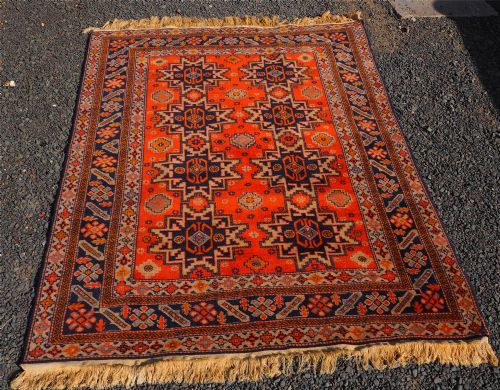
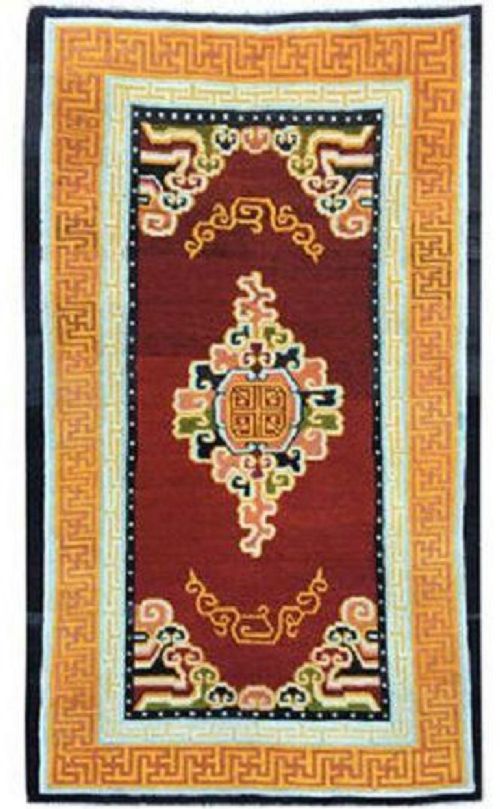
Vintage Oriental Runner
When you search for a vintage oriental runner, you seek a long, narrow carpet of woven wool or silk that brings historical character to a hallway.
Vintage Oriental Runner
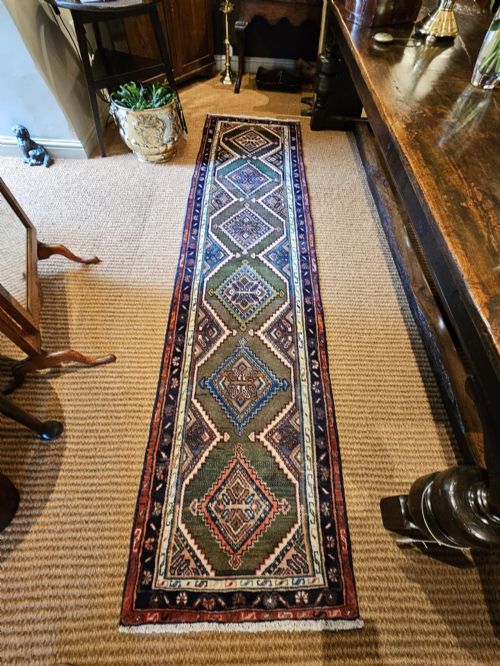
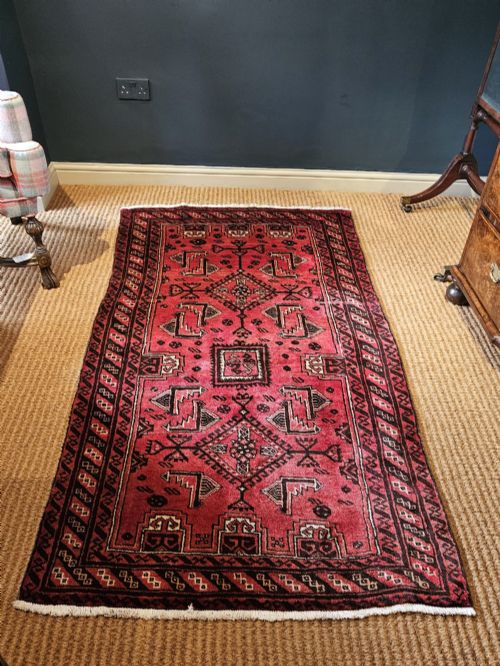
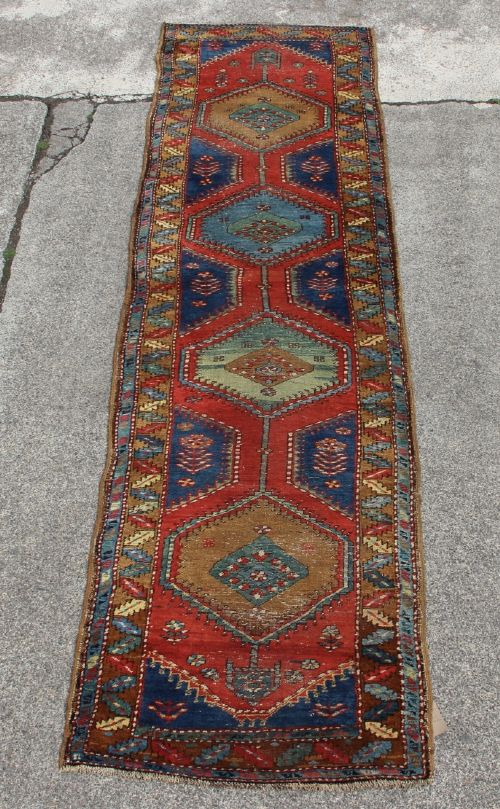
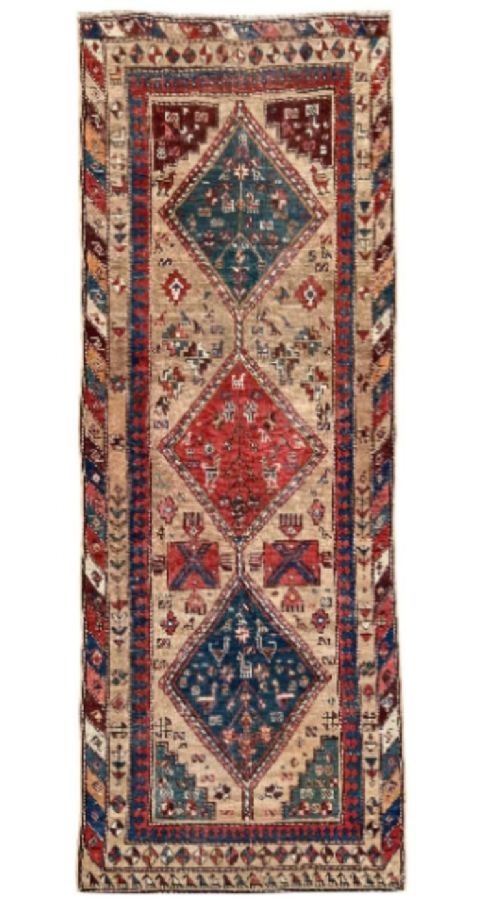
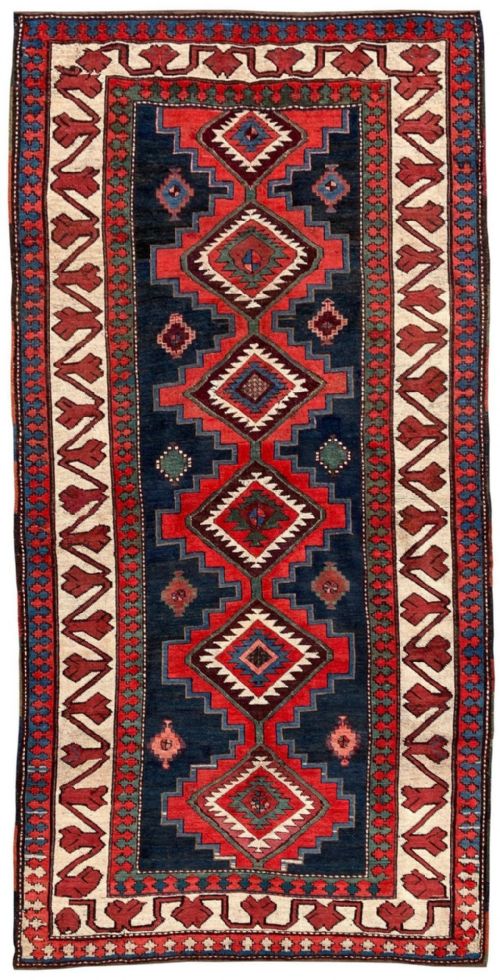
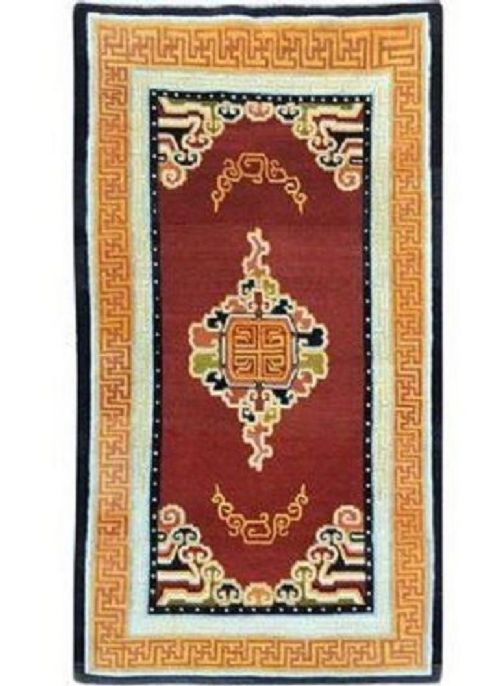
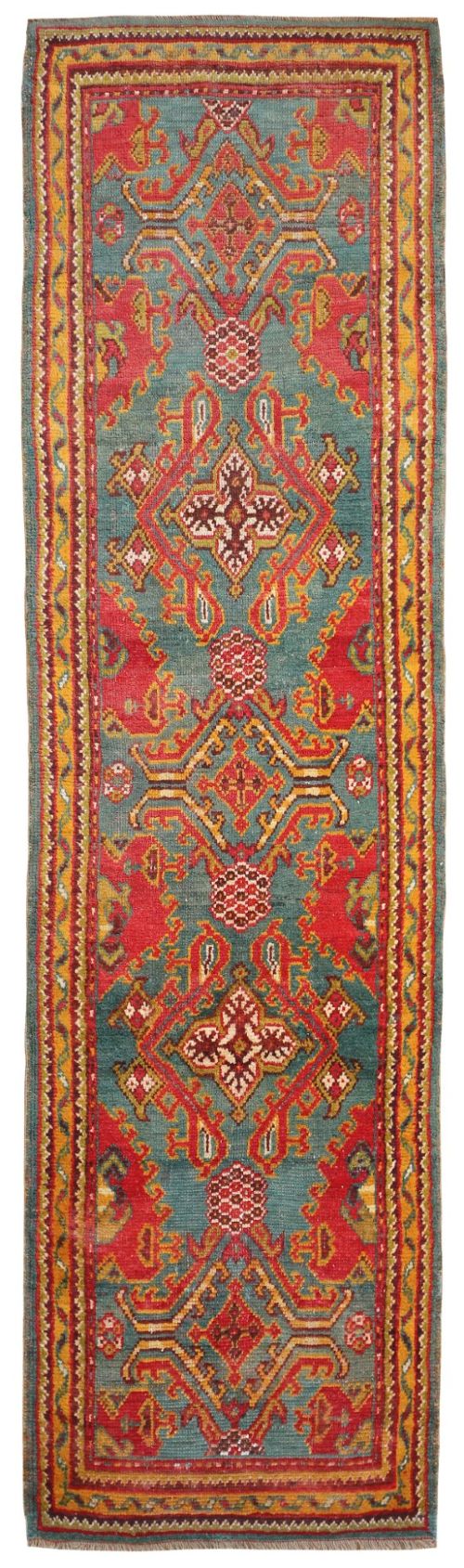
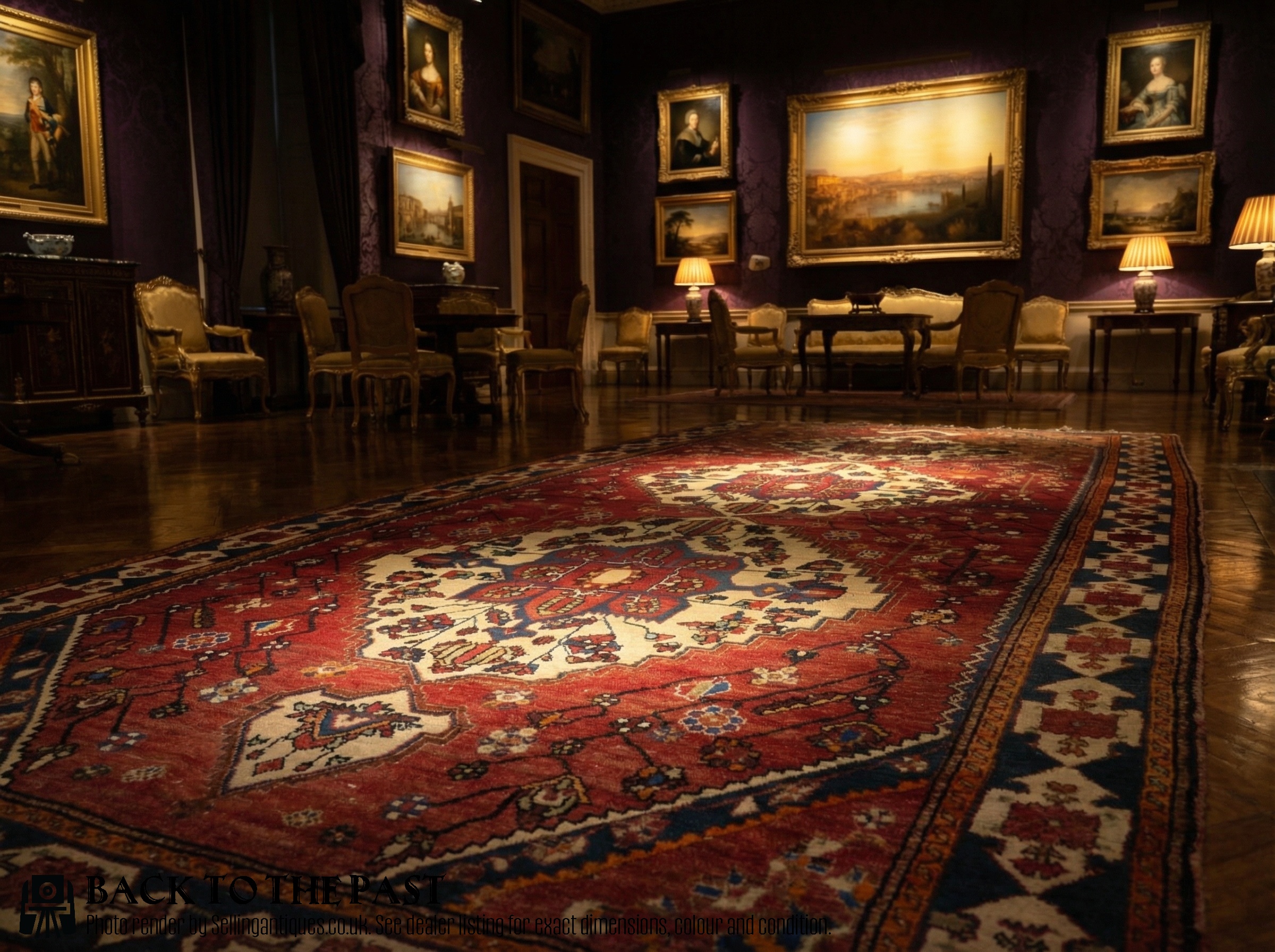
A vintage oriental runner is a narrow, elongated textile designed specifically for corridors, hallways and stairs. When searching for this phrase, you encounter pieces originating from Persia, the Caucasus, Turkey, and Tibet, spanning periods from the late nineteenth century through the early twentieth century.
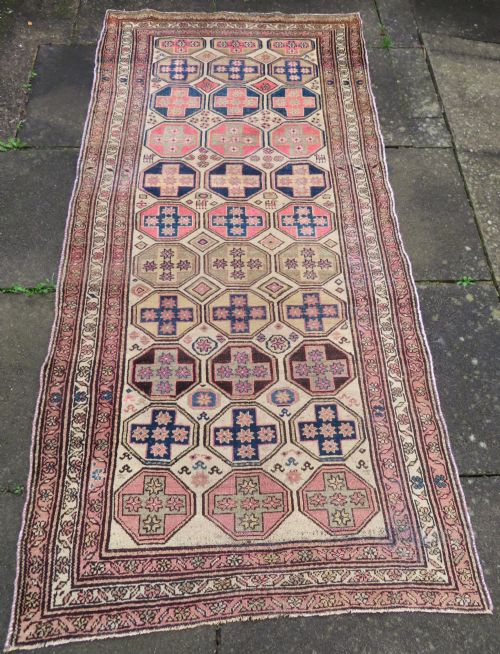
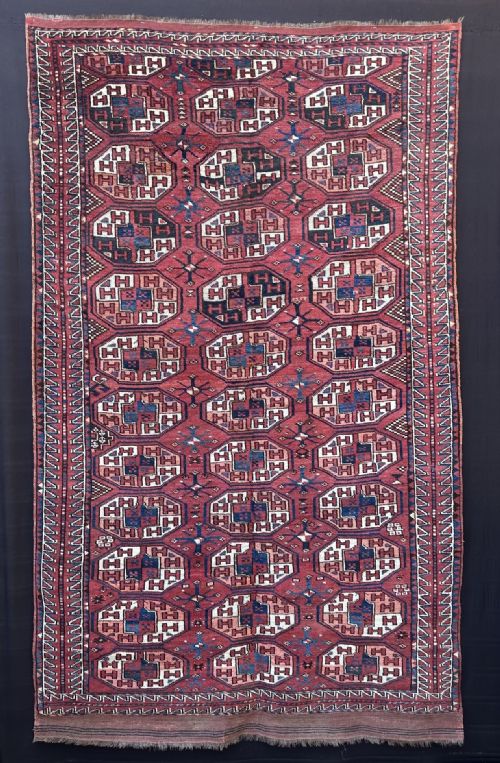
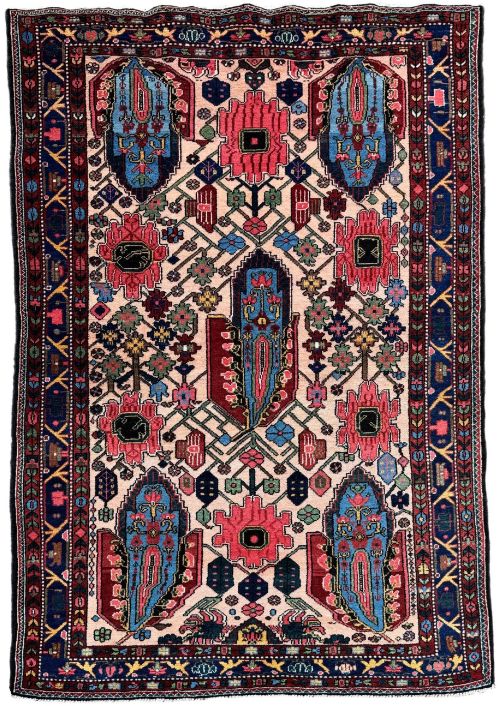
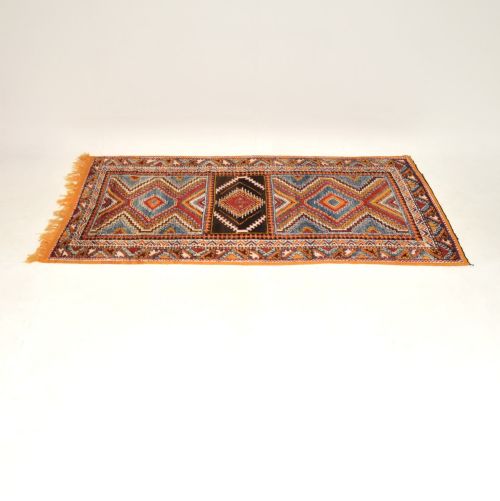
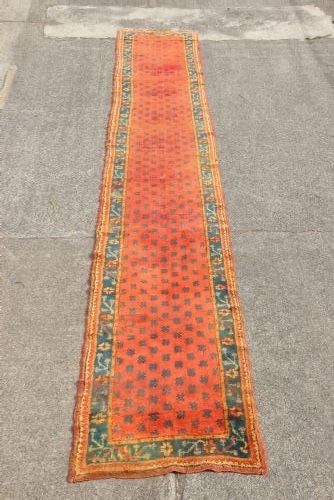
The format varies from long, narrow Turkish Oushak runners to North West Persian and Tibetan pieces. These rugs display tribal patterns, geometric motifs and traditional field designs that functioned originally in domestic and village settings.
Most examples you meet on this page rely on durable village construction, utilising heavy wool piles on cotton or wool foundations. They provide practical floor coverings that soften high-traffic areas while introducing rich colour palettes into a home.
How they were made
Weavers constructed these runners principally from natural wool, pure wool and occasionally silk or camel hair, hand-knotting the pile onto sturdy cotton or wool foundation warps. This method created a dense, resilient surface capable of withstanding heavy foot traffic in long hallways.
Natural dye stuffs provided the deep reds, blues, olive greens and rust backgrounds seen across the pieces. Artisans tied individual knots by hand, securing the ends with woven selvedges and kilim ends to prevent fraying.
Vintage Oriental Runner Retail Price Guide 2026
Typical asking prices for vintage oriental runner among the pieces listed under this phrase on Sellingantiques today, from the lower quarter to the upper quarter. They describe what is for sale here now, not the wider market.
Some runners measure over five metres in length, designed to stretch endlessly down grand nineteenth-century hallways.
What varies in quality
The fineness of the knotting and the density of the wool foundation determine the structural integrity of each runner. Tighter knots allow for sharper geometric or curvilinear definition in patterns like the Talish lattice or Heriz medallions.
The choice of materials also elevates a piece, where lustrous pure wool or occasional silk yields a richer tactile depth. Furthermore, the vibrancy and consistency of the natural dyes separate standard village production from finer workshop carpets.
The Vintage Oriental Runner Glossary
- Runner
- A long, narrow carpet format intended for corridors, stairs and hallways. It guides movement through a domestic space.
- Pile
- The vertical or diagonal loops of yarn that form the usable surface of a rug. It is sheared evenly after knotting.
- Warp
- The stationary vertical threads stretched across a loom upon which knots are tied. It forms the skeletal structure of the textile.
- Weft
- The horizontal threads passed across the warp threads between rows of knots to secure them. It binds the foundation firmly together.
- Selvedge
- The reinforced edge of a rug formed by wrapping the outermost warp threads. It prevents the sides from unravelling.
Vintage Oriental Runner: Frequently Asked Questions
Where were vintage oriental runners placed?
These long carpets served primarily in corridors, narrow hallways and staircases where foot traffic required durable floor protection.
Their elongated proportions also suited long galleries and the sides of larger rooms in traditional houses.
How do I care for a wool runner?
Regular gentle vacuuming without a rotating brush roll prevents dust accumulation within the wool pile. Professional cleaning by a specialist in antique textiles preserves the natural lanolin and dyes.
Placing an appropriate underlay beneath the runner prevents slipping and reduces friction between the floor and the foundation.
How do I identify a tribal design?
Tribal designs feature geometric motifs, stylised animals, latch-hook diamonds and repeating hooked polygons. Village weavers produced these patterns from memory rather than formal workshop cartoons.
Asymmetrical irregularities often appear in tribal weaving, reflecting the individual weaver's hand.
What materials make up the foundation?
The foundation consists of warp threads running vertically and weft threads running horizontally. Cotton and wool serve as the primary materials for these structural elements.
Visible foundation threads at the ends often terminate in woven kilim webbings and fringes.