


Traditional Corridor Rug
A traditional corridor rug provides a durable, narrow expanse of patterned weave designed to anchor long hallways and narrow domestic spaces.

Traditional Corridor Rug
A traditional corridor rug serves to line long passages, halls, and landings with patterned floor coverings. Buyers search for these pieces to add warmth and character to narrow architectural spaces that resist standard square carpets.
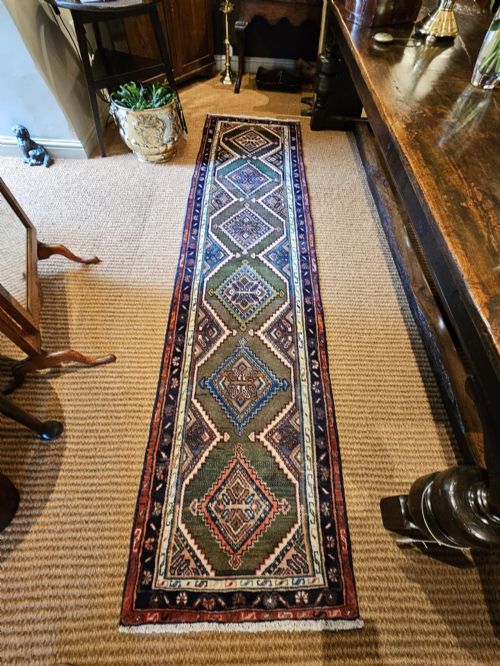
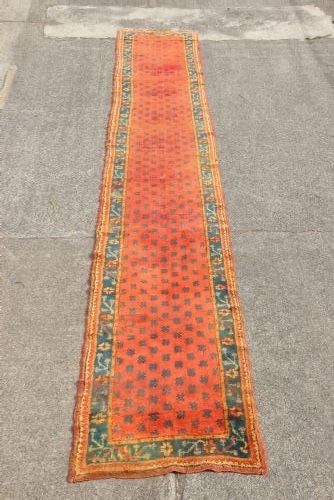
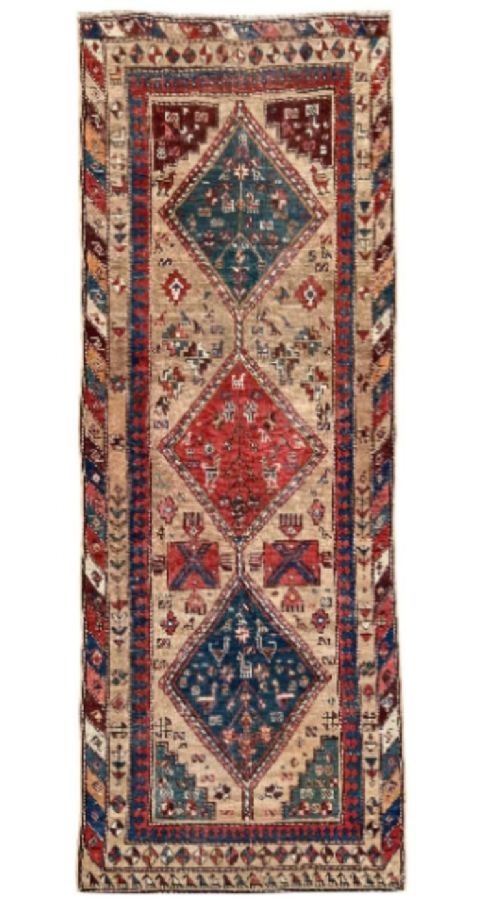
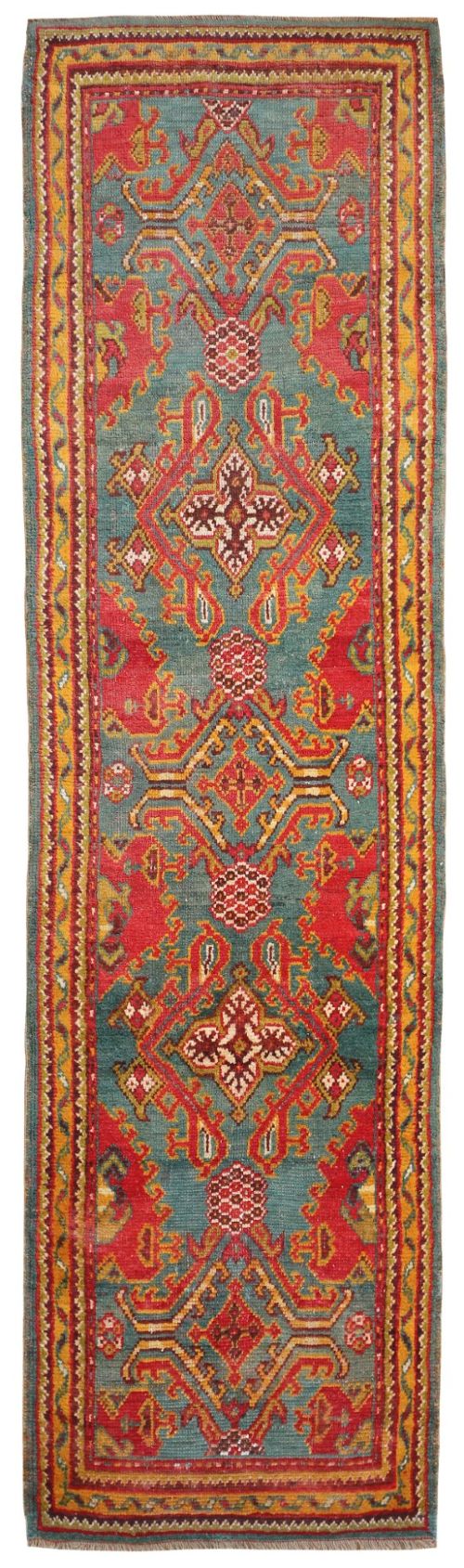
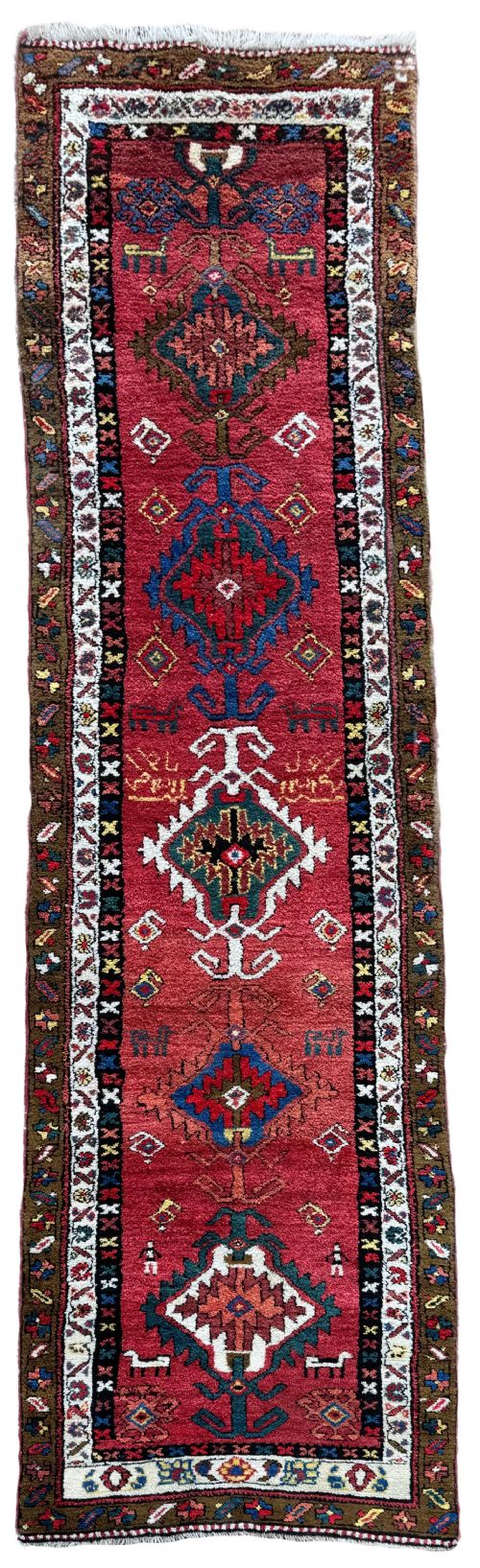
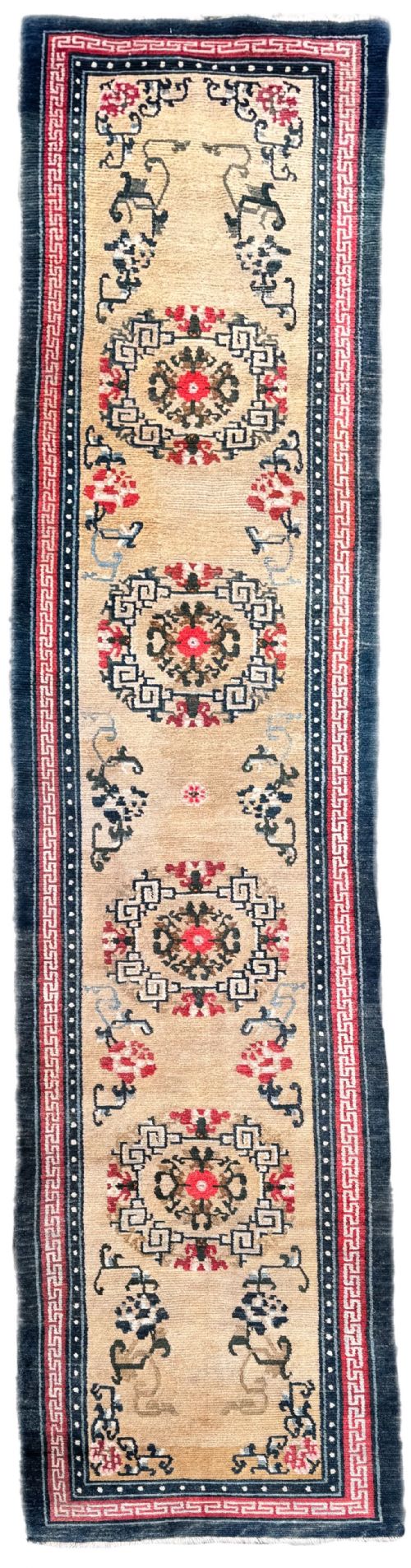
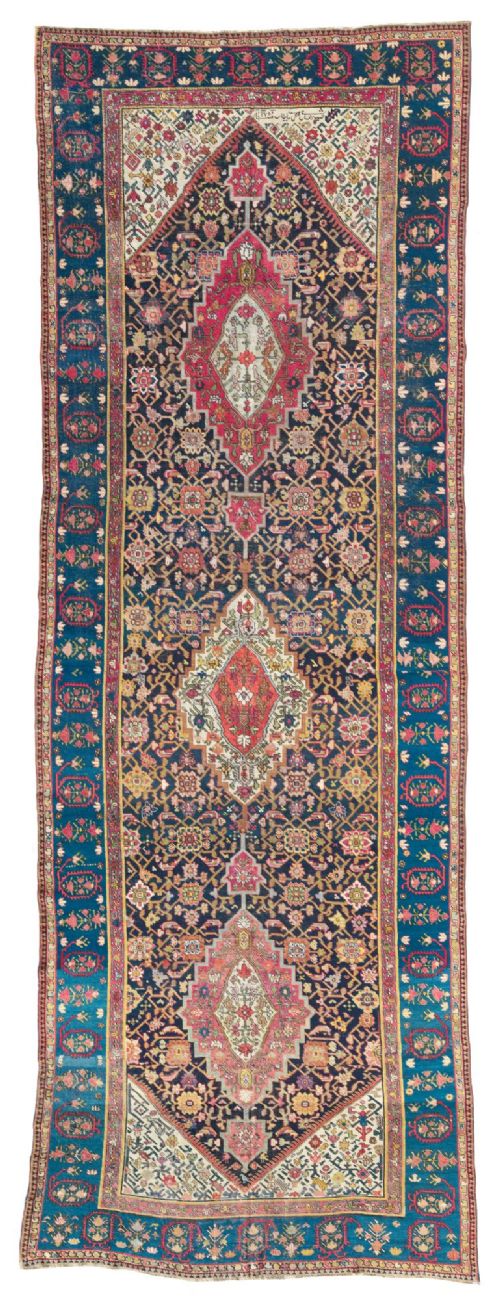
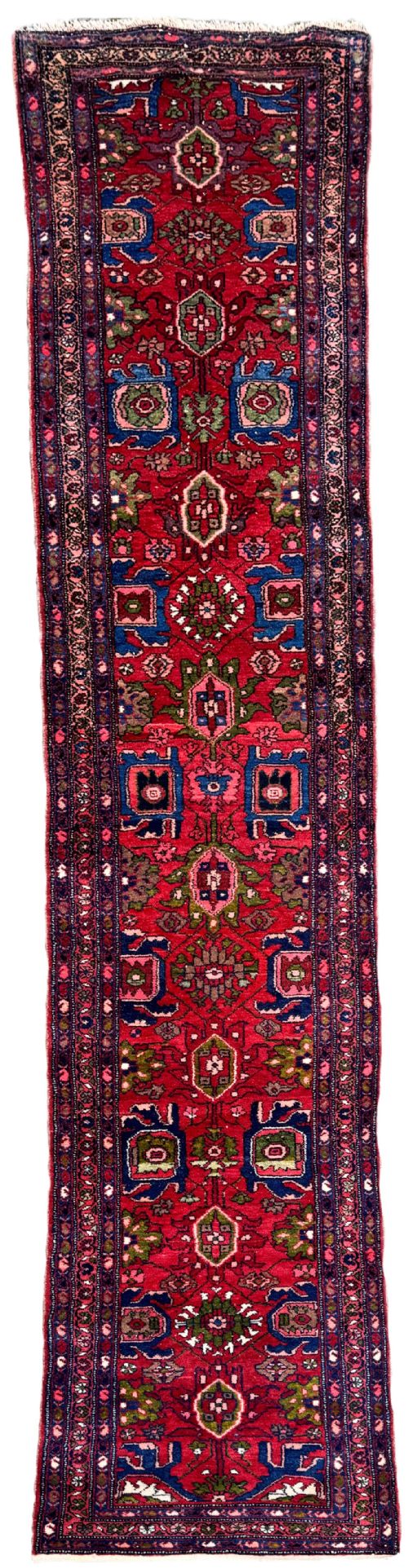
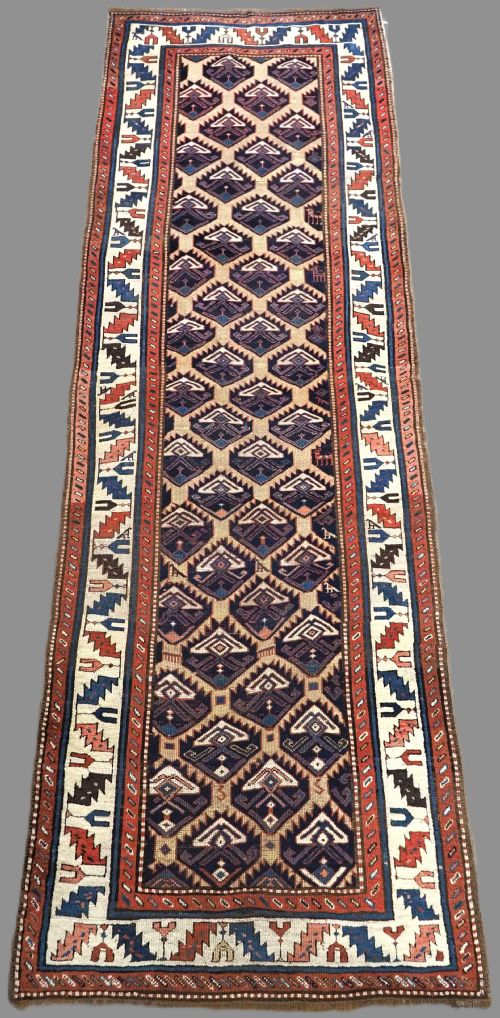
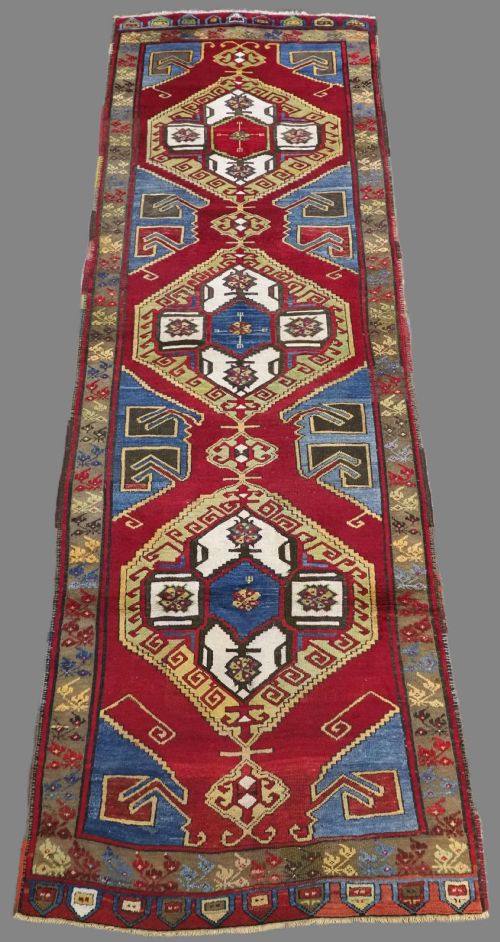
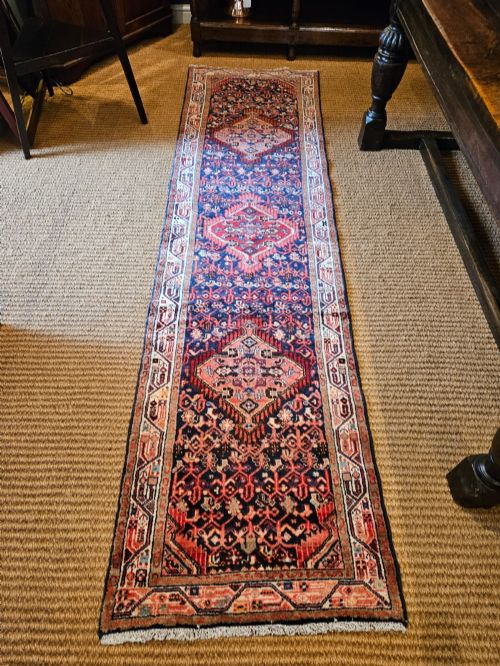
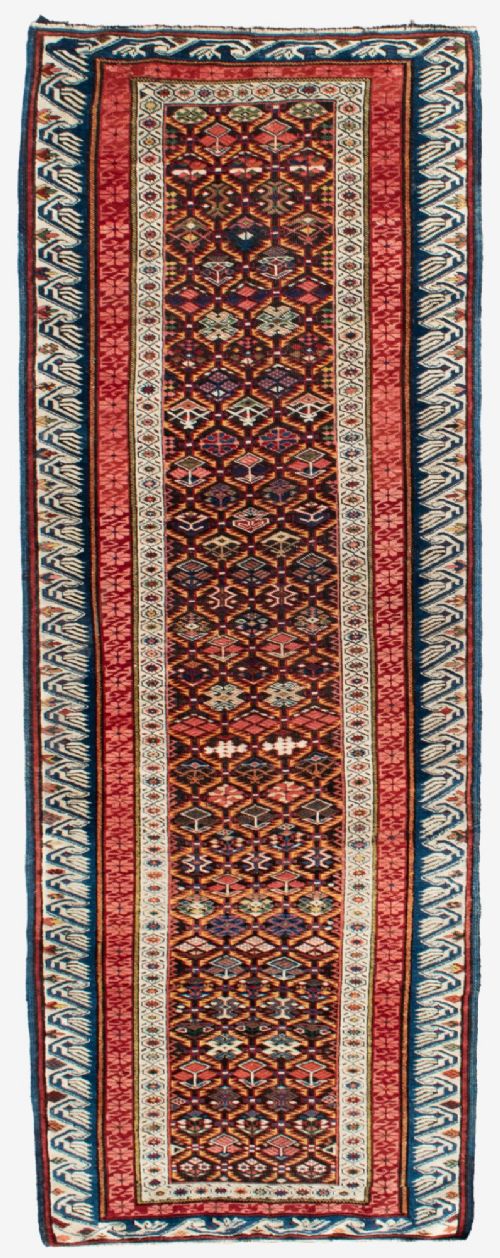
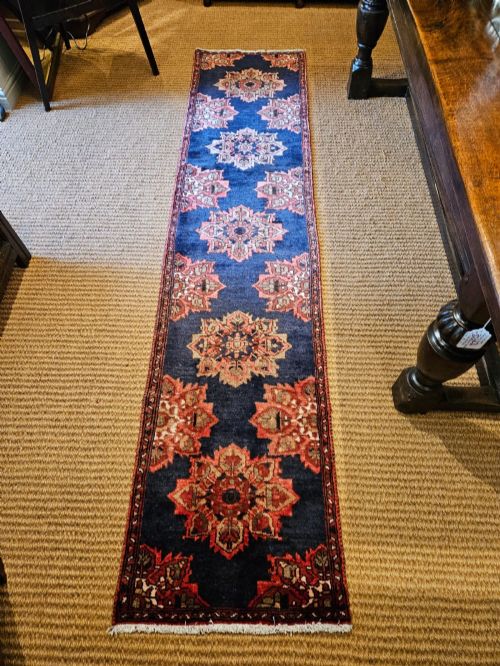
The inventory on this page consists predominantly of long, narrow runner formats originating from Persian, Caucasian, Turkish, and Kurdish traditions. Pieces date from the nineteenth century through the early decades of the twentieth century, reflecting established regional weaving practices.
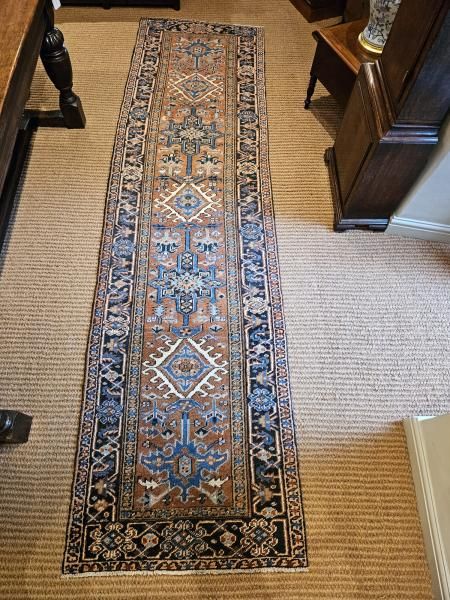
Makers utilised specific regional geometries and tribal motifs across these narrow formats. Examples range from Kurdish and Heriz runners to Ushak and Anatolian pieces, each displaying distinct structural proportions suited to corridors.
How They Were Made
These floor coverings utilise natural wool and hand-spun wool for the pile, providing resilience under heavy domestic foot traffic. Cotton typically serves as the foundation warp and weft, giving the long narrow structure dimensional stability.
Weavers knotted the pile by hand onto stretched warps, employing techniques passed down through generations in tribal and village workshops. Natural dye stuffs yielded the deep indigo, madder red, and olive tones seen across the surviving examples.
Traditional Corridor Rug Retail Price Guide 2026
Typical asking prices for traditional corridor rug among the pieces listed under this phrase on Sellingantiques today, from the lower quarter to the upper quarter. They describe what is for sale here now, not the wider market.
Listings span periods from the mid-nineteenth century up to the 1960s, featuring wool and cotton materials configured in runner and kelleh formats.
What Varies in Quality
Quality in these long formats rests on the precision of the knotting and the density of the wool pile. Finer knot counts allow complex geometric and floral lattice designs to maintain crisp definition along extended dimensions.
The integrity of the original wool and the depth of the natural dyes determine the visual resonance of the piece. Superior examples retain strong structural borders and consistent pile depth from end to end despite decades of passage.
The Traditional Corridor Rug Glossary
- Runner
- A long, narrow carpet format specifically proportioned for corridors, hallways, and staircases. These pieces measure significantly longer than they are wide.
- Kelleh
- A large, room-sized or extended format carpet that sits between a standard runner and a full floor rug. Collectors value these for broader gallery spaces.
- Warp
- The stationary vertical strings stretched on the loom that form the structural skeleton of the rug. The pile knots are tied around these foundational threads.
- Weft
- The horizontal threads passed back and forth across the warp strings to lock the rows of knots in place. This material secures the fabric width.
- Pile
- The upright tufts of wool that form the soft surface of the rug. This upper layer absorbs wear and displays the woven design.
Traditional Corridor Rug: Frequently Asked Questions
Where should I place a runner?
These narrow formats suit long hallways, landings, and entrance corridors where floor protection and visual warmth are required. They draw the eye down extended architectural pathways.
Ensure the space allows adequate clearance for doors to open over the pile height. Measure the exact corridor length and width before selecting a specific format.
How do I clean a wool rug?
Gentle surface brushing and regular light vacuuming without a rotating beater bar remove loose grit from the wool pile. Professional specialist cleaning is recommended for deeper maintenance.
Avoid excessive water immersion and harsh chemical detergents that can strip natural lanolin from the hand-spun fibres.
How do I identify a Heriz runner?
Heriz runners typically display bold geometric medallion structures and robust corner spandrels woven with sturdy wool. The palette often relies on deep rust, indigo, and ivory tones.
Village weavers in the Heriz district constructed these pieces with heavy cotton foundations, creating exceptionally durable corridor carpets.
What is an Ushak runner?
Ushak runners originate from western Anatolia and are known for softer pastel palettes and large-scale floral or geometric motifs. The wool in these pieces often has a lustrous handle.
These rugs frequently exhibit a relaxed weave structure and gentle abrash colour variations across the length of the corridor.