




Tribal Hallway Runner
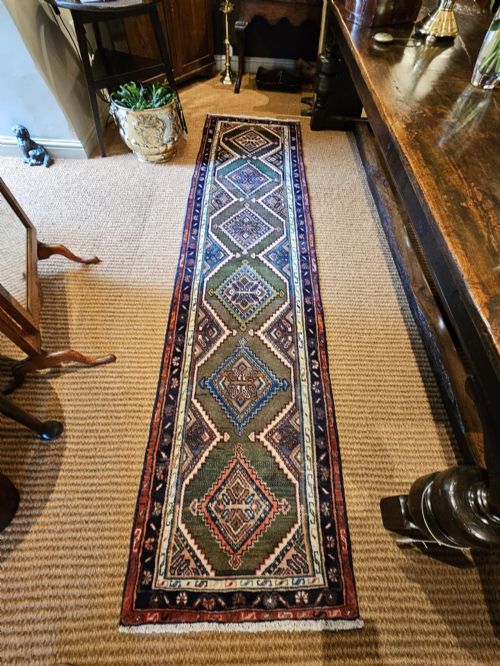
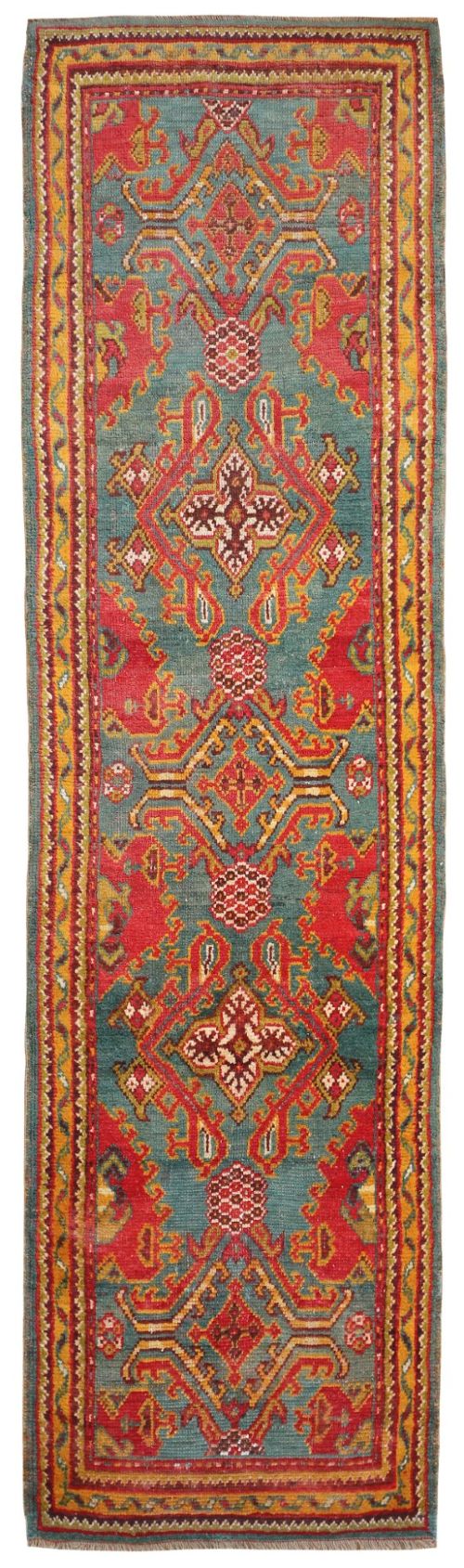
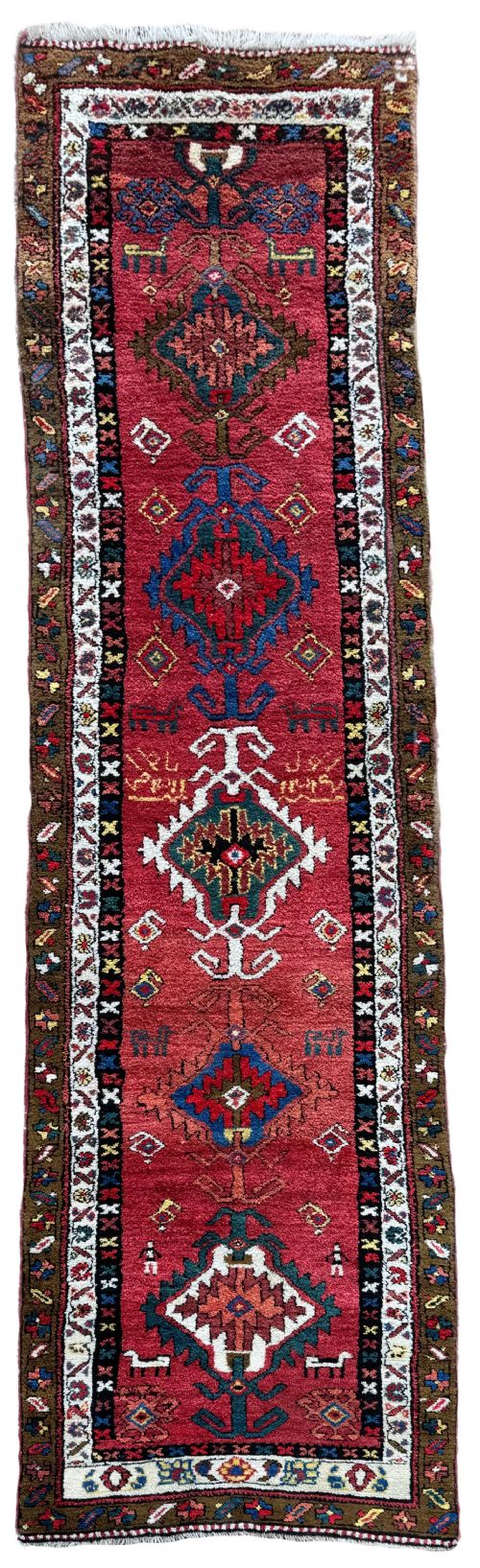
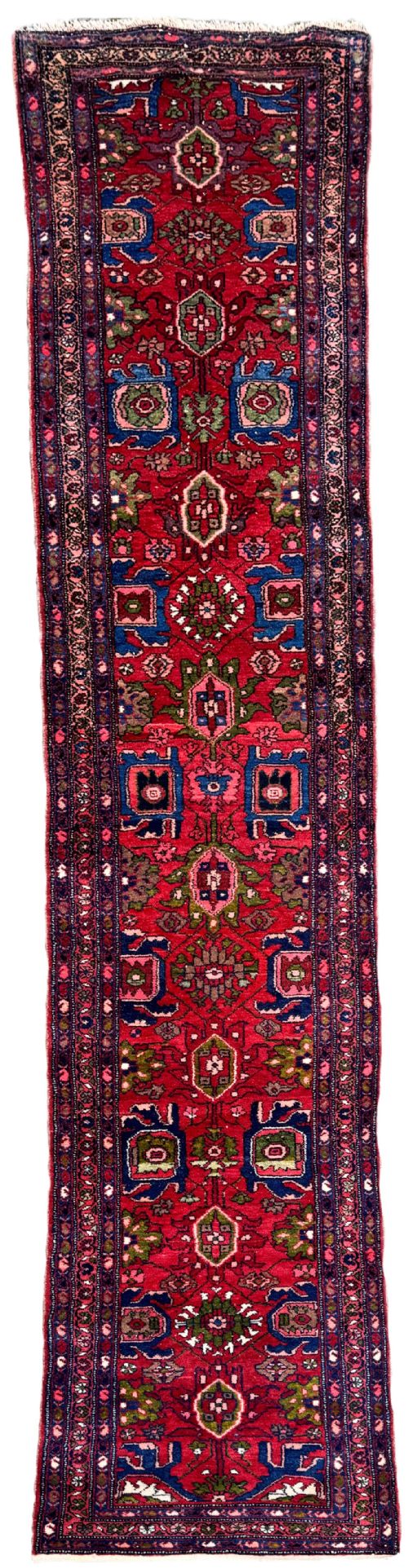
A tribal hallway runner brings dense geometric patterns and rich wool texture to long corridors.
Tribal Hallway Runner
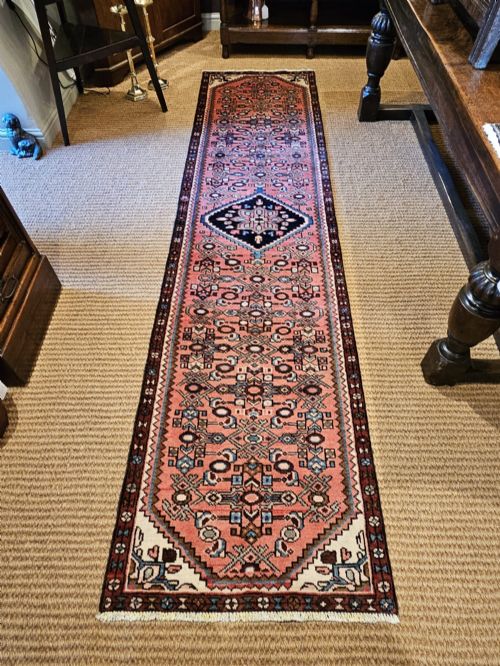
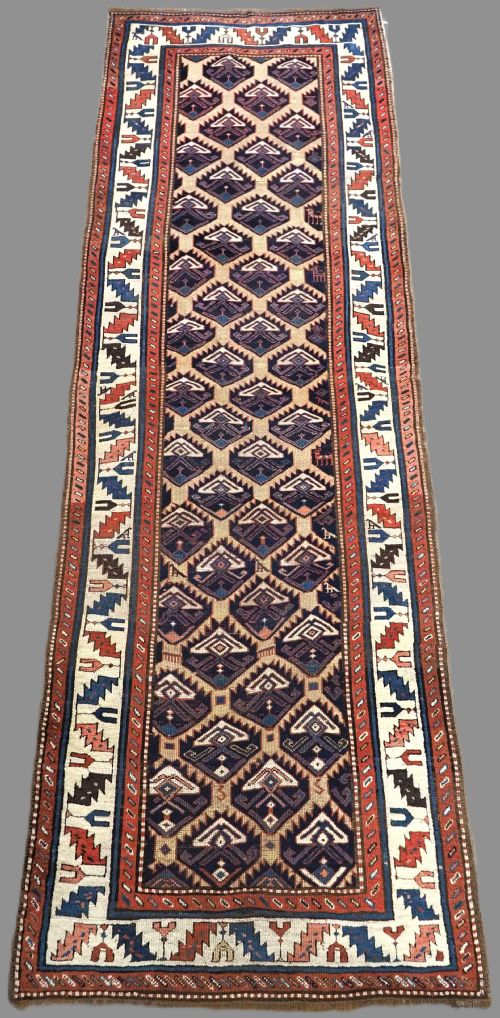
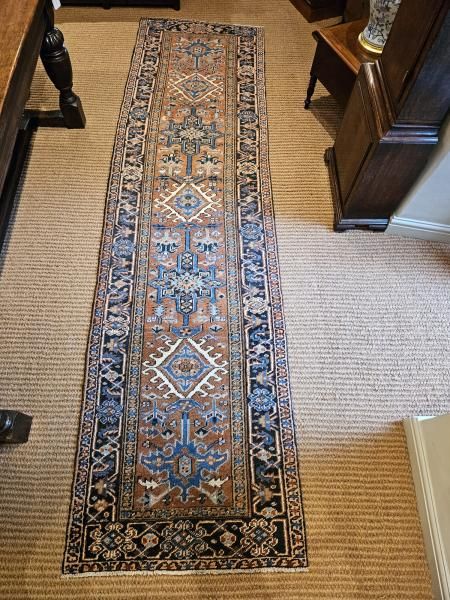
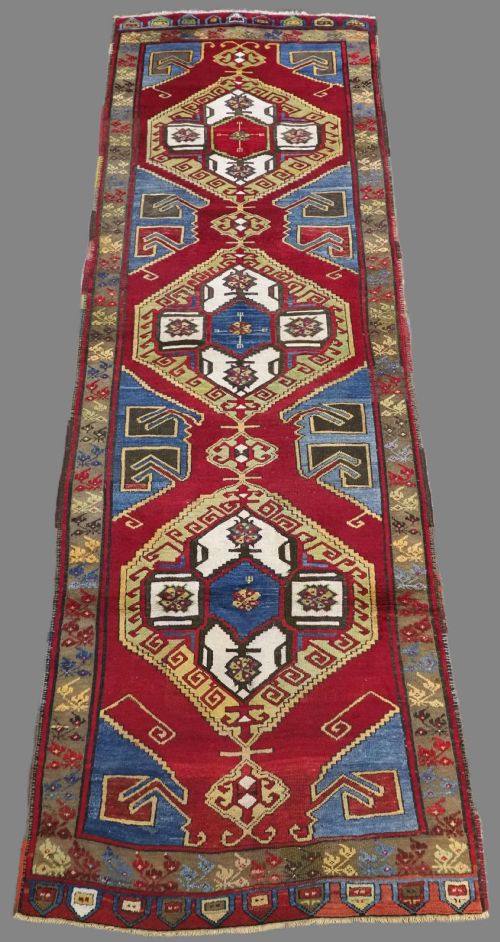
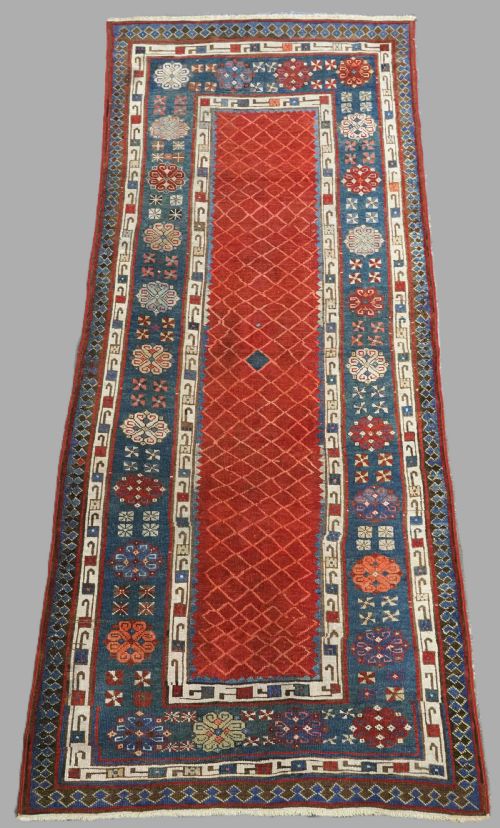
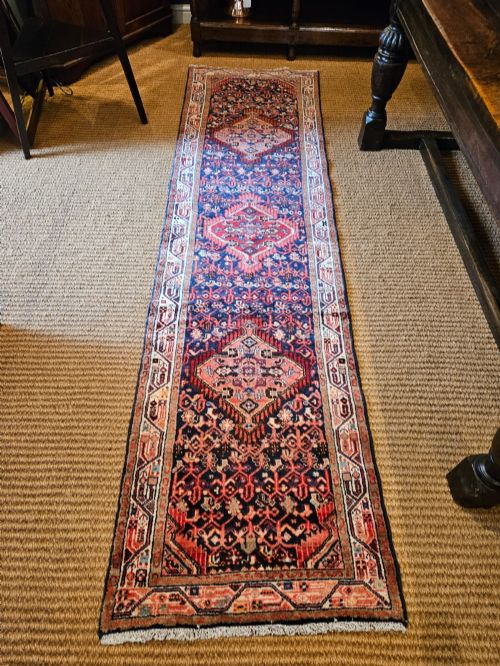
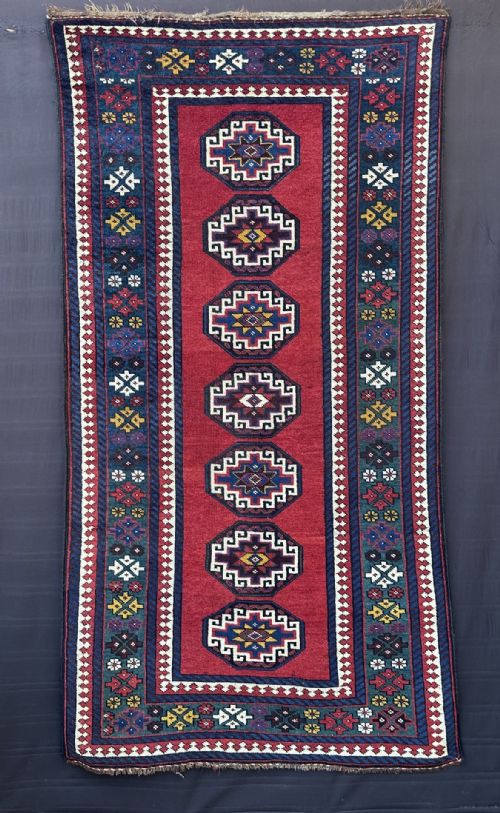
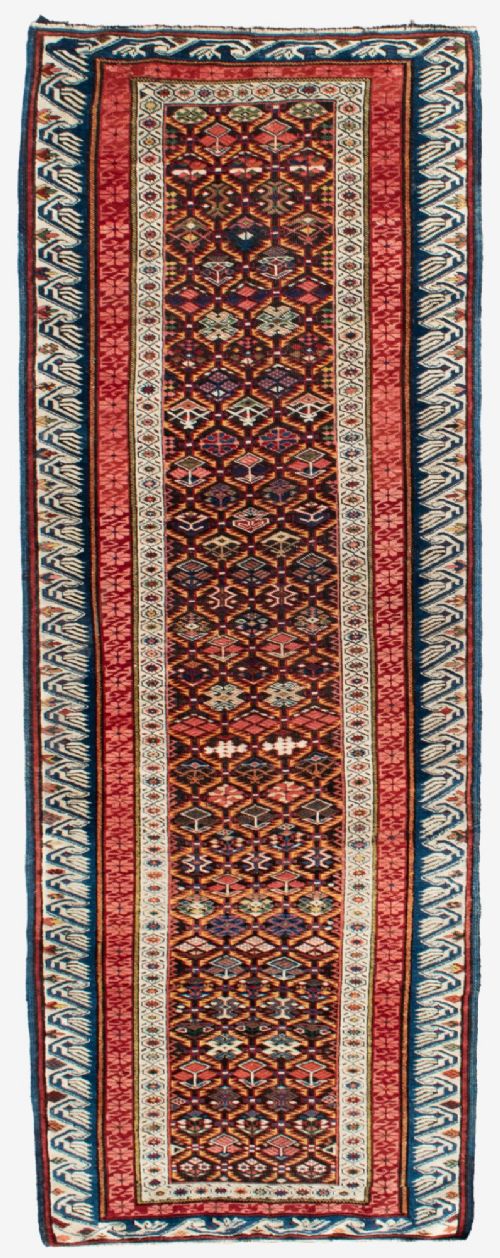
A tribal hallway runner is a narrow, elongated floor covering designed specifically for corridors, halls and landings. When searching for a tribal hallway runner, buyers encounter woven pieces originating from Persia, the Caucasus and Anatolia, spanning from the late nineteenth century into the twentieth century. These textiles bridge utilitarian floor protection and intricate folk art, woven in traditional formats that suit extended spaces.
The inventory on this page consists predominantly of runner rugs, long rugs and hallway runners attributed to distinct regional weaving traditions such as Kurdish, Heriz, Caucasian, Kazak and Hamadan. Formats range from modest lengths to extensive corridors reaching over three metres, constructed in narrow proportions tailored for walking paths. Each piece reflects the specific village or tribal group aesthetic of its origin.
What varies in quality
Knot density and structural tightness dictate the resilience and clarity of the pattern work across different examples. Finer knotting allows intricate geometric motifs, such as lattice designs and Mina Khani patterns, to appear crisp and well-defined.
The grade of the wool and the consistency of the weave determine how well the runner retains its structural integrity under heavy use. Variations in symmetry and hand-drawn irregularity distinguish individual village weaving from more uniform workshop output.
Tribal Hallway Runner Retail Price Guide 2026
Typical asking prices for tribal hallway runner among the pieces listed under this phrase on Sellingantiques today, from the lower quarter to the upper quarter. They describe what is for sale here now, not the wider market.
Several runners display delightfully crooked borders and asymmetric layouts, proving human hands guided every knot.
The Tribal Hallway Runner Glossary
- Pile
- The upright loops or cut ends of yarn that form the usable surface of the rug. This wool layer provides cushioning and absorbs the friction of foot traffic in a hallway.
- Warp
- The vertical threads stretched tightly on the loom before weaving begins. Cotton warps provide a rigid, stable foundation for the structure of the runner.
- Weft
- The horizontal strands passed alternately over and under the warp threads to bind the knots in place. Tight weft insertion contributes to the durability of the textile.
- Lattice design
- A repeating gridwork pattern dividing the field of the rug into geometric compartments. This layout frequently appears in Caucasian and Kurdish weaving.
- Mina Khani
- A traditional floral pattern featuring repeating motifs connected by curved vines. This classical Persian design appears in fine long runners.
Tribal Hallway Runner: Frequently Asked Questions
How do I measure for a hallway runner?
Measure the clear floor space of your corridor, leaving an equal margin of exposed wood or tile around the perimeter of the rug. Ensure doors can swing freely over the thickness of the wool pile.
Take multiple length measurements along the hallway to account for any structural irregularities in older properties.
Are these rugs suitable for heavy traffic?
Traditional village and tribal runners were constructed precisely for domestic utility in high-use areas like corridors and landings. The dense wool pile handles daily walking while naturally resisting dirt.
Using a quality underlay prevents slipping and cushions the foundation against hard stone or timber floors.
How do I tell Caucasian from Persian runners?
Caucasian runners typically feature starker geometric polygons, sharper colour contrasts and bold lattice frameworks. Persian examples often incorporate more curved floral elements and softer tonal transitions.
Regional weave structures and edge finishes also help differentiate between Anatolian, Caucasian and Persian origins.
How should I clean my antique runner?
Gentle surface brushing and careful vacuuming without a rotating power head removes embedded grit from the wool pile. Avoid shaking the textiles violently, as this strains the old cotton warps and wefts.
Professional specialist cleaning is recommended for deep maintenance to protect natural dyes and fragile fibres.