





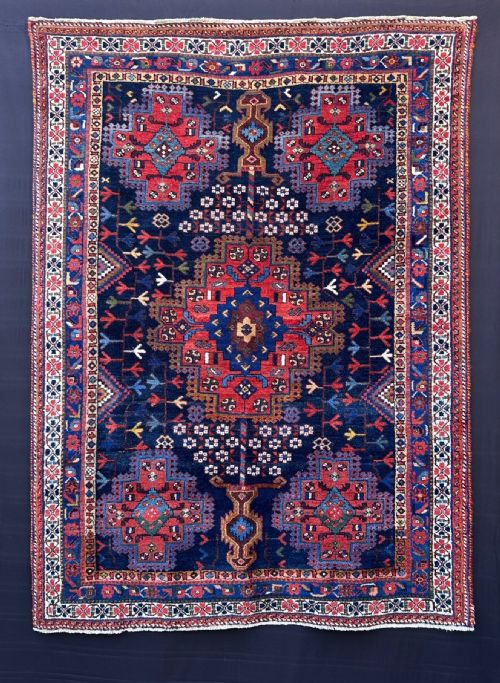
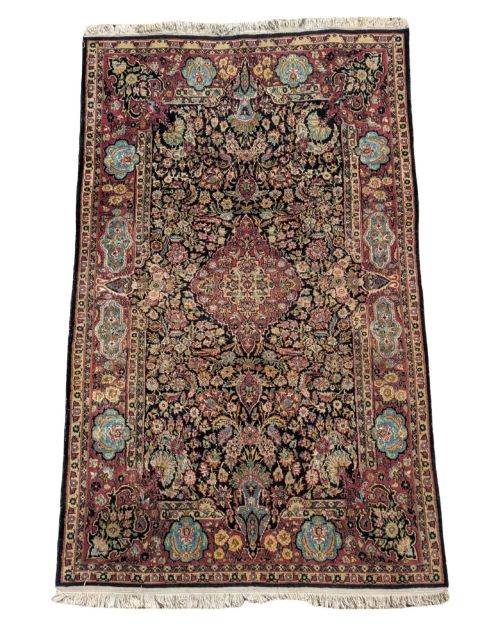
Traditional Wool Floor Rug
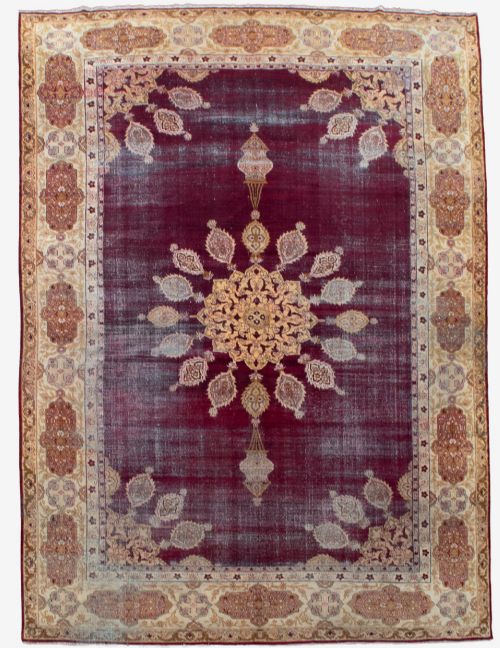
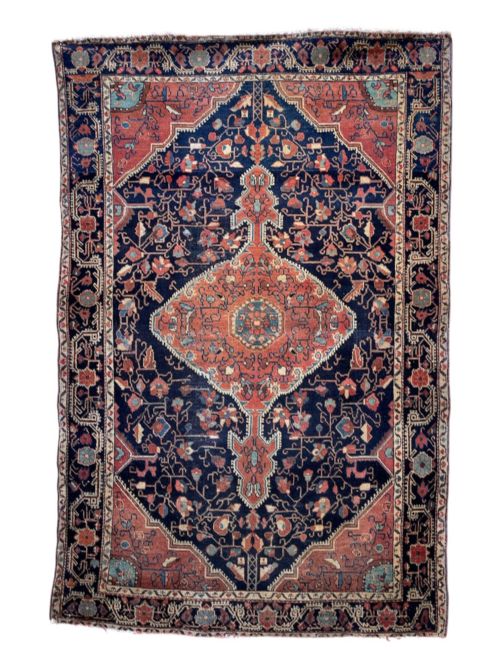
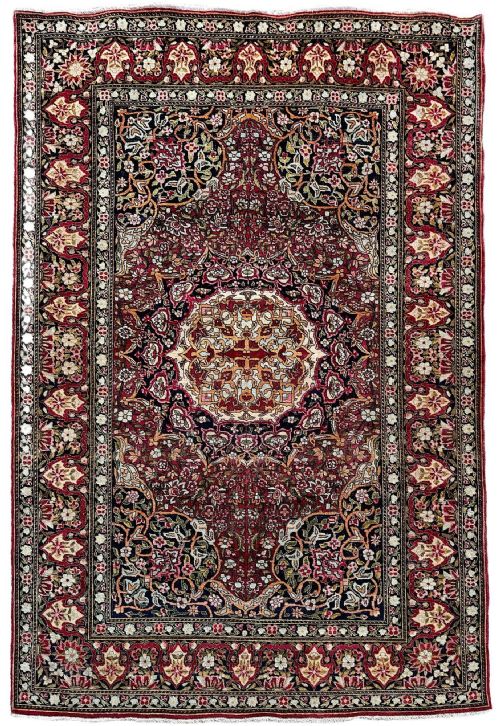
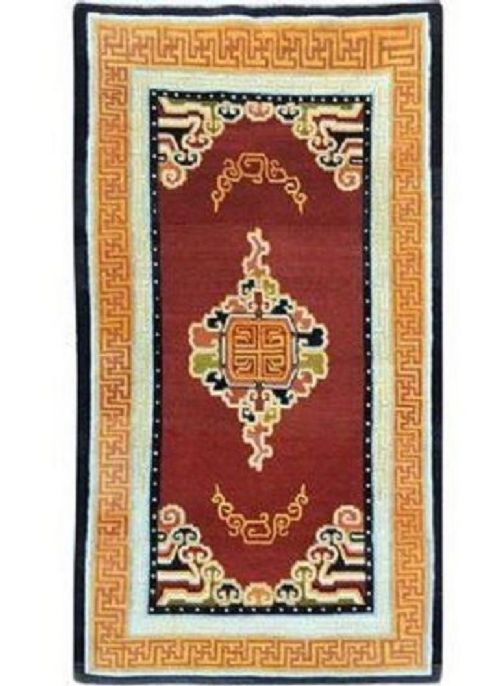
A traditional wool floor rug grounds a room with character, offering heavy texture and pattern woven across centuries of nomadic and village workshops.
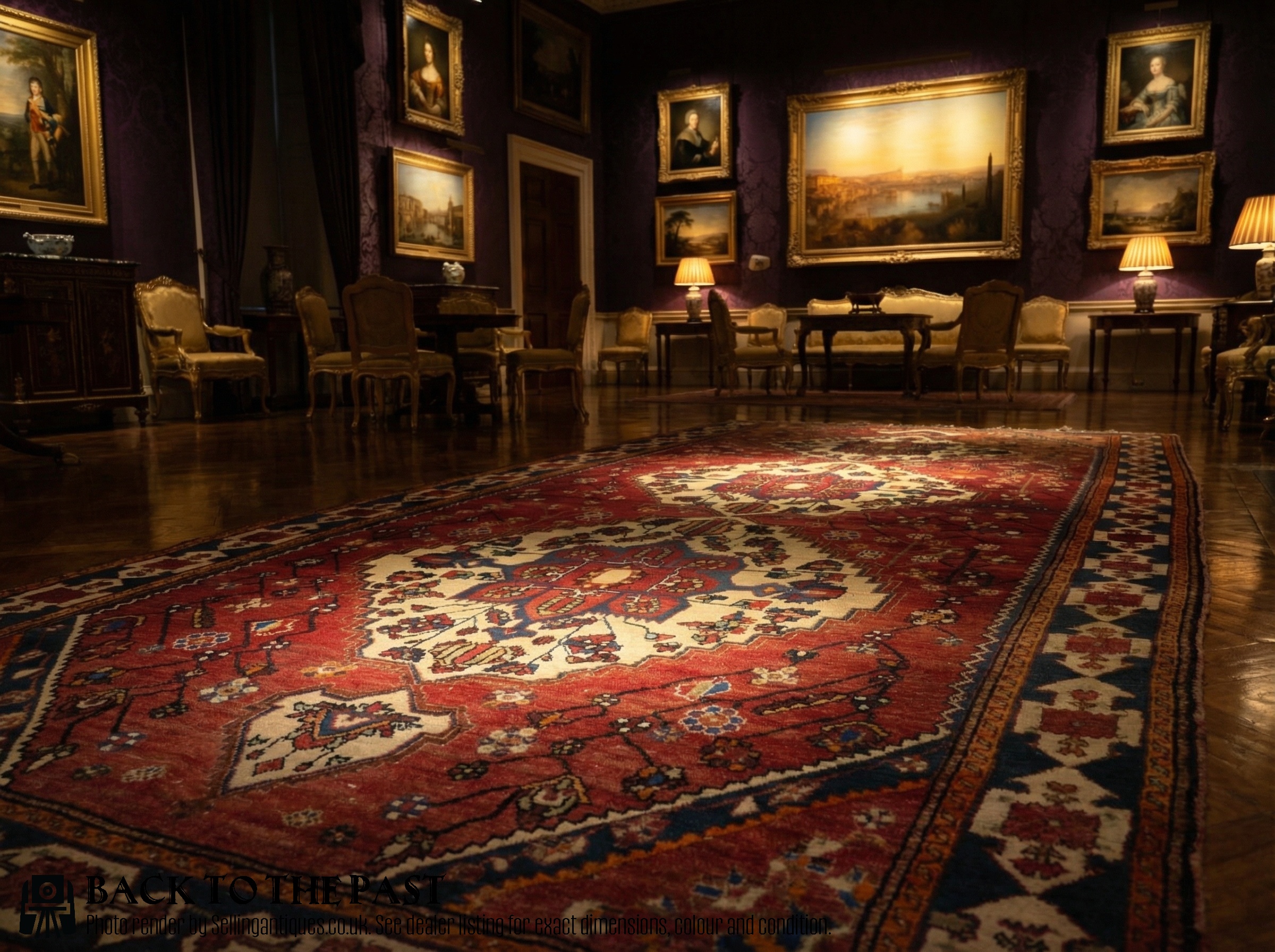
Traditional Wool Floor Rug
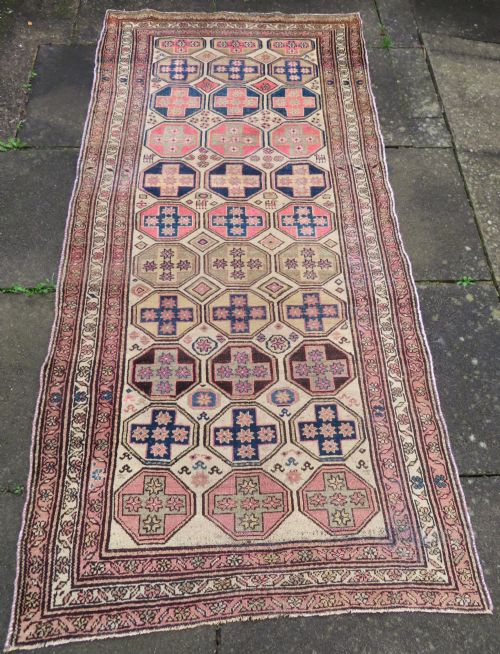
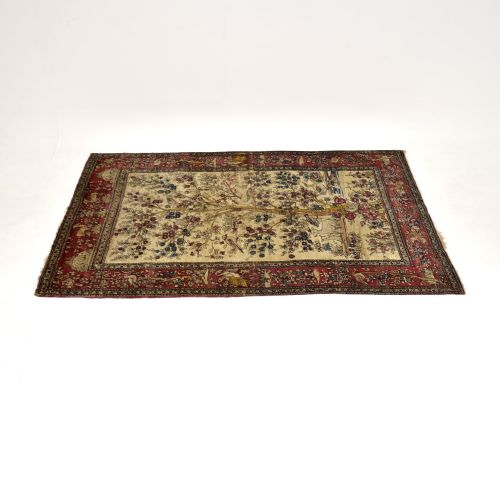
Buyers encounter village and tribal makes alongside larger city pieces, spanning styles from Persian Heriz and Kurdish designs to Turkmen and Caucasian configurations. Each example reflects specific regional aesthetics shaped by the materials and motifs available to local makers.
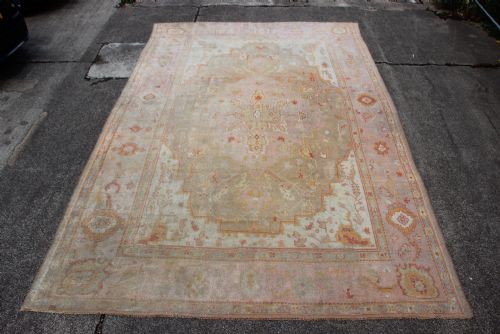
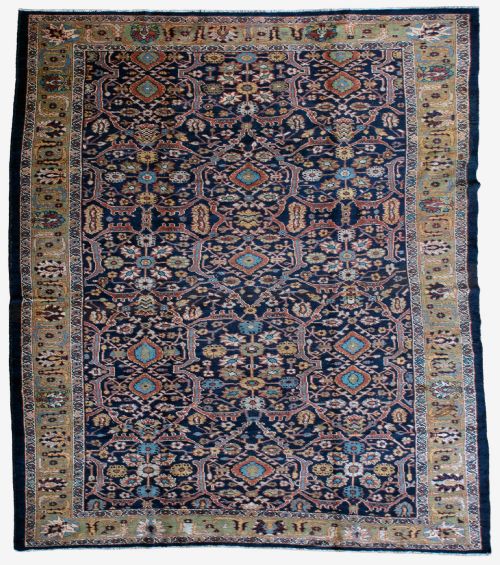
The selection ranges from room-sized Oushak and Sultanabad carpets down to compact Kurdish and Hamadan rugs. These floor coverings provide practical service while displaying distinct regional drawing and composition.
How they were made
These floor coverings rely primarily on sturdy wool foundations and surface piles, occasionally incorporating cotton foundations or silk highlights for specific textural contrast. Natural dyes supply the characteristic warm red, rust, and polychrome palettes recorded across the period.
Weavers knotted wool onto warp and weft structures by hand, producing dense pile fabrics capable of enduring heavy foot traffic over generations. Nomadic and village looms utilised locally sourced animal fibres and traditional regional geometries.
Traditional Wool Floor Rug Retail Price Guide 2026
Typical asking prices for traditional wool floor rug among the pieces listed under this phrase on Sellingantiques today, from the lower quarter to the upper quarter. They describe what is for sale here now, not the wider market.
The listings span eight distinct decades of production, reaching back from the 1930s to the 1850s.
What varies in quality
Quality rests in the fidelity of regional drawing, the handling of natural dyes, and the density of the wool pile. Finer weaves allow for sharper geometric or curvilinear precision in styles ranging from Bidjar to Isfahan.
The depth and vibrancy of the dye work differentiate standard village production from master workshop output. Superior pieces maintain crisp motifs and balanced colour distribution across the entire field and border system.
Kizyl Ayak Tribe·Ersari Tribe·Bakhtiar Workshops·Bidjar Weavers
The Traditional Wool Floor Rug Glossary
- Pile
- The cut yarn surface forming the soft upper layer of a rug. This dense wool barrier absorbs wear and protects the structural foundation underneath.
- Warp
- The vertical threads stretched tightly on the loom before weaving begins. Fringe ends typically consist of these exposed parallel cords.
- Weft
- The horizontal threads passed alternately over and under the warp strands to lock knots in place. Together with the warp, it forms the grid foundation.
- Natural Dyes
- Organic colourants derived from plants, insects, and minerals rather than synthetic chemicals. These substances yield complex tones that mellow gradually over decades.
- Guls
- Repeated medallion or octagonal motifs characteristic of Turkmen and Baluch tribal weaving. Each pattern identifies specific weaving groups and ancestral lineages.
Traditional Wool Floor Rug: Frequently Asked Questions
How do I clean a wool rug?
Vacuum gently without using a rotating brush roll to protect the wool pile from unnecessary friction and fibre loss.
Professional specialist washing remains essential for deep cleaning traditional textiles without disturbing the foundational dyes and fibres.
Where should I place runners?
Hallway runners suit high-traffic transitional zones like corridors, entryways, and narrow gallery spaces.
Their elongated formats protect timber or stone floors while guiding movement through domestic layouts.
What is a tribal rug?
Tribal rugs originate from nomadic or semi-nomadic groups working outside large urban workshops.
These pieces feature memory-driven geometric designs, bold coloration, and rugged wool structures reflecting local tribal identities.
How do I date a rug?
Dating relies on stylistic analysis, material composition, structural knotting techniques, and dye characteristics.
Comparing regional motifs against documented nineteenth and early twentieth-century examples helps establish probable periods of origin.