




Antique Mahal Rug
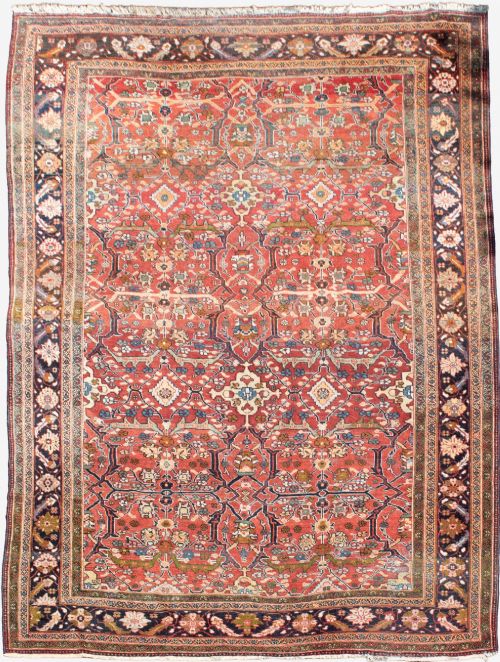
An antique mahal rug brings generous proportions and robust Western Persian craftsmanship into a room.
Antique Mahal Rug
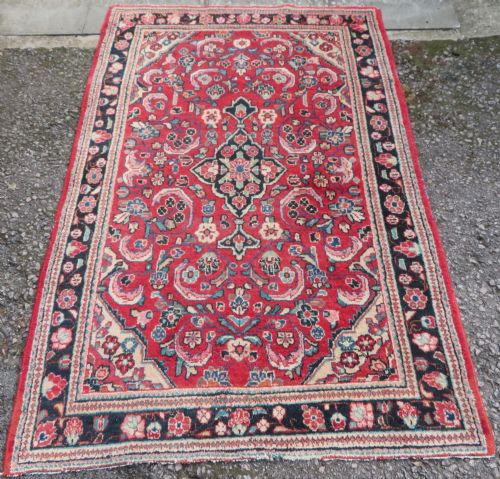
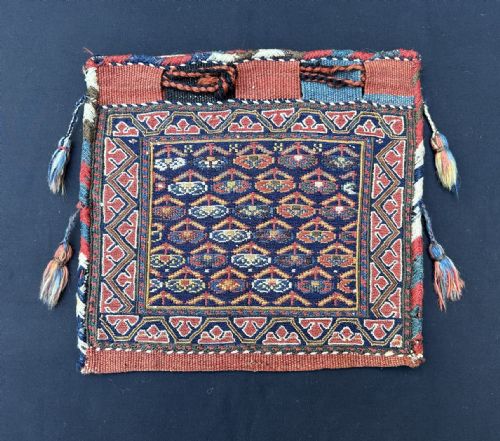
An antique mahal rug originates from the Chahar Mahal region of Western Persia, taking the form of room-sized carpets and smaller floor coverings. Buyers encounter substantial carpets alongside village rugs and nomadic containers such as wheat sacks and half-khorjins.
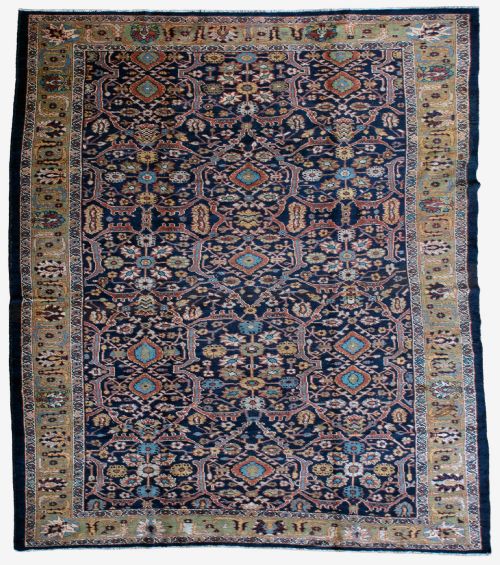
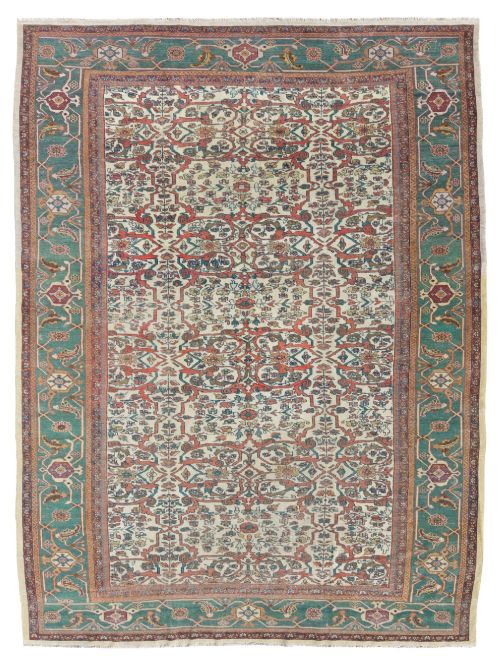
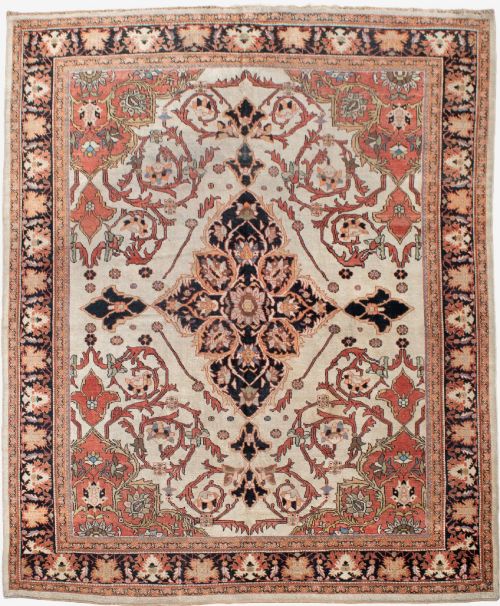
The aesthetic centres on large-scale floral designs, all-over shrub motifs, and soft peach or ivory grounds. Pieces often date from the late nineteenth century into the early decades of the twentieth century, reflecting traditional Persian weaving methods.
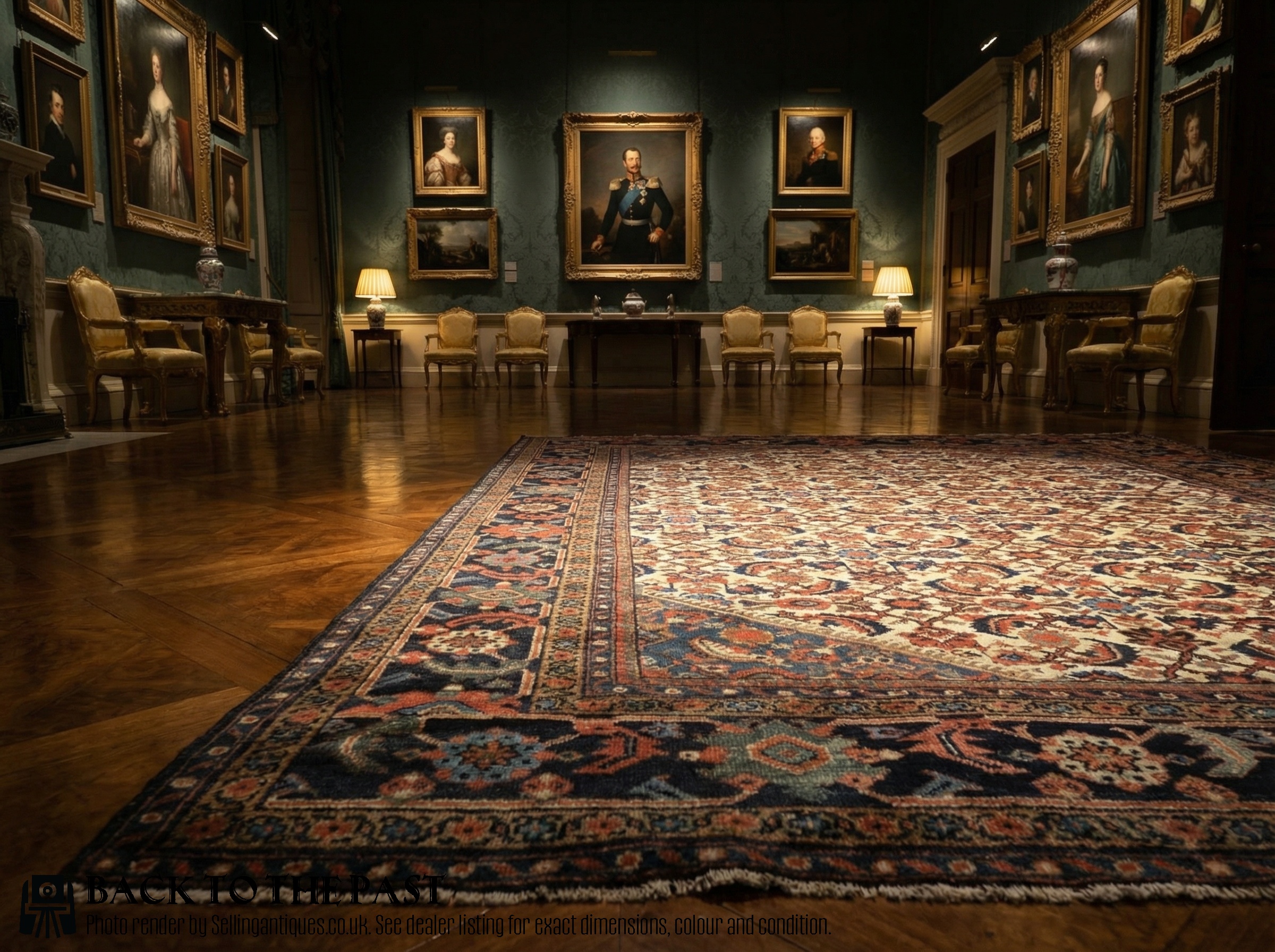
Subsets on display include associated styles like Sultanabad, Ziegler, and Fereghan carpets, alongside Bakhtiari tribal pieces. These heavy floor coverings suit country house interiors through their muted palettes and durable village construction.
How they were made
Weavers utilised hand-spun wool and cotton foundations, often incorporating goat hair for added structural resilience in tribal formats. Natural dyes provided the characteristic soft apricot, ivory, and terracotta tones observed across the region.
Nomadic and village workshops constructed these textiles by hand, knotting wool onto sturdy warps to withstand heavy daily use. The resulting heavy pile and robust handle define the physical character of the pieces.
Antique Mahal Rug Retail Price Guide 2026
Typical asking prices for mahal rug among the pieces listed under this phrase on Sellingantiques today, from the lower quarter to the upper quarter. They describe what is for sale here now, not the wider market.
Wheat sacks repurposed as rugs preserve centuries-old nomad grocery storage habits under dining room tables.
What varies in quality
Quality rests on the handling of natural dyes and the depth of the wool pile, which dictates how the surface catches the light. Rich, varied coloration in softer shades elevates an example above flatly dyed counterparts.
The drawing of the large-scale floral patterns and the precision of the village knotting separate ambitious room-sized carpets from simpler utility weaves. Handling of secondary materials like goat hair also marks out the more durable tribal productions.
The Antique Mahal Rug Glossary
- Mahal
- A type of Persian carpet woven in the Chahar Mahal region, known for large-scale floral designs and room-sized formats. These rugs often feature muted or soft earthy palettes.
- Ziegler
- A commercial adaptation of Persian carpet weaving created for Western tastes, utilising subdued palettes and room-sized formats. They share design traits with traditional Mahal carpets.
- Tacheh
- A traditional woven wheat sack or storage bag produced by nomadic and village tribes in Western Persia. Collectors value these smaller textiles for their authentic tribal utility.
- Sultanabad
- An early designation for large-format Persian carpets produced in the same general sphere as Mahal weaves. They display similar bold floral patterns on room-sized scales.
- Khorjin
- A traditional double saddlebag woven by tribal groups for transport and storage. Surviving examples often appear as half-khorjins in collections.
Antique Mahal Rug: Frequently Asked Questions
Where were antique mahal rugs made?
These rugs were woven in the Chahar Mahal region of Western Persia by village and nomadic weavers. Production centred around local communities and tribes working within established regional traditions.
The geography encompasses specific valleys and settlements that supplied both domestic items and larger carpets for export markets.
How do you style a large mahal carpet?
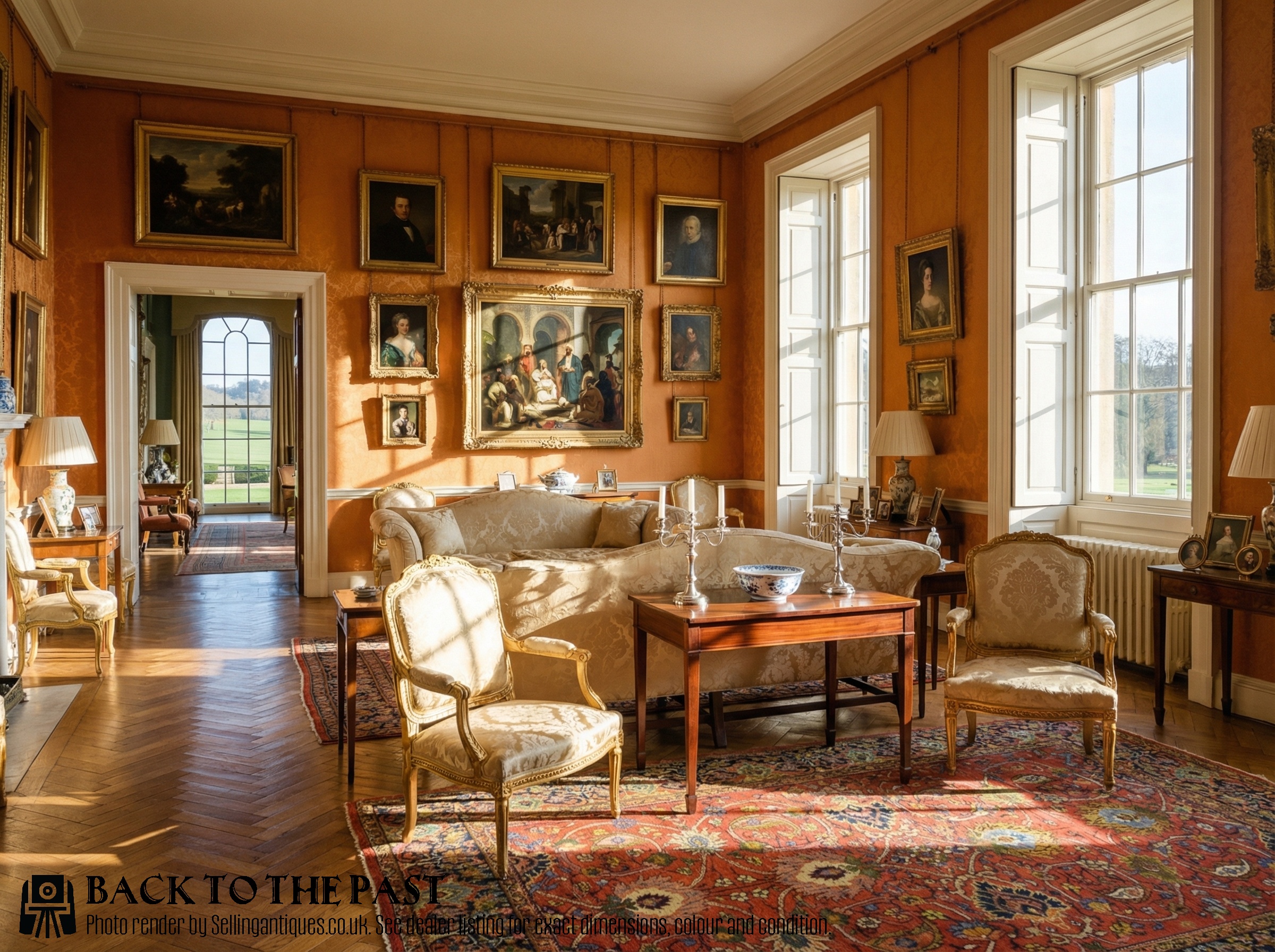
Large room-sized carpets anchor high-traffic spaces such as drawing rooms and dining areas through their generous dimensions and subdued neutral or terracotta grounds. Their large-scale floral patterns complement both traditional country house interiors and modern settings.
Subtle apricot and ivory tones allow the floor coverings to unify varied furniture styles without dominating the room.
What is the difference between a mahal and a sultanabad?
Sultanabad carpets often represent the earlier, grander commercial output of the region, while Mahal rugs encompass a broader range of village and workshop designs. Both share robust wool construction and large-scale botanical motifs.
Distinctions usually lie in the subtlety of the weave and the specific handling of the floral layout.
What is a tacheh rug?
A tacheh is a woven wheat sack or utility bag made by nomadic groups like the Luri-Bakhtiari tribes in Western Persia. These smaller pieces served practical storage functions within tribal households.
Collectors prize them today as compact examples of authentic regional weaving techniques.