



Hand Woven Area Rug
A hand woven area rug brings depth to a floor through enduring wool, cotton, and silk construction.
Hand Woven Area Rug
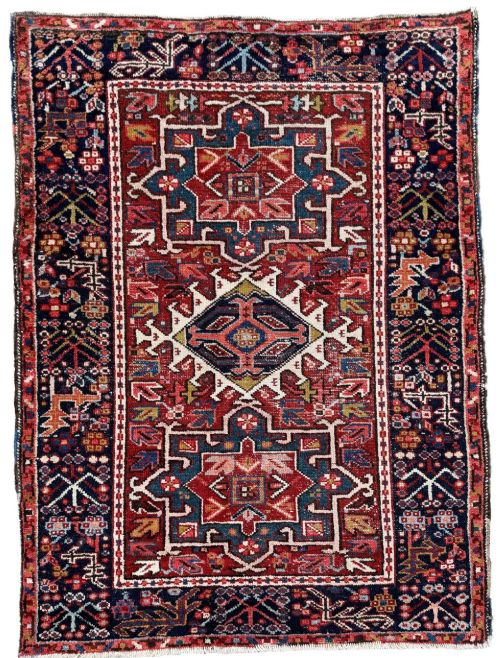
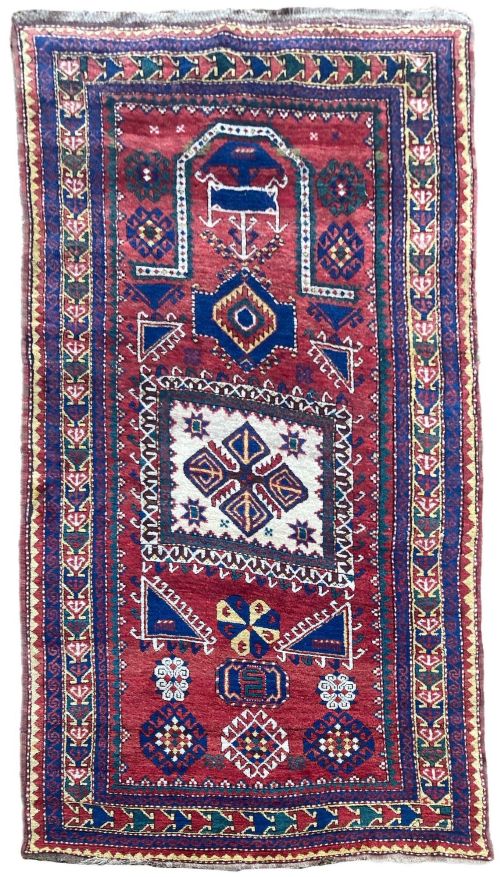
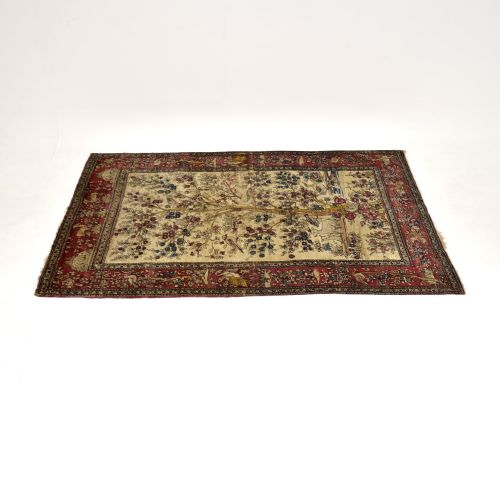
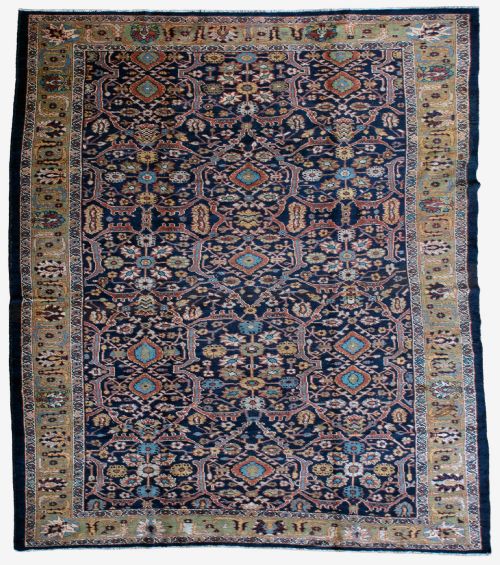
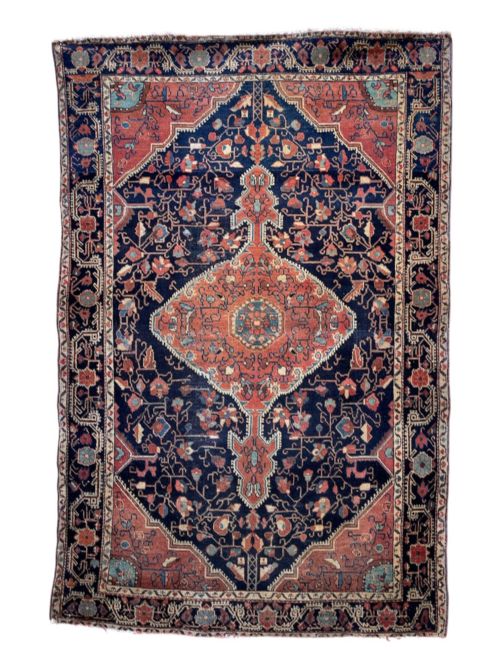
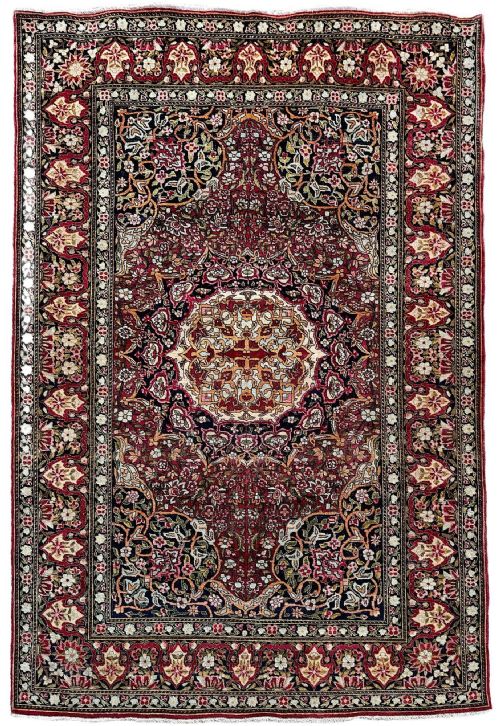
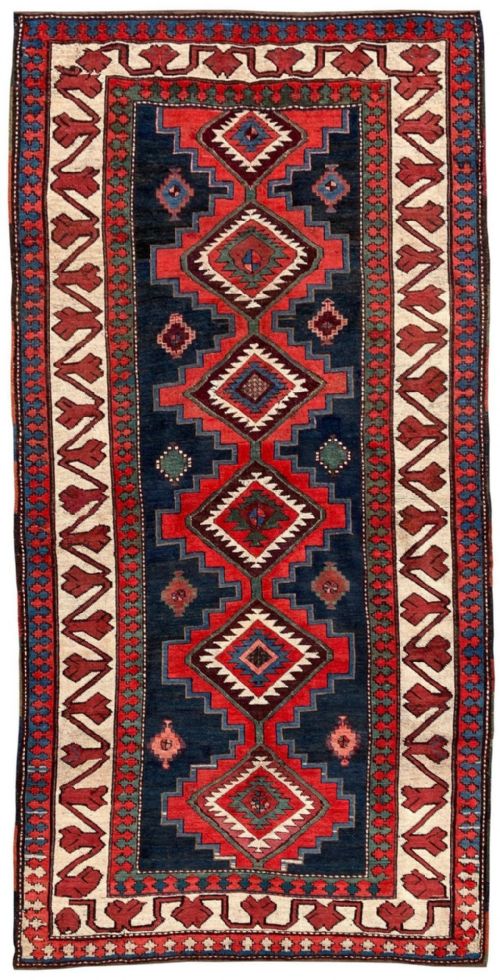
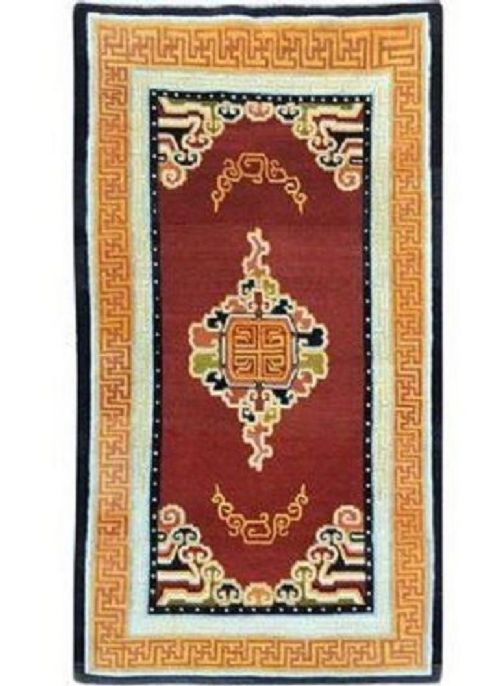
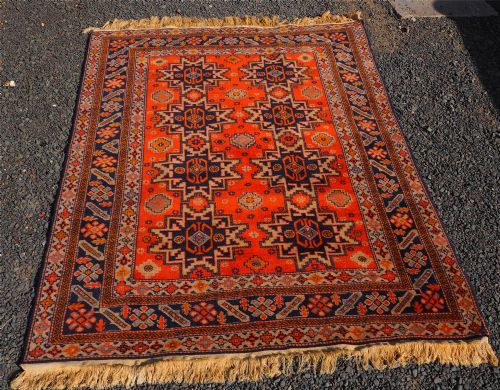
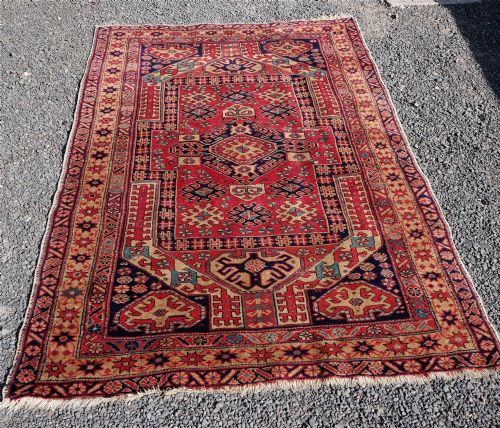
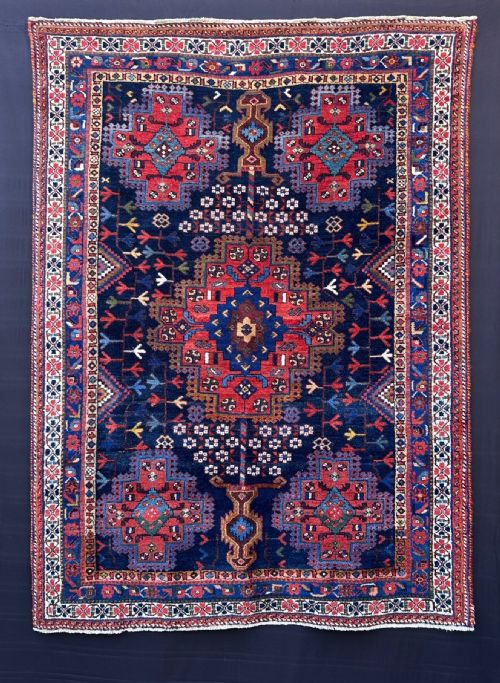
When you search for a hand woven area rug, you encounter floor coverings spanning from the mid-nineteenth century through the 1930s. These pieces include large carpets, hearth-sized mats, and long runners designed for specific domestic spaces.
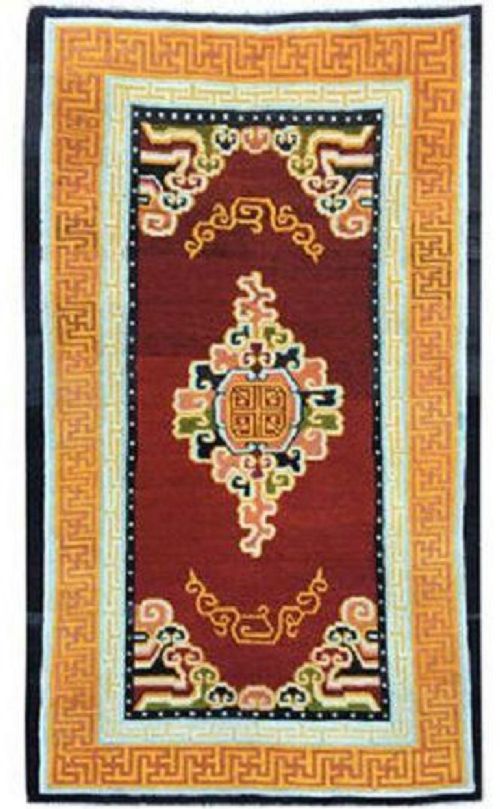
The selections here centre on Persian, Caucasian, Turkmen, Tibetan, and Chinese regional styles. You meet village weaves alongside larger city carpets, covering geometric tribal patterns and classical floral medallions.
Most examples originate from traditional weaving centres across Persia, the Caucasus, and Central Asia, alongside production from Tibet and Ningxia. Each piece reflects the specific cultural motifs and knotting techniques of its source region.
How they were made
Weavers constructed these rugs predominantly from sheep wool, employing cotton for foundations and occasionally incorporating silk highlights to define particular motifs. Natural dyestuffs provided the rich palette seen across nineteenth-century and early twentieth-century examples.
Workers knotted the pile by hand onto warp and weft foundations, creating durable surfaces designed to withstand generations of heavy domestic use. Edge finishes and fringe bindings were applied by hand upon completion of the main weaving process.
Hand Woven Area Rug Retail Price Guide 2026
Typical asking prices for hand woven area rug among the pieces listed under this phrase on Sellingantiques today, from the lower quarter to the upper quarter. They describe what is for sale here now, not the wider market.
Regional styles documented in the current inventory include Persian, Caucasian, Turkmen, Tibetan, and Chinese traditions.
What varies in quality
Quality rests in the density of the knotting and the precision with which regional motifs are executed across the field. Finer structures allow for intricate detail in medallions and borders, while heavier village weaves prioritise robust utility.
The stability of the natural dyes and the condition of the wool pile determine how well a piece holds its visual depth over time. Superior examples combine resilient materials with balanced proportions and clear, saturated colour.
The Hand Woven Area Rug Glossary
- Pile
- The vertical or diagonal loops of yarn that form the usable surface of a rug. This layer absorbs foot traffic and displays the woven design.
- Warp
- The stationary longitudinal threads stretched onto the loom before weaving begins. Weavers tie the rug knots directly onto these parallel foundation strands.
- Weft
- The horizontal threads passed across the warp strands to secure each row of knots in place. These threads provide structural rigidity to the rug foundation.
- Medallion
- A central ornamental design motif placed in the middle of the carpet field. This focal point often incorporates symmetrical floral or geometric arrangements.
- Prayer rug
- A small format rug featuring a mihrab or arch design at one end. Historically, worshippers placed these pieces towards Mecca during daily prayers.
- Khotan
- An oasis city in Central Asia known for distinct carpet production traditions. Weavers there combined Chinese and Islamic design elements using wool and silk.
Hand Woven Area Rug: Frequently Asked Questions
How do I clean an antique rug?
Gentle surface brushing and professional specialist washing preserve the integrity of older wool and silk fibres. Avoid harsh chemical treatments that strip natural oils from the pile.
Regular rotation prevents uneven wear patterns in high-traffic rooms. Professional dusting removes abrasive grit lodged deep within the foundation threads.
Can I place these rugs in bright rooms?
Natural dyes tolerate normal daylight well, though direct continuous sunlight fades colours over many years. Positioning rugs away from intense south-facing windows maintains pigment saturation.
Window films or sheer blinds offer adequate protection while preserving natural light levels in living spaces.
Do I need an underlay?
A breathable rug pad prevents slipping on smooth wooden or stone floors. This extra layer also absorbs impact, reducing friction between the wool foundation and hard surfaces.
Selecting a quality underlay extends the functional lifespan of nineteenth-century and vintage floor coverings significantly.
How do I identify tribal designs?
Tribal rugs display geometric motifs, repeating hooked polygons, and rectilinear borders passed down through nomadic family lineages. These patterns rely on memory and local tradition rather than formal workshop cartoons.
Asymmetrical details and varied abrash colour shifts often indicate nomadic or village production methods.