

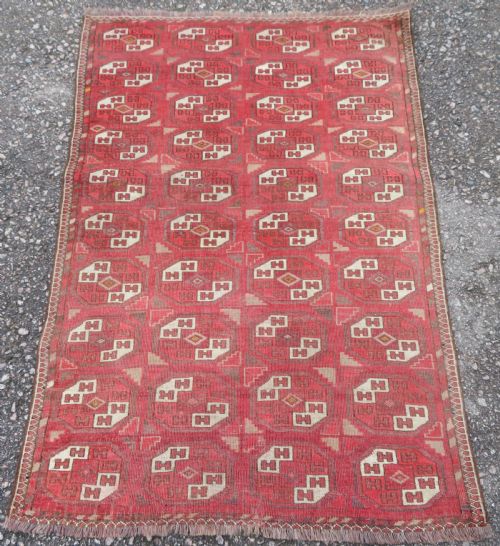
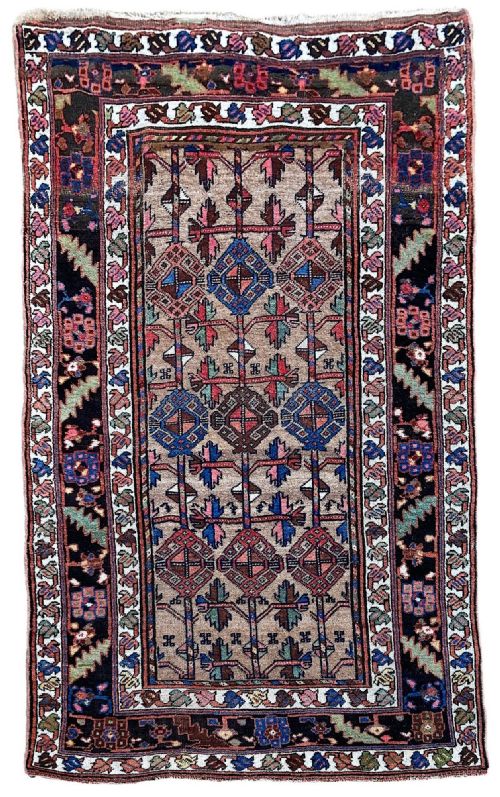
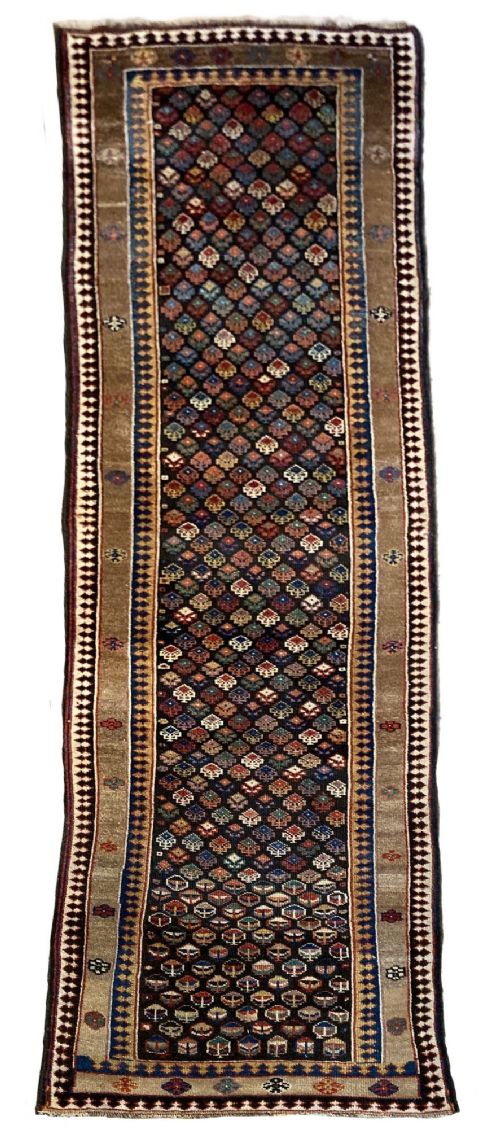
Geometric Pattern Rug
A geometric pattern rug brings tribal structure and rich wool texture into a room, offering enduring warmth and bold design.
Geometric Pattern Rug
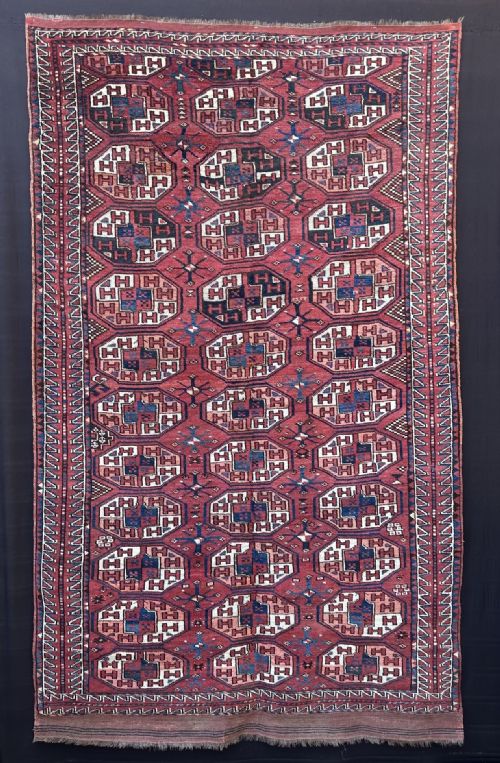
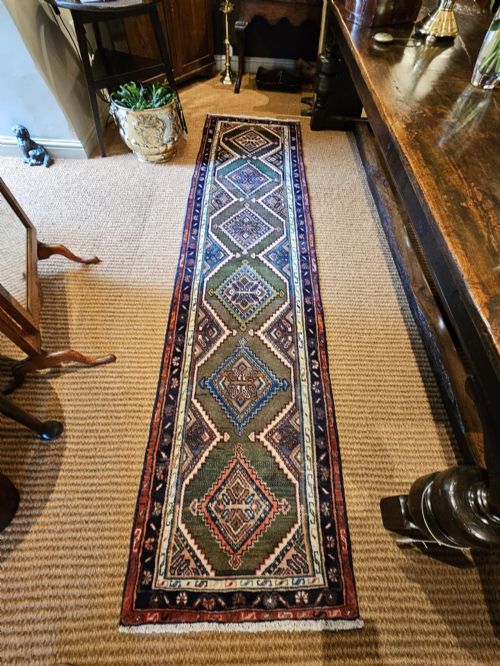
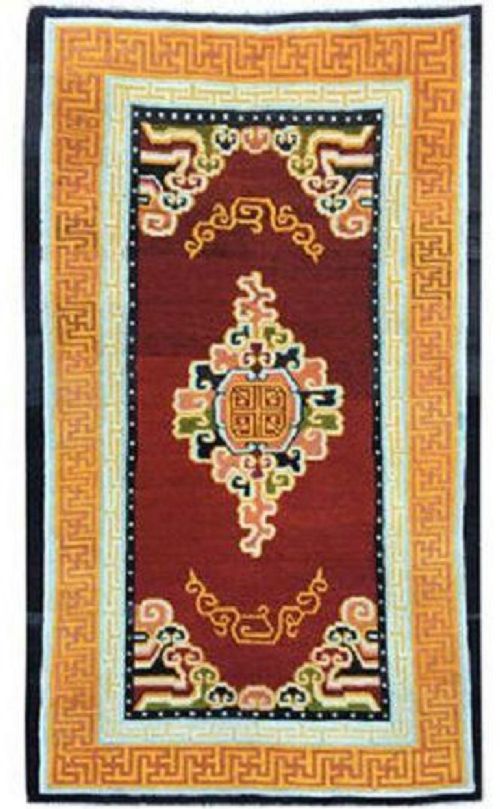
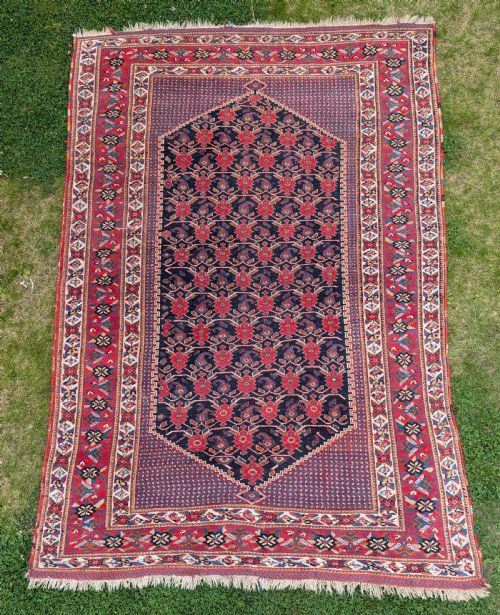
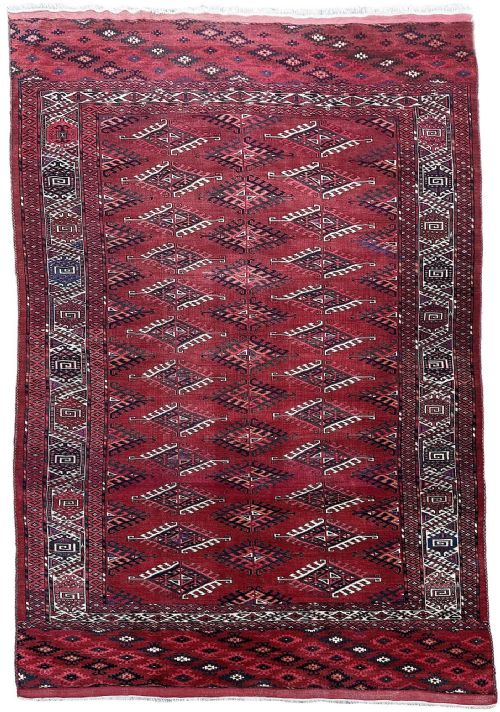
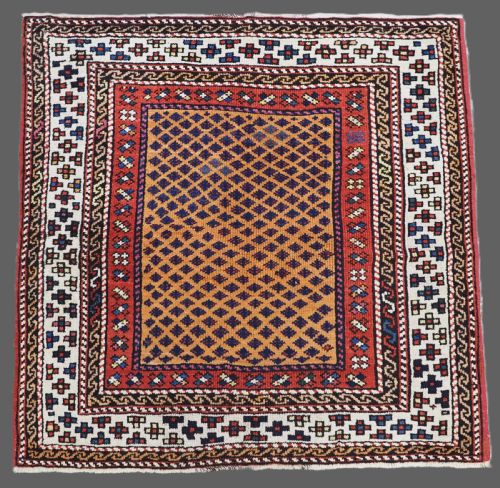
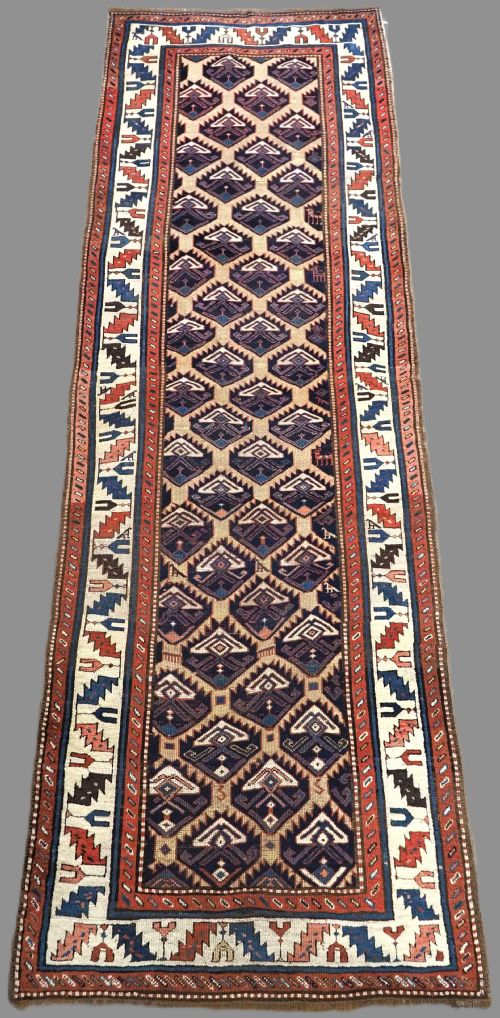
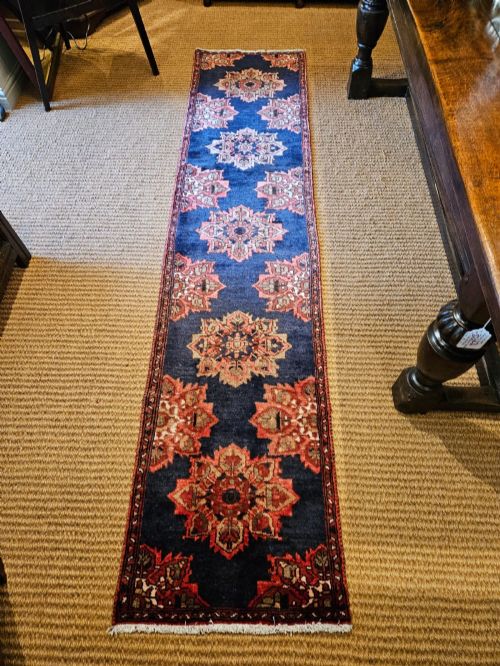
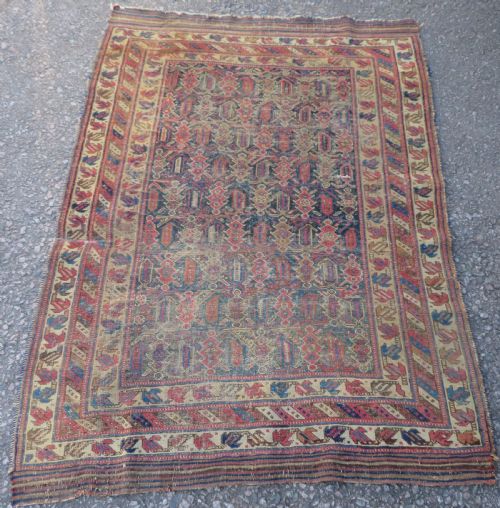
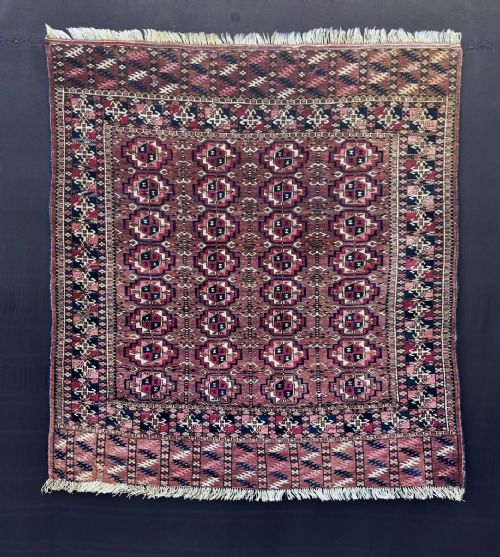
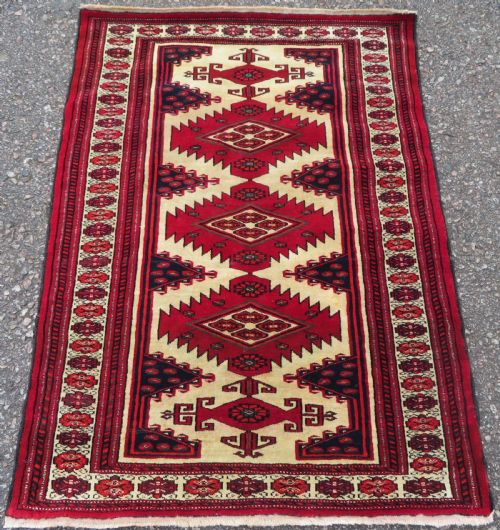
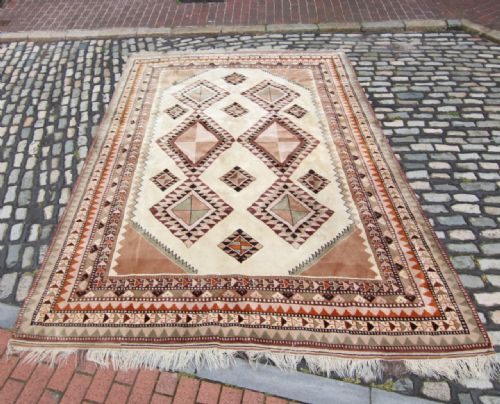
A geometric pattern rug comprises hand-woven floor coverings originating from tribal and nomadic weaving traditions. These pieces feature structured motifs built from lines, diamonds, and angular shapes rather than floral curves. The selection draws from traditional Caucasian, Kurdish, Afshar, and Yomut Turkmen origins.
The periods represented span from the late nineteenth century through to the early decades of the twentieth century. Common formats include area rugs, kilims, and soumaks, often finished with long kilim ends. Buyers encounter works dated across eighteen-eighty, nineteen-hundred, nineteen-ten, and nineteen-twenty.
How they were made
Weavers constructed these pieces primarily using wool and cotton foundations and pile. The materials provide the substantial weight and tactile handle characteristic of nomadic and tribal weaving.
Techniques range from knotted pile construction in traditional Kurdish and Afshar rugs to flat-woven kilim and soumak methods found in Yomut Turkmen pieces. These textile methods produce durable floor coverings with distinct surface textures.
Geometric Pattern Rug Retail Price Guide 2026
Typical asking prices for geometric pattern rug among the pieces listed under this phrase on Sellingantiques today, from the lower quarter to the upper quarter. They describe what is for sale here now, not the wider market.
Some Yomut Turkmen pieces feature unusually long kilim ends, giving a playful flutter to the room's edge.
What varies in quality
Quality rests in the precision of the tribal design execution and the depth of the wool. Pieces with crisp motifs and well-preserved ends stand apart from simpler iterations.
The nuance of the palette dictates distinction. Subtle colour interactions across traditional geometric fields elevate the standing of an individual weaving.
The Geometric Pattern Rug Glossary
- Kilim
- A flat-woven carpet or rug made without a pile. These pieces rely on interlocking weft threads to create sharp geometric designs.
- Soumak
- A flat-weaving technique where supplementary decorative threads wrap over the warp threads. This method creates a textured, durable surface with distinct pattern definition.
- Boteh
- A traditional almond-shaped or paisley motif with a curved upper end. It appears frequently within tribal and traditional Persian designs.
- Palas
- A flat-woven utility textile or rug. The term often describes nomadic utilitarian flatweaves.
Geometric Pattern Rug: Frequently Asked Questions
What is a geometric pattern rug?
A geometric pattern rug is a hand-knotted or flat-woven textile featuring angular motifs, lines, and tribal symbols. These pieces originate from nineteenth and early twentieth-century nomadic and village traditions.
They provide durable floor coverings with distinct cultural designs that anchor a room's interior scheme.
How do I care for wool rugs?
Wool rugs require gentle regular vacuuming without a rotating brush to protect the pile and flat-woven ends. Professional cleaning preserves the natural lanolin and dye stability.
Keeping the rug out of direct sunlight prevents premature fading of the traditional wool colours.
Are these rugs suitable for high traffic?
Traditional wool and cotton construction gives these pieces natural resilience for everyday use. Dense pile and tight flat-weave techniques withstand regular foot traffic.
Using a quality underlay prevents slipping and reduces friction between the rug and the floorboards.
How do I date an antique rug?
Dating relies on wool quality, natural dye characteristics, and structural construction methods. Specific tribal motifs and weaving techniques align with known production periods.
Comparing structural elements like fringe finishes and edge bindings helps determine the era of manufacture.