
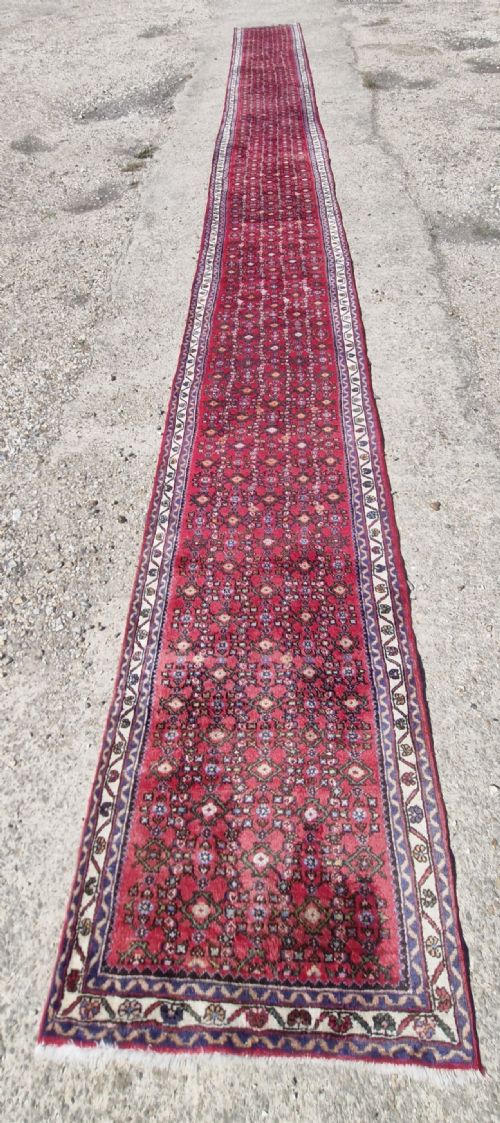

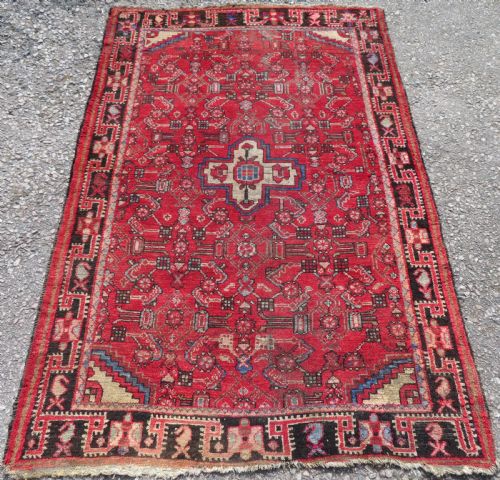
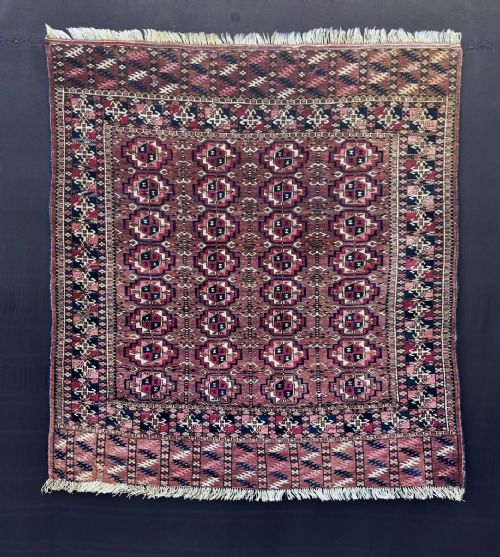
Crimson Tribal Carpet
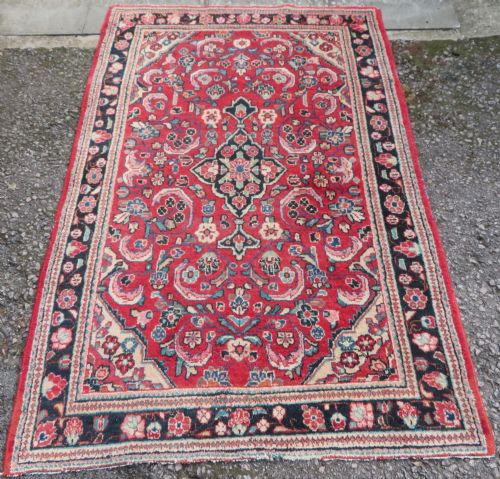
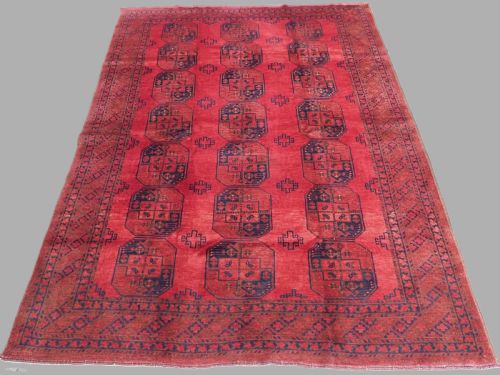
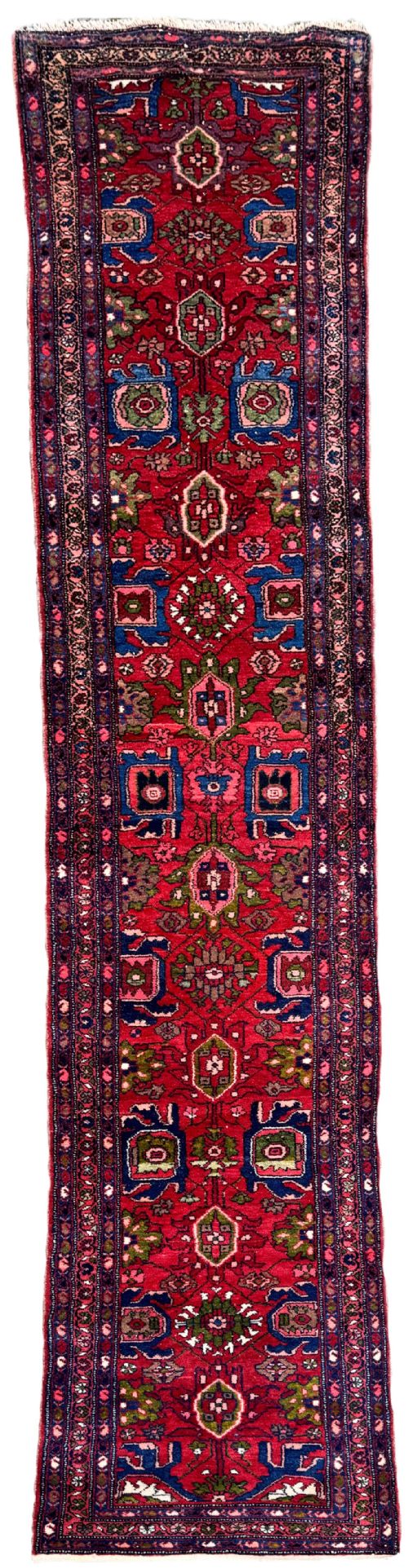
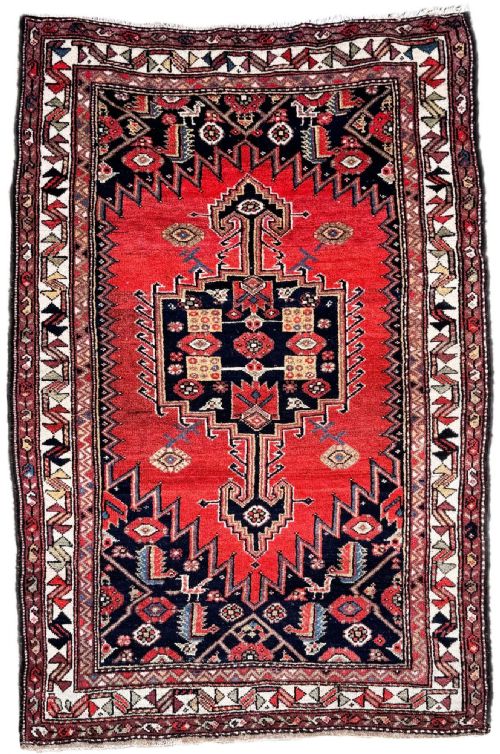
A crimson tribal carpet brings deep, resonant colour and striking geometric motifs into a room, offering genuine historical character for your floor.
Crimson Tribal Carpet
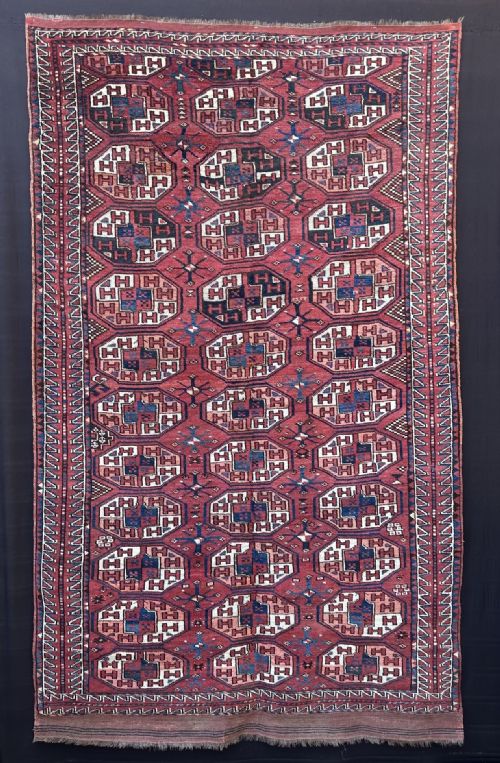
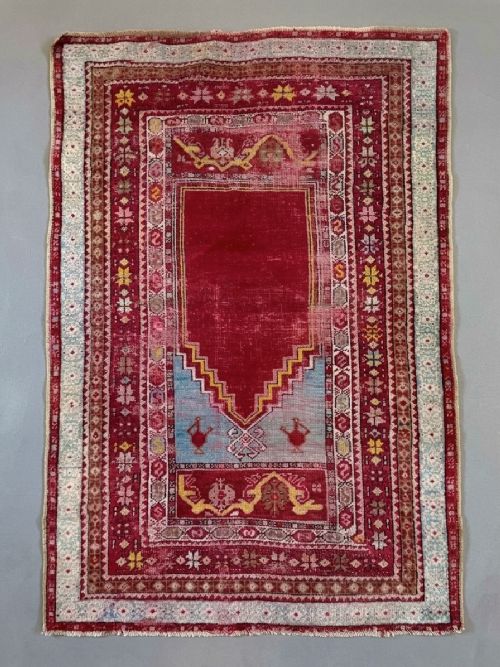
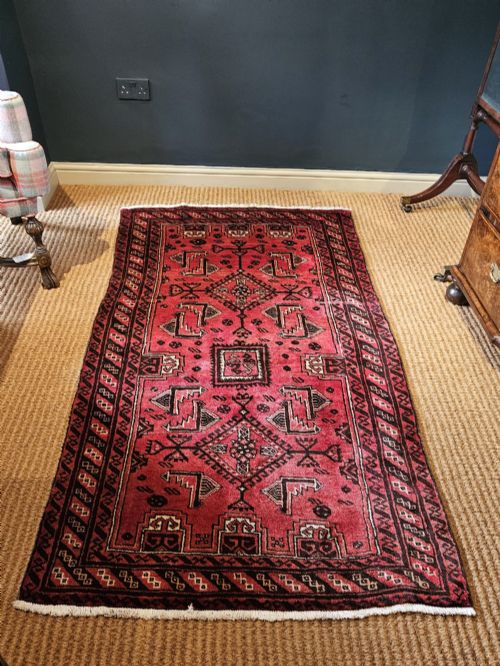
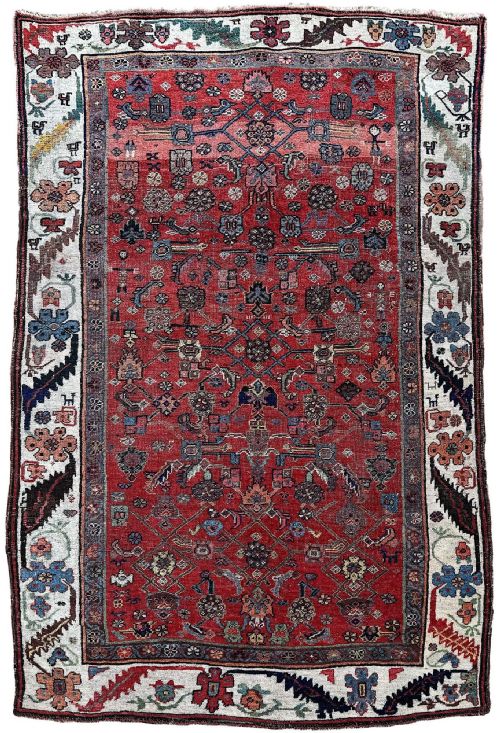
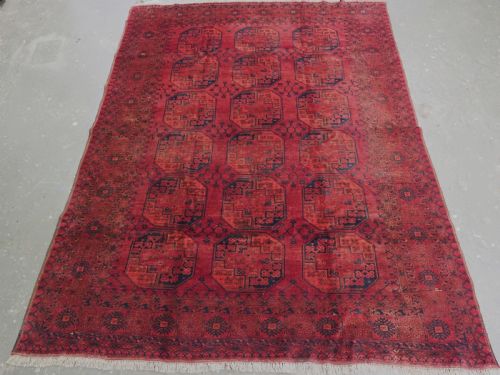
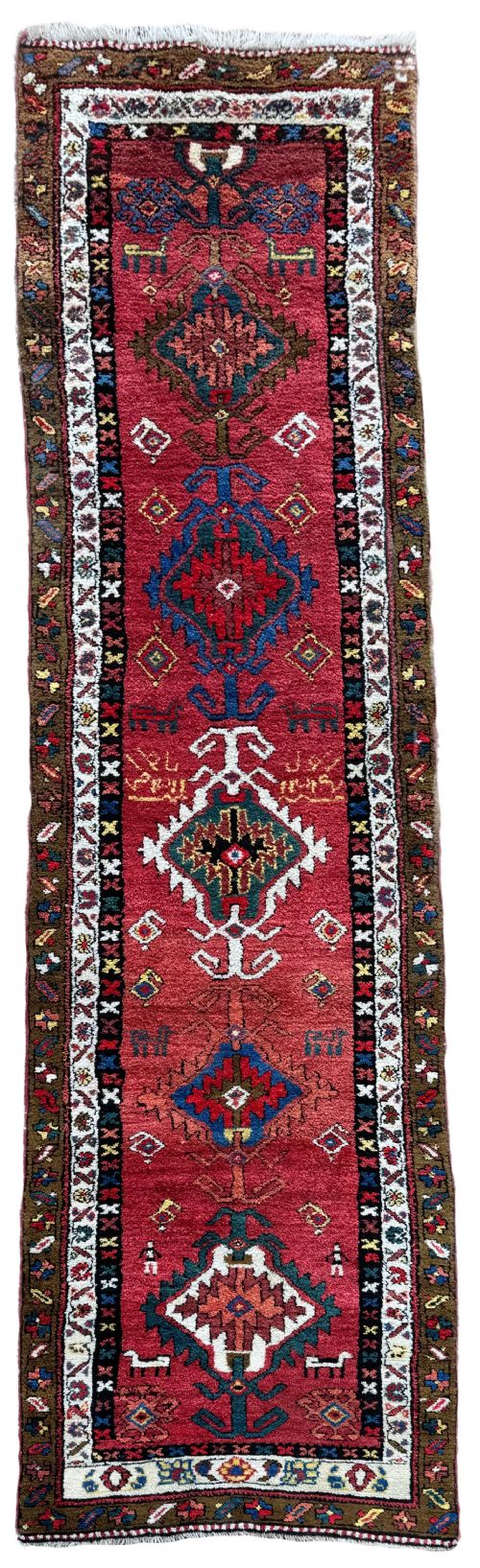
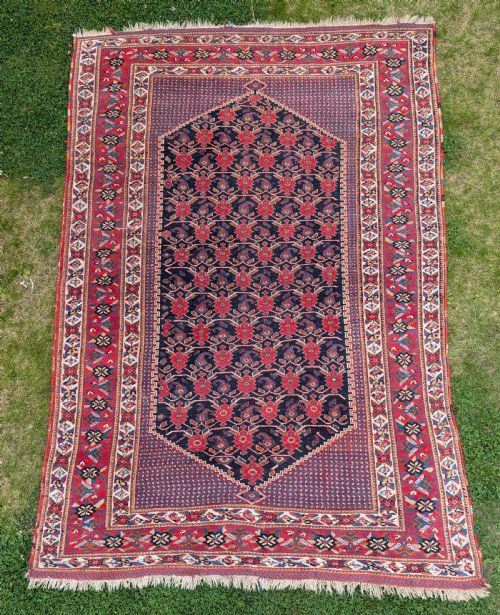
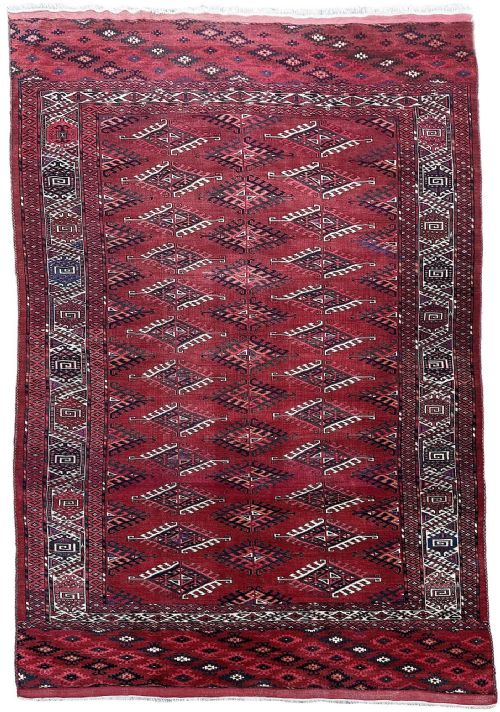
A crimson tribal carpet is a hand-knotted textile produced by nomadic and village weavers across Persia, Central Asia, and the broader region. When you search for a crimson tribal carpet, you encounter antique rugs and area rugs dating from the nineteenth and early twentieth centuries, including pieces from the 1870s, 1880s, 1890s, and 1900s. These pieces encompass specific tribal traditions such as Afshar, Luri, Khamseh, Qashqai, and Turkmen groups like the Tekke and Ersari.
The versions you are most likely to meet on this page span distinct regional aesthetics, from wedding dowry rugs originating in the Merv Oasis to narrative pieces depicting architectural motifs like the pillars of Persepolis. Many items are categorised simply under Persian Tribal, Central Asian Tribal, or Turkmen Tribal headings. Their sizes vary, such as specific dimensions like 1.97m by 1.30m, yet all share a foundation rooted in traditional nomadic weaving practices.
How they were made
These carpets are constructed primarily using wool and cotton as the core structural and decorative materials. Weavers knotted hand-spun wool onto sturdy foundations, creating dense, durable surfaces designed to withstand the rigours of nomadic life or household use.
Natural dyeing traditions provided the characteristic crimson and red hues seen across the pieces. Artisans utilised local plants and minerals to achieve lasting depth of colour, complemented by secondary shades that define the tribal patterns.
Crimson Tribal Carpet Retail Price Guide 2026
Typical asking prices for crimson tribal carpet among the pieces listed under this phrase on Sellingantiques today, from the lower quarter to the upper quarter. They describe what is for sale here now, not the wider market.
One recorded rug depicts the pillars of Persepolis, bringing ancient stone architecture straight to a nomadic floor.
What varies in quality
Quality in these carpets rests upon the precision of the knotting and the complexity of the tribal design. Finer examples display tightly packed knots that allow intricate motifs, such as elaborate boteh or architectural pillars, to remain sharp and well-defined.
The depth and vibrancy of the natural crimson dyes also separate ordinary examples from superior ones. Well-preserved pieces retain rich, saturated colour palettes that have aged gracefully over the decades.
The Crimson Tribal Carpet Glossary
- Boteh
- A stylised floral or almond-shaped motif commonly found in Persian and tribal weaving. This ancient symbol often represents a bush, seed, or flame.
- Ensi
- A traditional carpet type woven by Turkmen tribes, historically used as a tent door hanging. These pieces feature characteristic cross-shaped partitioning.
- Tekke
- A major Turkmen tribe renowned for producing finely knotted wedding dowry rugs. Their work frequently incorporates disciplined geometric göl motifs.
- Qashqai
- A confederacy of pastoral nomadic tribes in southwestern Persia known for deeply saturated hues and imaginative pictorial elements. Their rugs often reflect the mythology and landscape of their environment.
Crimson Tribal Carpet: Frequently Asked Questions
What is a crimson tribal carpet?
A crimson tribal carpet is an antique hand-knotted rug or area rug produced by nomadic or village weavers in regions such as Persia and Central Asia.
These textiles date from the nineteenth and early twentieth centuries and are valued for their rich red tones and distinct tribal patterns.
How were these carpets used originally?
Nomadic weavers utilised these rugs within tents for flooring, bedding, or storage, while specific types served ceremonial functions.
For instance, Turkmen wedding dowry rugs and tent door hangings held profound cultural significance during tribal celebrations and daily life.
How do I live with an antique tribal rug?
Living with an antique tribal rug involves placing it in a low-traffic area or protecting it with a suitable underlay to cushion the wool.
Regular gentle vacuuming without a beater bar and keeping the textile out of direct sunlight will help preserve the natural dyes.
How can I tell different tribal types apart?
Distinguishing tribal types relies on observing specific structural traits, secondary colours, and repeating geometric motifs unique to each group.
Afshar, Khamseh, Qashqai, and various Turkmen tribes each employed distinct design vocabularies that identify their geographic and cultural origins.