


Antique Nomadic Carpet
An antique nomadic carpet brings the dense geometry and rich tribal symbolism of Central Asian and Persian steppes directly into a modern interior.
Antique Nomadic Carpet
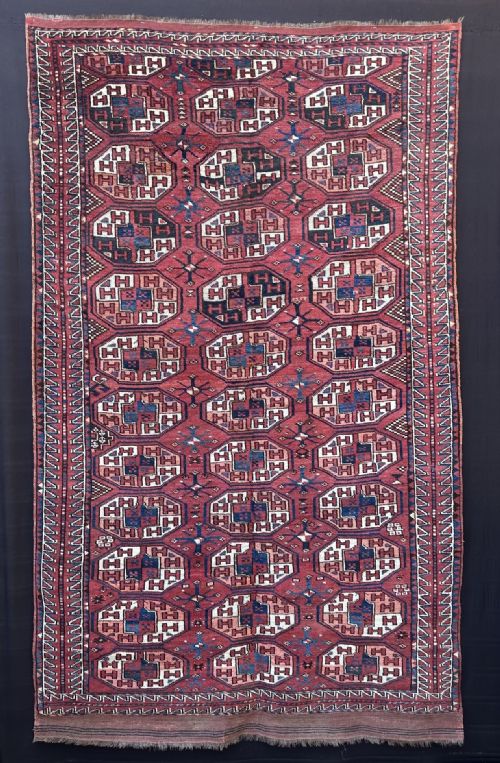
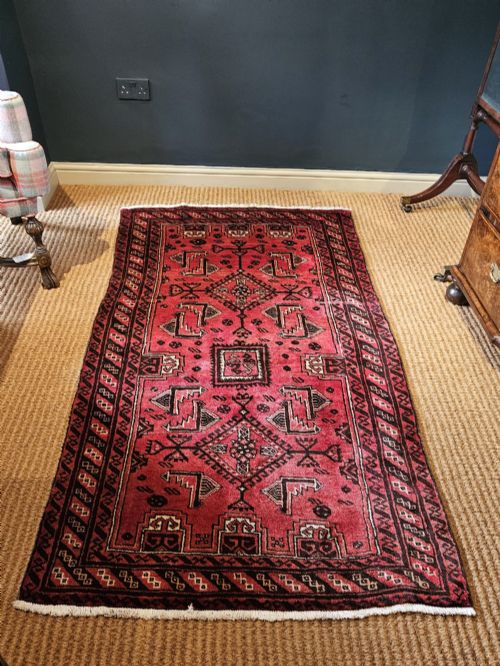
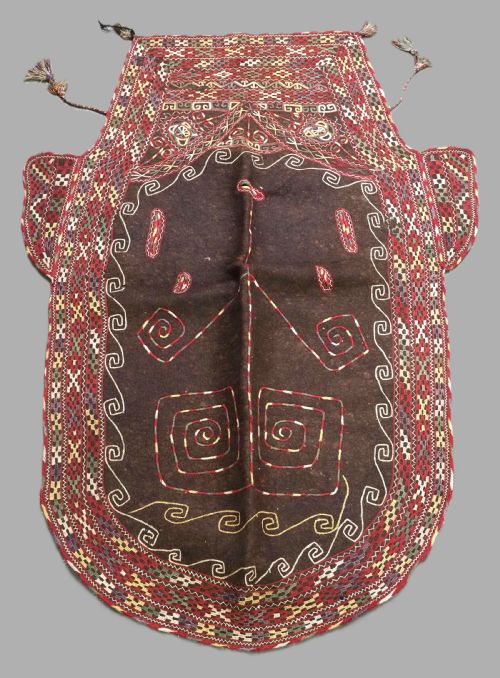
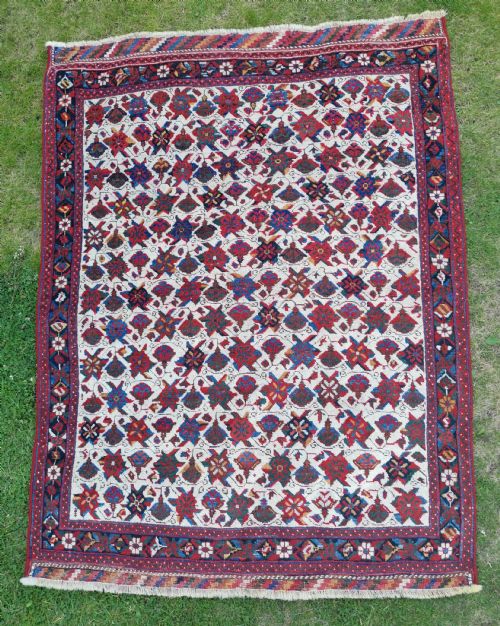
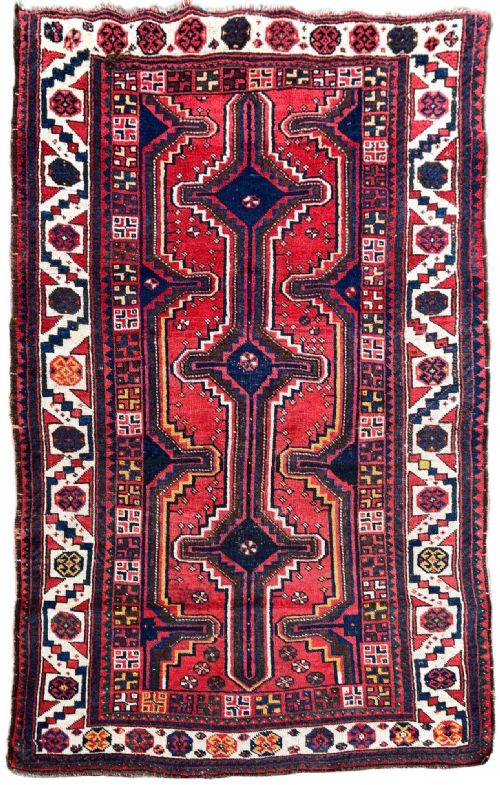
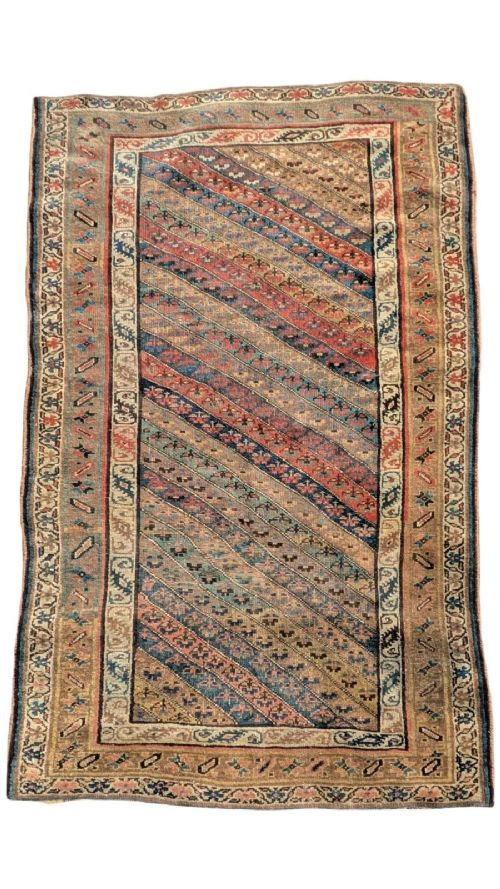
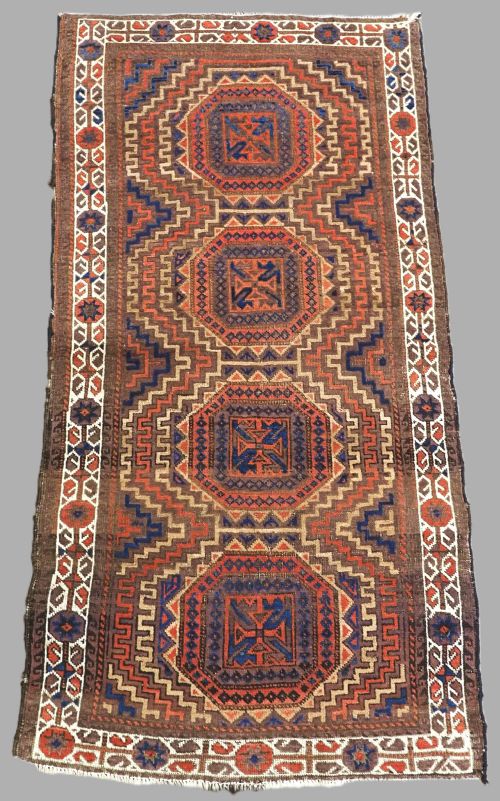
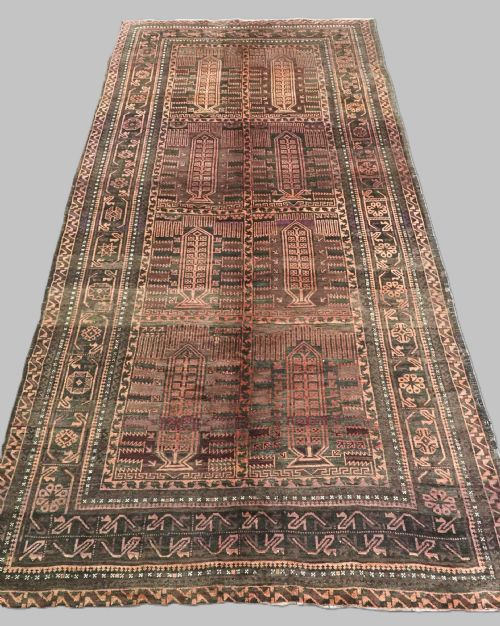
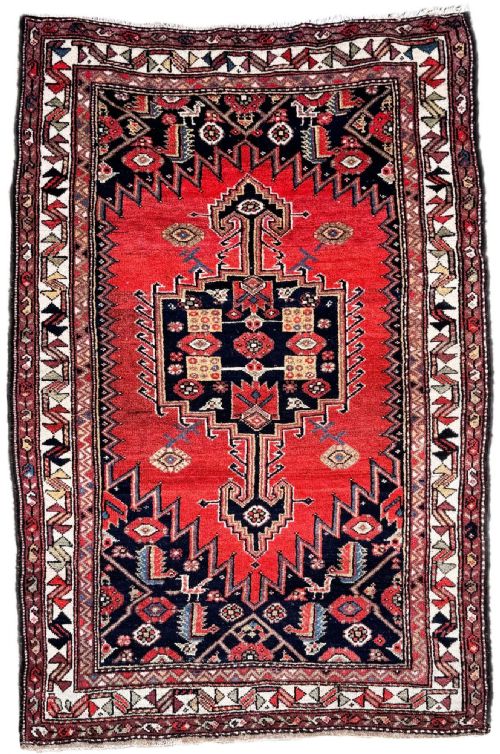
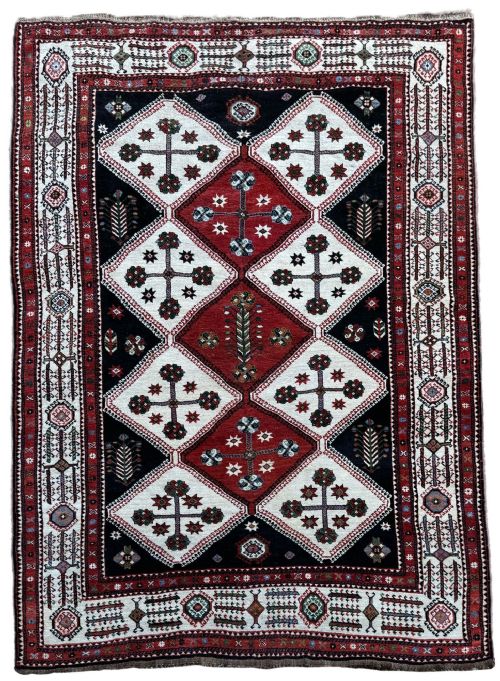
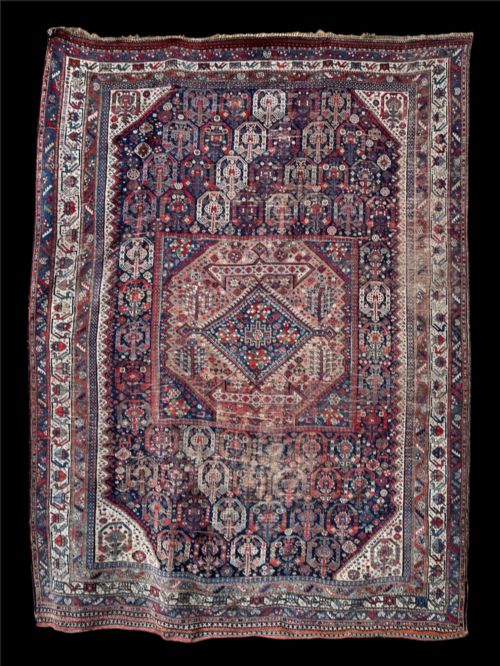
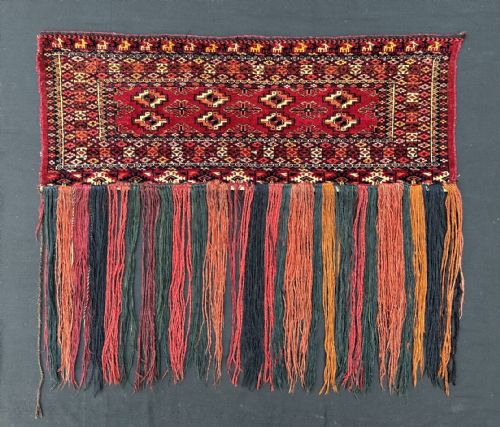
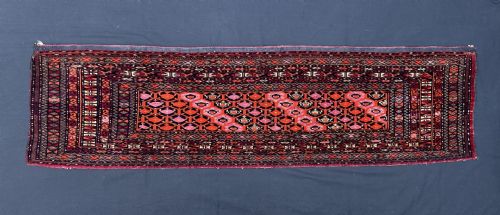
When you search for an antique nomadic carpet, you encounter woven textiles created by tribal groups across Persia, Central Asia, and the Caucasus rather than urban workshops. These pieces include floor coverings, prayer rugs, animal trappings, and storage bags produced for daily utility or ceremonial use.
You are most likely to meet rugs and carpets originating from Turkmen, Baluch, Afshar, Khamseh, and Qashqai tribes dating from the nineteenth and early twentieth centuries. Each group utilised distinct structural characteristics and symbolic motifs passed down through generations.
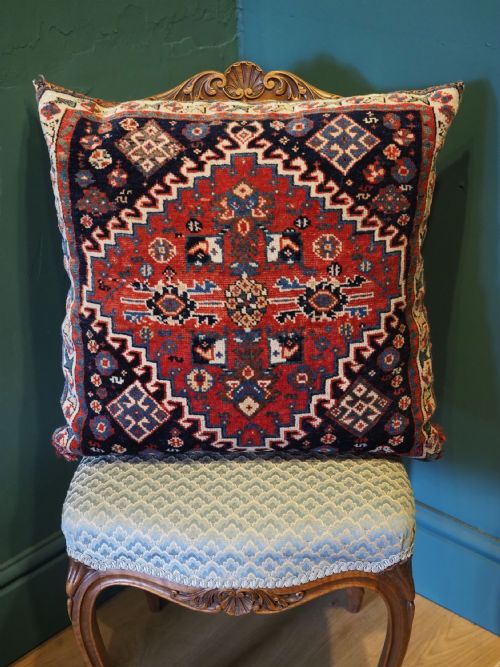
The format ranges from small saddle bags and cushion covers to room-sized main carpets and tent door hangings. Their designs reflect the migratory heritage and regional identity of the weavers who made them.
How these pieces were constructed
Makers constructed these textiles predominantly using hand-spun wool for both the pile and the foundation, occasionally incorporating cotton foundations and thread for structural stability. Felted wool and silk thread also appear in specific ceremonial blankets and embroidered pieces.
Weavers dyed their materials using natural colour sources to achieve deep reds, indigos, and earth tones that mellow gracefully over decades. The reliance on hand-spun fibres gives the surface an irregular, tactile depth that machine-made replicas cannot replicate.
Antique Nomadic Carpet Retail Price Guide 2026
Typical asking prices for nomadic carpet among the pieces listed under this phrase on Sellingantiques today, from the lower quarter to the upper quarter. They describe what is for sale here now, not the wider market.
The listings span the nineteenth and early twentieth centuries, featuring wool, cotton, and natural dyes across Persian, Turkmen, and Caucasian tribal traditions.
What distinguishes the finest examples
The division between average and exceptional pieces rests upon the precision of the weave, the handling of natural dyes, and the saturation of the wool. Superior examples display dense knotting and supple foundations that lie flat without artificial stiffening.
Visual balance in the tribal motifs and the complexity of the secondary borders also elevate a piece. The vibrancy of the palette, achieved through expert extraction of natural colour, separates ordinary utilitarian textiles from masterworks.
Kizyl Ayak Tribe·Yomut Tribes·Teke Tribes·Sariq Tribe·Ersari Beshir
The Antique Nomadic Carpet Glossary
- Gul
- An octagonal medallion or floral motif repeated across Turkmen and Baluch carpets. These symbols often identify the specific tribe or clan that wove the textile.
- Mihrab
- A niche design resembling the prayer arch in a mosque, typically found pointing towards Mecca on prayer rugs. Baluch and Afghan weavers frequently employ this architectural motif.
- Kap
- A large storage bag face or tent hanging produced by Turkmen tribes for domestic storage within a yurt. They often feature elaborate secondary panels and elem borders.
- Kilim
- A flat-woven textile produced without a pile by tightly interweaving warp and weft strands. Qashqai weavers use this technique to create lightweight rugs and storage covers.
- Warp
- The vertical threads stretched tightly on the loom that form the structural foundation of the carpet. The visible fringe at either end of the rug consists of these extended warp threads.
Antique Nomadic Carpet: Frequently Asked Questions
How do I identify a tribal rug?
Look for repeating geometric motifs, latch-hook symbols, and asymmetric or symmetric knotting executed with hand-spun wool. Tribal pieces often show slight irregularities in shape and design that reflect their nomadic origin.
Examine the palette for rich natural dyes that exhibit abrash, a subtle tonal variation caused by batch-dying wool yarn at different times.
How should I care for an old carpet?
Protect your textile by placing a breathable, high-quality underlay beneath it to prevent slipping and reduce wear from foot traffic. Vacuum gently using suction only, avoiding the rotating brush bars that can pull at hand-spun wool pile.
Rotate the piece periodically to ensure even exposure to light and wear across the surface.
Are these carpets suitable for heavy traffic?
Many nomadic carpets were built for daily utility inside tents and possess sturdy wool foundations that withstand moderate household use. However, fragile or finely embroidered ceremonial pieces and antique saddle bags are better suited for low-traffic areas or wall display.
Assess the suppleness of the wool and the firmness of the weave before placing a textile in a busy hallway.