




Antique Middle Eastern Rug
When you search for an antique middle eastern rug, you enter a world of woven wool and natural dyes that spans tribal tents and city workshops.
Antique Middle Eastern Rug
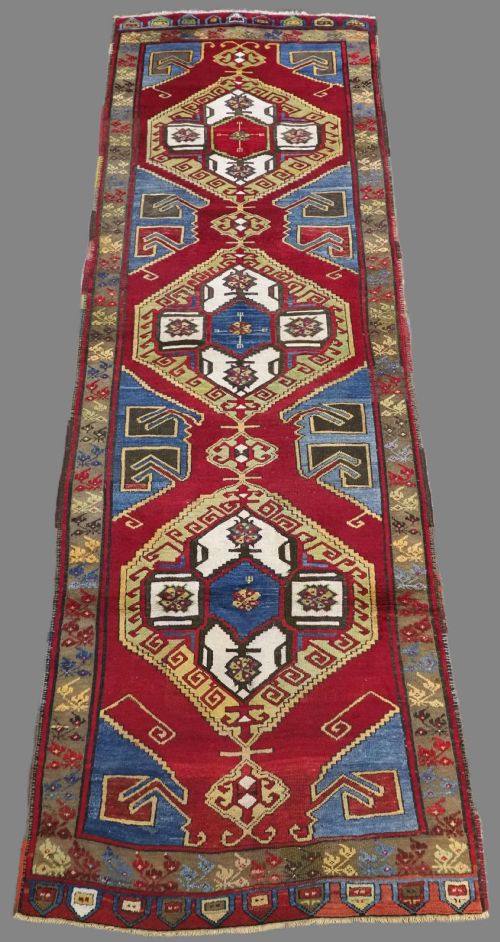
An antique middle eastern rug encompasses village weaves, nomadic bags, and large palace carpets originating from Persia, Anatolia, and Afghanistan. Buyers meet pieces ranging from small prayer mats featuring mihrab designs to long runners and room-sized carpets.
The selection includes specific tribal and regional types such as Baluch, Kurdish, Afshar, and Hamadan pieces. Village workshops and nomadic weavers produced these textiles using traditional methods passed down through generations.
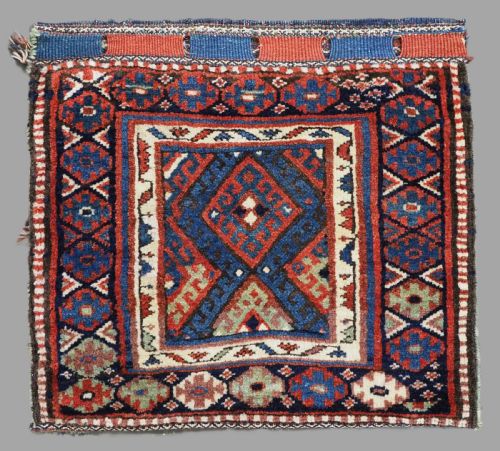
Formats extend beyond standard floor coverings to include complete rug bags, cushions, and embroidered textile panels. These diverse forms reflect the practical domestic needs and decorative arts of their makers.
Materials and technique
Weavers constructed these textiles predominantly from wool, cotton, and silk, frequently utilising hand-spun wool for pile and foundation. Natural dyes supplied the colour palette, yielding rich tones that settled with age.
Many examples demonstrate hand-knotted construction techniques, while others employ flatweave methods or silk embroidery applied to wool felt. Artisans tied symmetrical or asymmetrical knots onto cotton or wool warp and weft threads to build durable floor coverings.
Antique Middle Eastern Rug Retail Price Guide 2026
Typical asking prices for middle eastern rug among the pieces listed under this phrase on Sellingantiques today, from the lower quarter to the upper quarter. They describe what is for sale here now, not the wider market.
Listings feature pieces dated from the eighteenth century through the mid-twentieth century, highlighting traditional Persian and Anatolian designs.
Quality and execution
Knot density and the precision of the design execution distinguish finer examples from simpler village work. Superior pieces exhibit crisp geometric or floral motifs and balanced proportions across the field and borders.
The depth and consistency of the natural dyes significantly influence the visual impact of a piece. Well-preserved foundations and secure selvages indicate careful historic maintenance and superior original materials.
Benlian
The Antique Middle Eastern Rug Glossary
- Mihrab
- A niche design found in prayer rugs, often shaped like an arch or dome, which pointed toward Mecca during daily devotions. This architectural motif serves as the focal point for many tribal and village prayer rugs.
- Kelleh
- A large format rectangular carpet, typically longer than it is wide, designed for specific room dimensions in Persian houses. These impressive pieces often display complex central medallion patterns.
- Warp
- The vertical foundation threads stretched tightly on the loom before knotting begins. The coloured wool or silk pile is tied around these stationary structural threads.
- Weft
- The horizontal threads passed back and forth across the warp strings to secure each row of knots. Proper packing of these threads ensures the structural integrity of the weave.
- Natural Dyes
- Colourants derived from plants, insects, and minerals before the invention of synthetic aniline dyes in the mid-nineteenth century. These organic compounds create a nuanced palette that mellows gracefully over decades.
Antique Middle Eastern Rug: Frequently Asked Questions
How do I care for my rug?
Vacuum gently without using a rotating brush roll to protect the aged wool foundation and pile. Keep the textile out of direct sunlight to prevent fading of natural dyes.
Rotate the piece periodically to ensure even wear from foot traffic and furniture placement. Professional cleaning should be undertaken only by specialists experienced in antique textiles.
Are these rugs suitable for daily use?
Wool and cotton construction provides natural resilience that withstands normal foot traffic in residential settings. Placing a quality underlay beneath the textile prevents slipping and reduces friction against hard flooring.
Heavily detailed antique carpets perform admirably in low-traffic rooms or study spaces where their structural integrity remains protected. Everyday enjoyment relies on balancing the physical condition of the piece with sensible placement.
How can I tell the age?
Examination of the structural materials, dye palette, and weave technique offers primary clues to dating an antique textile. Hand-spun wool and early natural dye formulations typically point towards nineteenth or early twentieth-century production.
Structural wear patterns and the natural oxidisation of certain dye colours provide additional physical evidence of age. Comparing specific motif structures with documented regional examples helps narrow the period of origin.