


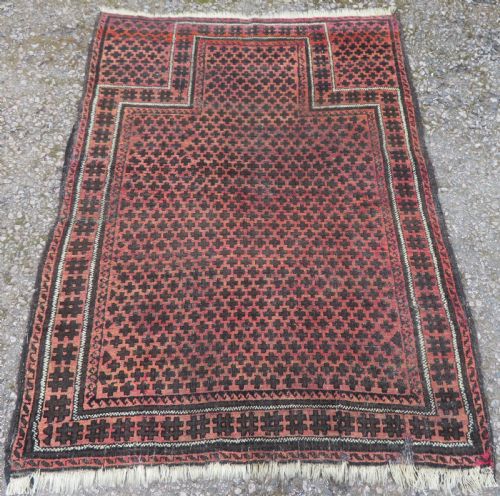

Tribal Prayer Mat
A tribal prayer mat brings centuries of weaving tradition into a room through geometric arches and rich, woollen fields.
Tribal Prayer Mat
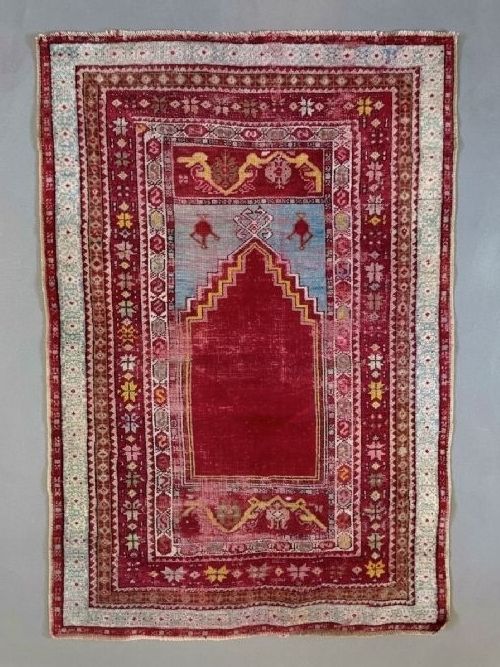
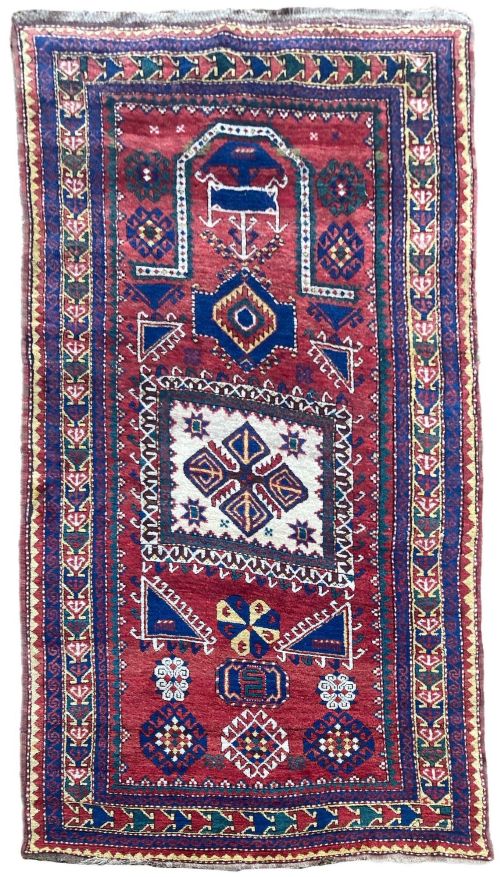
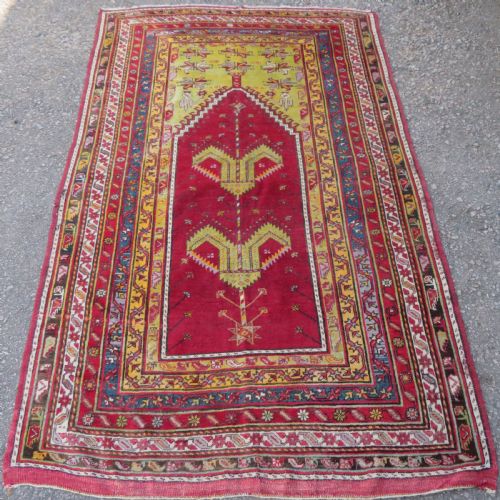
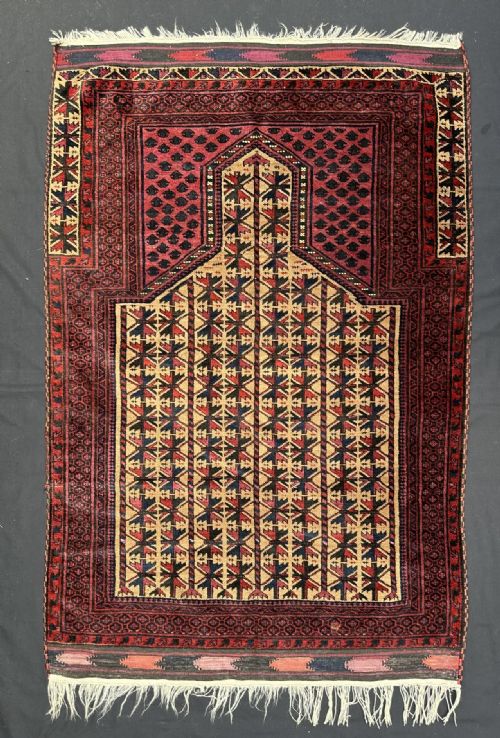
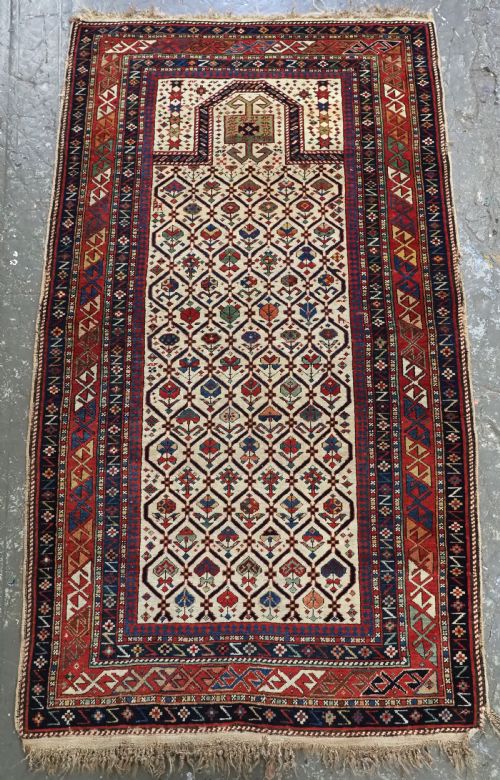
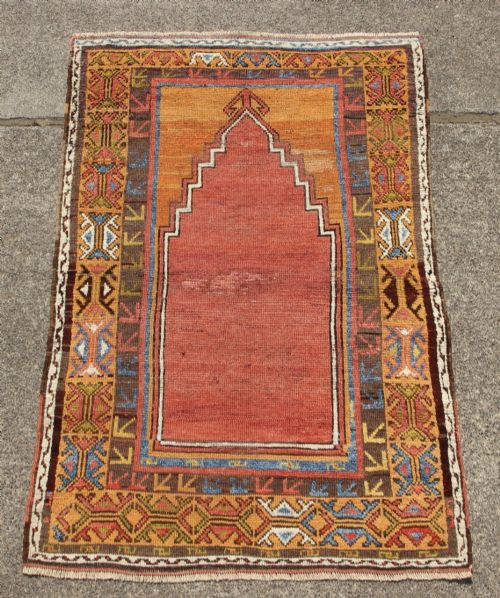
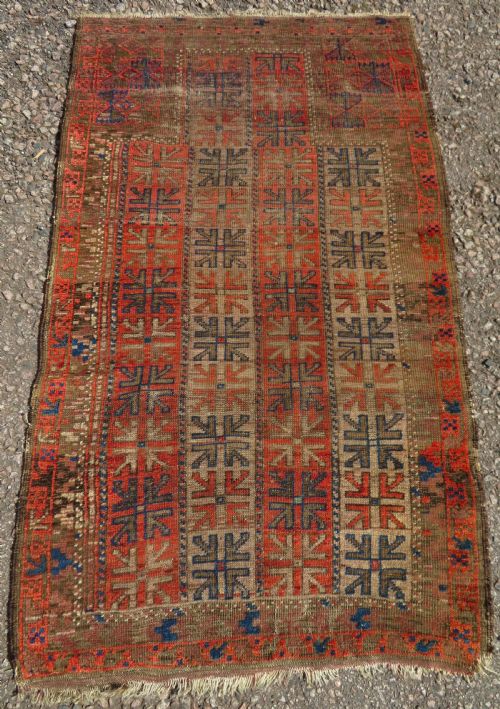
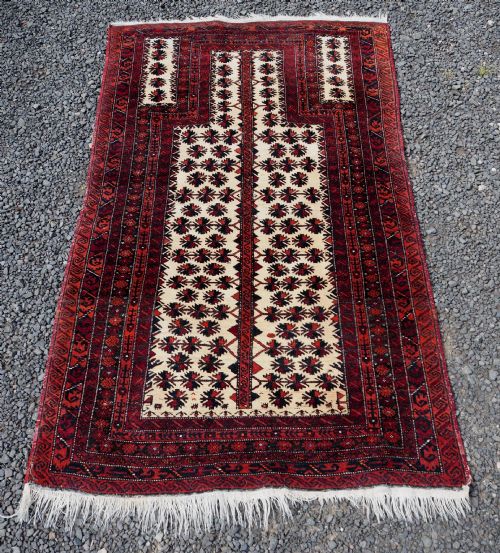
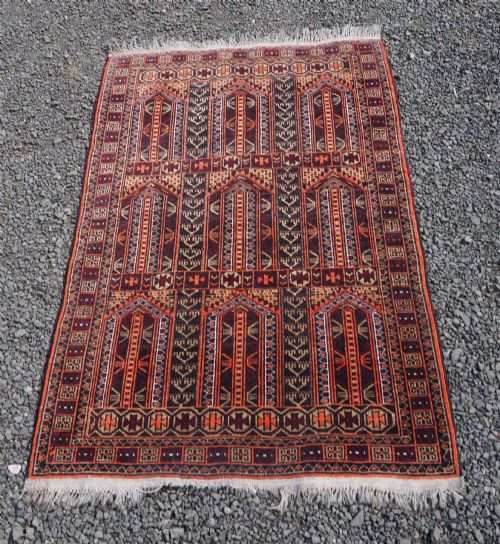
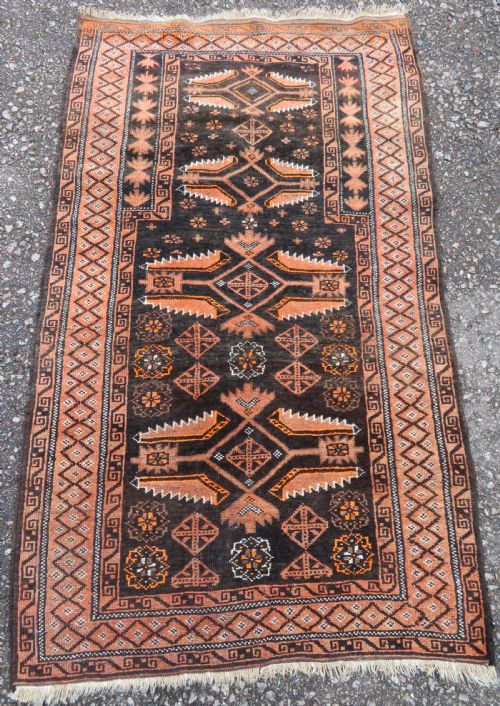
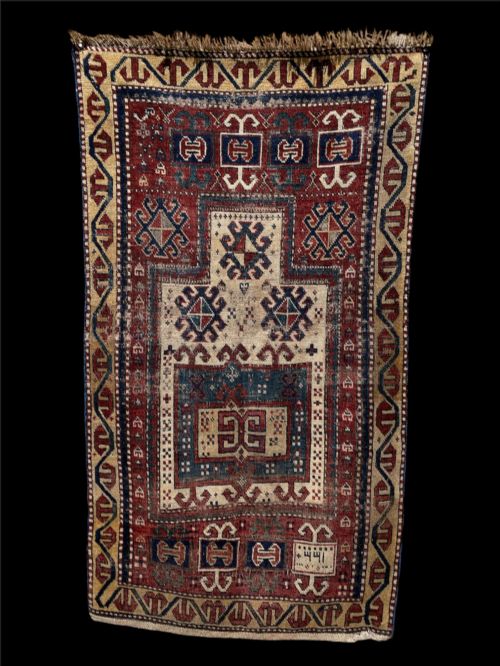
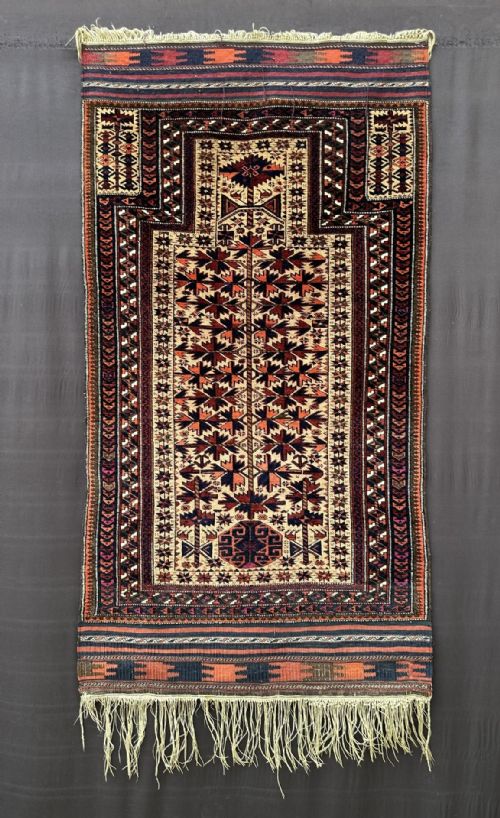
A tribal prayer mat is typically defined by a central architectural niche, known as a mihrab, which directed the owner toward Mecca during daily devotions. These pieces originate from nomadic and village workshops across the Caucasus, Anatolia, and Persia, spanning the nineteenth and early twentieth centuries.
The most common examples on this page are Baluch, Afghan, and Caucasian rugs created for personal use rather than mass export. Their formats range from small, portable village rugs to larger regional carpets bearing distinctive tribal motifs.
Makers often incorporated local symbols, floral lattices, and geometric medallions specific to their particular clan or borderland region. This localized expression gives each piece a distinct identity rooted in its specific geographic origin.
Materials and construction
Weavers relied principally on hand-spun wool, occasionally incorporating camel wool, goat hair, and cotton foundations to build durable, resilient piles. Natural dyes provided the deep reds, blues, and ivories that stabilize and mellow gracefully over decades of light and handling.
Villagers utilised upright looms to knot the wool densely by hand, finishing the ends with kilim weaves or braided fringes to prevent fraying. Mixed techniques and varied knot counts reflect the diverse regional traditions of weavers working independently in domestic settings.
Tribal Prayer Mat Retail Price Guide 2026
Typical asking prices for tribal prayer mat among the pieces listed under this phrase on Sellingantiques today, from the lower quarter to the upper quarter. They describe what is for sale here now, not the wider market.
Certain Baluch weavers included minute accidental asymmetry in their borders to ward off evil spirits, ensuring no two prayer rugs are entirely identical.
Assessing quality and character
Quality in a tribal prayer mat rests upon the clarity of the natural dyes and the integrity of the wool pile. Tightly packed knots and secure side cords distinguish robust village production from looser, hastily assembled work.
The precision of the geometric layout and the balance of the mihrab design also separate standard village weaving from exceptional regional examples. Patination and honest wear add character, provided the foundational structure remains sound and complete.
The Tribal Prayer Mat Glossary
- Mihrab
- The arched niche found at one end of a prayer rug, symbolizing the gateway to Mecca and orienting the user during worship.
- Kilim
- A flat-woven textile technique often used on the terminal ends of rugs to protect the knotted pile from unraveling.
- Natural Dyes
- Colourants derived from plants, insects, and minerals before the widespread adoption of synthetic alternatives in the late nineteenth century.
- Double Mihrab
- A design featuring architectural arches at both ends of the rug, allowing the piece to be oriented from either direction.
Tribal Prayer Mat: Frequently Asked Questions
What is a tribal prayer mat?
A tribal prayer mat is a small, hand-knotted textile featuring a distinctive architectural arch, or mihrab, designed for individual daily worship in nomadic and village communities.
These pieces were woven across regions such as Anatolia, the Caucasus, and Persia, utilising local wool and traditional vegetable dyes specific to each tribe.
How do I identify the origin?
Origins are typically identified by examining the specific knotting structure, palette, and tribal motifs unique to regions like Baluchistan, Dagestan, or central Anatolia.
Specific border designs and structural materials, such as camel wool or goat hair, often point directly to the particular village or nomadic group responsible for the weaving.
Where should I place it?
These rugs suit low-traffic areas where the delicate wool pile and natural dyes can be appreciated without excessive friction or direct sunlight.
Many collectors display them on walls as textiles or place them on floors in quiet rooms where their historical patterns remain visible and protected.
How do I care for antique wool?
Antique wool requires gentle maintenance, relying primarily on careful vacuuming without a rotating brush to remove dust from the foundation.
Professional textile conservators should handle any washing or structural repairs to preserve the natural lanolin and historic dyes.