

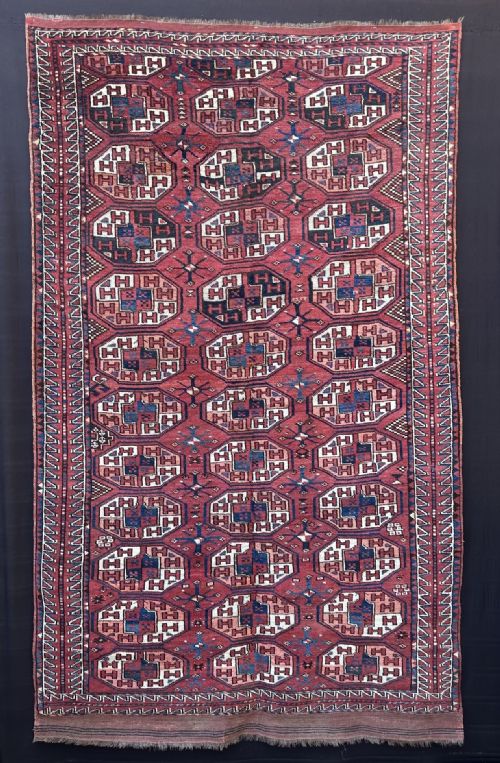
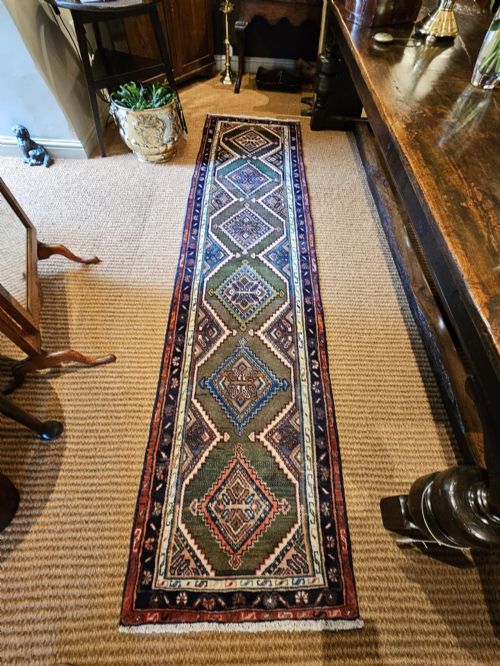




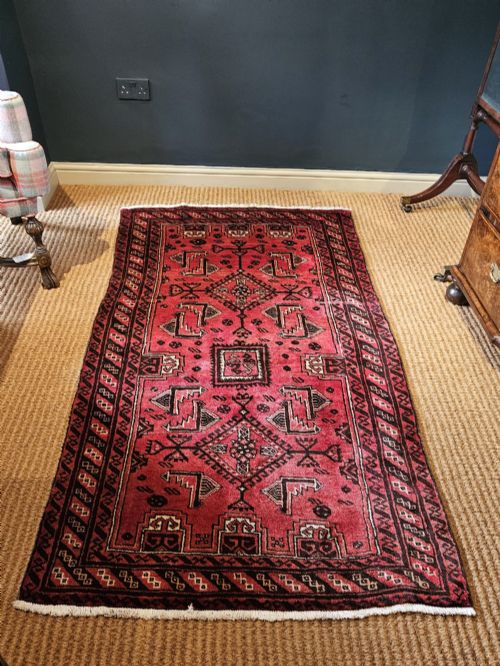


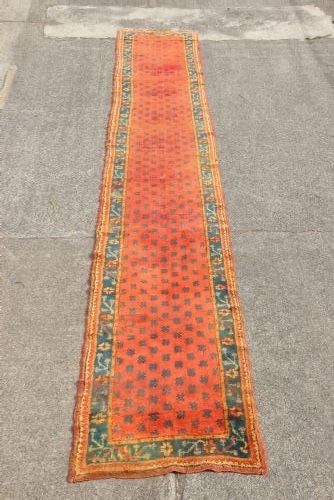


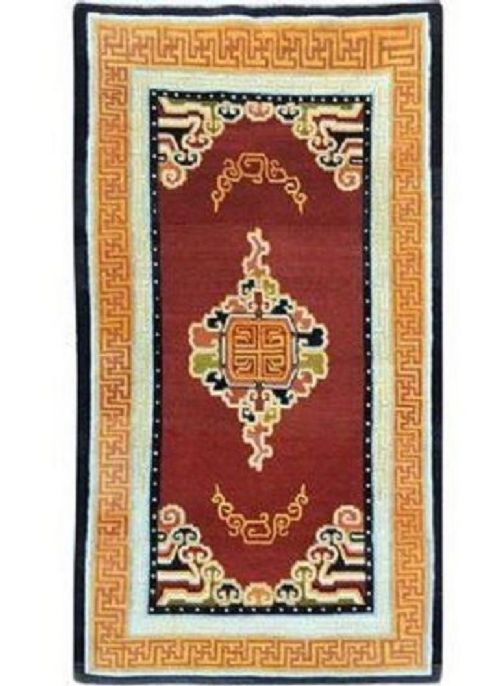
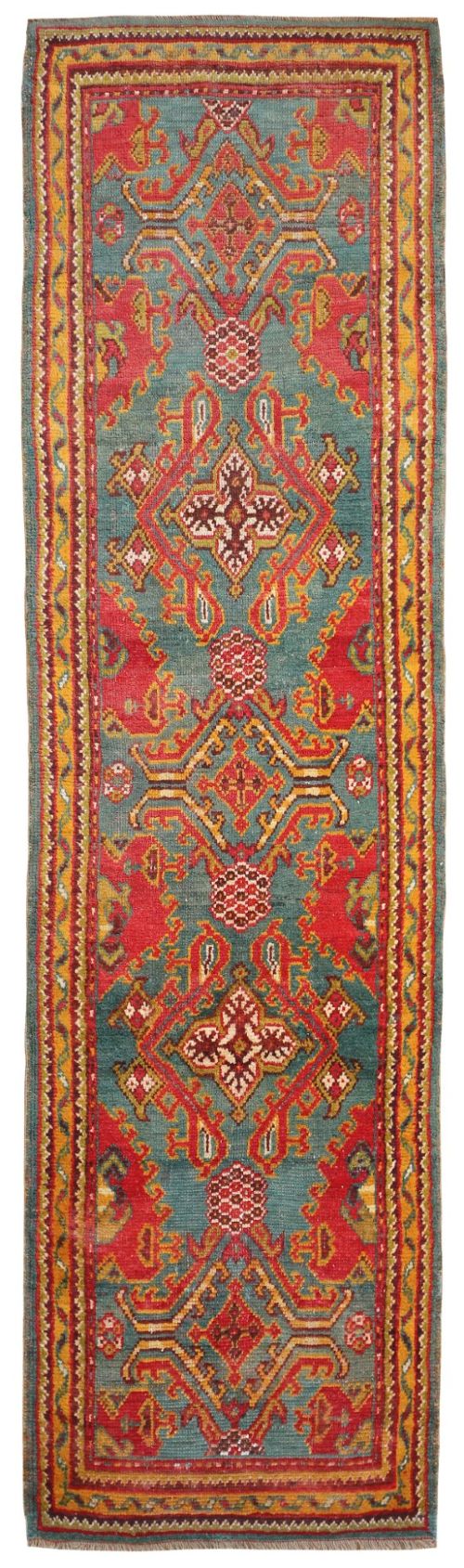
Oriental Carpet Runner
An oriental carpet runner brings rich colour and enduring pattern to a hallway, formed from the hand-knotted traditions of Persian, Caucasian and tribal workshops.
Oriental Carpet Runner
An oriental carpet runner provides a narrow, elongated format designed for corridors and passages, drawing the eye along traditional floor spaces. These pieces span centuries of weaving craft, ranging from early eighteenth century examples to early twentieth century village and tribal productions.
The format appears across several distinct regional styles, including Kurdish, Turkmen, Afghan, Caucasian and Persian traditions. Buyers encounter village rugs, long carpets and specialised runner rugs woven with wool and cotton foundations.
The visual vocabulary relies on geometric motifs, traditional field designs and tribal patterns passed down through generations of makers. Each piece reflects the specific aesthetic of its origin, whether the structured layout of a Persian workshop or the bolder geometry of a tribal weaving.
How they were made
The construction of these runners relies on hand-knotted pile techniques executed on foundations of wool and cotton. Weavers tie individual knots by hand across the warp and weft threads to build dense, durable textile surfaces.
Natural dye traditions provide the palette for these textiles, utilising materials that create deep, rich tones across the wool pile. The structural integrity depends on the tightness of the knotting and the quality of the spinning used for the foundational threads.
Oriental Carpet Runner Retail Price Guide 2026
Typical asking prices for oriental carpet runner among the pieces listed under this phrase on Sellingantiques today, from the lower quarter to the upper quarter. They describe what is for sale here now, not the wider market.
Listings feature wool and cotton materials across periods spanning the eighteenth, nineteenth and early twentieth centuries.
What varies in quality
Quality separates along the density of the knotting, the precision of the tribal or traditional design execution, and the handling of the wool. Higher grade examples display finer detail in the motifs and superior balance within the overall field pattern.
The choice of materials and the integrity of the surviving pile dictate the longevity and visual impact of each runner. Pieces from established weaving centres or accomplished tribal groups demonstrate greater refinement in both dye depth and structural execution.
The Oriental Carpet Runner Glossary
- Pile
- The upright yarn loops or tufts forming the soft surface of a carpet. This layer absorbs foot traffic and displays the woven design.
- Warp
- The vertical foundation threads running lengthwise through a rug. Weft threads are interlaced across these to secure the knots.
- Weft
- The horizontal threads passed through the warp threads to hold the knots in place. Together they form the structural grid of the textile.
- Knot
- The individual loops of coloured wool tied around the warp threads. The density and type of knot define the regional origin and fineness.
- Field
- The central background area of a rug enclosed by the borders. This section usually contains the primary motifs or medallions.
Oriental Carpet Runner: Frequently Asked Questions
Where should I place an oriental carpet runner?
These runners suit narrow spaces such as hallways, corridors and landings where length and narrow width are required. They protect high-traffic floors while introducing historical pattern and rich colour to domestic interiors.
Ensure the space allows the runner to lie flat without obstruction from doors. Using a quality underlay helps keep the runner stable on hard or carpeted surfaces.
How do I care for an antique wool runner?
Regular gentle vacuuming without a beater bar removes surface grit from the wool pile. Keep the runner out of direct, intense sunlight to protect the natural dyes from fading over time.
Professional cleaning by a specialist in antique textiles is recommended when deep cleaning becomes necessary. Avoid harsh chemical treatments and excessive water on hand-knotted wool.
How can I tell tribal runners from workshop pieces?
Tribal runners typically display bolder geometric motifs, asymmetric layouts and spontaneous design shifts reflecting nomadic weaving traditions. Workshop pieces tend to show more formal, symmetrical compositions with precise medallions and balanced floral or geometric repeats.
Regional characteristics in the border arrangements and colour palettes also help distinguish village and tribal output from centralized city productions.
What materials make up these runners?
The structural foundation utilises cotton or wool threads for the warp and weft grid. The visible surface consists of hand-spun and hand-knotted wool pile dyed with traditional colourants.
These natural materials provide the durability and flexibility characteristic of traditional handwoven oriental carpets.