



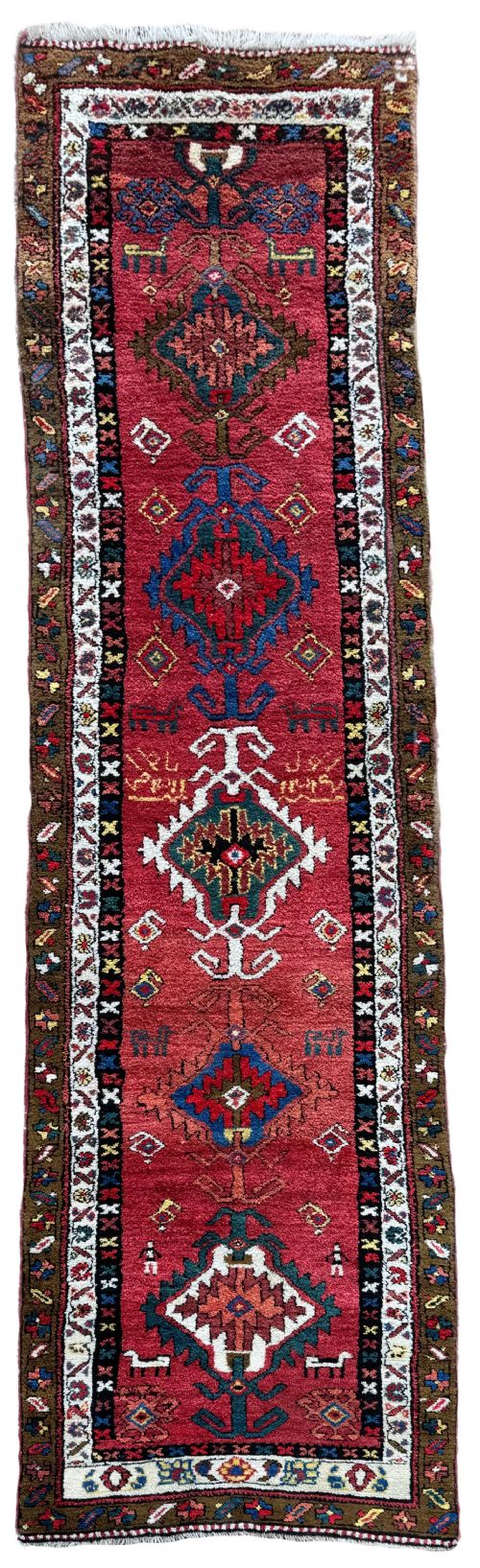
Geometric Wool Runner
A geometric wool runner brings linear motifs and enduring floor coverings into a hallway.
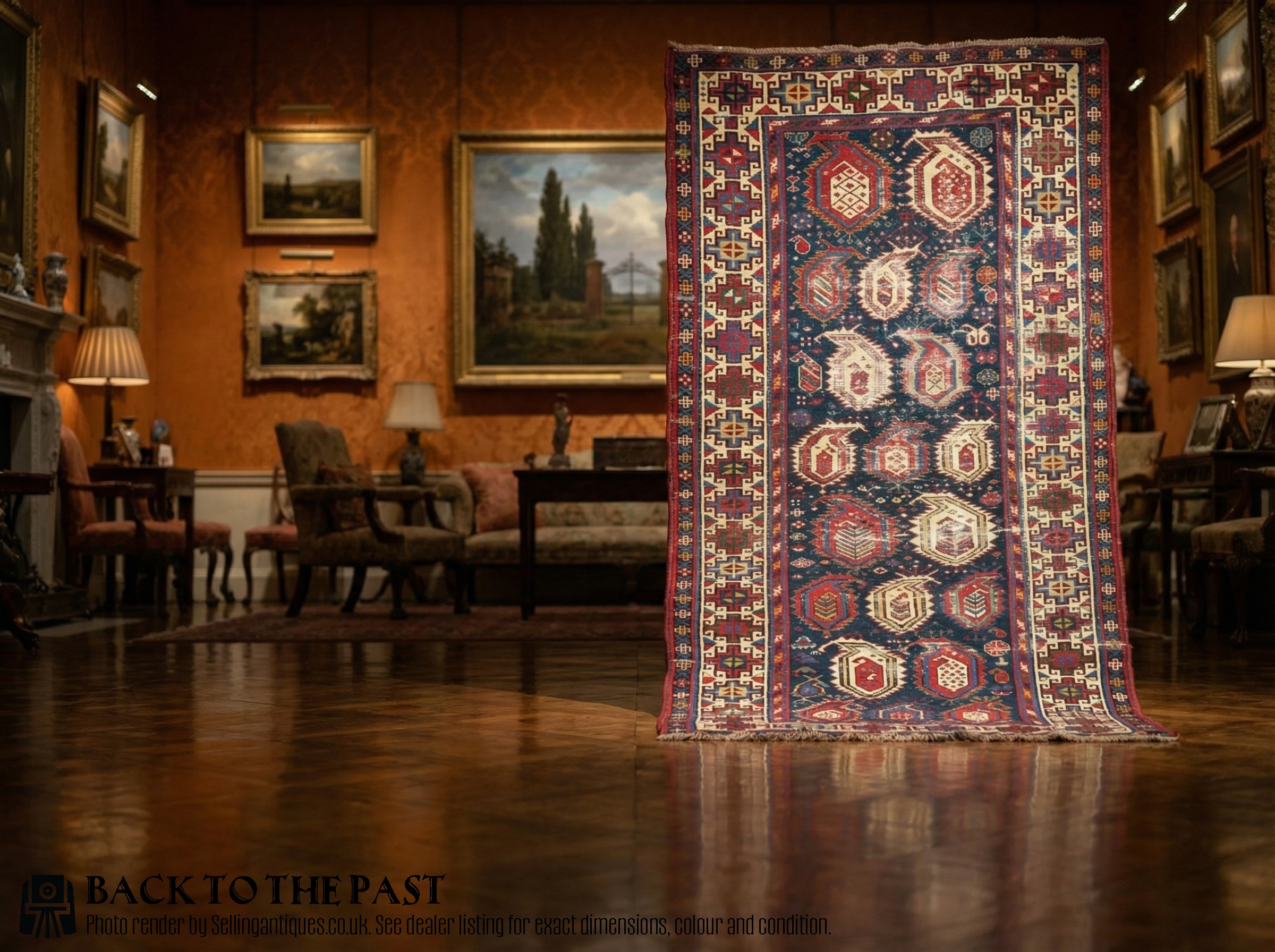
Geometric Wool Runner
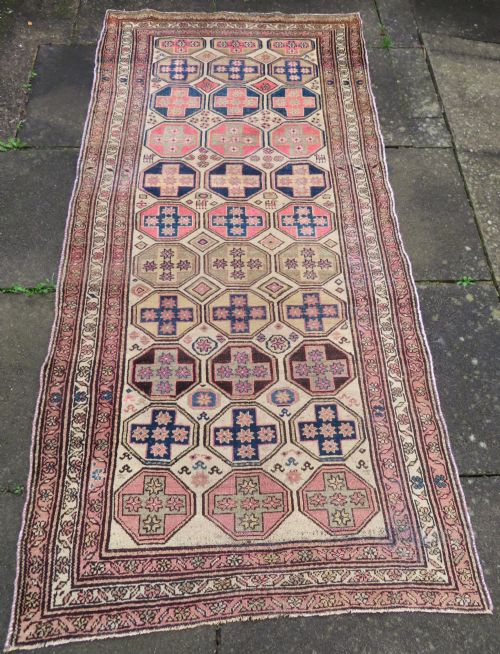
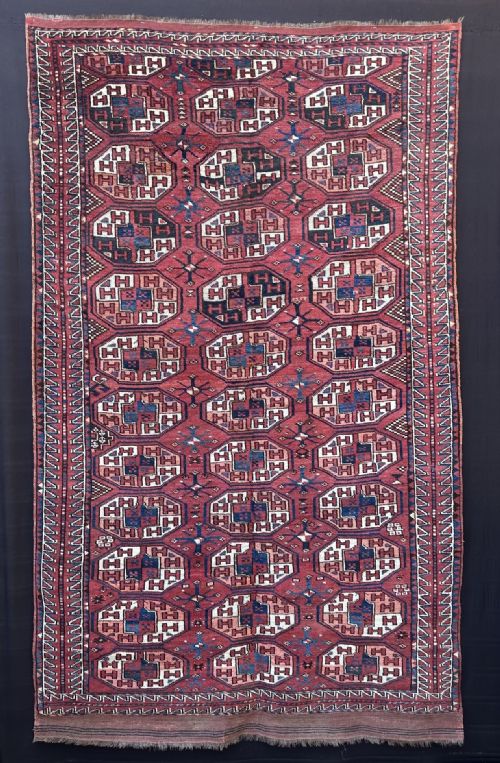
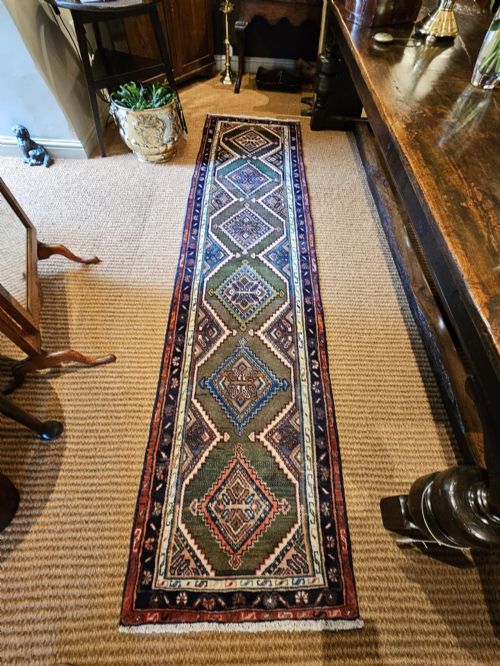
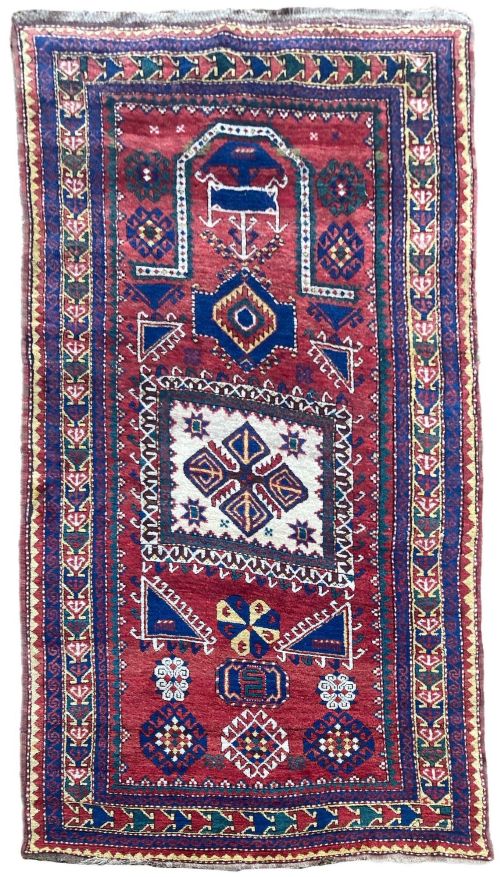
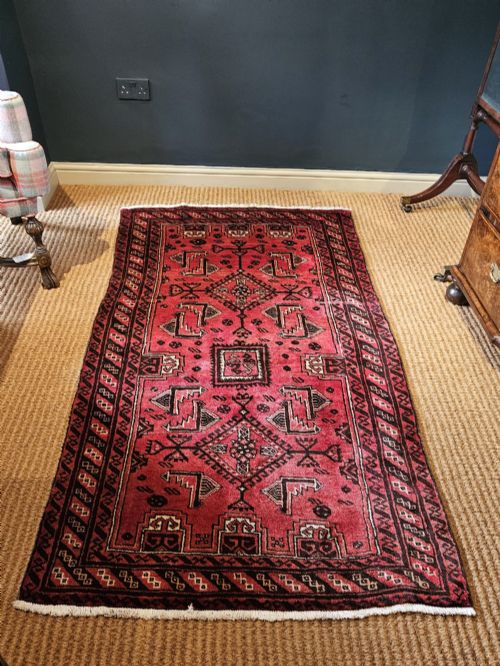
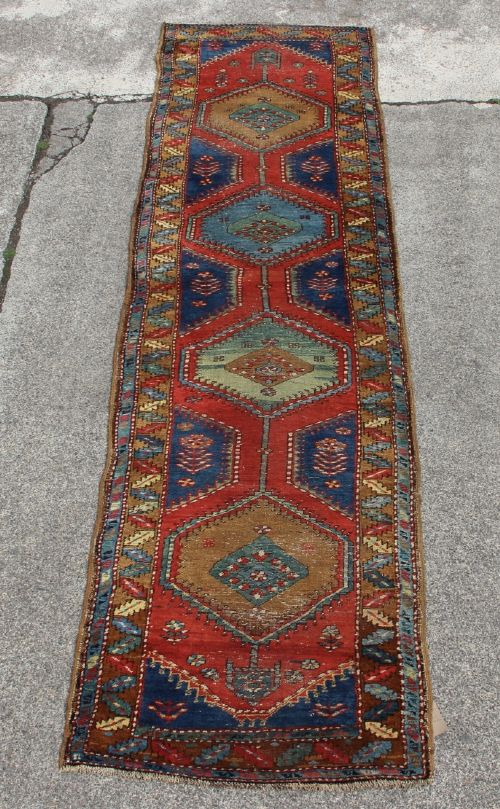
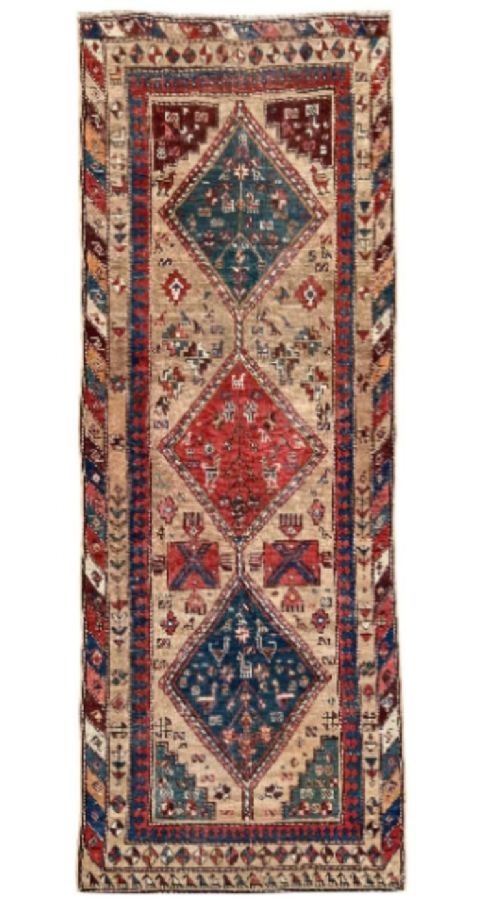
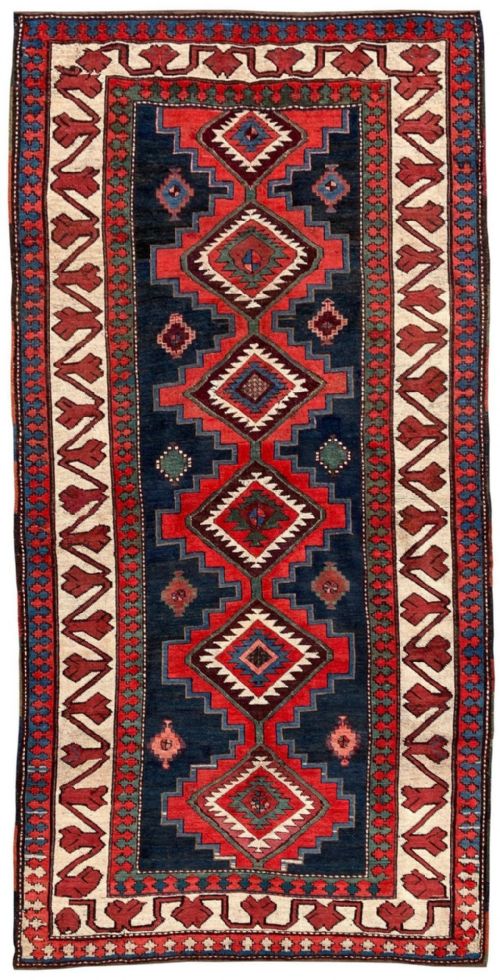
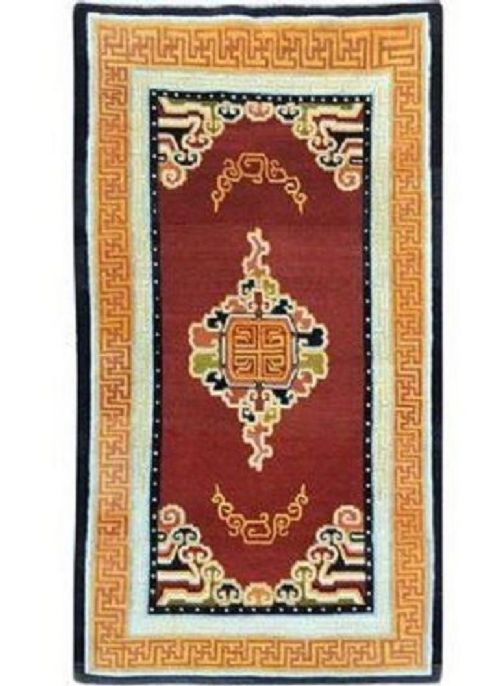
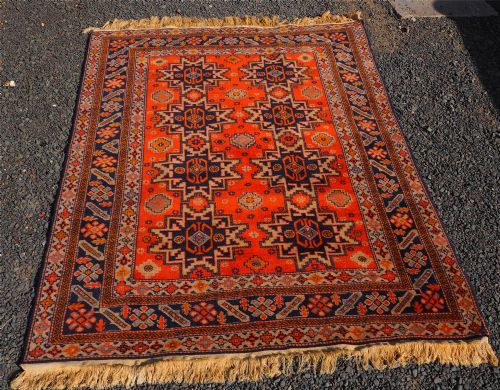
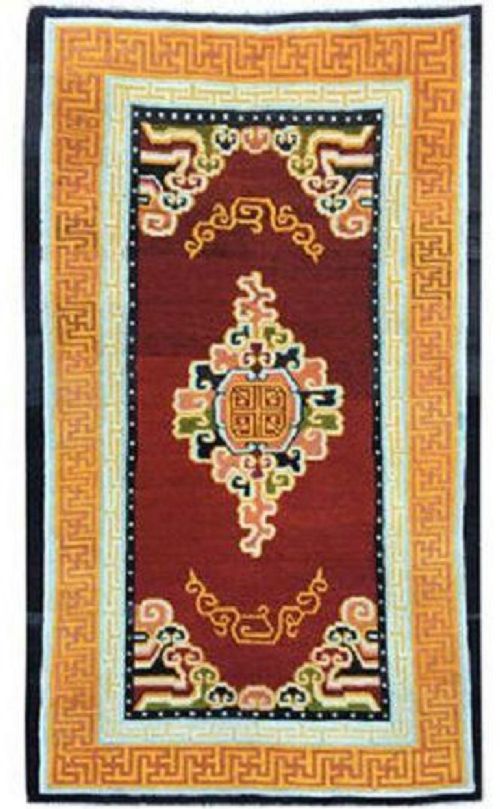
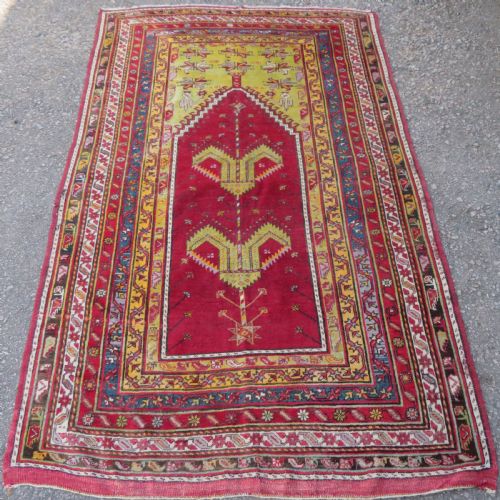
A geometric wool runner provides a long, narrow format suited to hallways and corridors, defined by angular patterns rather than floral curves. When you search for a geometric wool runner, you encounter pieces originating from Persian, Caucasian, Turkish, and Turkmen workshops and nomadic groups.
The inventory spans from the nineteenth century through the 1930s, encompassing tribal weaves and village carpets adapted into runner formats. These floor coverings utilise traditional formats like lattice designs, medallions, and repeated motifs executed in wool, pure wool, and occasionally camel hair.
How they were made
Weavers constructed these long carpets using wool and hand-spun wool fibres, frequently combined with a cotton foundation for structural stability. Certain pieces incorporate camel hair alongside standard wool to introduce natural undyed tones into the pile.
Dyeing methods relied on natural colourants to achieve the deep blues, reds, and olive greens seen across Caucasian and Persian examples. Knotting techniques varied by region, resulting in durable piles designed for heavy traffic areas like corridors.
Geometric Wool Runner Retail Price Guide 2026
Typical asking prices for geometric wool runner among the pieces listed under this phrase on Sellingantiques today, from the lower quarter to the upper quarter. They describe what is for sale here now, not the wider market.
Listings feature pieces spanning from the 19th century through the 1930s, utilising wool, pure wool, and hand-spun wool.
What varies in quality
The fineness of the knotting and the crispness of the angular design dictate the visual strength of each runner. Tightly packed knots create a dense pile that preserves the geometry of lattices and medallions over decades of use.
The choice of wool and the depth of natural dye saturation influence how the pile ages and mellows. Examples with hand-spun wool exhibit greater variation in texture and tone compared to uniformly spun commercial materials.
The Geometric Wool Runner Glossary
- Runner
- A long, narrow carpet format designed specifically for hallways, corridors, and stairs. These pieces measure significantly longer than they are wide.
- Pile
- The upright yarn loops or cut ends that form the usable surface of a carpet. It provides cushioning and displays the woven design.
- Lattice design
- A repeating network of intersecting diagonal lines forming diamond or grid patterns across the field. This geometric layout appears frequently in Caucasian runners.
- Hand-spun wool
- Yarn spun by hand rather than by industrial machinery. This method produces irregular thickness and absorbs natural dyes with subtle variations in shade.
- Mihrab
- A niche design element indicating the direction of prayer, found on rugs originating from Turkish and Persian weaving traditions.
Geometric Wool Runner: Frequently Asked Questions
Where should I place a runner?
Runners suit narrow spaces such as hallways, corridors, and entryways where linear floor coverings soften hard surfaces.
They also function effectively alongside beds or in galley kitchens, provided foot traffic matches the durability of the wool pile.
How do I identify a tribal rug?
Tribal rugs typically display geometric motifs, repeating guls, and asymmetrical designs reflecting the nomadic heritage of the weavers.
These pieces often utilise a wider palette of saturated or mellowed natural colours arranged without rigid symmetry.
How do I care for wool carpets?
Regular gentle vacuuming without a rotating brush roll prevents dust accumulation within the wool pile.
Professional cleaning preserves the natural lanolin in the fibres and protects traditional plant-based dyes from damage.