

Handwoven Tribal Carpet
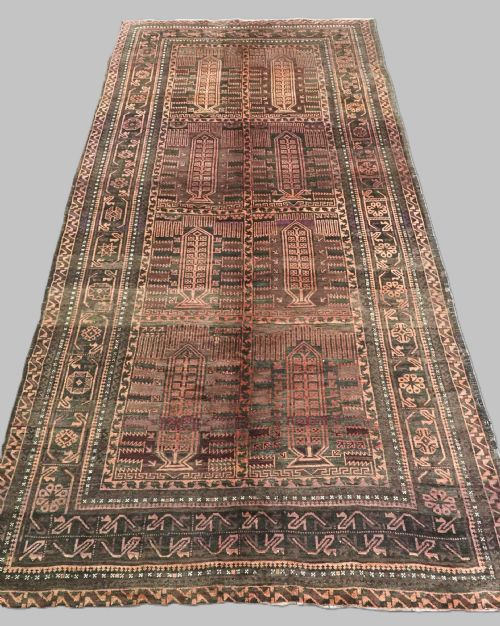
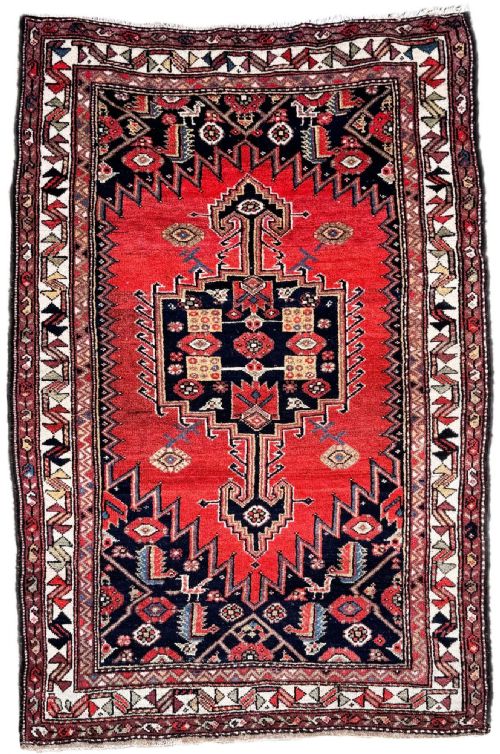
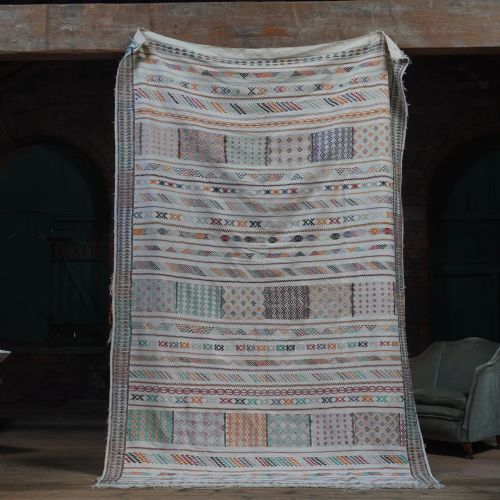
A handwoven tribal carpet brings enduring nomadic craftsmanship into a room through rich wool and distinct regional motifs.
Handwoven Tribal Carpet
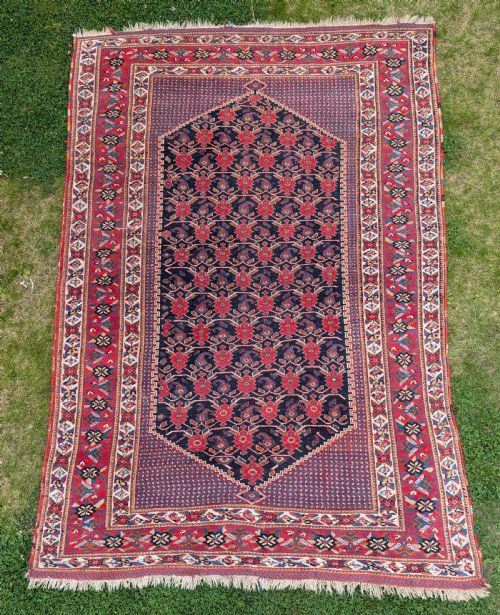
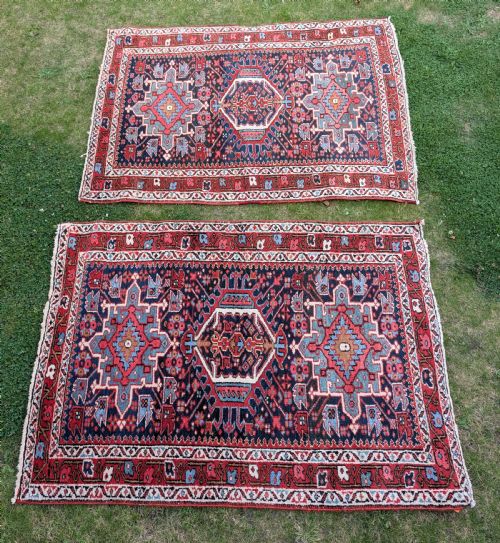
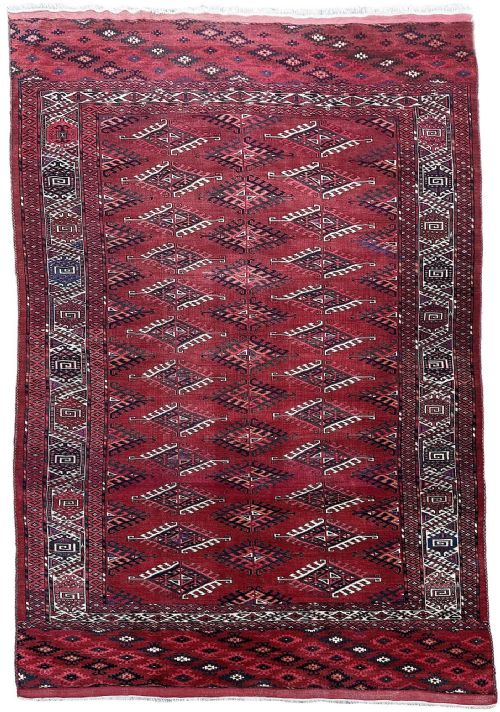
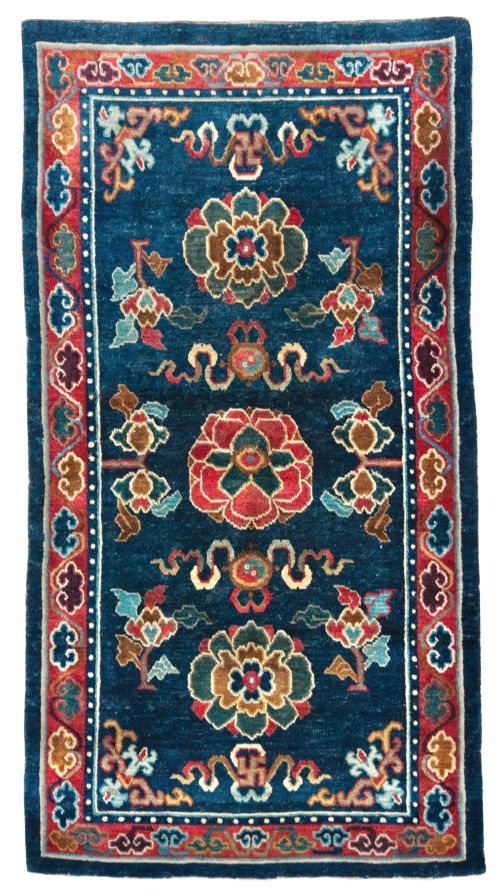
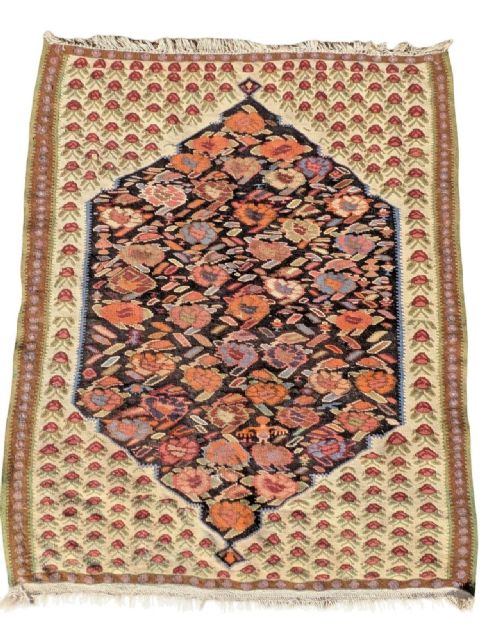
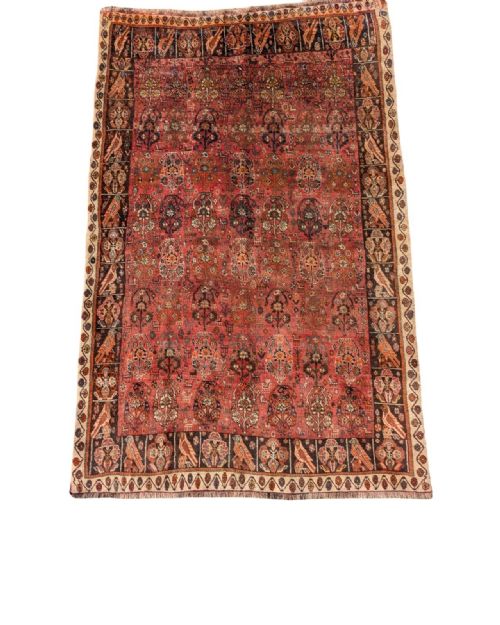
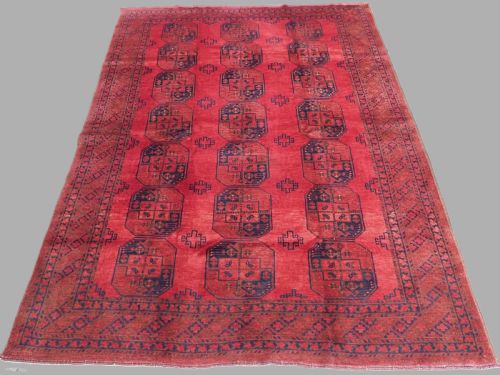
A handwoven tribal carpet originates from nomadic and village traditions across regions such as Persia, the Caucasus, Afghanistan and Turkmenistan. When exploring this selection, buyers encounter formats ranging from generous area rugs and long runners down to smaller saddle bags, cushions and prayer rugs.
The material record spans pieces produced across the nineteenth and early twentieth centuries, particularly from the 1870s through to the 1930s. Tribal weavers utilised traditional looms to construct floor coverings and household textiles defined by vernacular designs rather than formal court patterns.
Materials and Construction
These textiles rely predominantly on wool, cotton and natural dyes, with many examples featuring hand-spun wool that yields a dense, resilient pile. Certain Moroccan pieces incorporate alternative fibres such as cactus silk and sabra fibre alongside traditional wool structures.
Weavers employed regional knotting and flatweaving techniques to build enduring floor coverings and kilims. The application of natural dyes accounts for the depth and variation of tone visible across red, olive green and multi-coloured backgrounds.
Handwoven Tribal Carpet Retail Price Guide 2026
Typical asking prices for handwoven tribal carpet among the pieces listed under this phrase on Sellingantiques today, from the lower quarter to the upper quarter. They describe what is for sale here now, not the wider market.
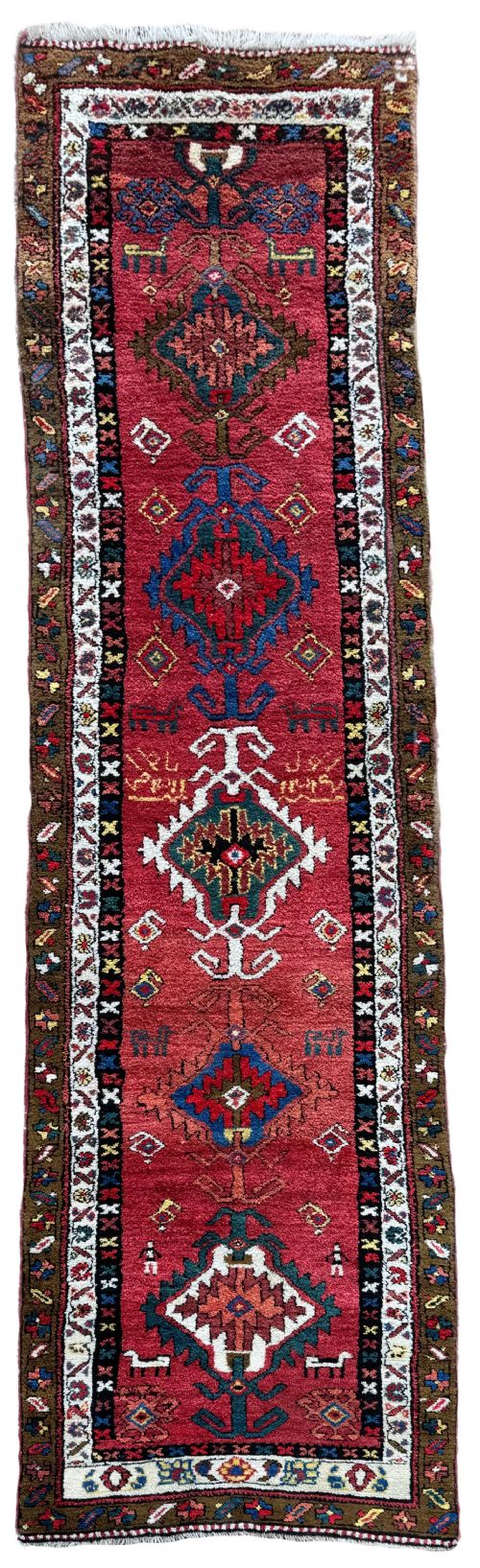
The inventory includes specialised regional forms such as saddle covers, vanity bags, prayer rugs and long hallway runners.
Assessing Quality and Execution
Quality in a handwoven tribal carpet rests upon the tightness of the weave, the handling of the wool and the clarity of the design. Finer knotting allows intricate motifs like medallion, cruciform and kalam donneh patterns to emerge with sharp definition.
The richness of the palette and the integrity of the materials dictate the distinction between standard village pieces and finer tribal examples. Well-preserved pile, balanced proportions and disciplined symmetry mark the upper tier of these historical textiles.
The Handwoven Tribal Carpet Glossary
- Kilim
- A flatwoven carpet or rug produced without a pile. These pieces rely on interlocking warp and weft threads to form geometric surface patterns.
- Runner
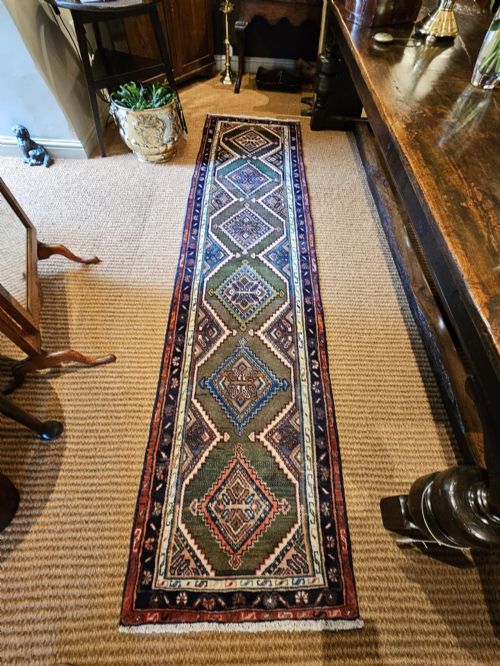
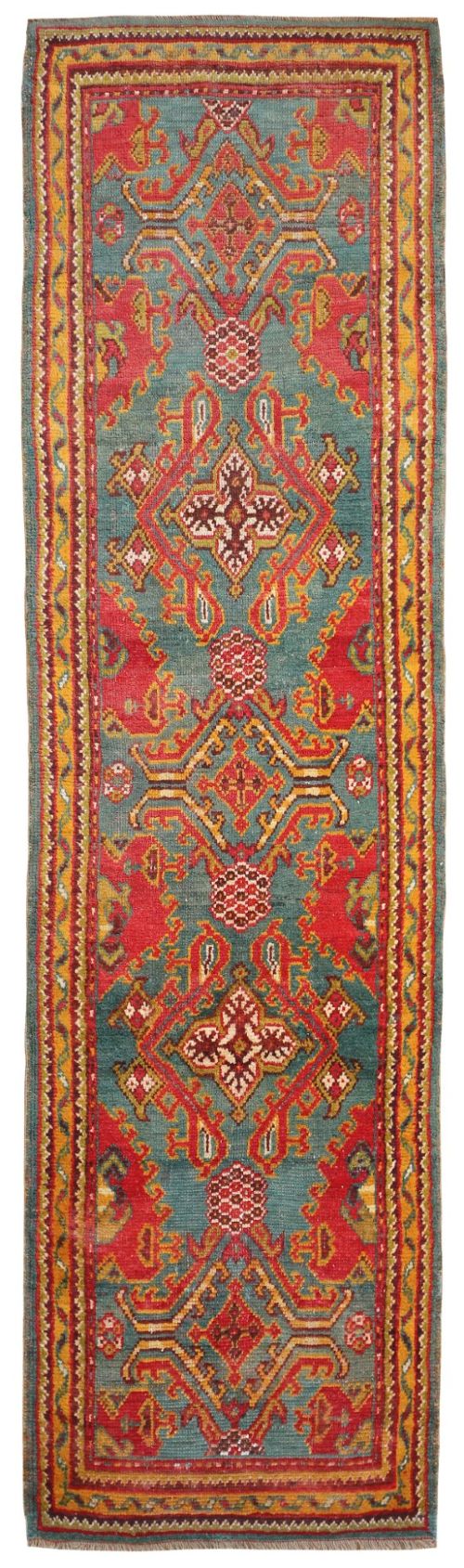
- A long, narrow carpet format designed primarily for hallways, corridors or narrow spaces. They frequently display repeating medallions or linear field designs.
- Prayer rug
- A small rug featuring a mihrab or niche design, traditionally used for individual prayer. These textiles often display compact dimensions and directional iconography.
- Medallion
- A central ornamental motif set into the field of a carpet. It forms the focal point of the composition in many Persian and Caucasian village rugs.
- Jollar
- A Turkmen storage bag or utility hanging produced by nomadic tribes. These woven items share the dense patterning and colour palettes of larger regional carpets.
Handwoven Tribal Carpet: Frequently Asked Questions
How do I style a tribal rug?
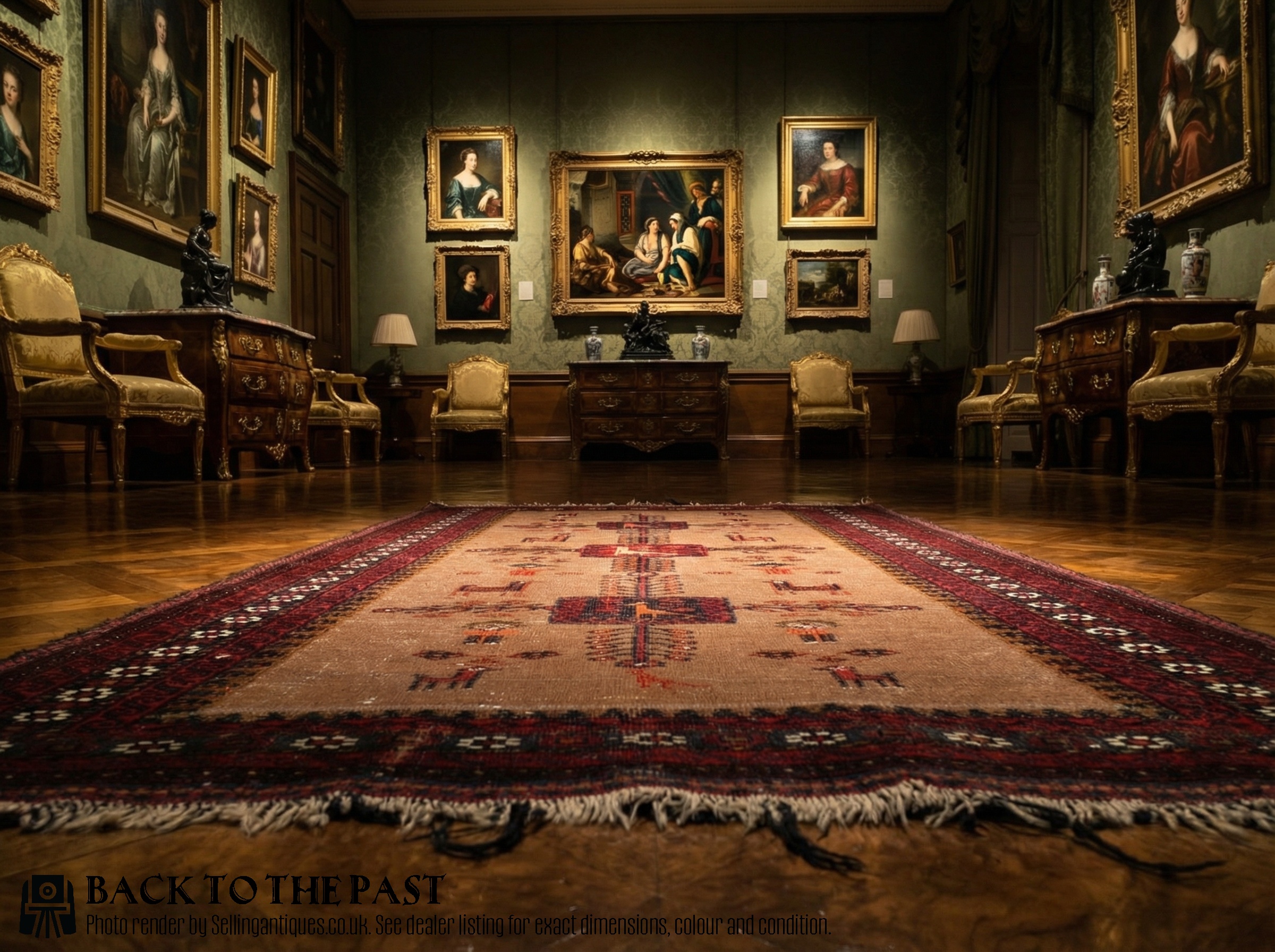
These carpets anchor contemporary and traditional interiors alike by introducing texture and deep regional colour to wooden or stone floors. Placing a runner in a hallway or an area rug beneath furniture highlights their distinctive geometric fields.
Allow the palette of the rug to inform surrounding soft furnishings without overwhelming the space. Their robust wool construction ensures they withstand everyday domestic environments while retaining their historical character.
How do I identify a Baluch rug?
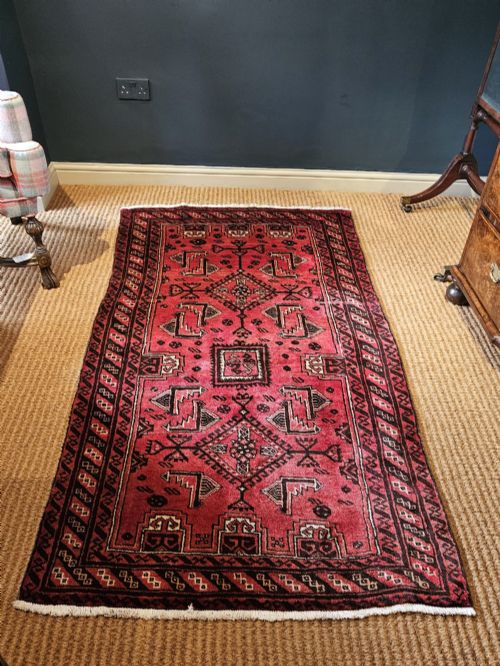
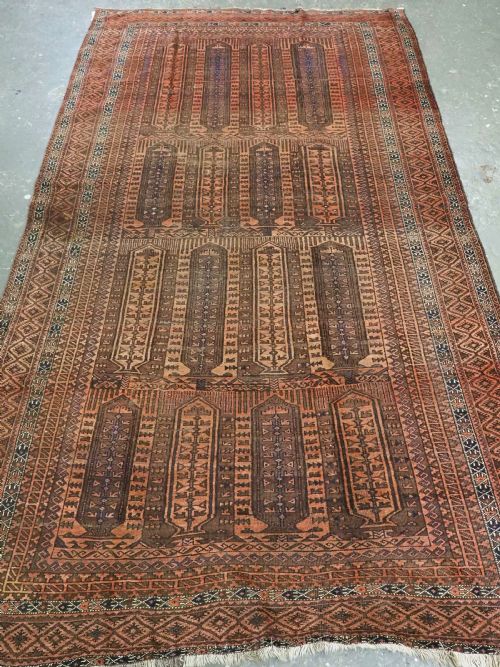
Baluch rugs originate from nomadic groups inhabiting the borderlands between Persia and Afghanistan. They typically display deep, dark colour palettes dominated by rich reds, browns and indigo, alongside characteristic motifs such as the kalam donneh or prayer niches.
These pieces frequently incorporate sturdy wool foundations and compact dimensions suited to nomadic life. Examining the weave and the specific geometric vocabulary helps separate them from neighbouring Caucasian or Persian village types.
Are these carpets made with natural dyes?
Many historical pieces from the nineteenth and early twentieth centuries incorporate natural dyes derived from plants, roots and insects. These colourants produce rich tones that mellow gracefully over decades of light and wear.
Subtle shifts in shade, known as abrash, often occur within a single colour field due to variations in dye batches. This characteristic variation remains a hallmark of traditional hand-dyeing processes.