



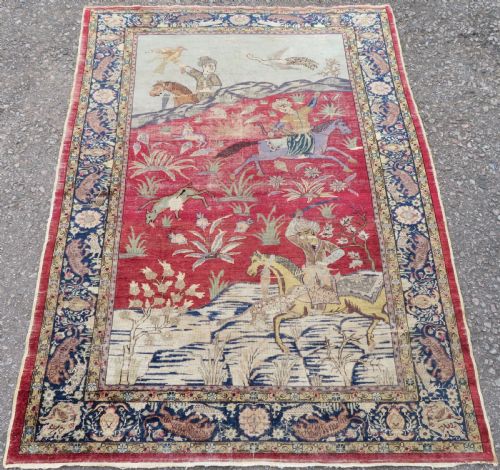


Red Turkish Rug
When choosing a red turkish rug, collectors seek traditional Anatolian craftsmanship spanning centuries of regional weaving.
Red Turkish Rug
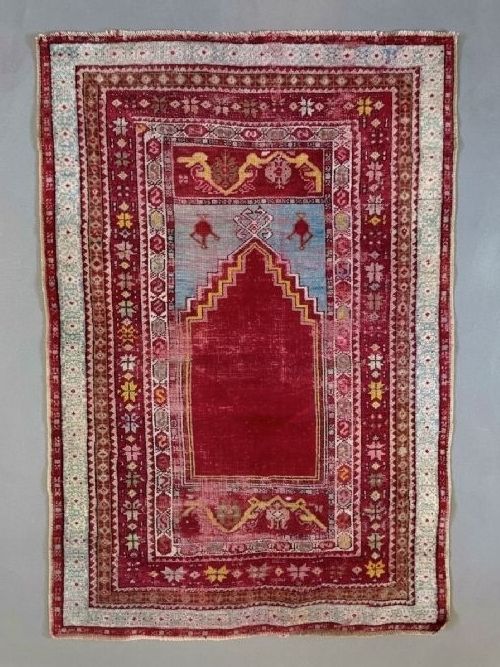
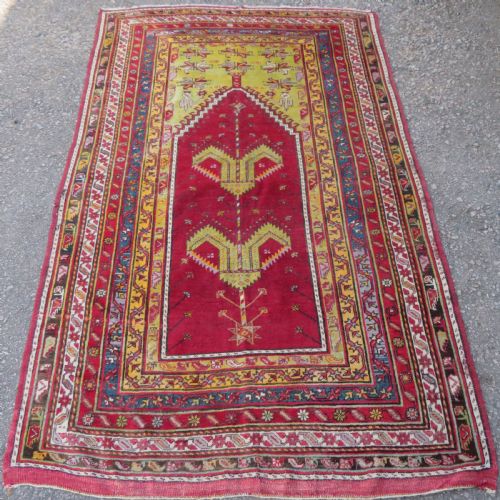
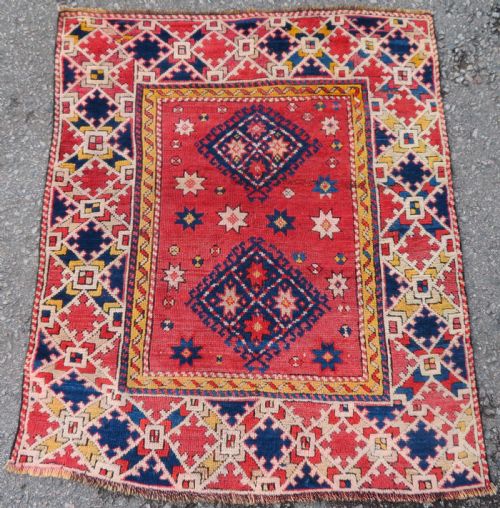
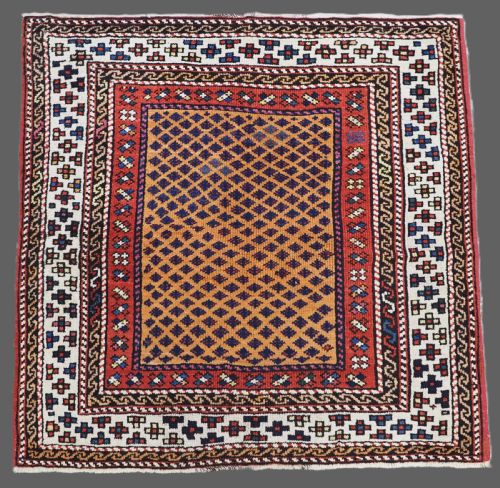
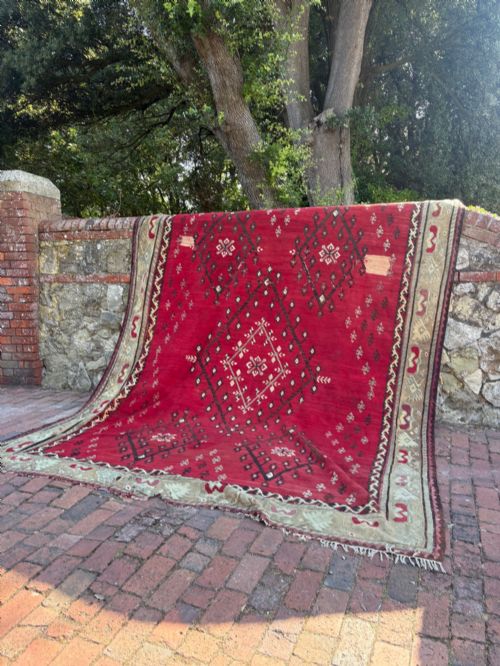
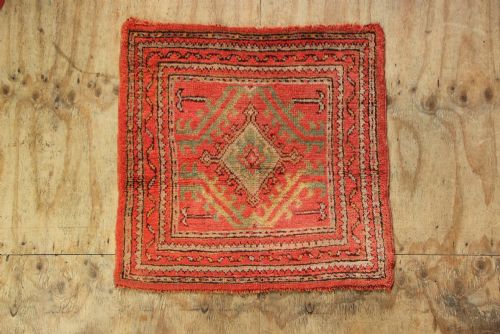
A red turkish rug represents a diverse category of floor coverings, prayer rugs, runners, and flatweaves originating from various Anatolian regions, towns, and villages. These textiles typically showcase regional motifs passed down through generations of weavers, appearing in formats ranging from small square accent pieces to large carpets.
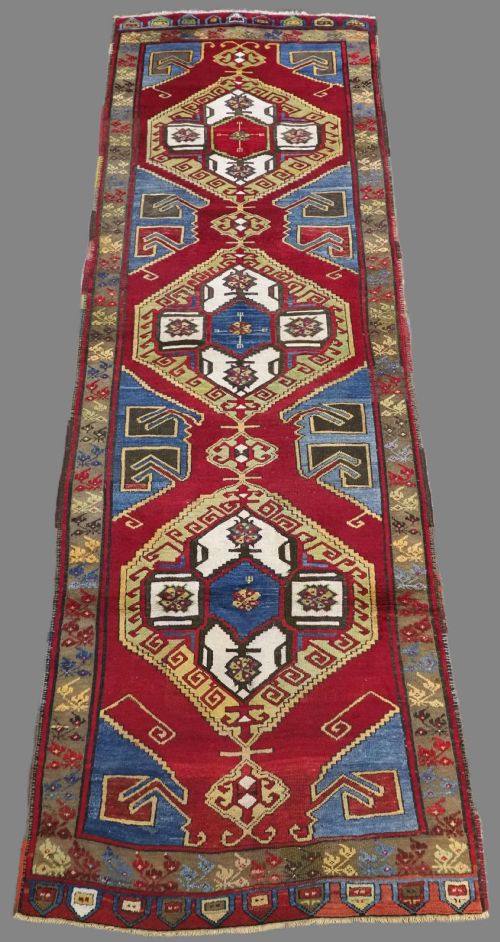
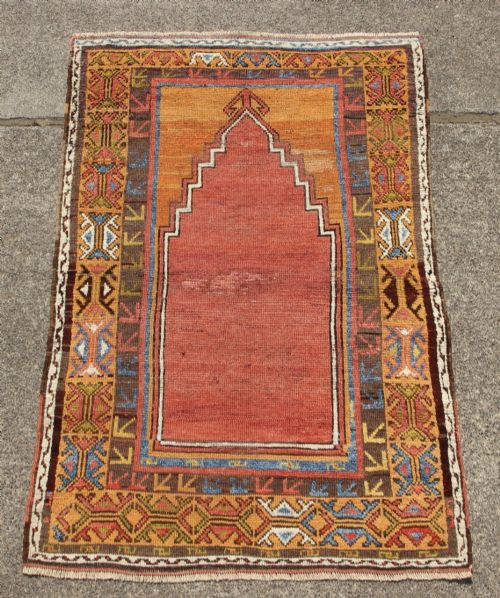
The selections available here lean heavily toward pieces from the nineteenth and early twentieth centuries, encompassing village productions alongside formal workshop pieces. Buyers frequently encounter formats such as prayer rugs with distinctive mihrab niches, long runners designed for hallways, and flatwoven kilims.
Origin names like Ushak, Konya, Bergama, and Kirsehir often define specific regional aesthetics within this group. Each producing area developed distinctive palettes, structural densities, and geometric or floral ornamentations that distinguish its output from other Anatolian weaving districts.
How a red turkish rug was made
Makers utilised natural materials including hand-spun wool, cotton foundations, and occasionally silk or metallic thread for special decorative accents. Wool provided the durable pile for most floor rugs, while cotton frequently served for warp and weft threads to maintain structural stability.
Weaving techniques varied between pile knots and flatwoven flatweave structures, depending on whether the textile was intended for floor use or lightweight furnishing. Village weavers employed upright looms and knotting traditions specific to their locality, dyeing yarns with locally sourced natural colourants to achieve rich red tones.
Red Turkish Rug Retail Price Guide 2026
Typical asking prices for red turkish rug among the pieces listed under this phrase on Sellingantiques today, from the lower quarter to the upper quarter. They describe what is for sale here now, not the wider market.
What varies in quality in a red turkish rug
Quality differences stem from the fineness of the knotting, the complexity of the design layout, and the overall integrity of the wool. Tighter knot counts allowed for sharper geometric definitions and more intricate curvilinear patterns, whereas coarser village pieces favoured bold, simplified motifs.
The depth and brilliance of the dyed wool also influence the visual hierarchy of these textiles. Secondary materials, such as the use of silk or metallic highlights alongside standard wool, signal higher status commissions or specialised regional workshops.
The Red Turkish Rug Glossary
- Prayer rug
- A small textile featuring a mihrab design, traditionally used for Islamic daily prayers. These pieces usually display a single pointed arch orienting the user toward Mecca.
- Kilim
- A flatwoven carpet produced by tightly interweaving warp and weft strands without creating a pile. This technique results in a lightweight, reversible textile with sharp geometric patterning.
- Mihrab
- The arched niche depicted on prayer rugs that mimics the architectural prayer niche found in mosques. Its orientation guides the directional placement of the rug during use.
- Warp
- The stationary vertical threads stretched across a loom that form the foundational skeleton of the rug. Weft threads are subsequently passed horizontally through these structural elements.
- Medallion
- A central ornamental motif positioned in the middle of the field. This focal design element often dictates the geometric symmetry of the surrounding field.
Red Turkish Rug: Frequently Asked Questions
How do I care for my red turkish rug?
Vacuum gently using a suction-only attachment without the beater bar to protect fragile vintage fibres. Professional cleaning by specialists in antique textiles is recommended every few years to preserve the natural wool.
Keep the piece out of direct sunlight to prevent fading of the natural red dyes. Rotating the rug periodically ensures even wear in high-traffic hallways or living spaces.
Where were these rugs historically woven?
Weavers produced these textiles across various Anatolian towns, nomadic tribal camps, and agricultural villages throughout modern-day Turkey. Major centres such as Ushak, Konya, and Bergama each established distinct regional design traditions.
Nomadic groups favoured portable upright looms and geometric tribal motifs, whereas urban workshops created large decorative carpets for formal architecture.
How can I tell different regional styles apart?
Regional attribution relies on examining the characteristic colour palette, border arrangements, and specific structural motifs. For instance, Ushak pieces often display large-scale floral layouts, while Konya and Kirsehir outputs frequently feature distinctive prayer niches.
Knot types, fringe finishes, and the choice of foundation materials also provide clues regarding whether a piece originated from a specific village or a larger weaving town.
Can I use an antique runner in a hallway?
Antique runners suit high-traffic hallways and corridors when paired with a quality rug underlay to prevent sliding. The durable wool pile of these traditional textiles withstands regular foot traffic while adding historical character to narrow spaces.
Checking dimensions carefully ensures the runner fits the specific length and door clearance of the intended corridor.