

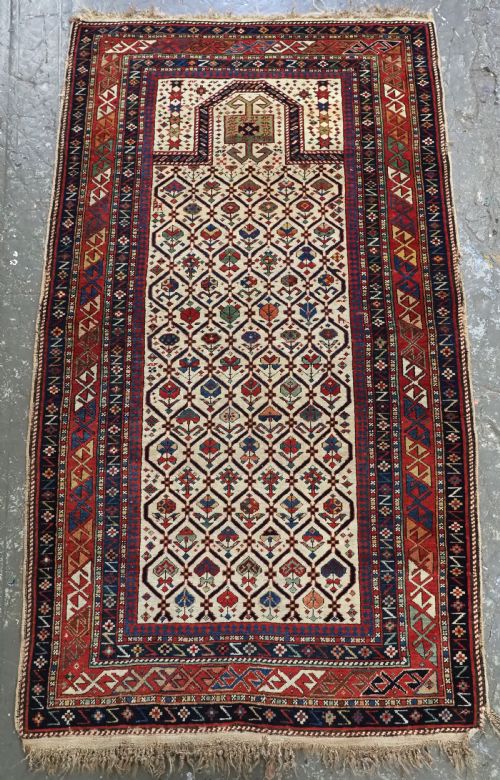
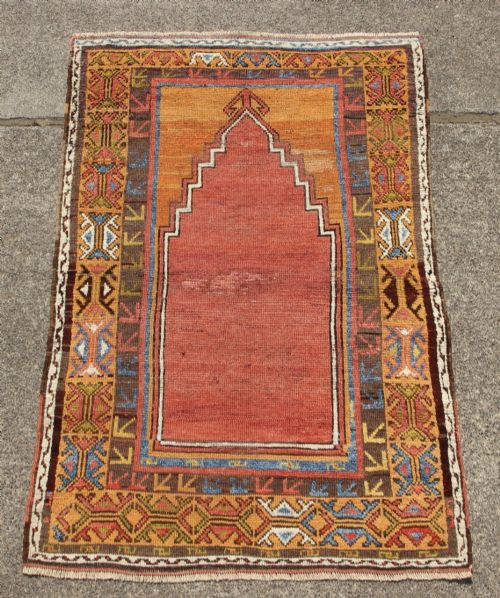
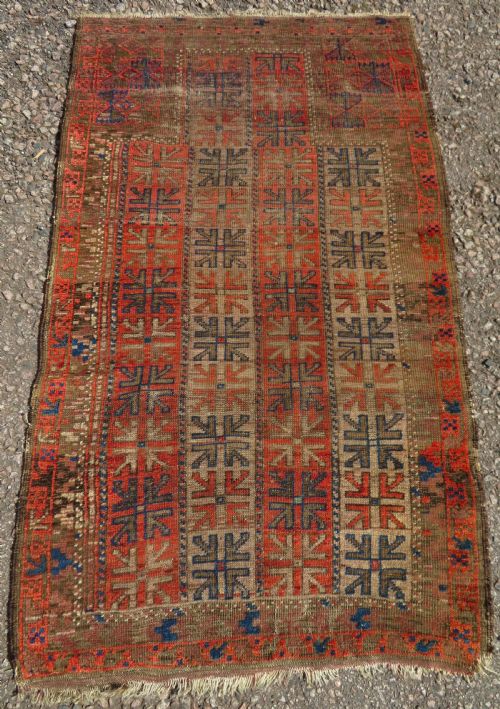
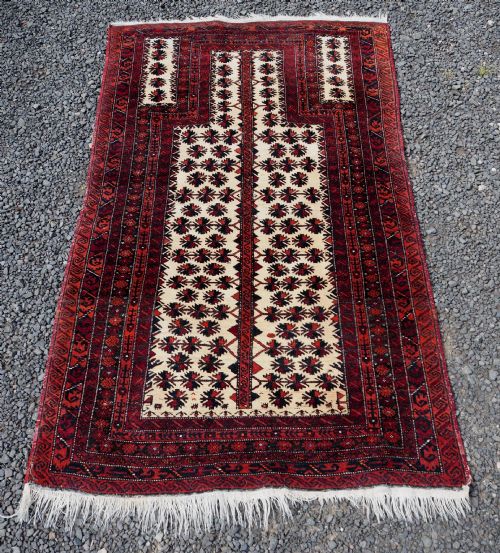


Antique Mihrab Rug
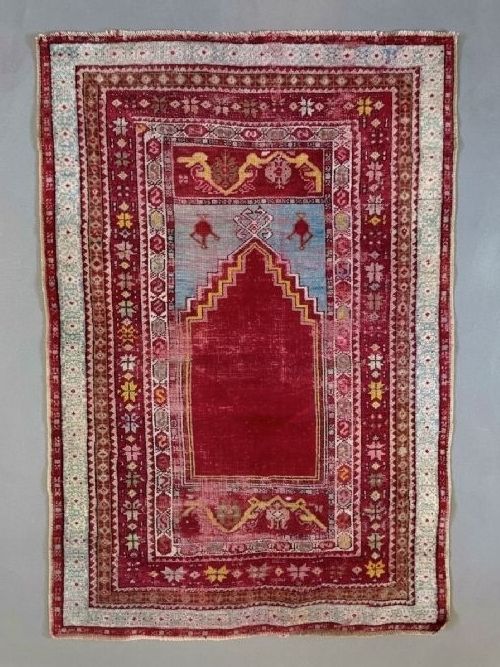
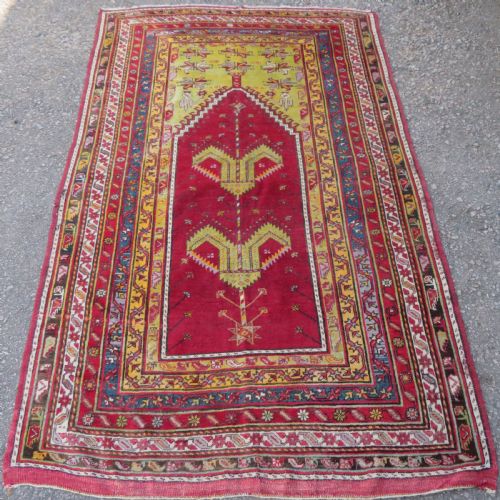
When you set out to acquire an antique mihrab rug, you are looking for a textile defined by its arched prayer niche design.
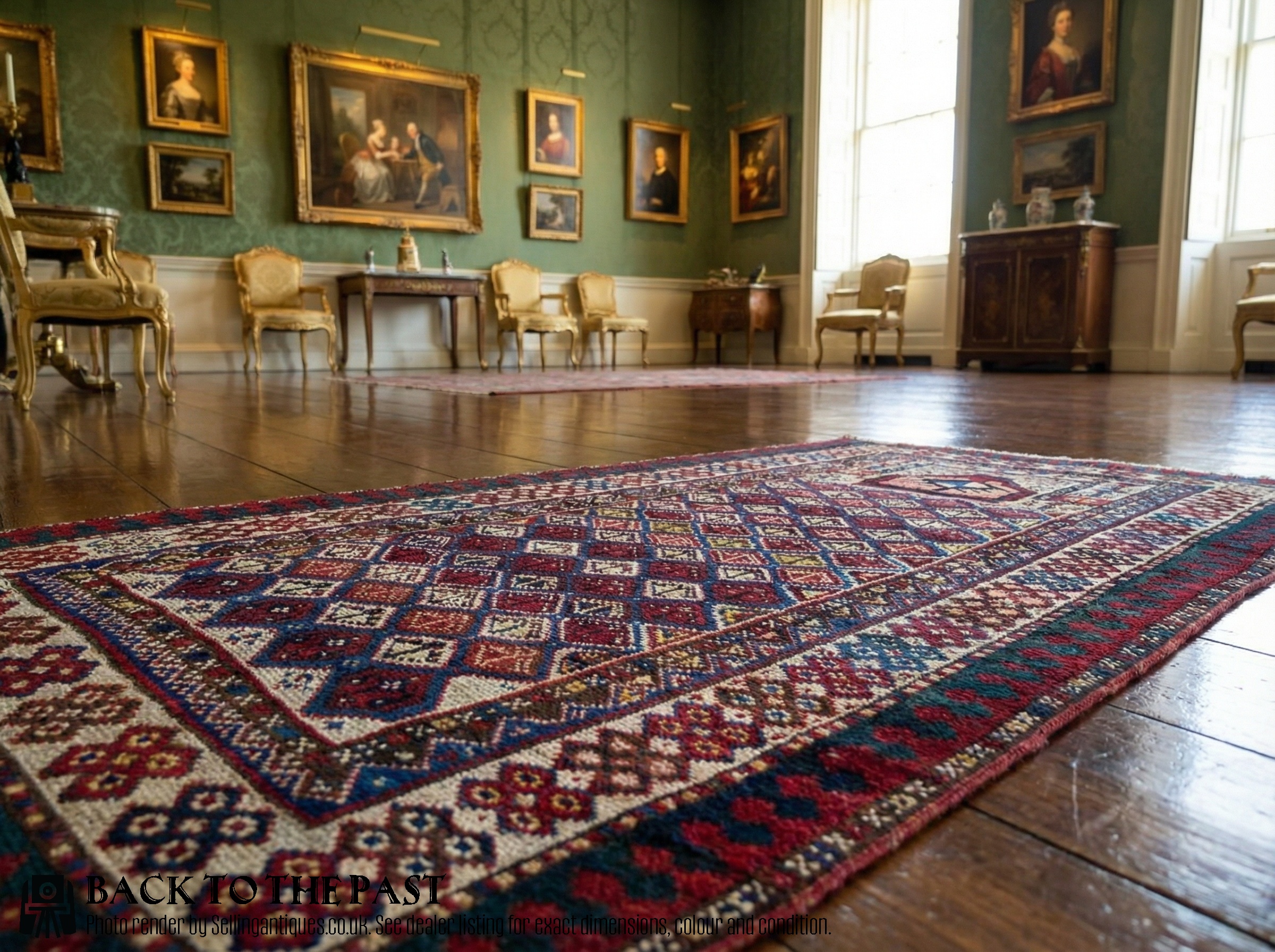
Antique Mihrab Rug
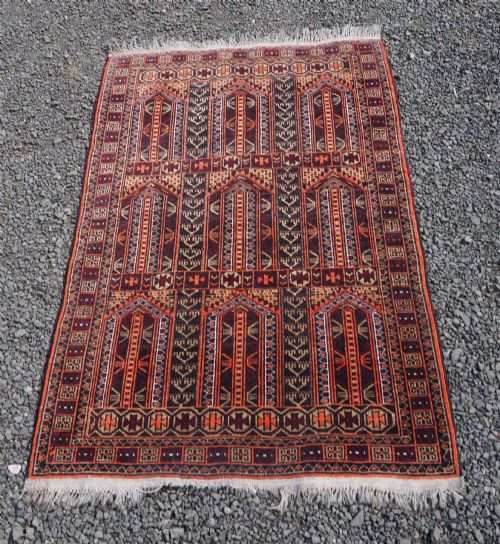
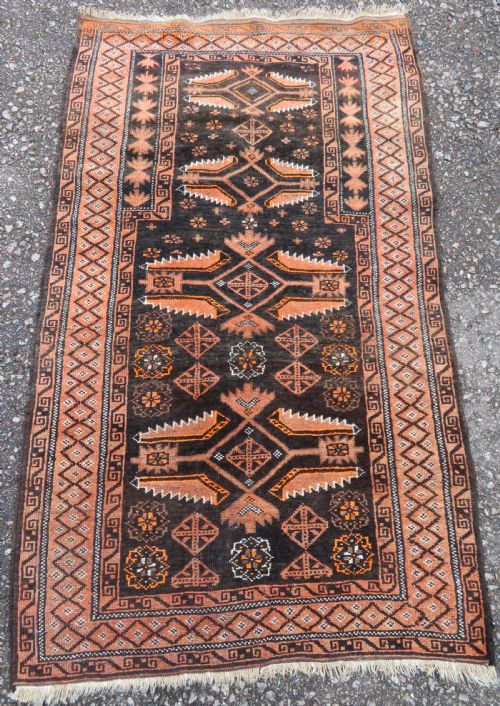
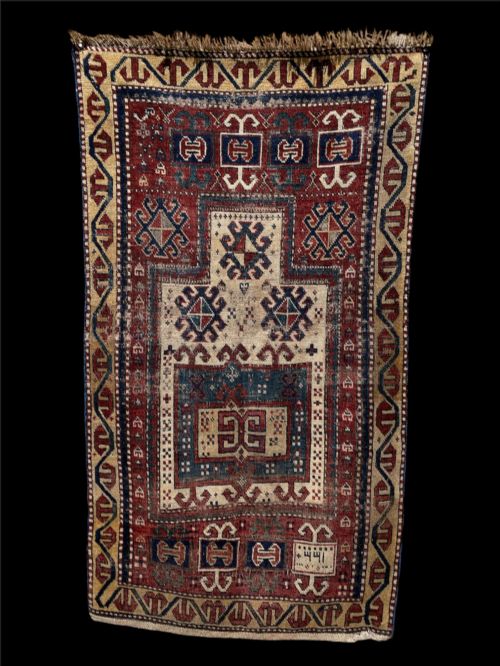
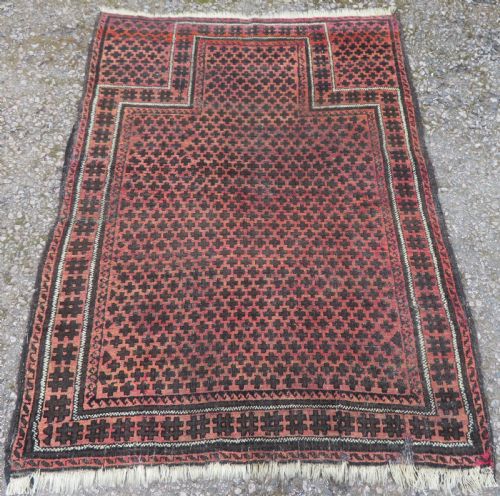
An antique mihrab rug is a textile centred around the representation of the mihrab, the prayer niche pointing toward Mecca. These pieces function as personal prayer spaces or decorative floor coverings woven by various regional traditions.
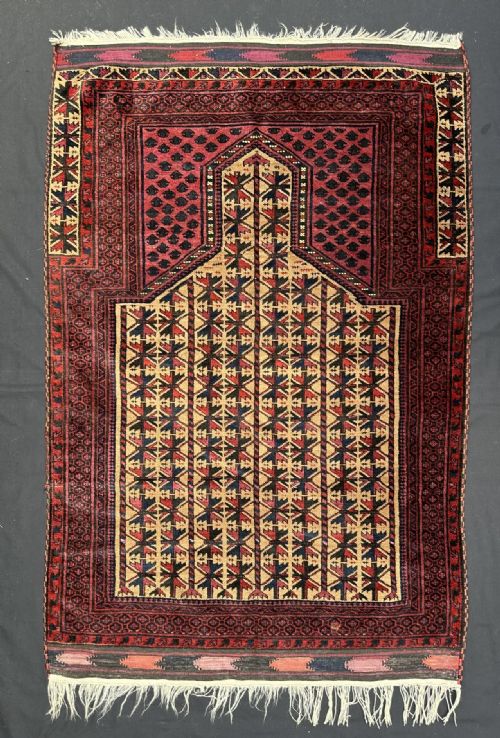
You will frequently meet examples originating from Anatolian, Caucasian, and Persian weaving centres, alongside tribal pieces from Afghan and Baluch makers. The designs range from single arches to double mihrabs and complex multiple niche formats.
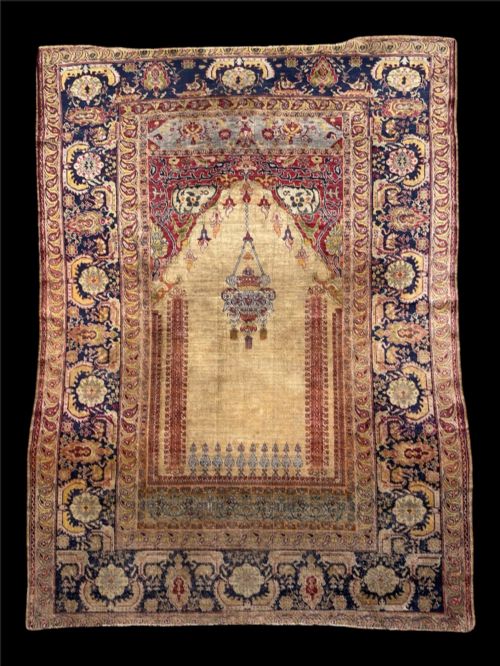
The format appears across diverse nineteenth and early twentieth century periods, spanning village workshops and nomadic camps alike. Buyers encounter everything from fine silk formats to robust wool village rugs.
How they were made
Weavers constructed these textiles predominantly from wool, hand-spun wool, cotton, and occasionally silk, often supported by camel wool or goat hair foundations. Natural dyes provided the foundational palette for the geometric and floral motifs.
Knotting techniques varied by region, linking village workshops in Anatolia and Persia with nomadic groups across the Afghan borderlands. Long kilim ends and complex structural weaves frequently completed the ends of the carpets.
Antique Mihrab Rug Retail Price Guide 2026
Typical asking prices for mihrab rug among the pieces listed under this phrase on Sellingantiques today, from the lower quarter to the upper quarter. They describe what is for sale here now, not the wider market.
Listings feature pieces utilising natural dyes, hand-spun wool, silk, camel wool, and goat hair across multiple nineteenth and early twentieth century dates.
What varies in quality
Quality rests in the precision of the knotting, the handling of the wool, and the clarity of the natural dyes used across the field. Finer silk examples or tightly packed village weaves demonstrate superior technical execution compared to looser tribal items.
The complexity and crispness of the architectural mihrab arch, along with the retention of original kilim ends, distinguish the finer pieces. Material choices, such as hand-spun wool and camel hair, elevate the handle and visual depth.
The Antique Mihrab Rug Glossary
- Mihrab
- The arched niche design set into the field of the rug, symbolising the direction of prayer. This architectural motif forms the primary focal point of the composition.
- Ghiordes
- A notable Anatolian weaving style and town associated with classical prayer rug designs. Pieces bearing this descriptor often display characteristic floral or architectural pillars beneath the arch.
- Baluch
- A tribal weaving group originating from the borderlands of Persia and Afghanistan. Their textiles frequently utilise rich dark wools and distinctive geometric prayer formats.
- Kelim ends
- The flatwoven tribal extensions at the top and bottom of a rug. These sections protect the knotted pile from unraveling and often feature colourful horizontal striping.
Antique Mihrab Rug: Frequently Asked Questions
What is a mihrab design?
The mihrab is the distinctive pointed arch depicted on the field of the rug. It references the prayer niche found in mosques.
In textile design, this arch is oriented toward Mecca during prayer, serving as both a spiritual symbol and a key decorative anchor for the composition.
Where were these rugs made?
These textiles originate from diverse regions including Anatolia, the Caucasus, Persia, and Afghan territories. Each area developed distinct regional weaving characteristics.
Village workshops, city looms, and nomadic tribal groups all produced these prayer formats using local materials and traditional dyeing methods.
How do I care for an antique rug?
Proper maintenance involves gentle vacuuming without a rotating brush bar and keeping the textile away from direct sunlight. Professional cleaning is recommended for wool and silk structures.
Allowing the natural fibres to breathe and using a quality underlay prevents unnecessary friction against hard floors.