


Anatolian Prayer Rug
An anatolian prayer rug brings centuries of woven devotion and striking geometric design into a modern room.
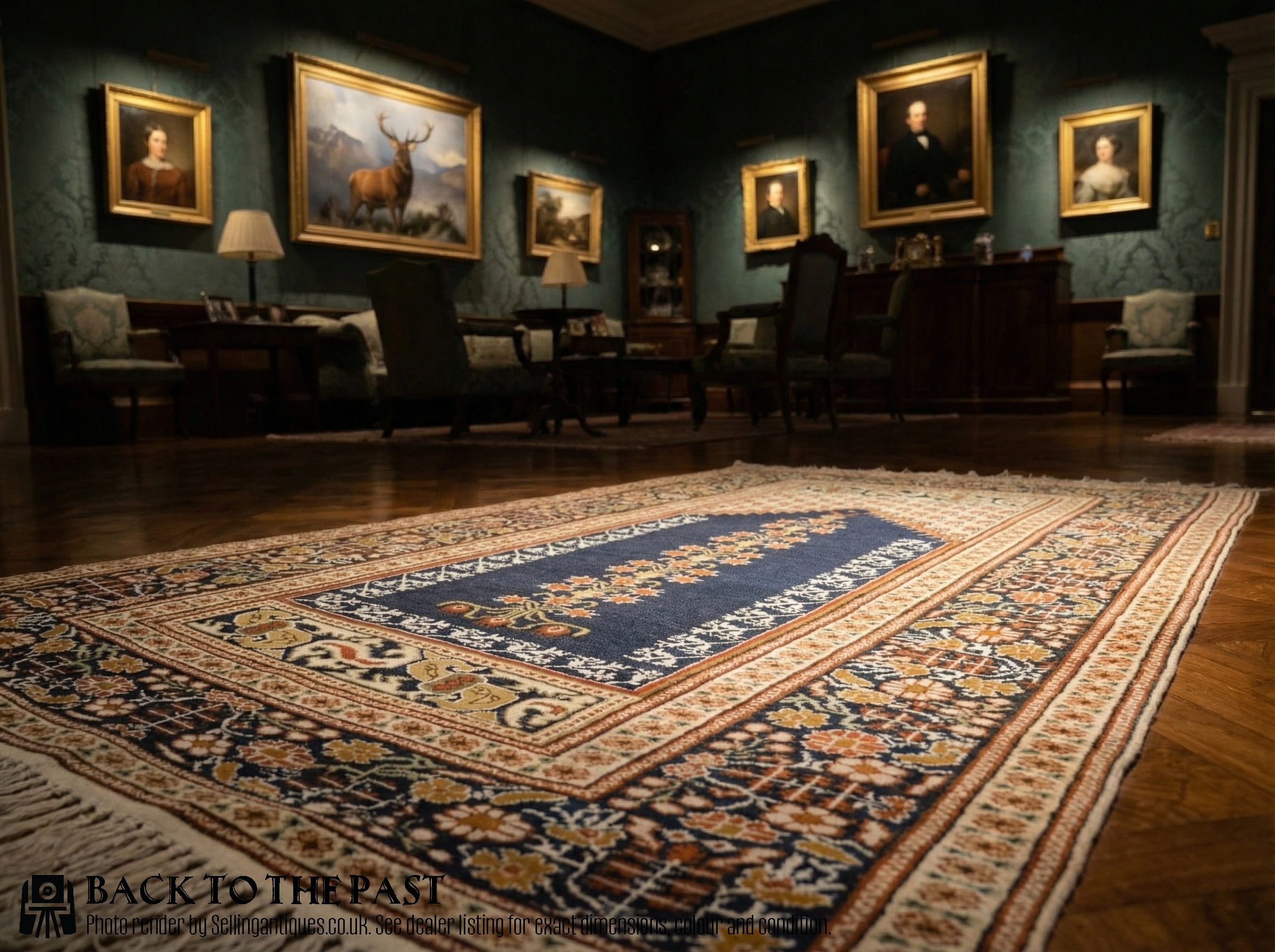
Anatolian Prayer Rug
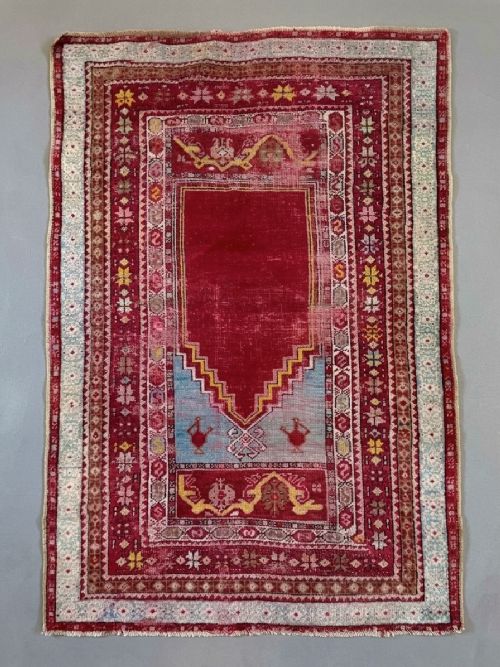
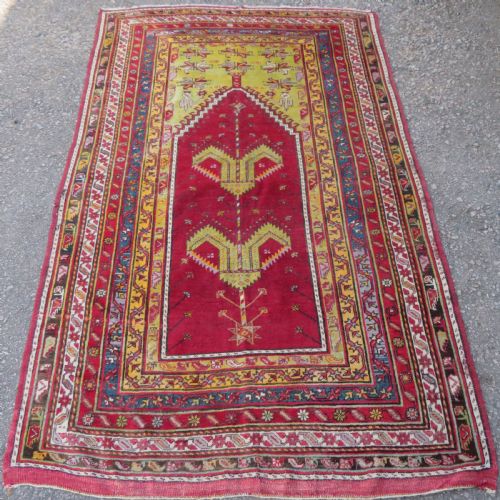
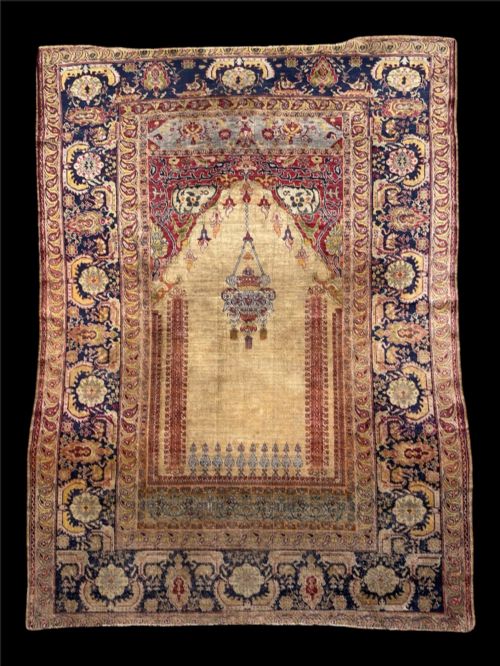
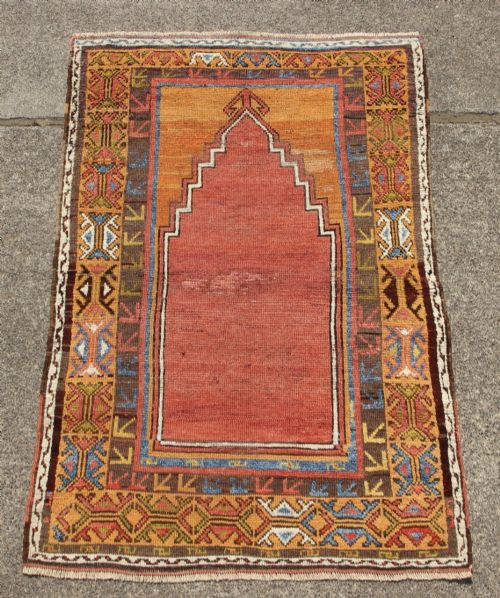
An anatolian prayer rug is a portable textile featuring a distinctive architectural niche design, historically used for personal daily worship. Buyers searching for an anatolian prayer rug encounter pieces originating from various Anatolian weaving centres, each displaying regional characteristics in border arrangements and field layouts.
The pieces available span from the nineteenth century into the early twentieth century, incorporating styles attributed to specific weaving towns such as Ghiordes, Ladik, Bergama, Mujur, and Ushak. These works reflect both traditional village production and more refined town workshop traditions from the Ottoman period.
Most examples measure in rug formats suitable for floor placement or wall display, retaining the directional mihrab motif that defines the type. The geographical attribution covers central, west, and north-west regions of Anatolia, demonstrating diverse tribal and regional aesthetics.
Materials and construction
Weavers constructed these rugs using wool and cotton foundations, frequently employing wool and occasionally angora wool for the pile. Natural dyes provided the colour palette, yielding tones that aged and softened over generations.
The structural knotting and weave density varied according to the specific district, with village pieces offering robust wool structures and workshop pieces presenting finer handling. Artisans utilised traditional hand-knotting techniques passed down through generations of Ottoman weavers.
Anatolian Prayer Rug Retail Price Guide 2026
Typical asking prices for anatolian prayer rug among the pieces listed under this phrase on Sellingantiques today, from the lower quarter to the upper quarter. They describe what is for sale here now, not the wider market.
Some weavers cleverly hid tiny talismanic motifs inside the prayer niche to guard the owner during devotion.
Distinctions in quality
The upper tier of these textiles is defined by the depth and integrity of the natural dye palette, where variations in hue create visual resonance across the field. Superior examples exhibit precise rendering of the prayer niche and balanced proportions within the border guards.
Pile retention and wool quality dictate the tactile experience of the surface, with denser knots holding sharper graphic lines in geometric designs. Workshop origin and regional attribution also influence the sophistication of the drawing within the central field.
The Anatolian Prayer Rug Glossary
- Mihrab
- The arched prayer niche design at one end of the rug that indicates the direction of prayer. This architectural form dictates the orientation of the textile.
- Natural Dyes
- Colourants derived from plant, root, and insect sources prior to the introduction of synthetic alternatives. These materials produce complex tones that age gracefully.
- Pile
- The upright yarn loops that form the functional surface of the rug. Full pile indicates minimal wear to the wool knotting.
- Warp
- The vertical foundation threads running the length of the rug onto which the knots are tied. Cotton or wool threads serve this structural purpose.
- Weft
- The horizontal threads passed between rows of knots to secure the structure. They bind the foundation together across the width of the piece.
Anatolian Prayer Rug: Frequently Asked Questions
What is a mihrab?
The mihrab is the arched niche depicted in the field of the rug. It points the user toward Mecca during prayer.
Over time, this architectural motif evolved into distinct regional geometric shapes that help identify where a rug was woven.
Where were they made?
These textiles originate from various regions across Anatolia, including central, western, and north-western districts. Specific towns like Ghiordes, Ladik, and Bergama gave their names to distinct styles.
Each weaving centre developed unique border patterns and colour combinations that distinguish its output.
How do I care for one?
Protect the textile from direct sunlight to preserve natural dye integrity and prevent wool degradation. Regular gentle vacuuming without a beater bar removes abrasive dust from the pile.
Professional cleaning tailored to antique textiles ensures the structural safety of the wool and cotton foundations.