






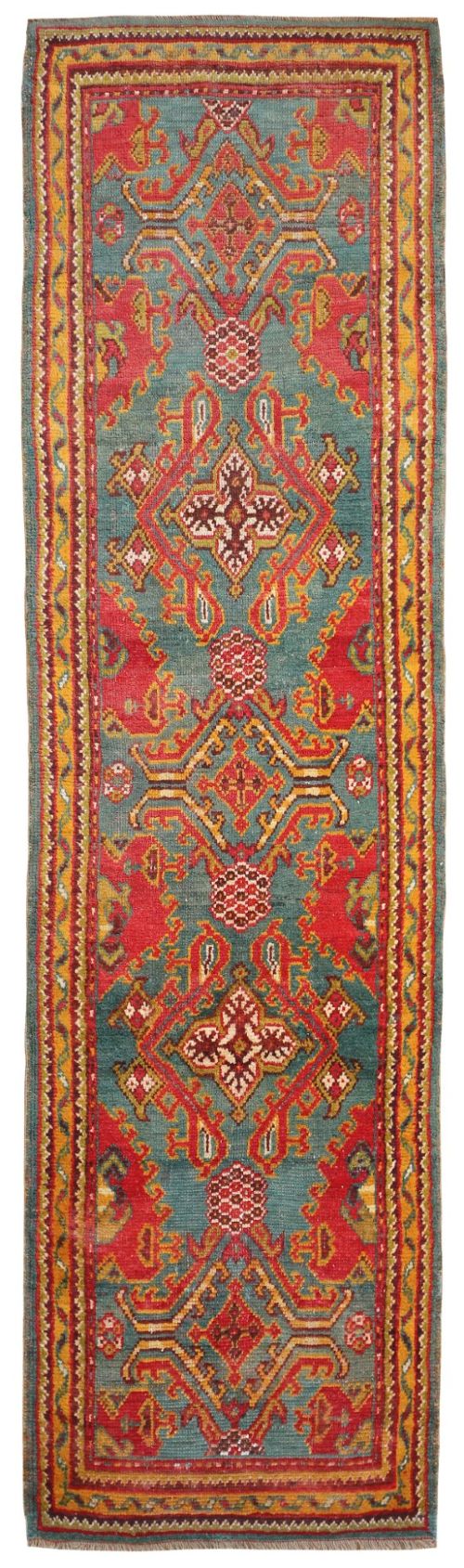
Blue Oriental Rug
A blue oriental rug brings depth and heritage to a room, offering the enduring craftsmanship of Persian, Anatolian, and Caucasian workshops.
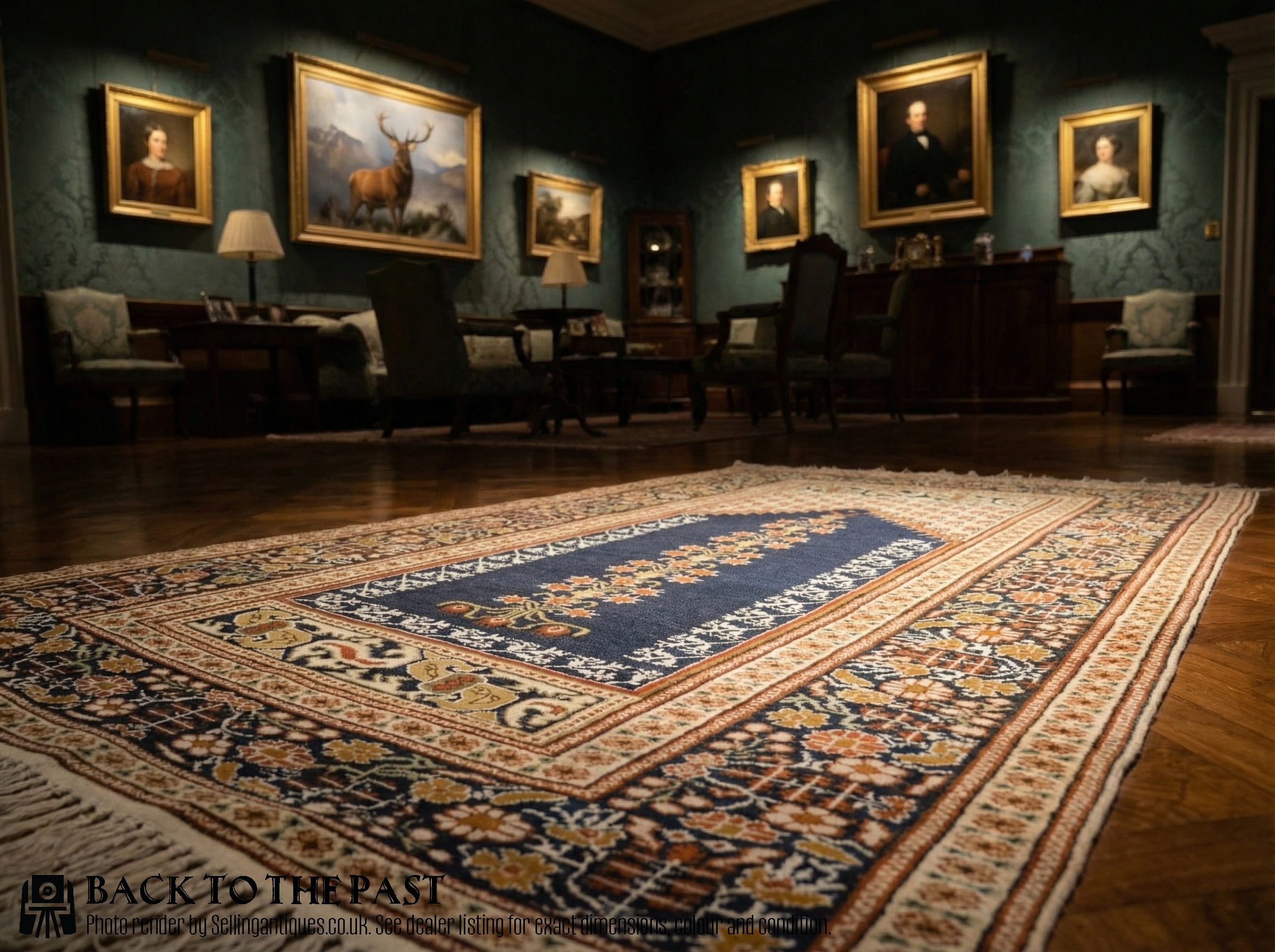
Blue Oriental Rug
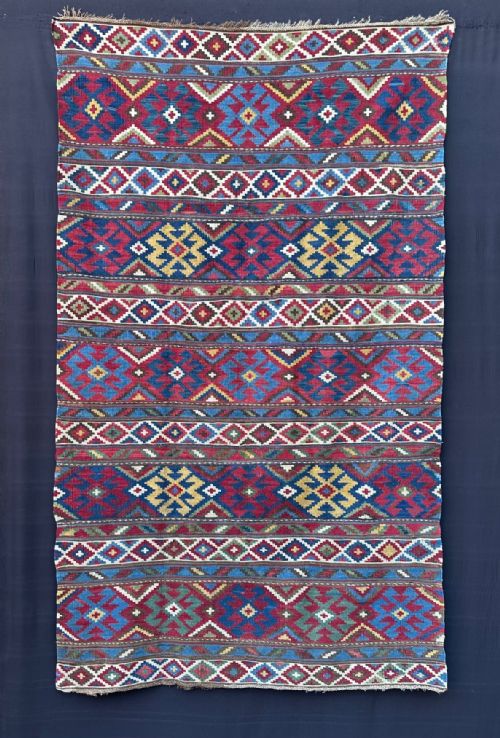
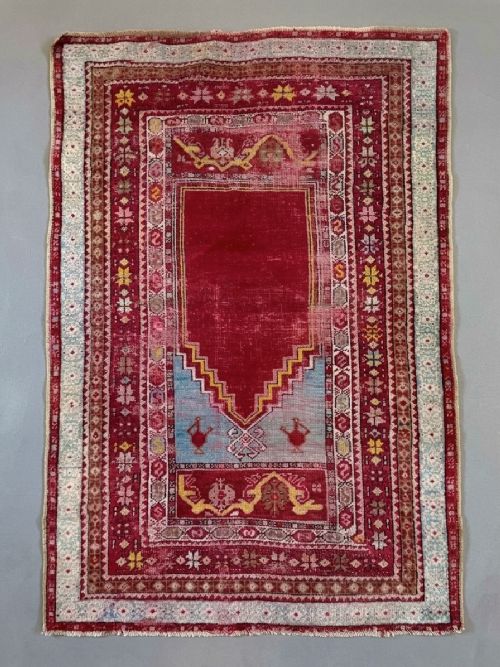
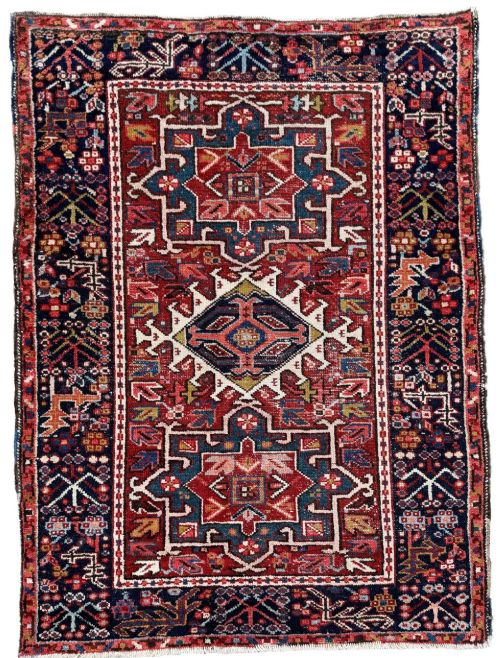
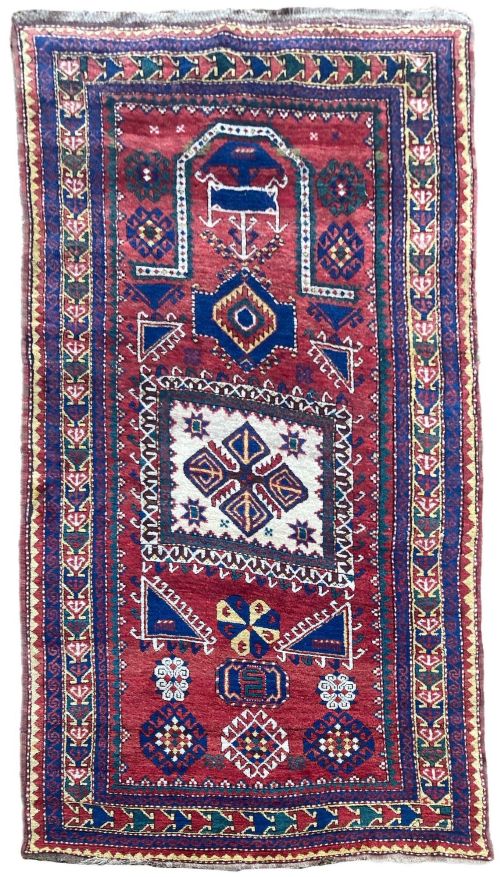
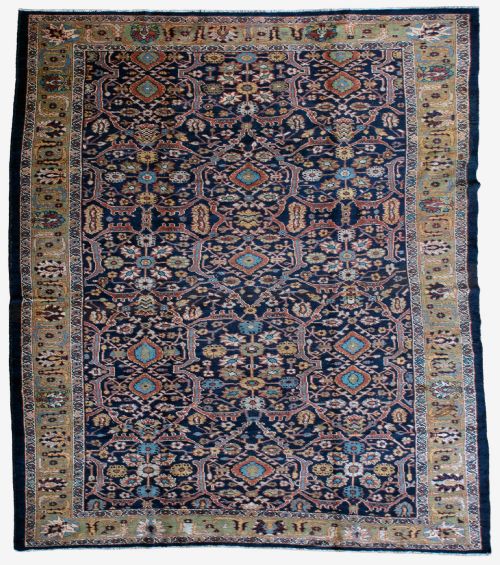
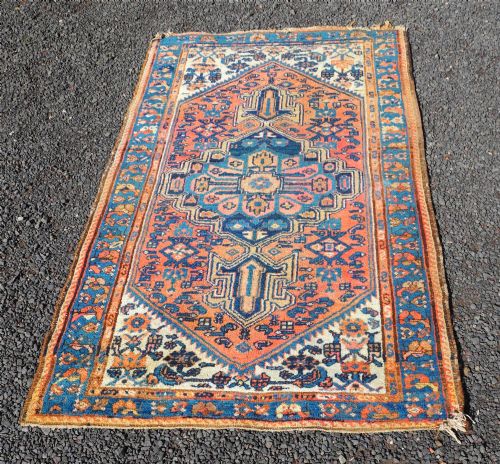
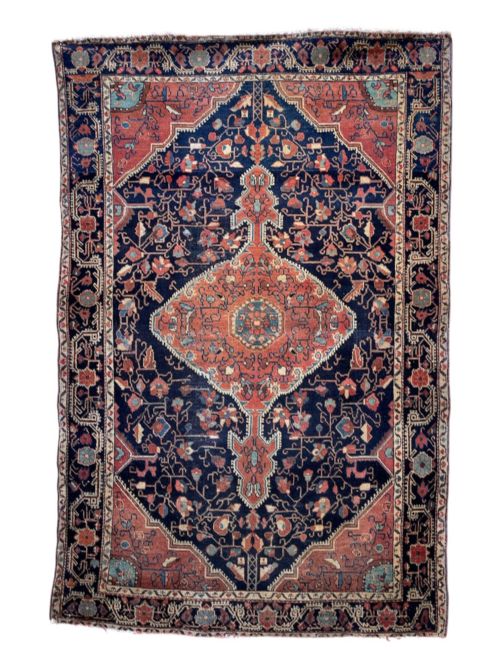
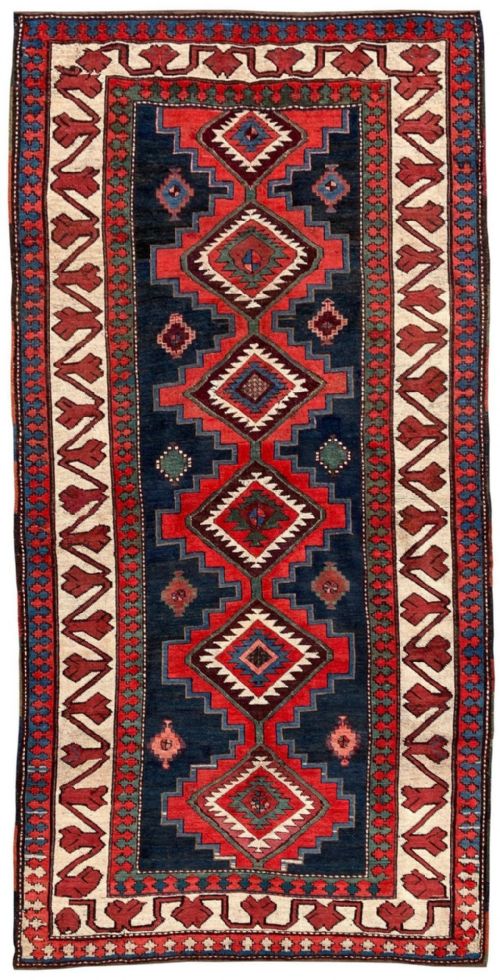
When you search for a blue oriental rug, you are looking at hand-knotted floor coverings originating from traditional weaving centres across the Middle East and Caucasus. The selection here spans regional styles such as Heriz, Mahal, Ushak, Panderma, Malayer, Kuba, and Senneh, alongside specific village and town weaves.
You are most likely to encounter room-size carpets and smaller scatter rugs dating from the late nineteenth century up to the 1920s. These pieces showcase diverse blue ground colours, ranging from deep indigo to soft slate, paired with traditional motifs and geometric or floral layouts.
How they were made
These floor coverings are constructed using traditional hand-knotting techniques executed on upright looms. Weavers utilised natural wool for the pile, working colour by colour to build dense and durable surfaces designed for daily use.
Cotton foundations provided the structural warp and weft threads that gave these carpets stability and strength. The combination of wool pile and cotton foundations allowed weavers to create both fine town rugs and heavier village carpets.
Blue Oriental Rug Retail Price Guide 2026
Typical asking prices for blue oriental rug among the pieces listed under this phrase on Sellingantiques today, from the lower quarter to the upper quarter. They describe what is for sale here now, not the wider market.
One portrait rug depicts the Persian ruler Ahmad Shah Qajar woven directly into the wool pile.
What varies in quality
Quality in these textiles rests upon the density of the knotting and the precision of the design execution. Finer town pieces, such as Kashan or Senneh rugs, display intricate detail and delicate floral drawing, whereas village rugs like Heriz or Kuba rely on bold, graphic interpretations.
The nuance and depth of the blue dye lot further distinguish the pieces at the upper end of the range. Variations in wool quality and the retention of crisp pattern outlines determine how successfully a rug holds its visual impact over time.
Mohtasham Kashan
The Blue Oriental Rug Glossary
- Heriz
- A style of Persian carpet known for large-scale geometric medallions and robust, sturdy construction. These rugs originate from the Azerbaijan region in northwest Persia.
- Herati
- A repeating lattice pattern composed of a floral rosette enclosed by curved leaves, frequently found in Persian and Caucasian weaving. It is one of the most enduring designs in carpet history.
- Warp
- The vertical threads stretched lengthwise on the loom that form the foundation of the rug. The visible fringe at either end of a finished piece consists of the extended warp threads.
- Weft
- The horizontal threads passed across the warp threads between rows of knots to bind the structure together. Proper tension in the weft ensures the rug remains flat and stable.
Blue Oriental Rug: Frequently Asked Questions
Where were these rugs made?
These textiles originate from historical weaving regions spanning Persia, Anatolia, and the Caucasus. Specific towns and districts, such as Heriz, Ushak, and Senneh, developed distinct regional styles.
Local workshops and village weavers utilised traditional motifs and indigenous materials characteristic of their specific geographical locations.
How do I care for an antique rug?
Protect your carpet by placing it in areas with moderate foot traffic and avoiding direct, prolonged exposure to strong sunlight. Regular gentle vacuuming without a beater bar removes trapped dust from the wool pile.
Professional cleaning tailored to antique textiles should be employed when deeper maintenance is required. Proper rug underlays prevent slipping and reduce friction against the floorboards.
How do I tell different regional styles apart?
Regional styles reveal themselves through distinct design vocabularies, knotting structures, and colour palettes. Heriz carpets feature bold geometric medallions, while Ushak pieces often display looser, expansive floral sprays.
Village rugs from the Caucasus and Persia rely on sharp, angular motifs, whereas town workshops produced finer, curved botanical compositions.
What materials were used in their construction?
The pile of these rugs consists primarily of sheep wool, chosen for its resilience and ability to take dye. Cotton forms the hidden foundation structure of warp and weft threads.
These natural materials work together to create flexible yet durable floor coverings capable of lasting for generations.