


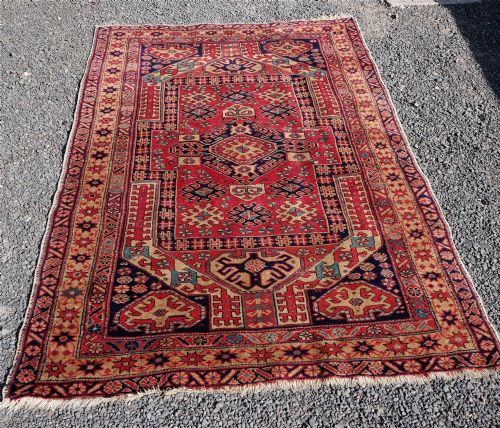
Vintage Geometric Rug
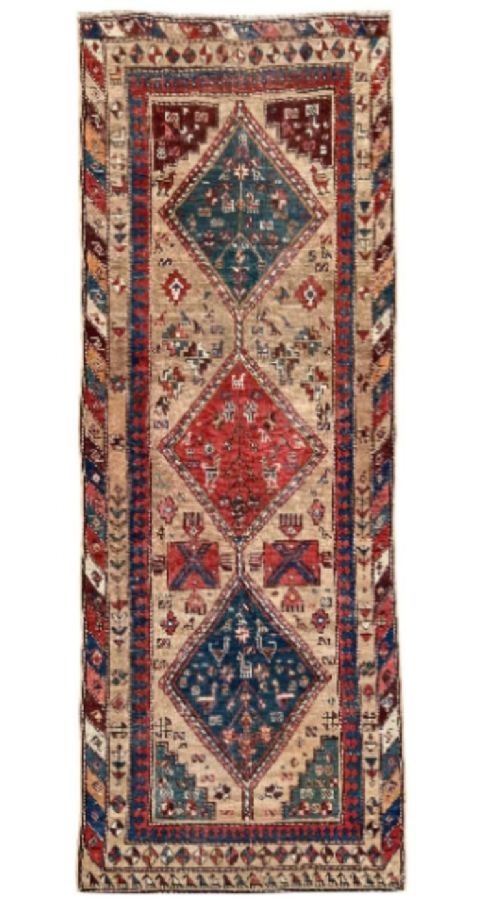
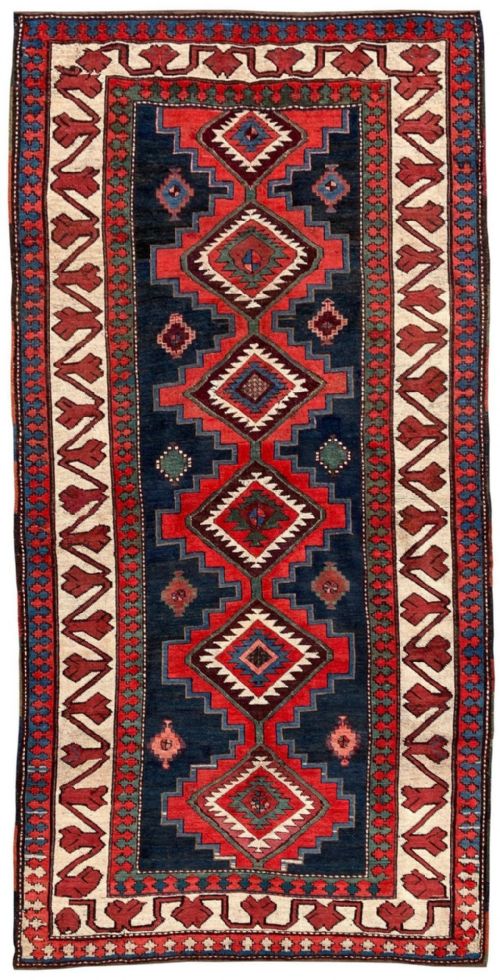
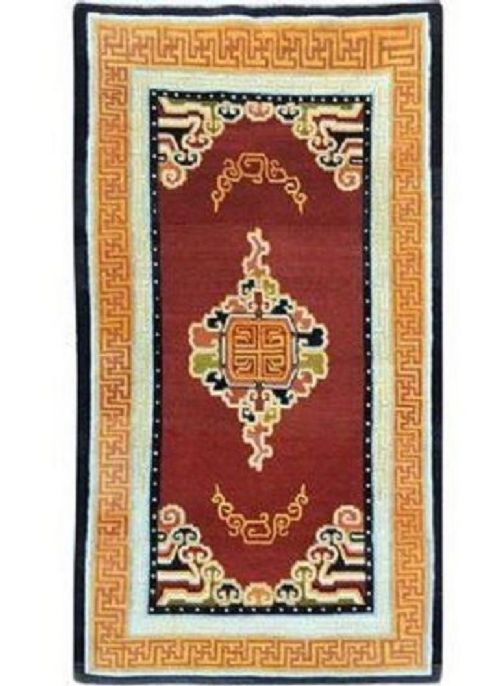
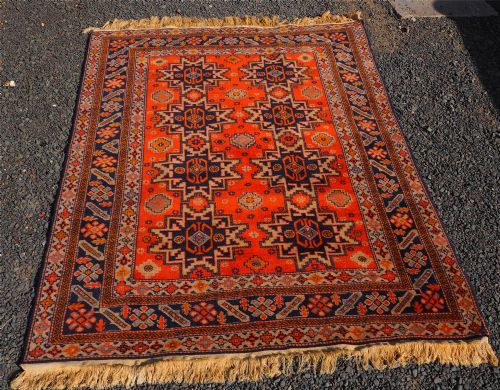
A vintage geometric rug brings striking angular motifs and rich regional character into a room.
Vintage Geometric Rug
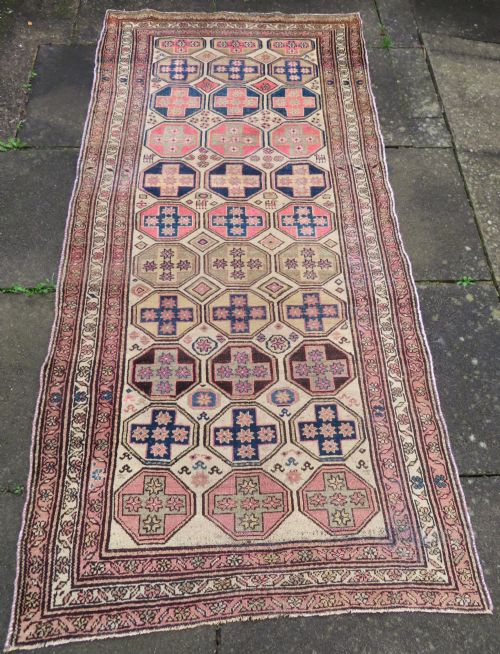
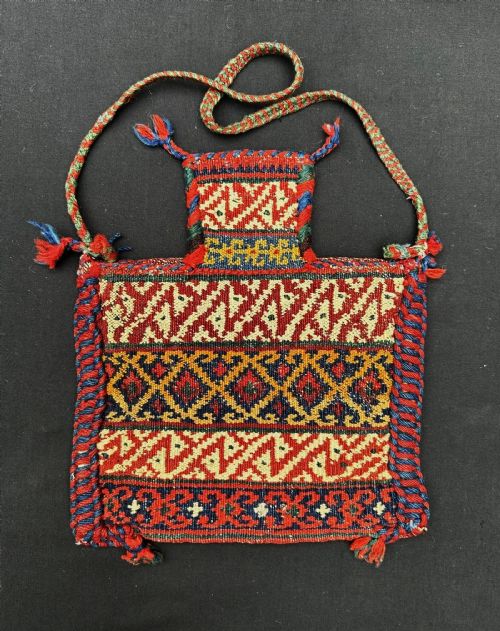
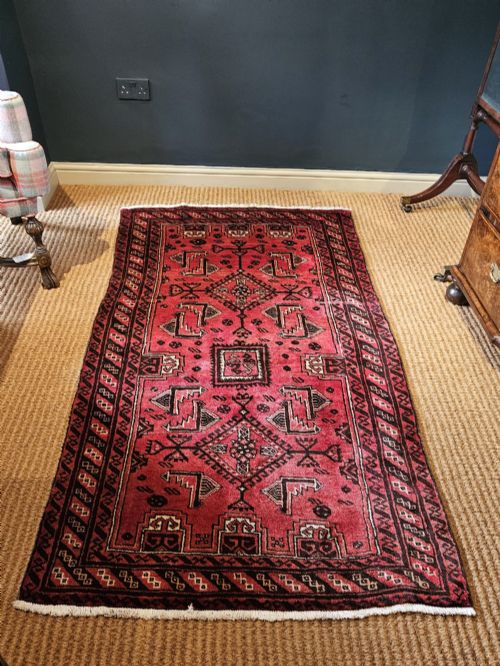
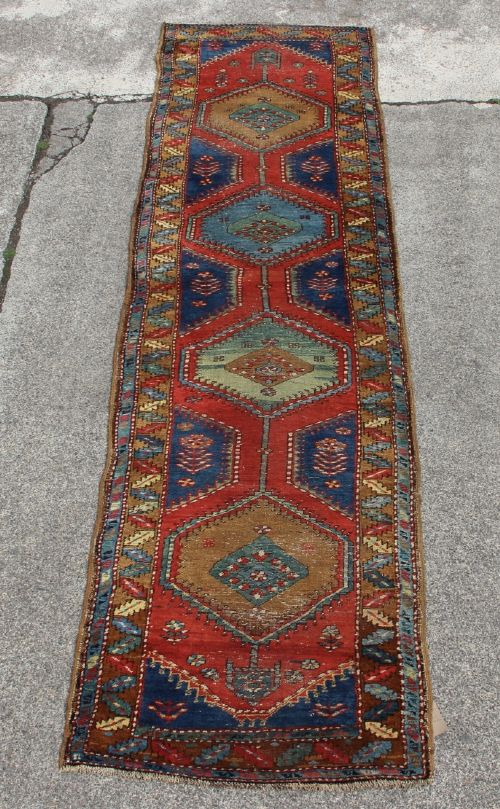
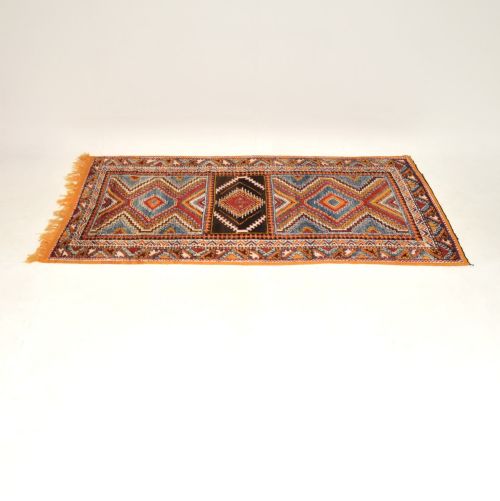
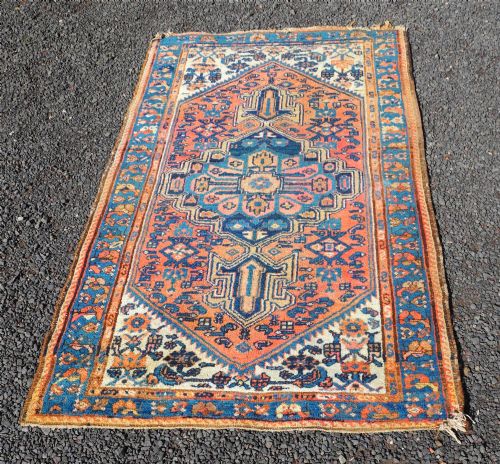
A vintage geometric rug draws the eye with bold lines, medallions, and diagonal stripes rooted in tribal and village traditions. These floor coverings span production dates from the late nineteenth century through to the early decades of the twentieth century.
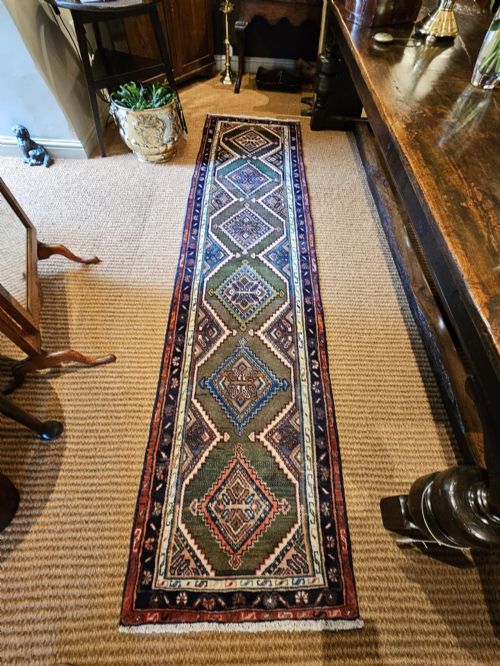
The selection centres on regional styles such as Caucasian, Turkmen tribal, and Persian Heriz types. Buyers encounter formats ranging from smaller Kazak and Gendje village rugs to larger main carpets.
Each piece reflects the distinct weaving heritage of its origin, carrying patterns passed down through generations. The enduring appeal lies in the way these strong linear designs anchor modern and traditional interiors alike.
Materials and Construction
The construction relies heavily on natural materials, with wool, cotton, and hand-spun wool forming the pile, foundation, and warps. Artisans sourced these fibres locally to build durable, dense floor coverings designed for daily use.
Weavers knotted or flatwove these materials by hand on upright vertical looms, utilising traditional techniques that imparted structural strength. The reliance on hand-spun wool gives the surface texture a varied, organic handle.
Vintage Geometric Rug Retail Price Guide 2026
Typical asking prices for vintage geometric rug among the pieces listed under this phrase on Sellingantiques today, from the lower quarter to the upper quarter. They describe what is for sale here now, not the wider market.
Every tribal weaver inadvertently leaves a personal signature in the tiny wool irregularities that no machine could ever replicate.
Assessing Quality
Quality rests in the crispness of the drawing and the saturation of the wool pile. Tighter knotting and finer hand-spun wool create greater definition in the diagonal stripes and geometric guls.
The harmony and depth of the natural palette distinguish superior examples from simpler ones. Balance in the border proportions and precision in the execution of tribal motifs mark the upper tier of these textiles.
The Vintage Geometric Rug Glossary
- Gul
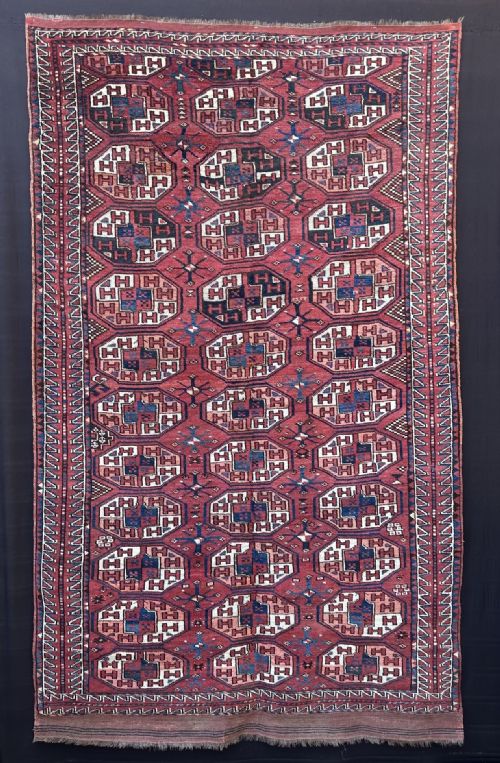
- An octagonal medallion or repeating floral motif characteristic of Turkmen tribal weaving. These symbols often denote specific tribal lineages.
- Kazak
- A designated style of rug originating from the Caucasus region known for bold primary colours and strong geometric layouts. They typically feature striking square or polygonal medallions.
- Heriz
- A style of Persian carpet featuring large, geometric central medallions and robust corner spandrels. They are woven in the Heris district and prized for their durable structure.
- Kelim
- A flatwoven rug made without a pile, creating a lighter and thinner textile. These pieces rely entirely on the interweaving of warp and weft threads to form the geometric pattern.
Vintage Geometric Rug: Frequently Asked Questions
Where should I place a geometric rug?
These pieces suit high-traffic areas like hallways, living rooms, and studies where their durable wool construction stands up to daily movement. Their strong patterns also make them effective as focal points beneath coffee tables or in entryways.
Consider the scale of the room and the furniture placement to let the angular motifs remain visible. Smaller village rugs work well in compact spaces, while larger formats anchor expansive seating arrangements.
How do I care for a wool rug?
Regular gentle vacuuming without a rotating brush roll helps keep the wool pile free of dust and grit. Professional cleaning is recommended every few years to maintain the integrity of the natural fibres.
Keep the textile out of direct, harsh sunlight to prevent fading of the dyed wool over time. Using an appropriate underlay also prevents slipping and reduces friction between the floor and the foundation.
How do I identify a Caucasian rug?
Caucasian rugs typically display primary colours such as red, blue, and ivory arranged in sharp, angular geometries. Look for distinctive motifs like diagonal stripes, hooked polygons, and structured borders.
The handle is often dense and robust, reflecting the village traditions of the region. Examining the back reveals the knotting structure and the use of wool or cotton foundations.
What is a Turkmen main carpet?
A Turkmen main carpet is a large floor covering traditionally produced by nomadic and semi-nomadic tribes of Central Asia. These pieces often feature repeating gul motifs across a deep red field.
They served functional and ceremonial purposes within tribal dwellings. Their substantial size and tight wool construction set them apart from smaller scatter rugs.