

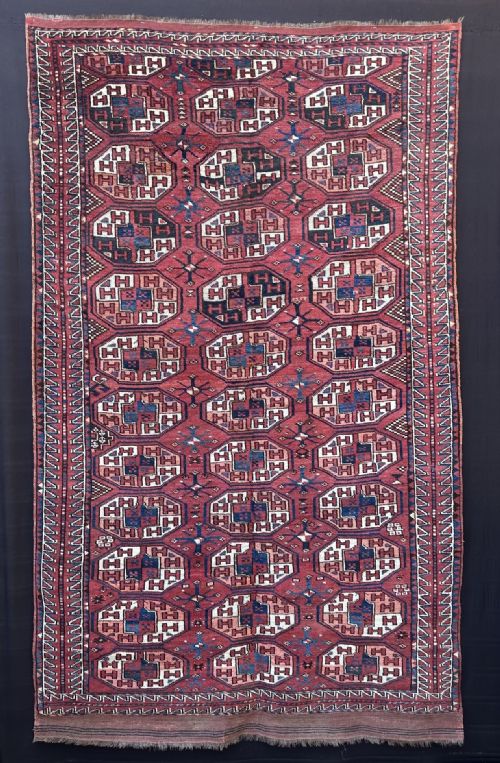
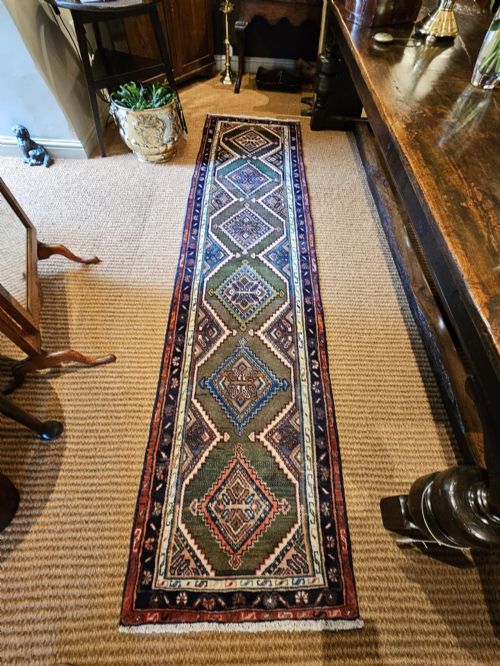


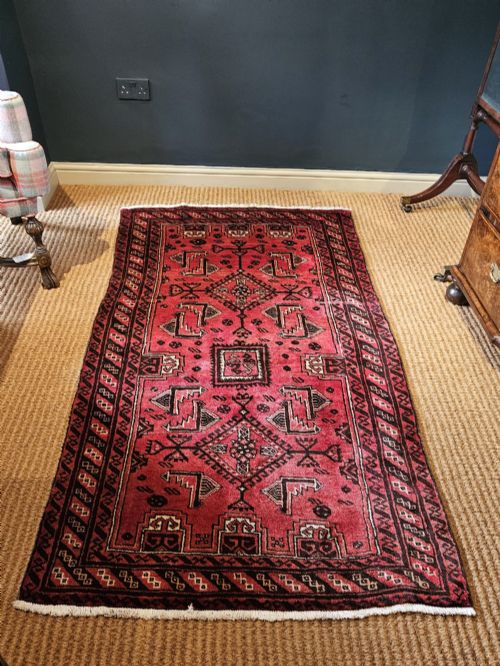
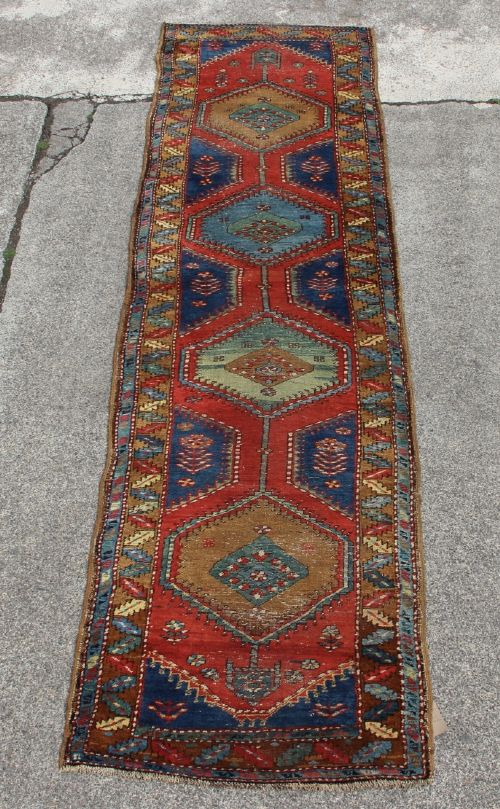


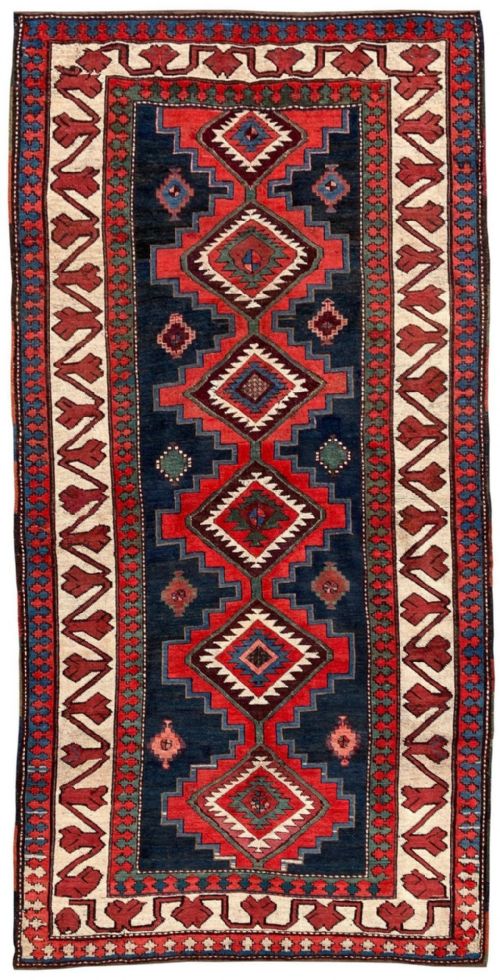
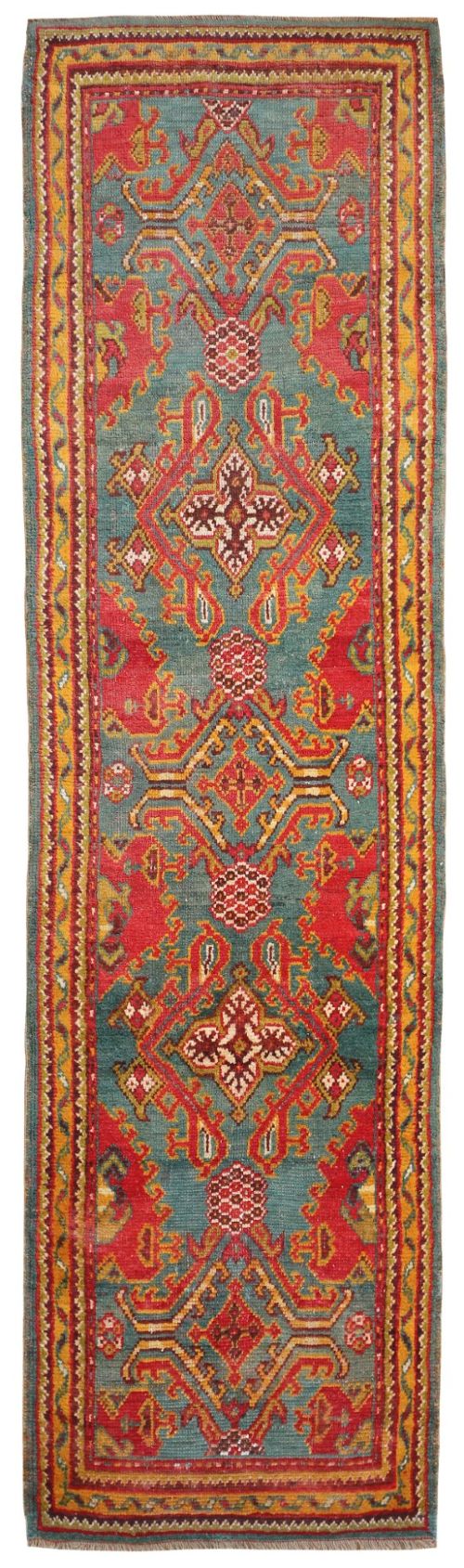
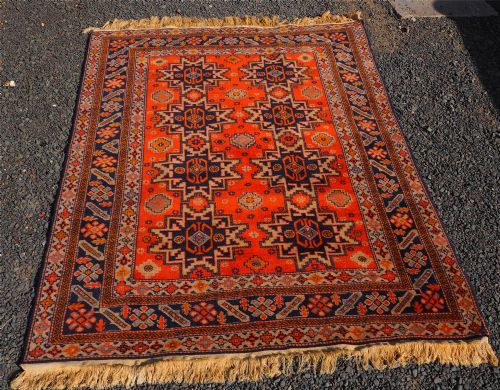
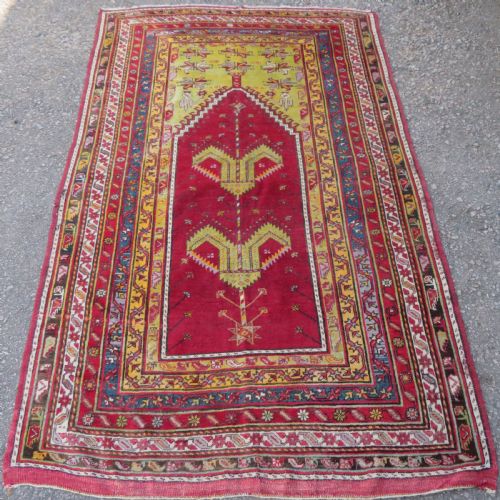
Vintage Tribal Runner
A vintage tribal runner brings rich history and enduring craft to narrow spaces.
Vintage Tribal Runner
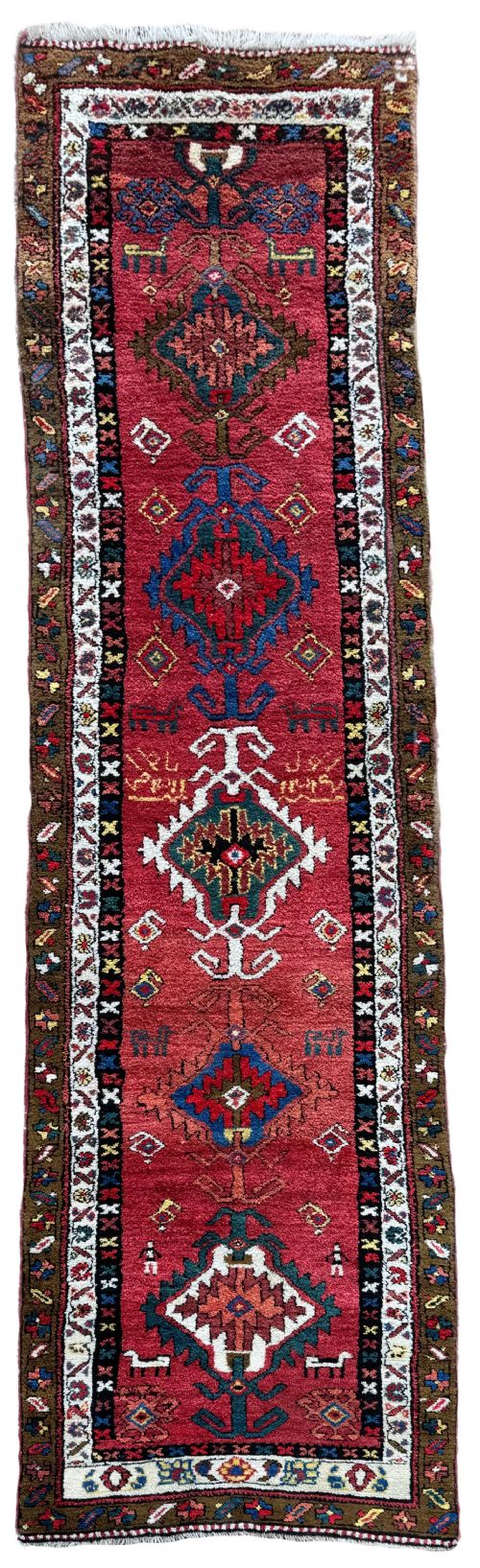
A vintage tribal runner is a narrow, elongated textile woven by nomadic or village communities across Persia, the Caucasus, Anatolia, and Central Asia. These pieces serve primarily as functional floor coverings for corridors, hallways, and staircases, shaped by centuries of regional weaving traditions. When searching this phrase, a buyer encounters elongated formats designed specifically for traffic paths, often featuring distinct geometric medallions, repeating lattice patterns, or tribal motifs.
The materials and aesthetic identifiers reflect specific weaving groups such as Kurdish, Bakhtiar, Baluch, Kazak, and Heriz communities. Pieces span periods from the nineteenth century through the early decades of the twentieth century, displaying hand-knotted wool pile or flatweave structures. The common thread is a narrow rectangular proportion combined with indigenous design symbols passed down through generations of makers.
Materials and construction
These textiles rely predominantly on wool, hand-spun wool, cotton, and camel hair for the foundation and pile. Natural fibres provide the physical structure, with wool offering resilience underfoot whilst cotton frequently forms the warp and weft threads of Persian and Anatolian village weaving. Certain regional examples incorporate alternative natural elements such as sabra cactus silk.
Weavers knot the pile by hand onto vertical or horizontal looms, utilising traditional techniques that lock the coloured yarns securely into place. The resulting density of the knotting dictates the structural integrity and surface texture of the runner, whilst natural dye stuffs yield the characteristic deep reds, blues, and earth tones seen across the pieces.
Vintage Tribal Runner Retail Price Guide 2026
Typical asking prices for vintage tribal runner among the pieces listed under this phrase on Sellingantiques today, from the lower quarter to the upper quarter. They describe what is for sale here now, not the wider market.
Materials span wool, hand-spun wool, cotton, camel hair, and sabra cactus silk across nineteenth and twentieth-century production.
Distinctions in quality
Quality rests upon the tightness of the weave and the precision of the hand-knotted structure. Finer knot counts per square centimetre allow for crisper graphic detail in geometric medallions and lattice work, marking the difference between standard village output and superior collector-grade pieces.
The integrity of the natural dyes and the consistency of the hand-spun wool further separate examples. Even wear across the pile and secure original selvedges indicate a sound construction history, whereas overly brittle fibres or compromised foundations diminish the longevity of the runner.
The Vintage Tribal Runner Glossary
- Runner
- A long, narrow carpet format designed for hallways, corridors, and staircases. These pieces measure significantly longer than they are wide to fit linear architectural spaces.
- Pile
- The vertical or upright loop of yarn that forms the soft surface of a knotted rug. It is created by tying individual knots around the warp threads during the weaving process.
- Warp
- The stationary vertical threads stretched tightly on the loom before weaving begins. The pile knots are tied around these foundational longitudinal strands.
- Weft
- The horizontal threads passed alternately over and under the warp threads. These rows stabilize the structure of the woven textile after each line of knots.
- Kilim
- A flatweave textile produced without a pile by tightly interweaving warp and weft strands. These pieces result in a lightweight, reversible floor covering or hanging.
Vintage Tribal Runner: Frequently Asked Questions
Where should I place a runner?
These narrow textiles suit hallways, corridors, and entryways where linear floor space requires functional warmth. They also anchor galley kitchens, narrow landings, and bedside areas effectively.
Because the proportions are exceptionally long and narrow, measure the intended corridor carefully and allow clear floorboards to show around the edges for optimal visual balance.
How do I care for wool runners?
Gentle, regular vacuuming without a rotating brush roll prevents dust accumulation within the wool pile. Address spills immediately by blotting with a clean cloth rather than rubbing the fibres.
Professional specialist cleaning suited for antique textiles preserves the natural lanolin in the wool and protects the stability of natural dyes over time.
Are these runners durable?
Hand-knotted wool and sturdy cotton foundations provide remarkable resilience for everyday domestic traffic. The density of the wool pile naturally resists crushing and shedding under regular footsteps.
Placing an appropriate non-slip underlay beneath the textile prevents shifting on hard floors and reduces friction against the backing fibres during daily use.
How do I identify regional styles?
Caucasian pieces typically display bold geometric motifs and striking primary colour palettes, whilst Persian examples often feature intricate field designs, medallions, or floral elements. Tribal rugs from Anatolia and Kurdistan showcase distinctive village iconography.
Examining the knotting structure, fringe finishing, and secondary colours helps attribute a runner to specific weaving traditions like Kazak, Heriz, or Baluch.