



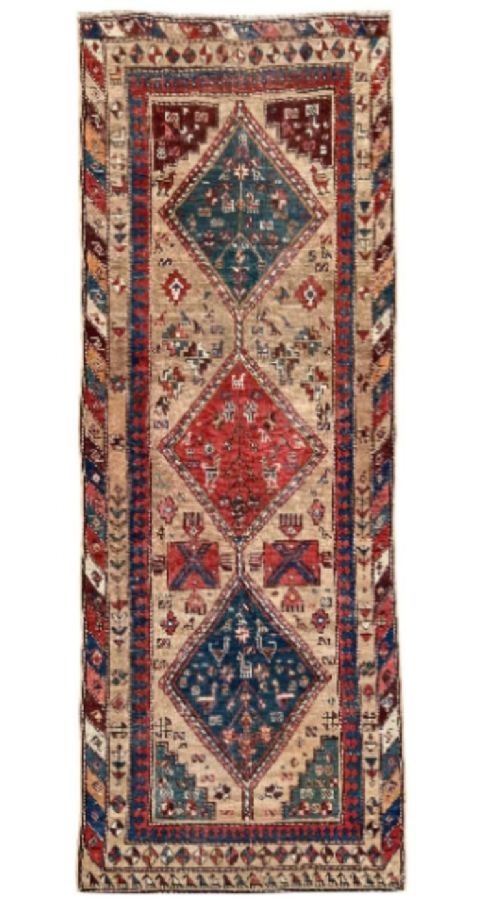
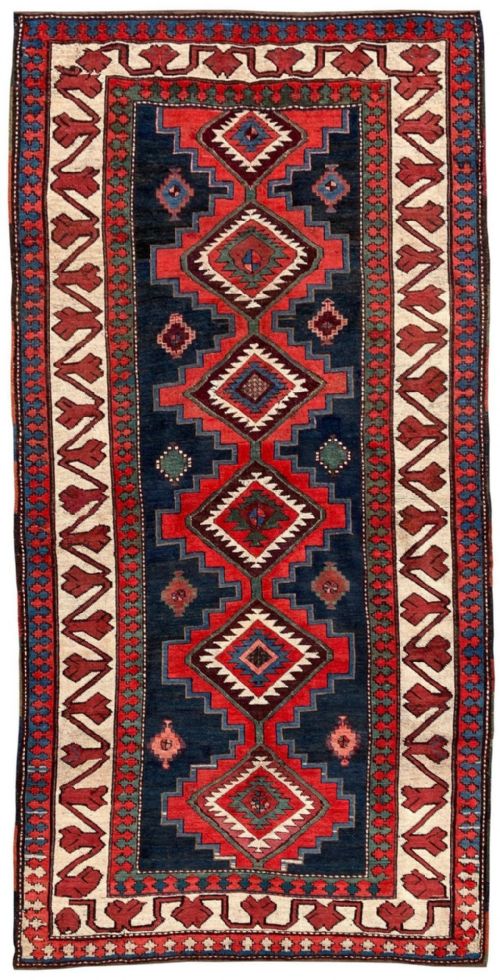
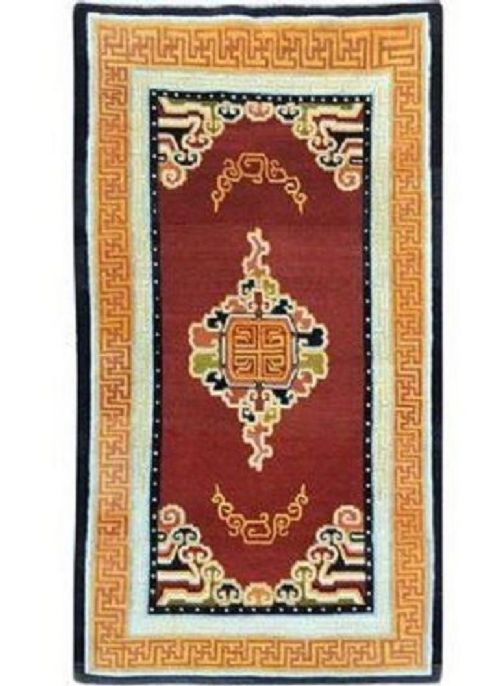
Antique Geometric Carpet
An antique geometric carpet brings structure and deep tribal character to a room through centuries-old motifs.
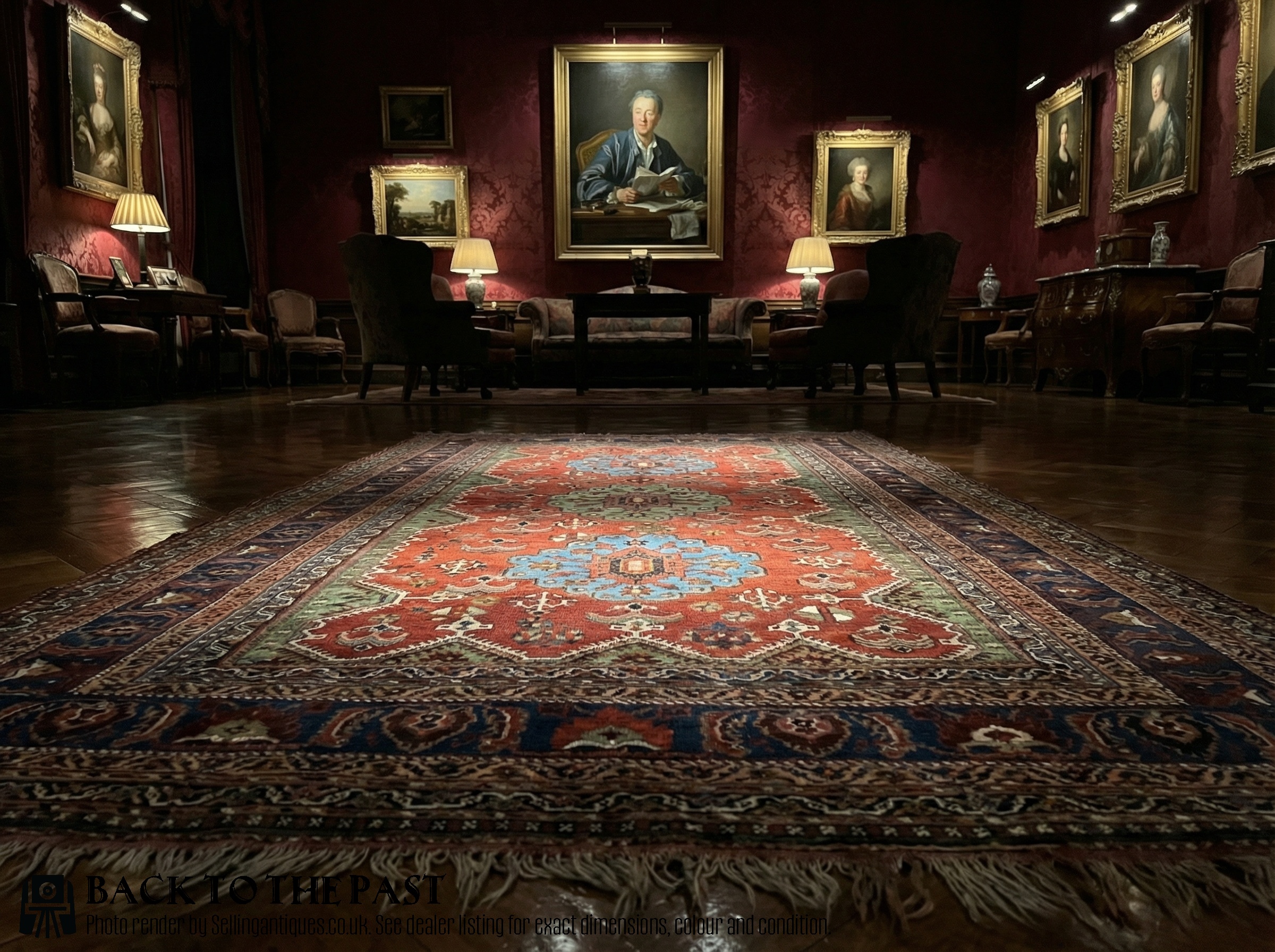
Antique Geometric Carpet
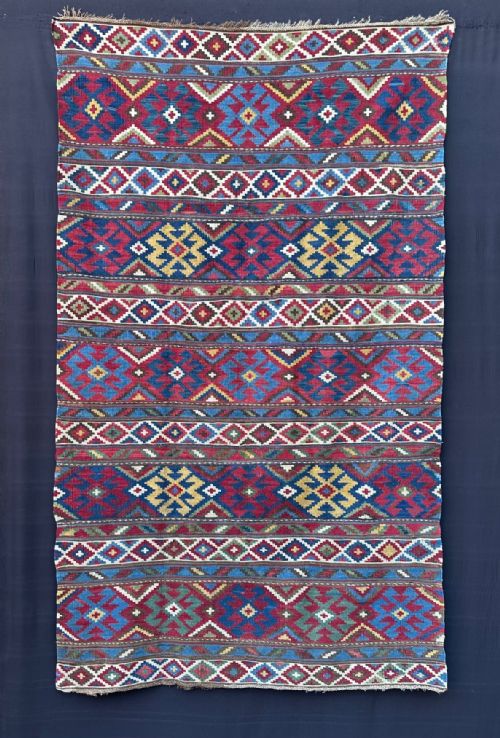
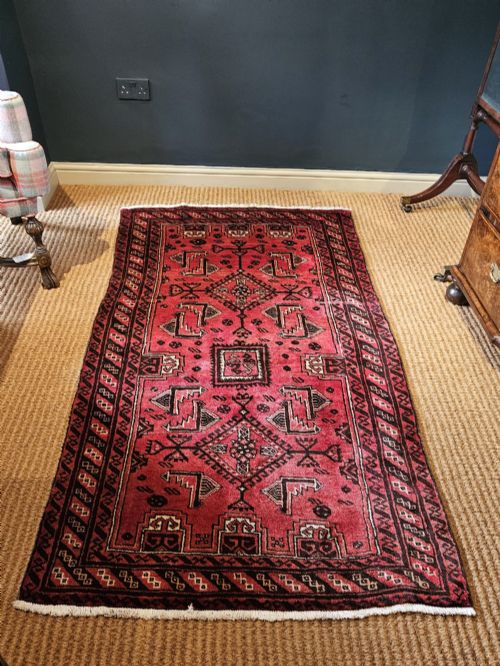
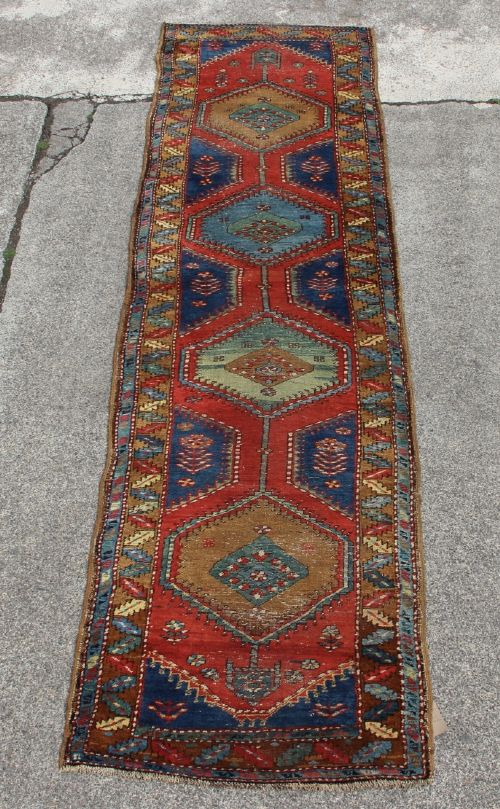
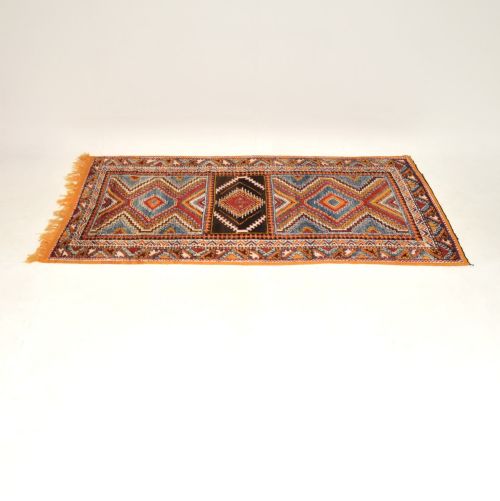
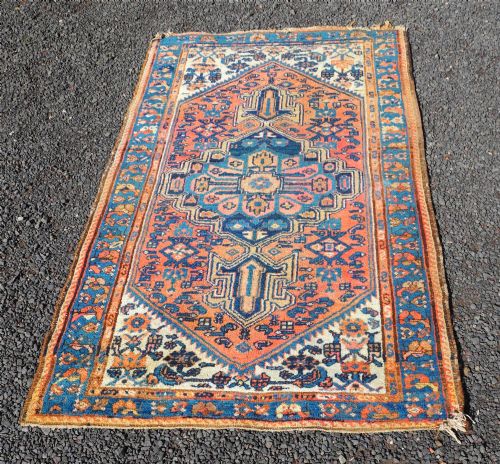
An antique geometric carpet comprises hand-woven floor coverings originating from tribal and village workshops across Persia, the Caucasus, Anatolia, and Central Asia. These textiles display rectilinear medallions, repeating lattice patterns, and stark polygonal forms rather than flowing floral curves.
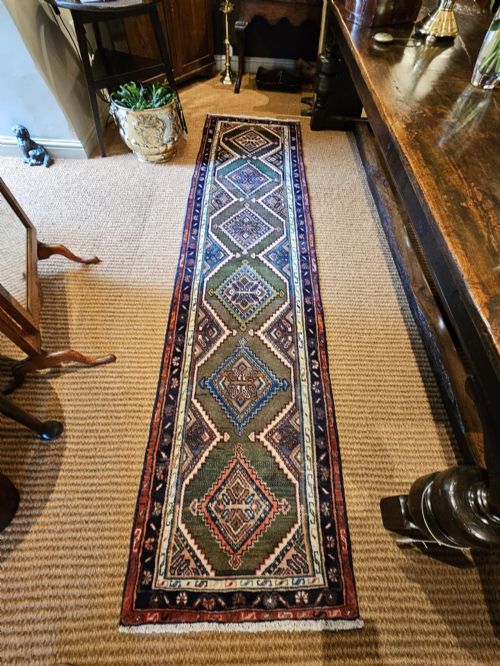
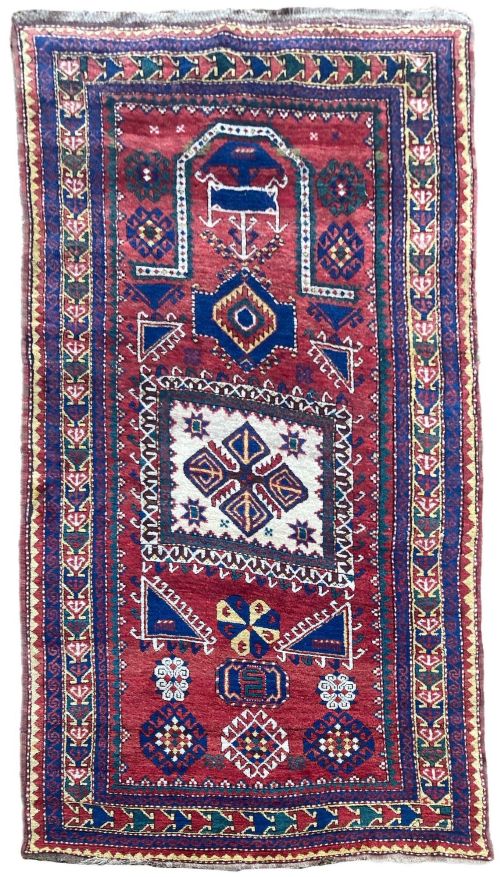
The selections available span from the late nineteenth century through to the interwar period of the twentieth century. Buyers encounter regional village formats ranging from compact prayer rugs and long runners to substantial carpets.
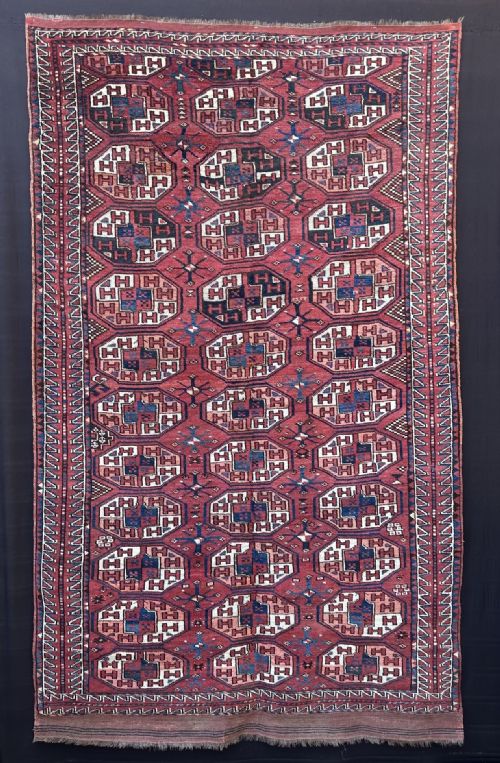
The dominant traditions represented include Persian tribal pieces, Caucasian weavework, and Turkmen tribal carpets. Each region imparts distinct structural traits and colour palettes onto the wool foundation.
How they were made
Weavers constructed these carpets using hand-spun wool and pure wool yarns knotted tightly onto cotton or wool foundation warps. Natural dyes provided the deep red, olive green, and mellow tones recorded across the inventory.
Nomadic and village artisans employed upright looms to tie symmetrical or asymmetrical knots by hand. This intensive manual labour produced dense piles designed to withstand generations of daily use.
Antique Geometric Carpet Retail Price Guide 2026
Typical asking prices for geometric carpet among the pieces listed under this phrase on Sellingantiques today, from the lower quarter to the upper quarter. They describe what is for sale here now, not the wider market.
Object types include area rugs, prayer rugs, runners, and substantial carpets from Caucasian and Persian traditions.
What varies in quality
Quality rests upon the tightness of the knotting and the crispness of the rectilinear pattern execution. Finer knots allow intricate geometric medallions and sharp border details to remain distinct.
The integrity of the hand-spun wool and the depth achieved by natural dyes dictate the visual resonance of the piece. Superior examples maintain balanced proportions across the field and borders despite regional irregularities.
The Antique Geometric Carpet Glossary
- Medallion
- A central ornamental motif dominating the field of the carpet. These central figures often take polygonal or diamond shapes in tribal work.
- Mihrab
- A niche design symbolising a prayer doorway, frequently found in rugs intended for devotional use. The architectural arch guides the eye toward the centre of the field.
- Gul
- An octagonal or medallion-like repeating stamp used extensively in Turkmen and Baluch tribal weaving. Each clan often utilised particular variations to denote identity.
- Warp
- The vertical foundation threads stretched lengthwise on the loom before knotting begins. Weft threads pass across these structural strands to secure the pile.
- Runner
- A long, narrow carpet format traditionally utilised in corridors or staircases. These elongated pieces preserve repeating geometric patterns along an extended axis.
Antique Geometric Carpet: Frequently Asked Questions
Where were these rugs made?
These floor coverings hail from traditional weaving centres across Persia, the Caucasus, Anatolia, and Central Asia. Village and tribal groups produced them for domestic utility and local trade.
Specific regions such as Heriz, Kazak, and Shirvan developed distinct local patterns using readily available materials.
How do I clean an antique carpet?
Gentle surface brushing and professional specialist cleaning are recommended for antique wool textiles. Harsh chemical treatments and excessive water will damage natural dyes and brittle foundation fibres.
Regular rotation prevents uneven wear patterns in high-traffic hallways and living spaces.
Are natural dyes used in these pieces?
Many older pieces incorporate natural dyes derived from plants, roots, and minerals. These colorants yield rich, saturated tones that age gracefully over decades.
Subtle variations in hue across a single field often indicate natural dye batches.