
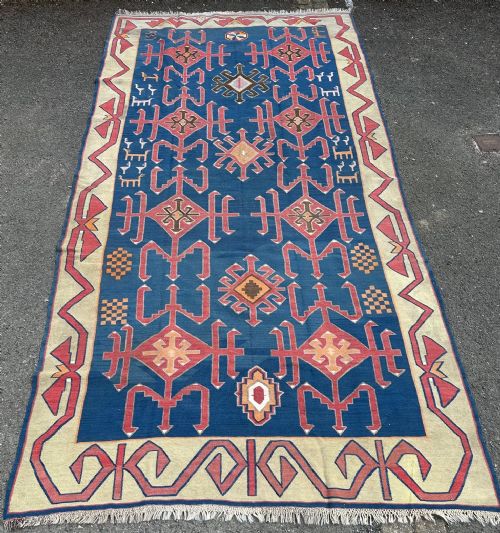


Antique Caucasian Kilim
An antique caucasian kilim brings geometric tribal artistry into a room through flat-woven wool and striking regional patterns.
Antique Caucasian Kilim
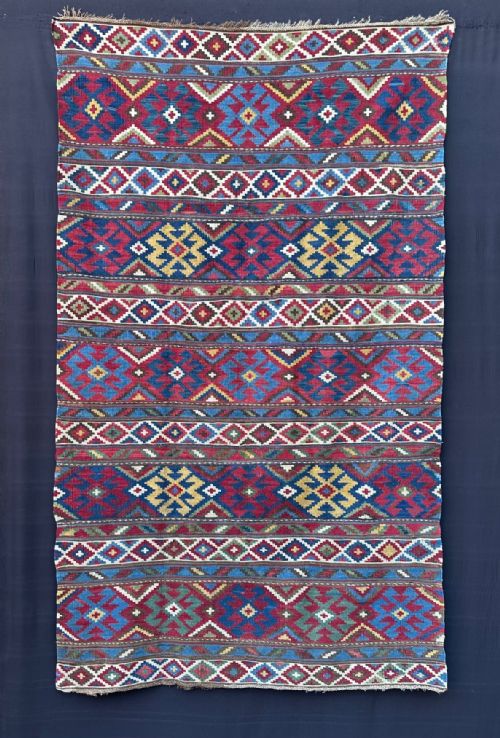
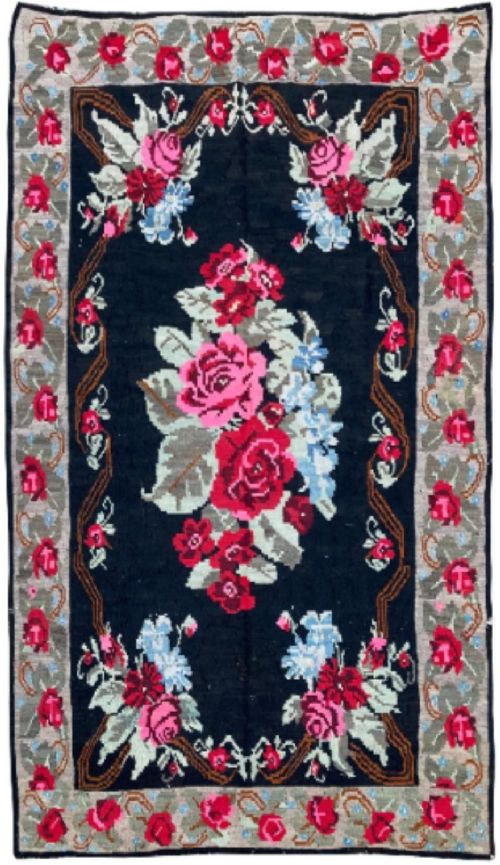
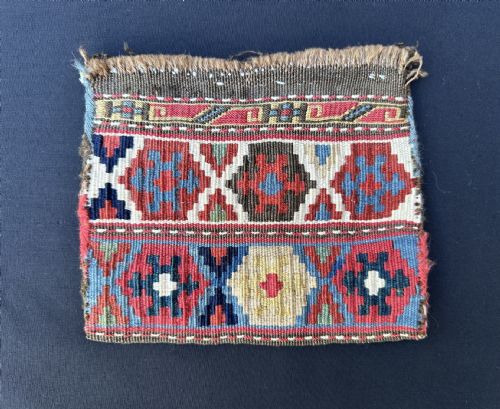
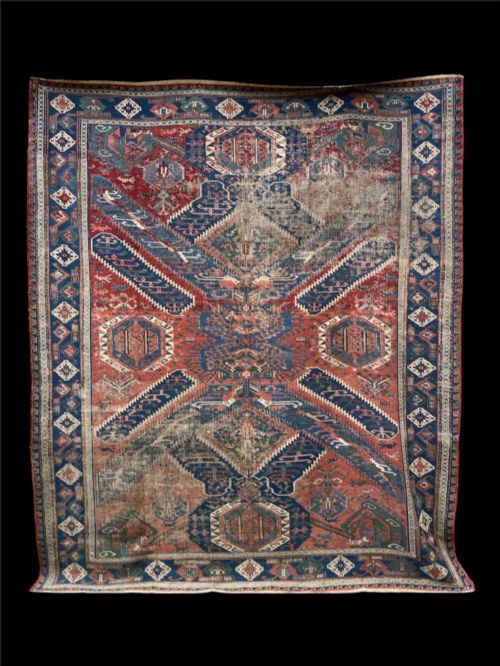
An antique caucasian kilim represents the traditional flat-woven textiles produced by various nomadic and sedentary tribes throughout the Caucasus region. Buyers encounter floor carpets, runners, and smaller utility items such as storage bags and cushion faces adapted from tribal panels.
Production spans the nineteenth and early twentieth centuries, drawing on distinct regional aesthetics associated with groups like the Shirvan, Shahsavan, Karabagh, and Daghestan. These pieces utilise slit-weave and supplementary weft techniques to create crisp, geometric designs without a pile.
The format ranges from small utility fragments and repurposed mafrash storage panels to substantial room-sized carpets and long runners. Regional output varies from the banded designs of Shirvan to the bold shield motifs of Kuba and the intricate medallions of Karabagh.
Materials and Construction
Weavers constructed these textiles predominantly using hand-spun wool for the foundation warps and pattern wefts, occasionally incorporating cotton for structural contrast. Natural dyes derived from local plants and minerals provide the palette, yielding soft, harmonious colour tones that age gracefully over generations.
The primary technique relies on flat-weaving without knotting, where pattern wefts interlace tightly back and forth across the warp threads. Specialised variations include brocaded flat-weaves like verneh and zili, alongside the wrapped-weft structure characteristic of soumak work.
Antique Caucasian Kilim Retail Price Guide 2026
Typical asking prices for caucasian kilim among the pieces listed under this phrase on Sellingantiques today, from the lower quarter to the upper quarter. They describe what is for sale here now, not the wider market.
Object forms recorded on this site range from full-size carpets and narrow runners to complete storage bags and cushions.
Judging Quality and Execution
The caliber of a flat-weave rests upon the density of the weave and the crispness of the geometric transitions. Tighter packing of the wool creates a firmer, more durable textile that maintains structural integrity over decades of use.
Colour selection and dye consistency dictate visual success across different examples. Superior pieces display masterfully balanced natural palettes where variations in tone demonstrate the organic nature of early dyeing methods.
The Antique Caucasian Kilim Glossary
- Kilim
- A flat-woven carpet or textile produced without a pile through the interweaving of warp and weft threads. This technique creates lightweight rugs with identical patterns visible on both sides.
- Mafrash
- A large rectangular storage chest or bedding bag used by nomadic tribes, constructed from four decorated side panels and a base. Surviving panels are frequently assembled into flat mats or small rugs.
- Soumak
- A brocading technique where supplementary weft threads wrap around the warp threads before passing back, producing a textured surface resembling a fine braid.
- Verneh
- A type of South Caucasian brocaded flat-weave characterised by striking diagonal rows of animal or geometric motifs. These textiles showcase advanced supplementary weft wrapping techniques.
- Warp
- The stationary vertical threads stretched onto a loom that form the structural foundation of the textile. Weft threads are woven horizontally across these parallel lines.
Antique Caucasian Kilim: Frequently Asked Questions
How were these rugs used originally?
Nomadic and village communities utilised these flat-weaves as floor coverings, tent dividers, and heavy blankets for daily domestic life. Woven storage containers held bedding, clothing, and household provisions during seasonal migrations.
Over time, many utility bags and panels were retired from practical service or later adapted by collectors into smaller decorative floor rugs and cushions.
How should I care for an antique flat-weave?
Protect the textile by placing a quality rug underlay beneath it to prevent slipping and reduce friction against hard flooring. Regular gentle vacuuming without a rotating brush roll removes trapped dust and grit from the wool fibres.
Professional specialist cleaning is recommended for washing, and keeping the piece out of direct, harsh sunlight prevents the natural dyes from fading prematurely.
What indicates a specific regional origin?
Specific design structures and colour palettes point directly to particular tribal groups and weaving centres across the region. Shirvan pieces frequently display narrow horizontal bands, while Karabagh outputs often feature large medallions and distinct floral or geometric interpretations.
Examining the specific weave density, border arrangements, and structural materials helps narrow down whether a piece originated in Daghestan, Azerbaijan, or the broader southern Caucasus.
How do I distinguish a soumak from a standard kilim?
A standard kilim relies on a plain flat-weave structure where weft threads pass straight across the warps, leaving small vertical slits at colour changes. This results in a smooth, thin fabric with flat geometric blocks.
In contrast, soumak involves wrapping decorative weft threads continuously over and around the warp wires. This creates a ribbed, textured surface on the face with loose floats visible on the reverse side.