




Blue Caucasian Rug
A blue caucasian rug brings bold geometry and rich indigo depth into a room, offering centuries of tribal weaving tradition underfoot.

Blue Caucasian Rug
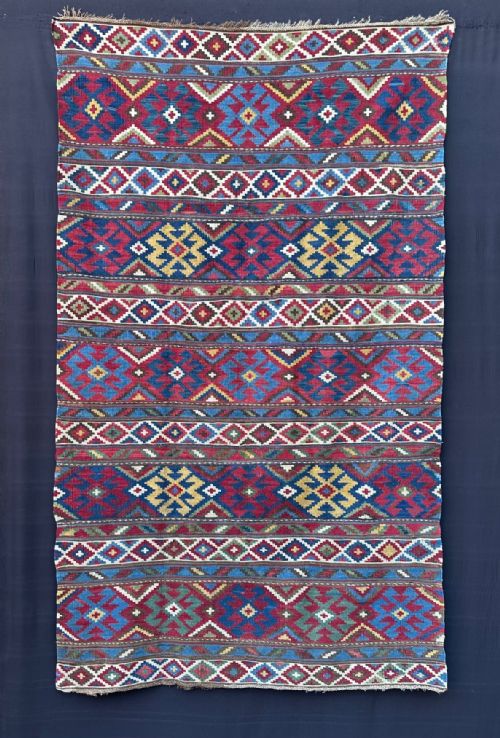
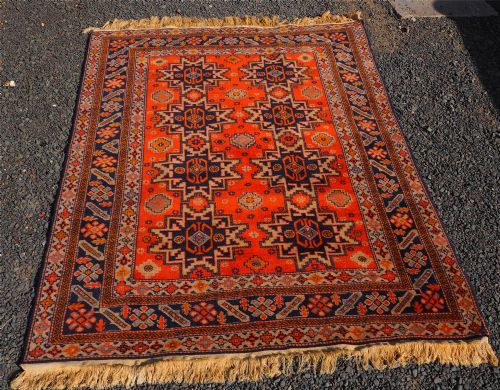
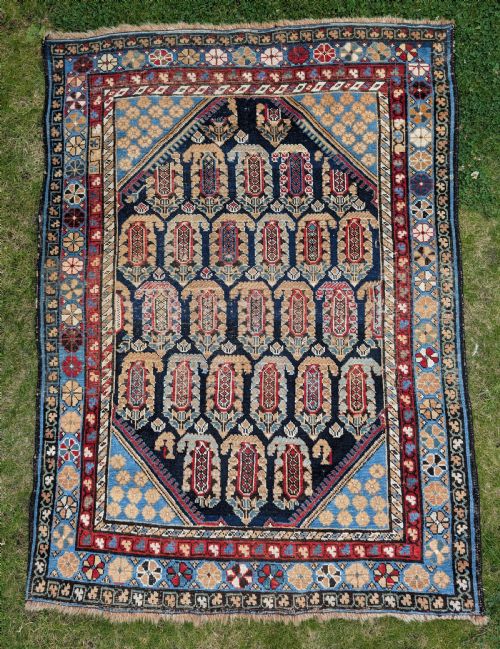
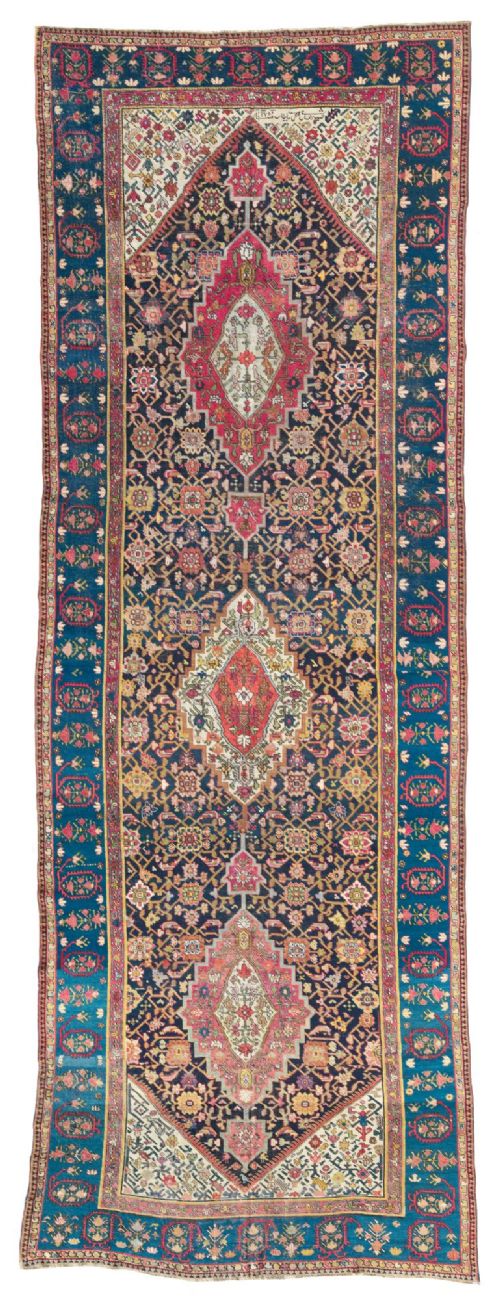
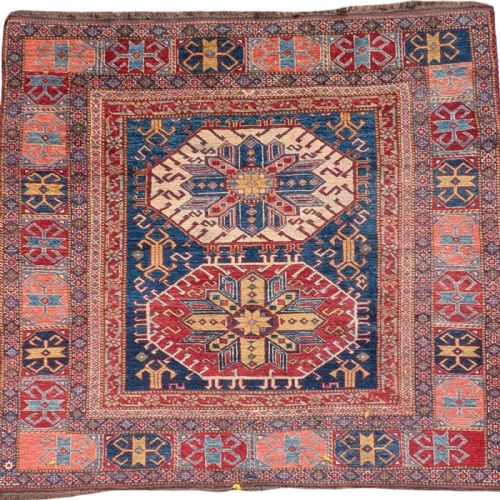
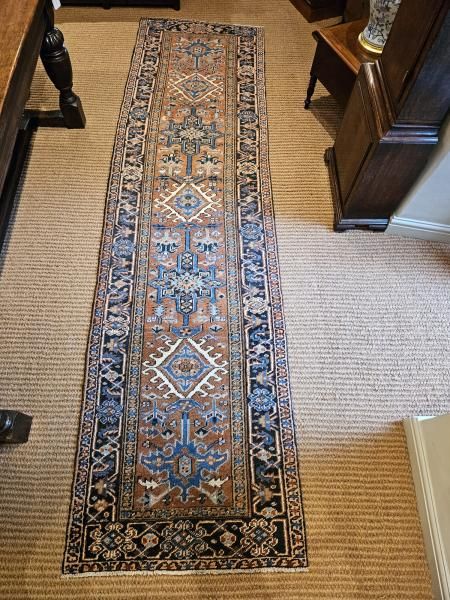
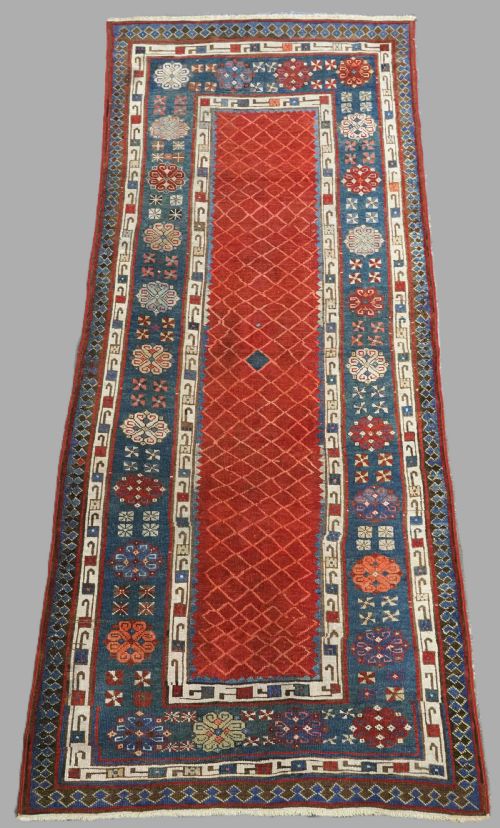
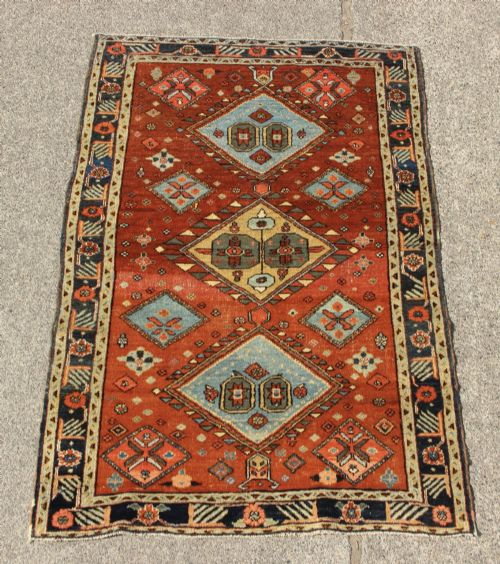
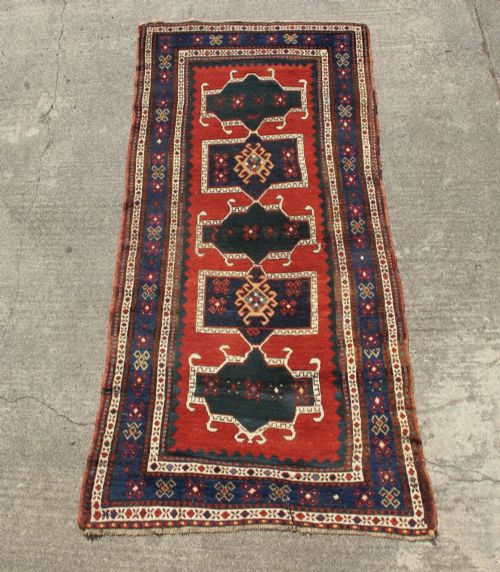
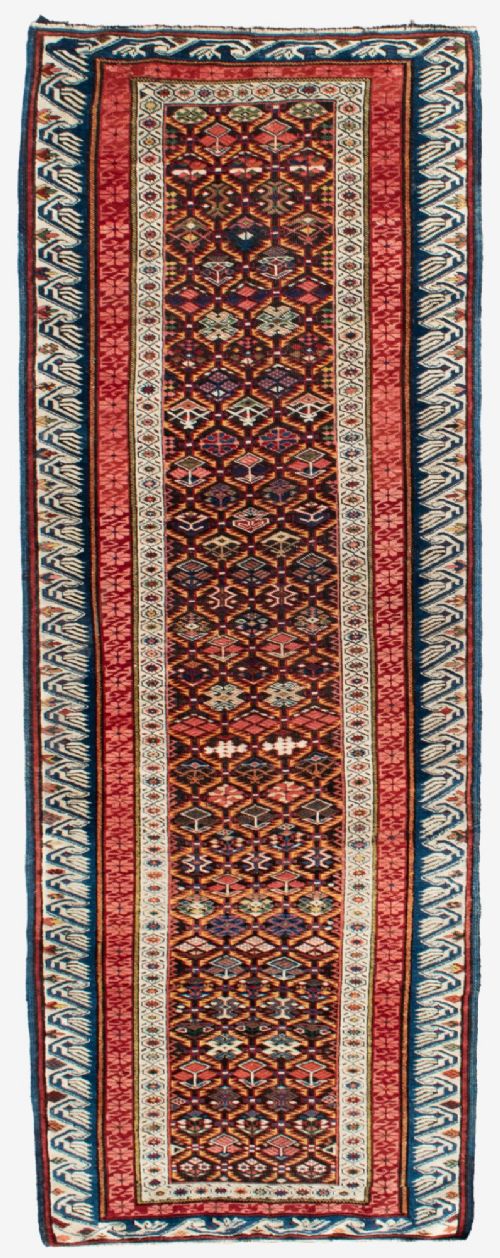
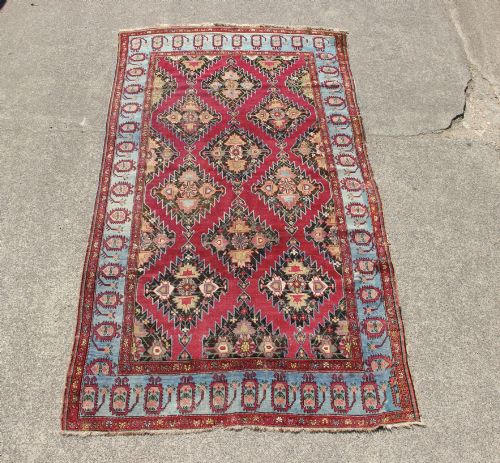
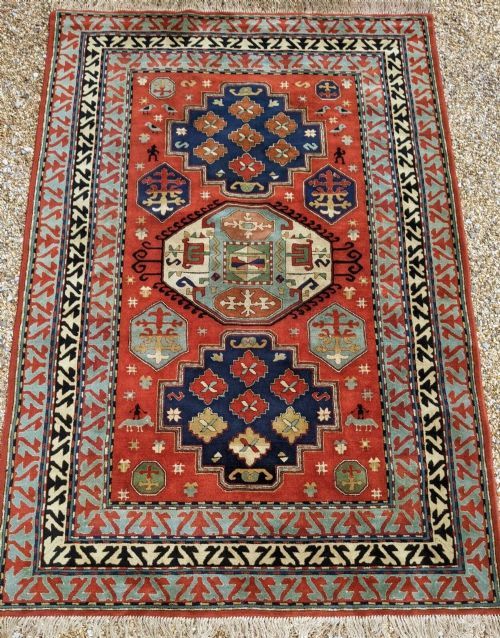
A blue caucasian rug represents tribal and village weaving traditions originating from the Caucasus region during the nineteenth and early twentieth centuries. These pieces encompass specific regional formats such as Kazak, Shirvan, Karabagh, and Talish, alongside prayer rugs and long runners.
Makers include various regional tribes and weaving groups working across the Caucasus, producing flat-woven kilims, sumaks, and pile carpets. Each piece carries distinct structural traits rooted in specific local settlements and valleys.
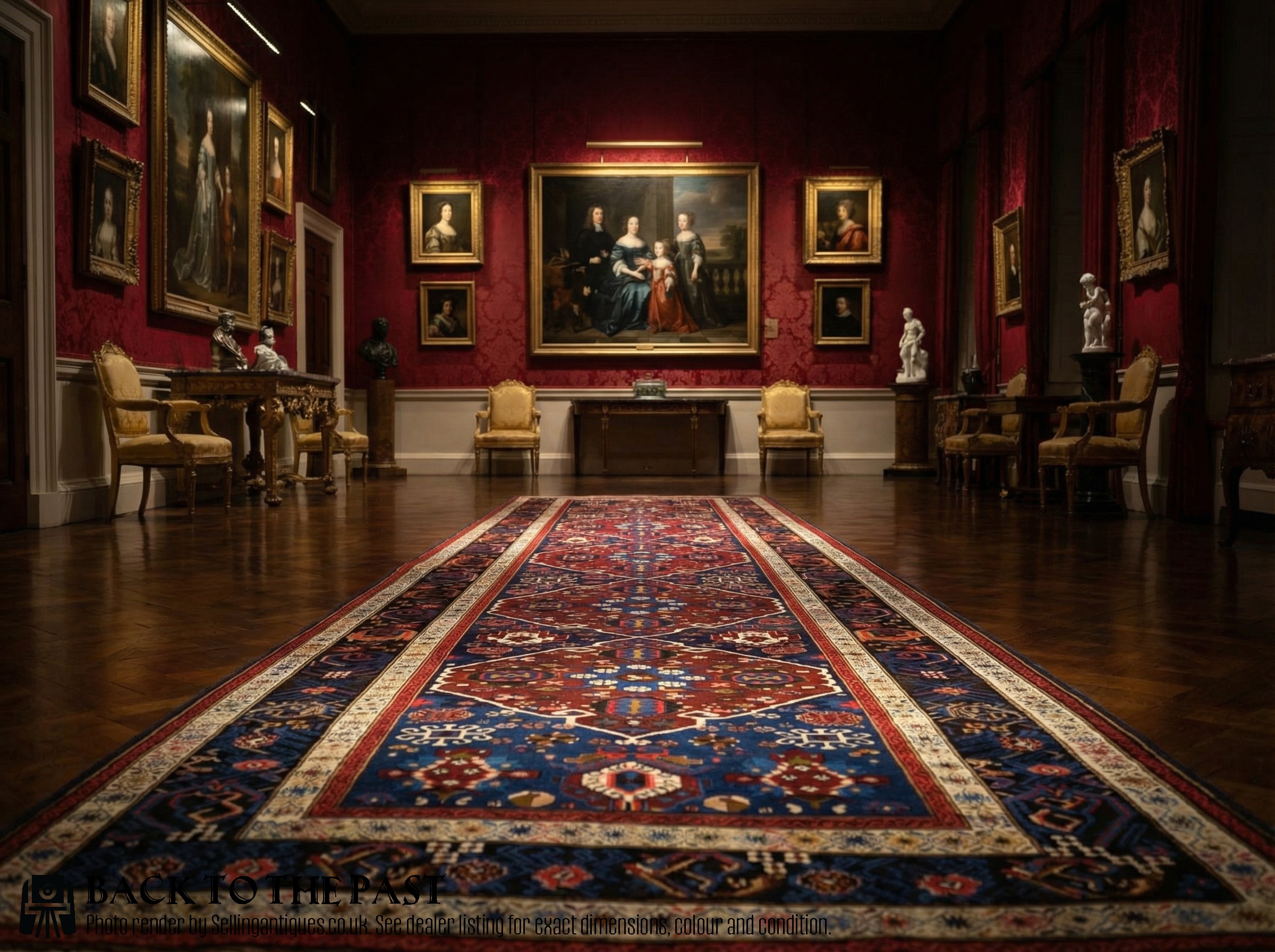
Materials and construction
These floor coverings are constructed using hand-spun wool for the pile, foundations, and wefts, paired frequently with cotton in later regional production. Weavers utilised natural dyes to achieve deep blues alongside contrasting madder reds and yellows.
The construction relies on symmetrical or asymmetrical knots tied by hand onto vertical looms, often resulting in robust, durable floor coverings. Flat-woven examples such as sumaks and kilims utilise intricate warp-wrapping and interlocking techniques without a raised pile.
Blue Caucasian Rug Retail Price Guide 2026
Typical asking prices for blue caucasian rug among the pieces listed under this phrase on Sellingantiques today, from the lower quarter to the upper quarter. They describe what is for sale here now, not the wider market.
Certain early Kazaks arrive with delightfully crooked borders, reminding us that nomadic weavers worked from memory rather than graph paper.
Assessing quality and condition
Quality rests primarily in the crispness of the geometric drawing, the density of the wool knotting, and the depth of the natural dyes. Subtle colour variations within the blue field, known as abrash, indicate shifts in dye batches rather than a flaw.
Structural integrity depends on the completeness of the original borders and selvages, alongside even pile wear across the field. Early pieces often show honest regional repairs and age-related mellowing that speak to their history of use.
The Blue Caucasian Rug Glossary
- Abrash
- Natural tonal variation within a single colour field caused by different dye lots or yarn batches. This subtle striping is characteristic of traditional dyeing methods.
- Kazak
- A distinct type of rug woven by tribal groups in the southern Caucasus, known for bold geometric medallions and saturated primary colours. These pieces are heavily collected for their robust designs.
- Sumak
- A flat-weave technique where decorative face yarns are wrapped around the warp threads before the next row is secured. This method creates a sturdy textile without a cut pile.
- Kelleh
- A large format rectangular carpet, typically longer than a standard room rug, traditionally used in Middle Eastern domestic interiors. These grand formats suit spacious hallways or living areas.
- Talish
- A specific regional runner type hailing from the eastern Caucasus, characterised by a narrow rectangular format and an open field flanked by intricate borders. They are prized for their balanced vertical proportions.
Blue Caucasian Rug: Frequently Asked Questions
How do I identify a Kazak rug?
Kazak rugs are distinguished by bold, large-scale geometric motifs, primary colour palettes, and heavy wool foundations. They often feature hooked polygons, stars, and stylized animal or human forms.
The weave is typically coarser and thicker than urban Persian counterparts, reflecting the nomadic and village origins of the weavers in the Caucasus.
Are these rugs suitable for high traffic?
Hand-knotted wool rugs from the nineteenth and early twentieth centuries are exceptionally durable due to the resilience of hand-spun wool and dense knotting. They withstand normal household foot traffic remarkably well when properly maintained.
Using a quality underlay protects the foundation fibres and prevents slipping on hard floors, ensuring the textile remains stable over decades of daily use.
What causes abrash in blue fields?
Abrash occurs when a weaver runs out of a specific dye batch and starts a new one using slightly different proportions of natural indigo plant matter. As the new yarn is introduced, a subtle horizontal shade variation appears across the blue field.
Collectors view this characteristic as evidence of authentic hand-dyeing processes rather than a manufacturing defect.
How should I clean my antique rug?
Routine maintenance requires gentle vacuuming without a rotating beater brush to protect the delicate hand-spun wool pile and fringe ends. Professional specialist cleaning should be undertaken periodically to remove embedded grit without damaging natural dyes.
Water exposure and harsh chemical detergents must be avoided entirely to prevent dye bleeding and fibre degradation.