






Tribal Geometric Rug
A tribal geometric rug brings enduring colour and bold pattern into a room through hand-knotted wool and centuries-old village weaving traditions.
Tribal Geometric Rug
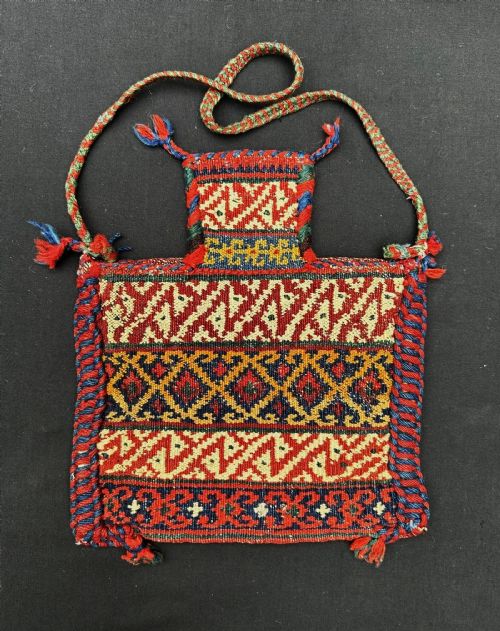
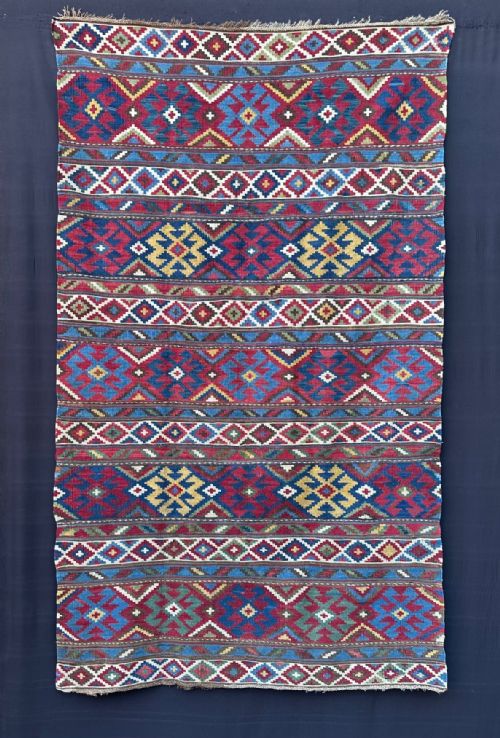
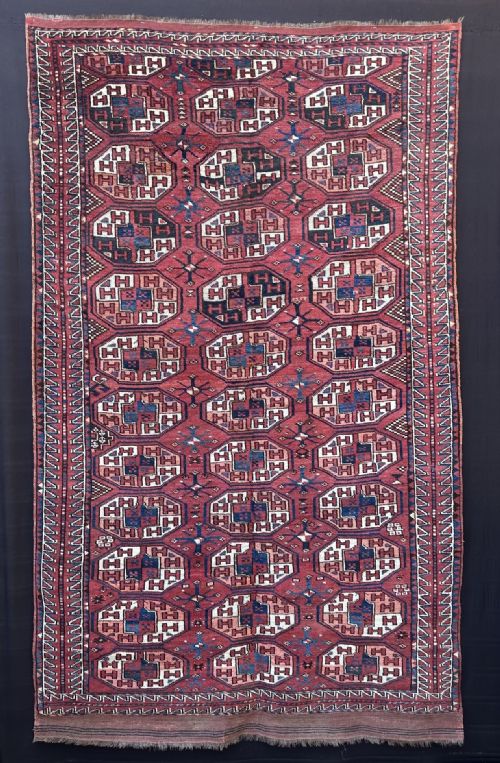
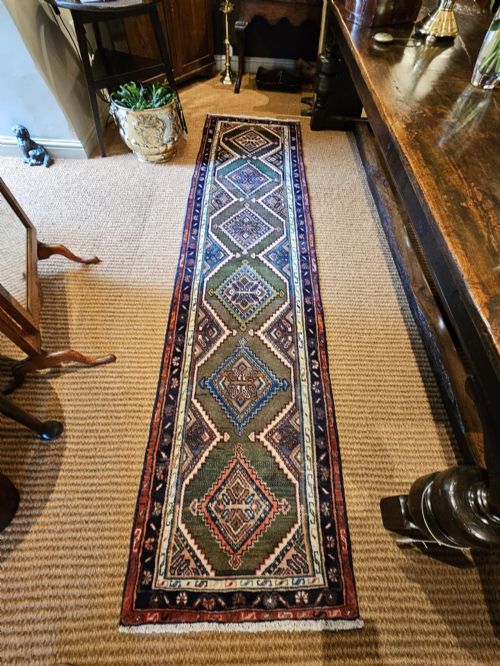
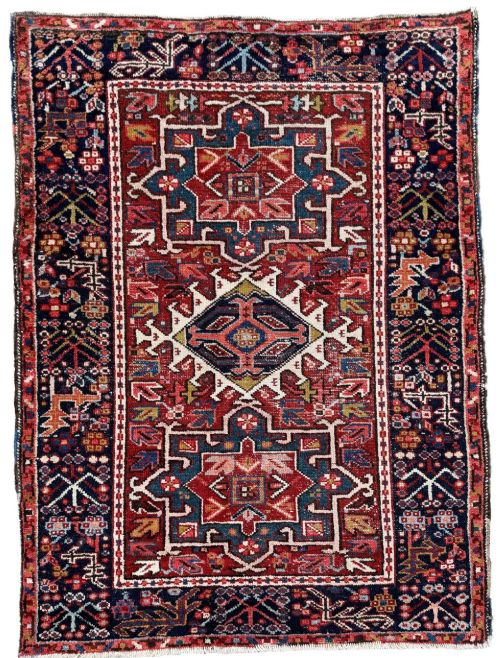
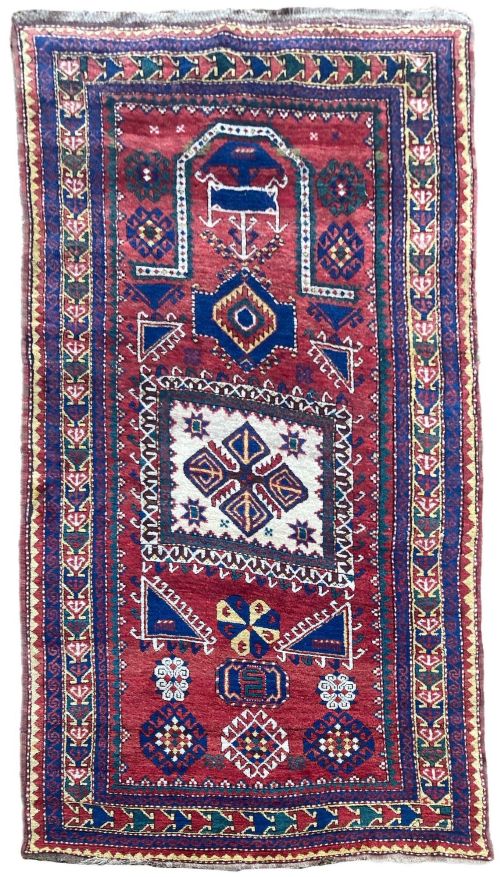
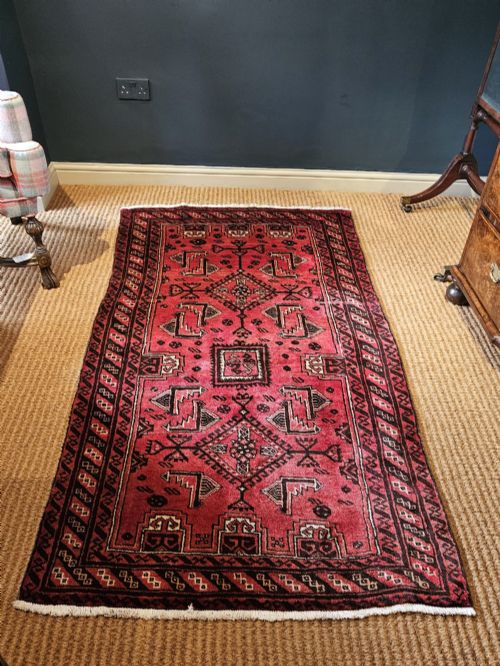
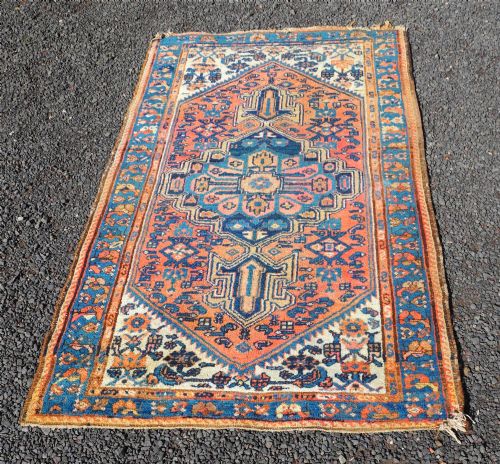
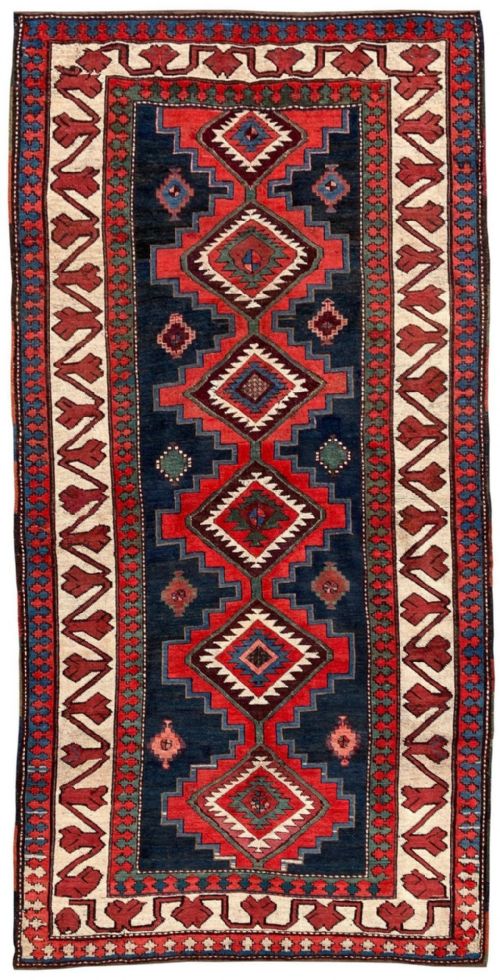
A tribal geometric rug represents authentic village and nomadic weaving traditions from regions including Persia, the Caucasus and Anatolia. These floor coverings are defined by their striking rectilinear motifs, stepped medallions and repeated tribal symbols rather than flowing floral court designs.
The pieces available here span from the mid-nineteenth century through the early twentieth century, offering authentic examples of regional weaving. Buyers most frequently encounter classic Persian tribal formats such as Kashgai, Khamseh and Kuba, alongside distinctive Caucasian and Anatolian village works.
These textiles function primarily as hardwearing floor coverings, though their strong graphic compositions mean many collectors choose to hang them as wall art. Each rug preserves the specific stylistic vocabulary of the tribe or village community that produced it.
How they were made
These textiles are constructed using traditional hand-knotting techniques on upright vertical looms, utilising durable wool and hand-spun wool for both the pile and the foundation structure. The use of hand-spun yarn imparts natural irregularities and depth to the texture, allowing the wool to age gracefully under foot.
Weavers relied on locally sourced natural dyestuffs to achieve the deep reds, rich yellows and indigo blues that characterise these older village and tribal carpets. The interplay of hand-prepared materials and traditional knotting ensures each rug possesses a tangible organic quality distinct from mass-produced floor coverings.
Tribal Geometric Rug Retail Price Guide 2026
Typical asking prices for tribal geometric rug among the pieces listed under this phrase on Sellingantiques today, from the lower quarter to the upper quarter. They describe what is for sale here now, not the wider market.
What varies in quality
Quality in a tribal geometric rug lies in the clarity of the drawing, the saturation of the wool pile and the integrity of the original borders. Finer examples display a crisp execution of complex geometric motifs, where the weaver maintains strict control over the symmetry and scale of the design.
The choice of wool and the subtlety of the natural dye palette further distinguish superior pieces from simpler village work. A higher grade of craftsmanship reveals itself in the harmonious balance of colours and the density of the knotting across the field.
The Tribal Geometric Rug Glossary
- Kelleh
- A large format rectangular rug, traditionally longer than a standard carpet but broader than a runner. This format often originates from major weaving centres and tribal confederacies in Persia.
- Pile
- The upright yarn loops or knots that form the soft upper surface of the rug. In older examples, the pile height naturally thinned through decades of legitimate domestic use.
- Foundation
- The underlying grid of warp and weft threads that supports the knotted wool pile. Examining the foundation reveals the structural integrity and materials used by the weaver.
- Medallion
- A central ornamental motif positioned in the middle of the rug field. Tribal weavers frequently employ geometric, stepped or multi-lobed medallion designs.
- Warp
- The vertical threads stretched tightly on the loom before knotting begins. The visible ends of these threads often form the fringed edges of the finished textile.
Tribal Geometric Rug: Frequently Asked Questions
How do I clean an old wool rug?
Maintenance requires gentle vacuuming without a rotating brush bar to protect the delicate hand-spun wool pile from unnecessary friction and wear.
Professional specialist cleaning is essential for addressing deep-seated dirt to preserve the natural lanolin and historic dyes within the wool fibres.
Can I place these rugs in high-traffic areas?
These traditional textiles withstand normal domestic foot traffic quite well due to the inherent durability of dense wool construction and sturdy village weaving methods.
Placing a suitable underlay beneath the carpet prevents slipping, reduces abrasive friction against the floorboards and extends the working life of the pile.
How do I distinguish regional weaving styles?
Identifying regional origins involves studying the specific palette, border configurations and recurring geometric motifs unique to each tribal group or village. Caucasian pieces often display crisp, highly saturated primary colours, while Persian tribal rugs lean towards earthy tones and intricate medallion layouts.
Comparing structural details such as selvage finishes and end-webings provides further clues regarding whether a piece originated in the Caucasus, Anatolia or southwest Persia.
Are these rugs suitable for modern interiors?
The bold rectilinear patterns and earthy tones of nineteenth and early twentieth-century village weaving integrate seamlessly into contemporary minimalist or eclectic decorating schemes.
Their graphic visual strength allows them to anchor modern furniture arrangements while adding warmth, texture and historic character to a room.