



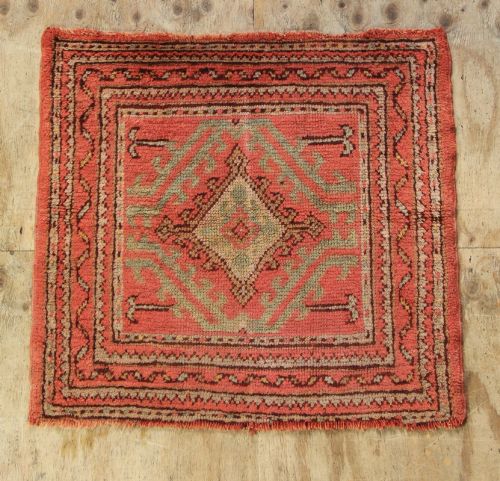
Traditional Turkish Rug
Traditional turkish rug selections bring centuries of Anatolian weaving tradition directly into domestic interiors through time-worn carpets, runners, and flatweaves.
Traditional Turkish Rug
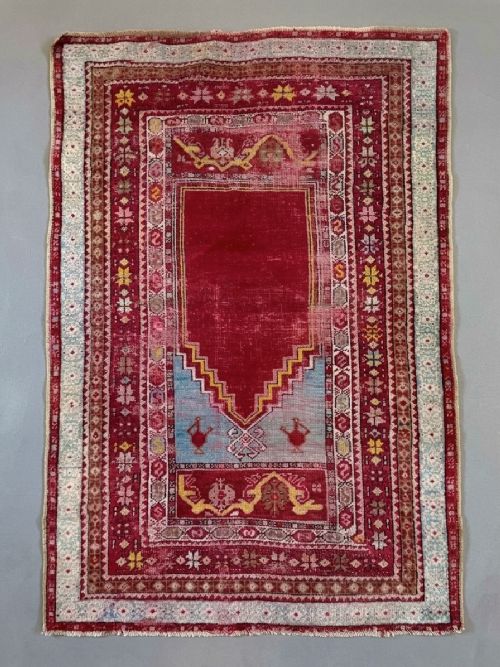
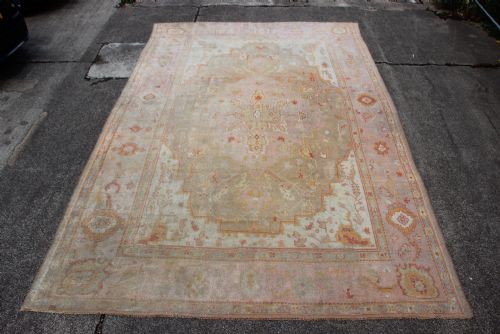
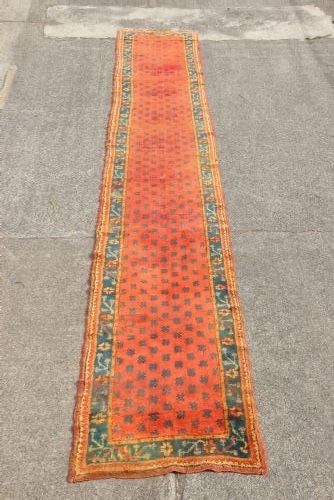
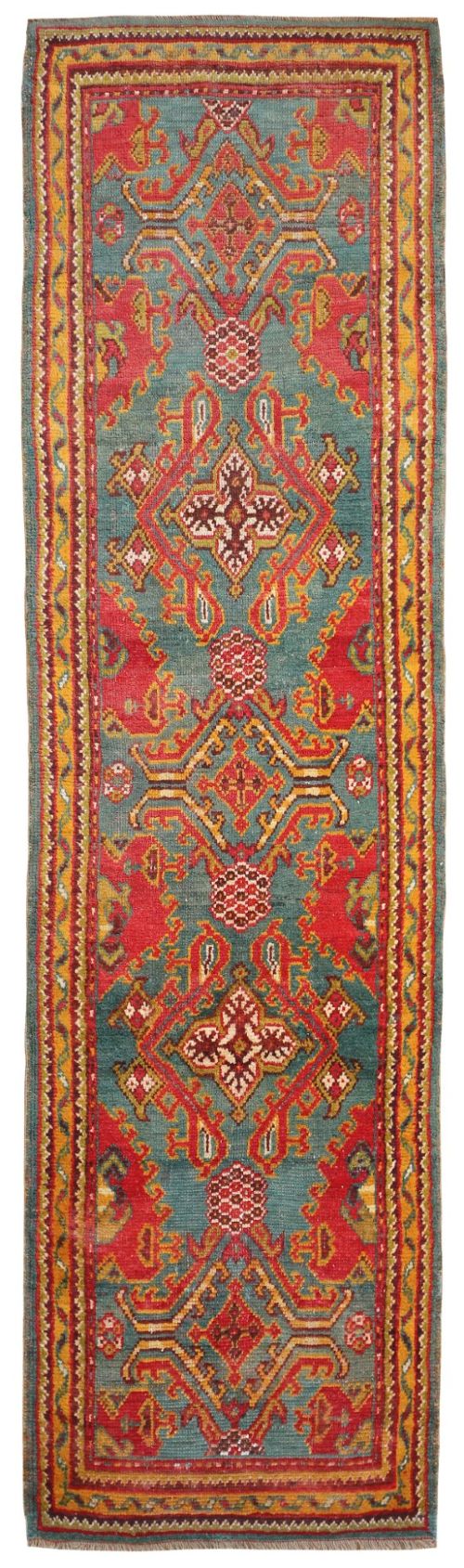
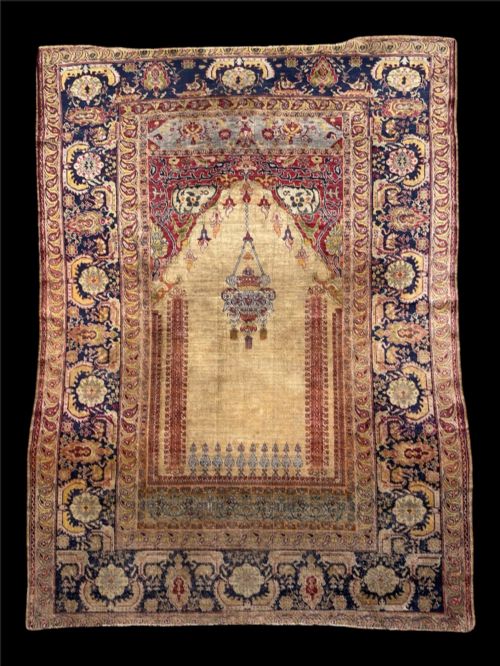
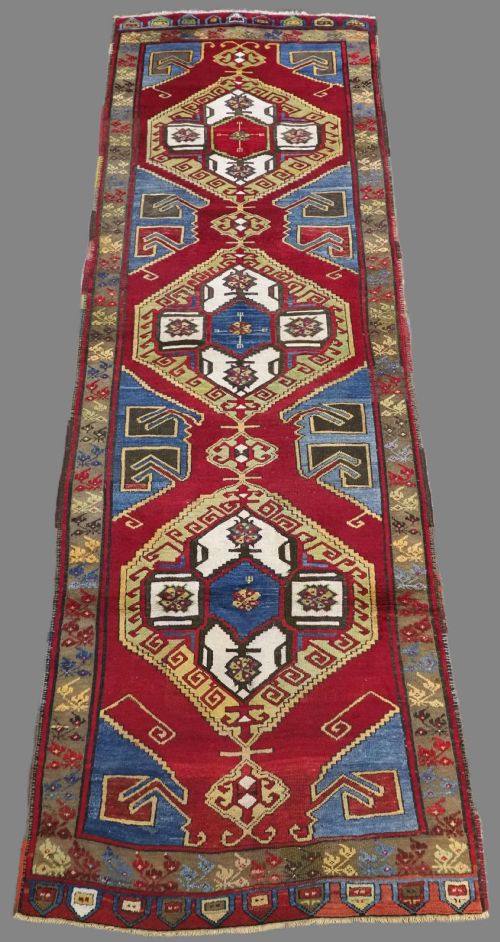
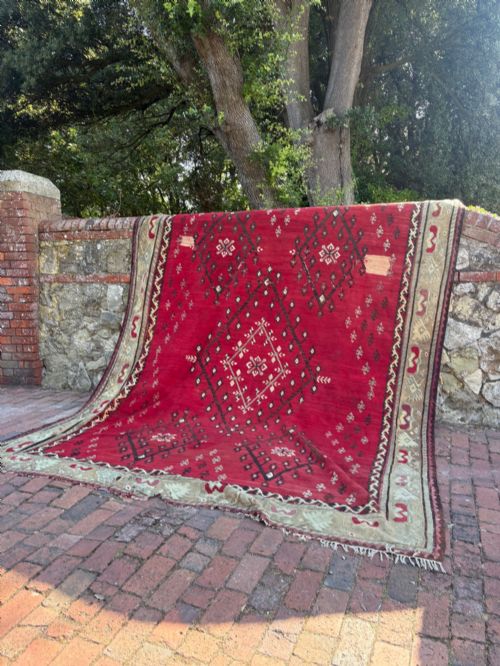
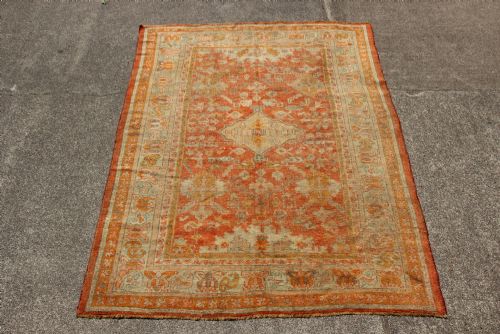
A traditional turkish rug encompasses diverse textile forms including large carpets, narrow runners, prayer rugs, flatweave kilims, and smaller mats. These pieces originate from distinct regions and towns such as Oushak, Bergama, Milas, Kirsehir, and Ghiordes.
The selection on this page spans from the eighteenth century through the nineteenth century and into the early decades of the twentieth century. Buyers encounter village rugs, tribal compositions, and workshop carpets showing regional motifs and geometric or floral layouts.
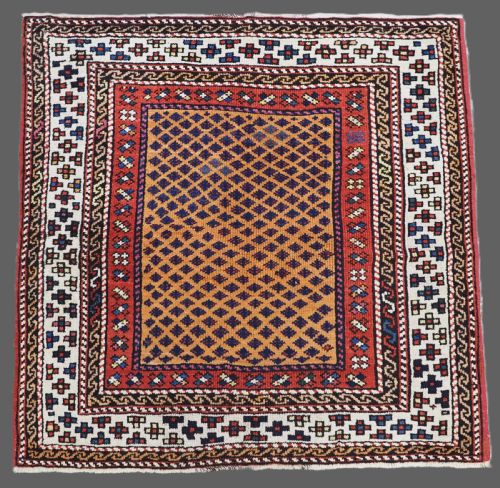
Forms range from grand oversize carpets intended for principal rooms to long runners suited for hallways and compact square mats. Flatweave kilims and cushions also appear alongside piled pile-woven formats.
How They Were Made
Weavers constructed these textiles primarily using wool, cotton foundations, and occasionally silk for specific prayer designs. Natural materials provided the base for hand-knotted pile construction and flatweave techniques.
Dyes and wool quality interact to produce the weathered surfaces and faded palettes seen across nineteenth and early twentieth century examples. Artisans employed regional looms and traditional knotting methods passed down through generations.
Traditional Turkish Rug Retail Price Guide 2026
Typical asking prices for traditional turkish rug among the pieces listed under this phrase on Sellingantiques today, from the lower quarter to the upper quarter. They describe what is for sale here now, not the wider market.
Several carpets preserve the quiet footprint of village life through cheerful asymmetrical wool knots.
What Varies in Quality
Quality depends upon the fineness of the weave, the integrity of the foundation, and the balance of the original design. Tighter knot counts and well-preserved borders distinguish finer workshop carpets from simpler village productions.
The harmony and depth of the dye palette influence the overall visual impact of each piece. Patina, age-related wear, and historical repairs alter the character of individual carpets without diminishing their authenticity.
The Traditional Turkish Rug Glossary
- Kilim
- A flatweave textile produced without a piled surface. These pieces utilise interlocking or slit-tapestry techniques to form geometric patterns.
- Prayer rug
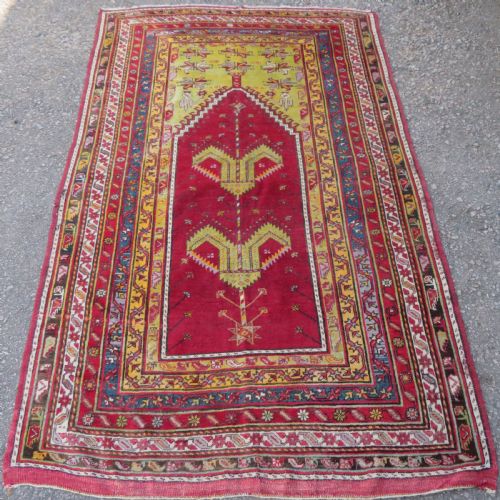
- A textile featuring a distinct mihrab or niche design intended to indicate the direction of prayer. These formats often display compact dimensions suited for personal use.
- Oushak
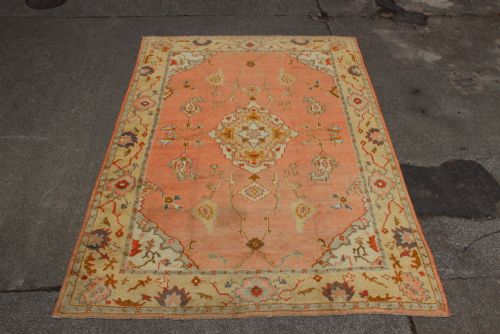
- A major carpet-weaving centre in western Anatolia known for large-scale floral designs and subdued pastel or pale grounds. Production from this region heavily influences nineteenth-century decorative carpet styles.
- Runner
- A long and narrow carpet format designed for corridors, staircases, and hallways. Proportions stretch significantly in length relative to width.
- Pile
- The upright yarn surface of a rug created by individual knots tied around warp threads. This dense layer forms the textured face of traditional knotted carpets.
Traditional Turkish Rug: Frequently Asked Questions
How do I identify a village rug?
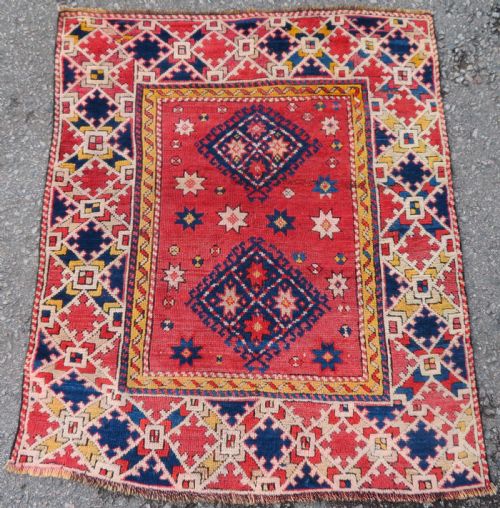
Village rugs display geometric motifs, spontaneous local designs, and varied colour palettes woven by independent makers.
These pieces often reveal subtle irregularities that reflect individual hand production rather than standardised workshop oversight.
What is an Oushak carpet?
Oushak carpets originate from western Anatolia and are celebrated for expansive floral patterns and soft, faded tones.
They frequently feature generous proportions and pale grounds that complement diverse interior settings.
How should I clean an antique rug?
Gentle surface care and professional specialist cleaning preserve the fragile wool and natural dyes of antique textiles.
Avoiding harsh chemical treatments ensures the historical fibres remain intact over decades of daily use.
What distinguishes a prayer rug?
Prayer rugs incorporate a characteristic architectural arch or niche motif known as a mihrab within the upper field.
Historically utilised for devotional practices, these portable textiles translate distinct symbolic layouts into domestic furnishings.