




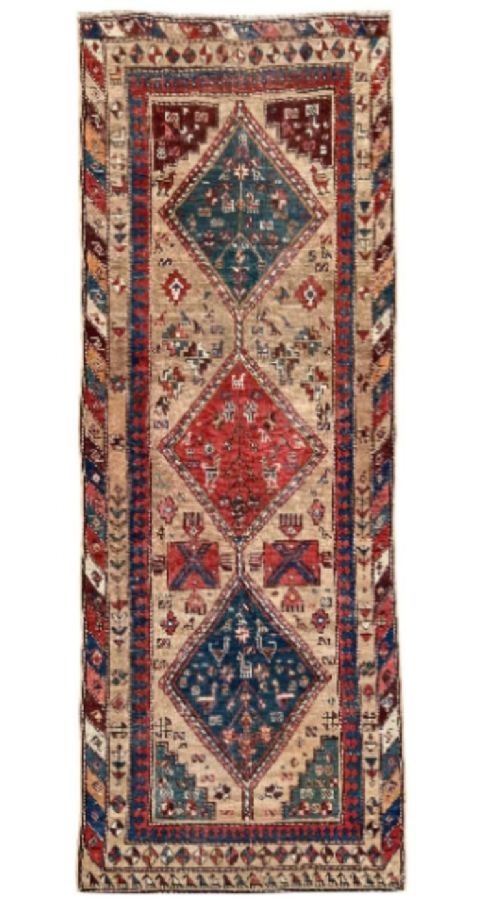
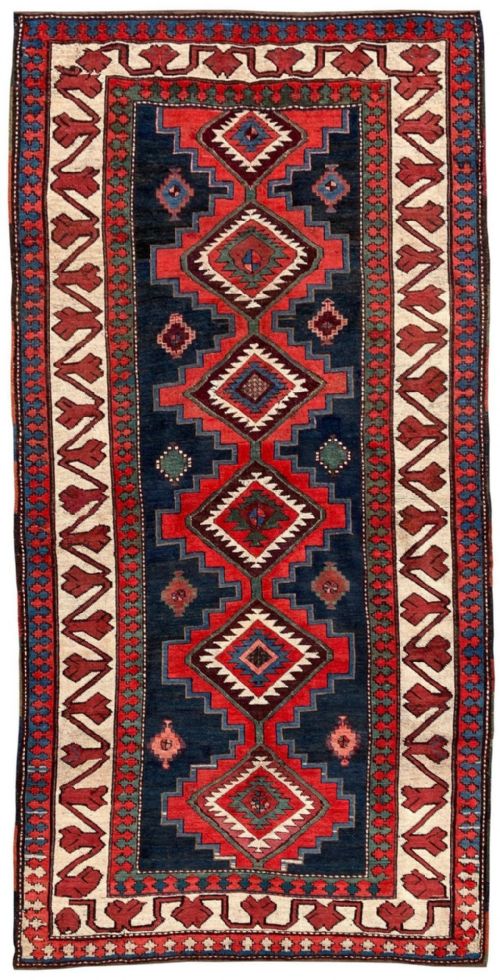
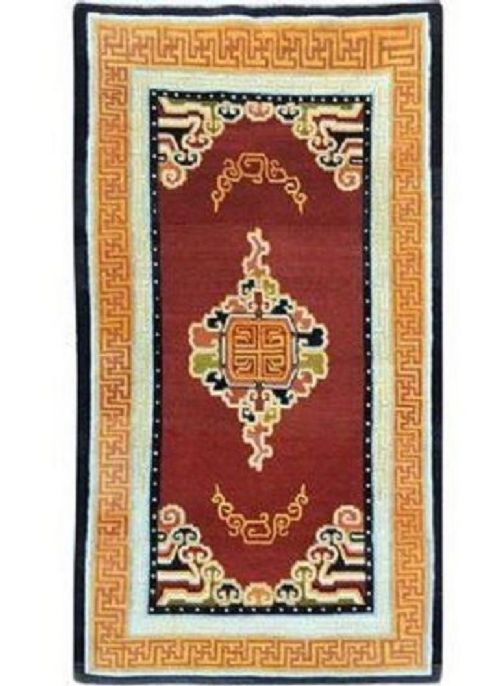
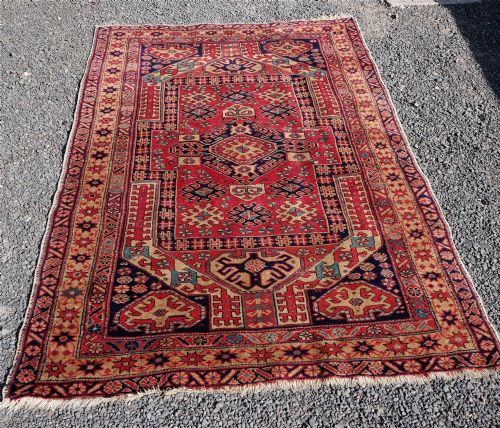
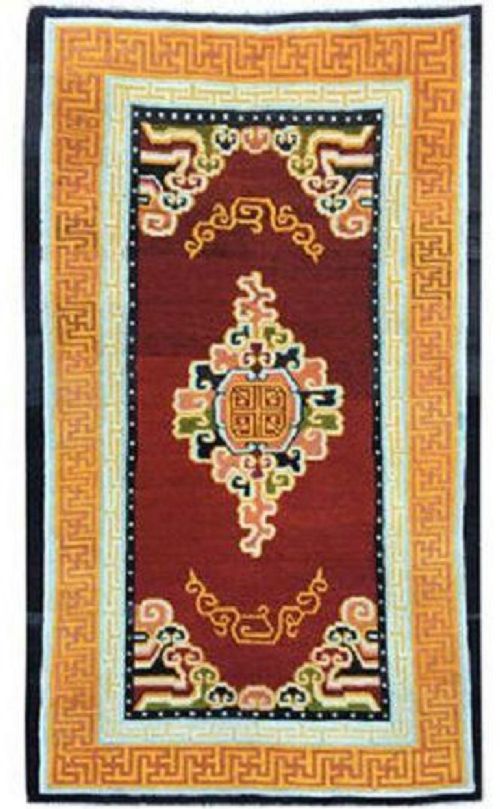
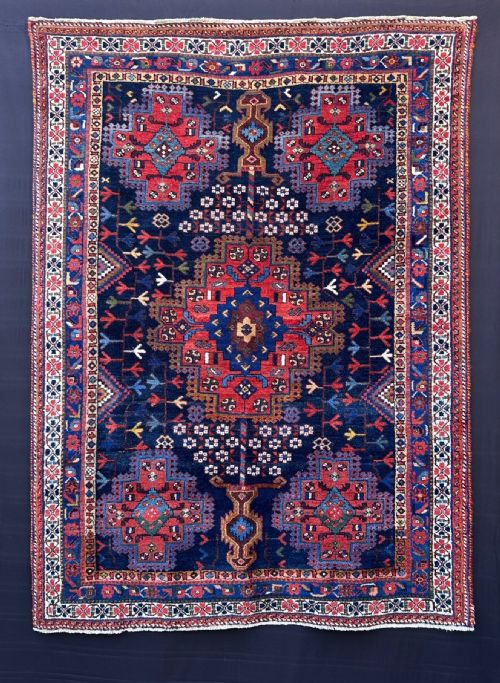
Red Geometric Carpet
These red geometric carpet pieces bring striking tribal motifs and rich crimson tones into any interior.
Red Geometric Carpet
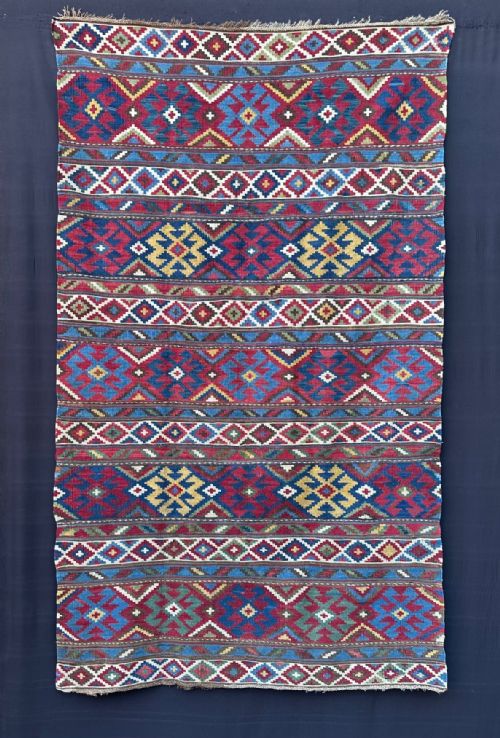
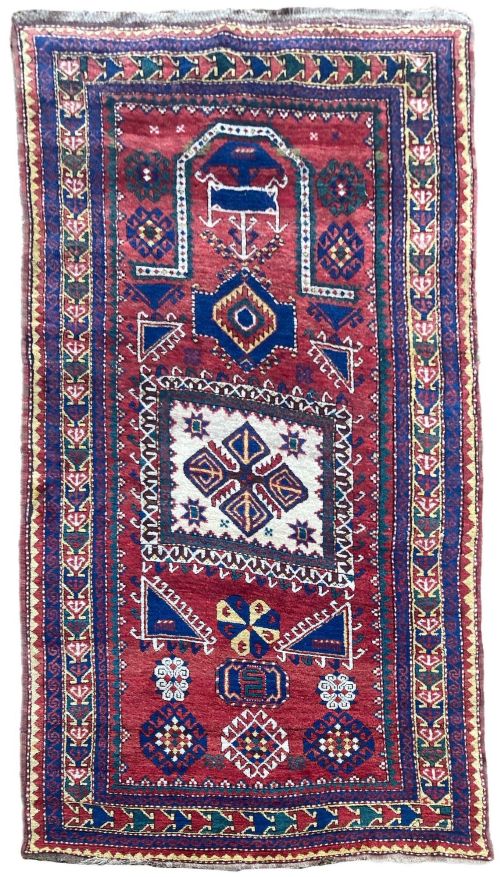
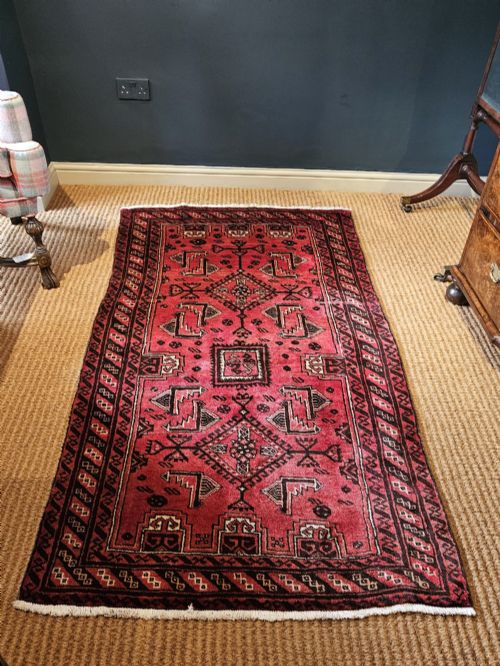
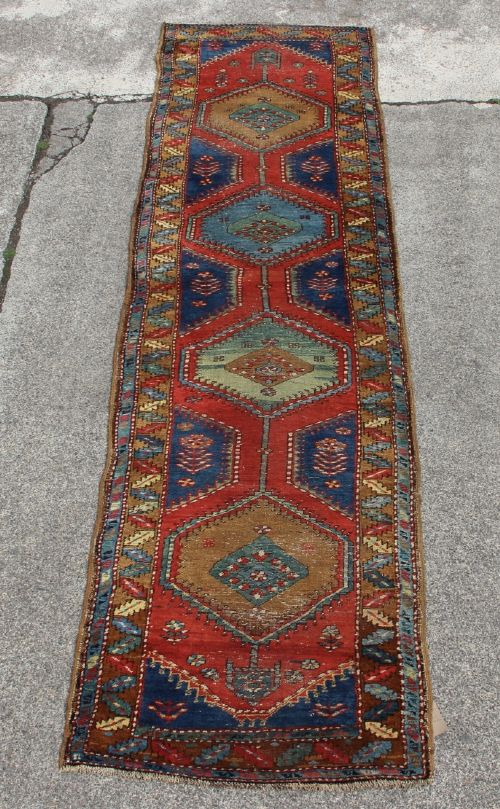
A red geometric carpet brings together bold angular patterns and deep crimson dyes from various tribal and regional traditions. These pieces include room-sized kilims and smaller floor coverings originating from distinct weaving centres.
Different formats appear across the inventory, ranging from large room carpets to compact area rugs. Each piece displays the characteristic palette and repeating motifs associated with its specific origin.
How they were made
These textiles rely on traditional materials, utilising durable wool for the pile and structure alongside cotton foundations in specific pieces. Weavers built the heavy flatweaves and knotted piles by hand on vertical or horizontal looms.
Natural dye traditions generated the dominant red hues alongside contrasting secondary tones within the geometric layouts. Skilled hands knotted or flatwove the repeat lattice designs and tribal medallions directly into the fabric.
Red Geometric Carpet Retail Price Guide 2026
Typical asking prices for red geometric carpet among the pieces listed under this phrase on Sellingantiques today, from the lower quarter to the upper quarter. They describe what is for sale here now, not the wider market.
The listings span the nineteenth century through to the nineteen-thirties, featuring wool and cotton materials across Caucasian, Persian, and Balkan origins.
What varies in quality
Quality rests upon the crispness of the geometric drawing and the saturation of the red dyes across the field. Finer knotting densities or tighter flatweave structures separate the superior examples from standard utility work.
The integrity of the wool and the survival of the original edges and borders dictate the standing of an individual piece. Artisanal precision in executing complex lattice designs marks the upper tier of these textiles.
The Red Geometric Carpet Glossary
- Kilim
- A flatwoven carpet or rug produced without a pile, common in Balkan and Afghan traditions. These textiles rely on tightly packed slit-tapestry weaves to create sharp geometric patterns.
- Pile
- The upright yarn loops or knots that form the plush surface of a rug, distinct from flatweaves. Hand-knotted wool pile provides durability and depth to traditional floor coverings.
- Lattice
- A repeating network of intersecting diagonal lines forming diamond or grid compartments across the field. This geometric framework often encloses secondary motifs in tribal rugs.
- Medallion
- A large central ornamental design set into the middle of the carpet field. Weavers position these geometric centrepieces to anchor the symmetrical layout of the piece.
Red Geometric Carpet: Frequently Asked Questions
How do I style a red geometric carpet?
These strong tribal rugs anchor neutral rooms by providing a rich focal point on wooden floors or flagstones. Their striking crimson tones and bold patterns complement both minimalist modern interiors and traditional settings.
Allow sufficient floor space around the rug to let the geometric borders frame the design properly. Layering them over larger plain flooring materials adds texture without overwhelming the space.
How do I clean a wool rug?
Gentle regular vacuuming without a beater bar removes surface dust trapped within the wool fibres. Professional specialist cleaning remains essential for addressing deeper soil and preserving natural dyes.
Avoid excessive moisture and harsh chemical detergents which damage traditional animal fibres. Prompt blotting handles accidental spills before liquids penetrate the foundational warps.
Are these rugs durable for daily use?
Hand-knotted wool construction yields robust floor coverings capable of withstanding moderate household traffic. The natural lanolin in traditional wool resists dirt and cushions the foundation against daily wear.
Placement in moderate traffic zones helps preserve the structural integrity of older flatweaves and pile carpets. Using a quality underlay prevents slippage and reduces friction against hard flooring.
How do I tell different regional styles apart?
Regional attribution relies on specific colour palettes, border arrangements, and structural characteristics unique to each weaving culture. Caucasian pieces often display sharp primary colours and crisp polygons, while Baluch works lean towards darker tones.
Examining the selvedges, end finishes, and knotting structure reveals technical markers tied to particular provinces. Comparing the repeat motifs helps identify specific tribal groups such as the Yomut Turkmen or Mazlaghan makers.