


Afghan Tribal Carpet
An afghan tribal carpet brings grounded nomadic warmth to a room through rich wool work and traditional patterns.
Afghan Tribal Carpet
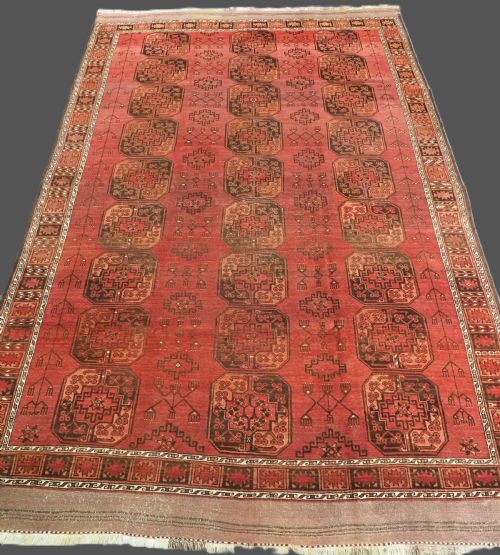
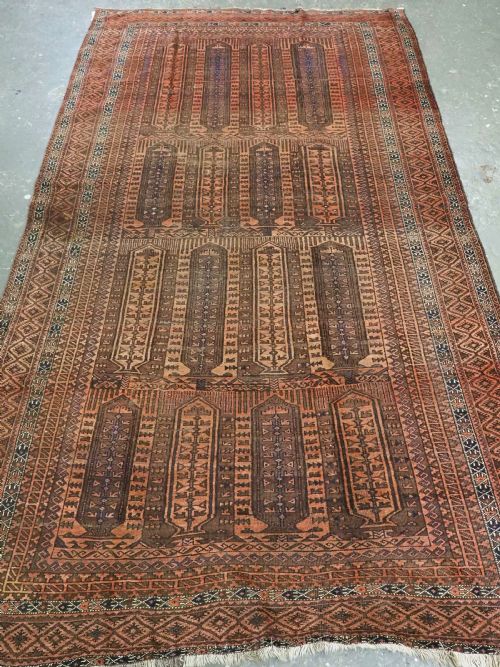
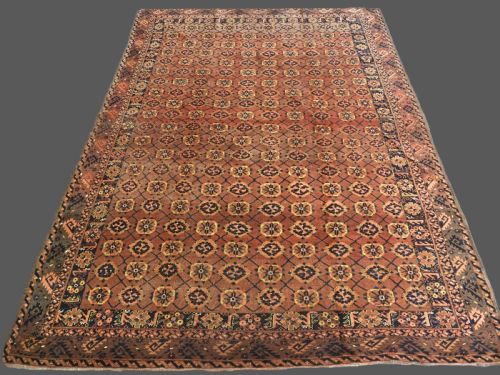
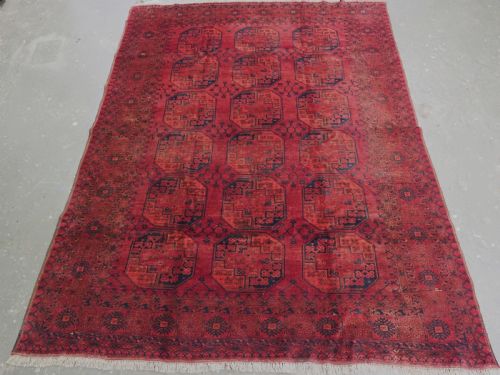
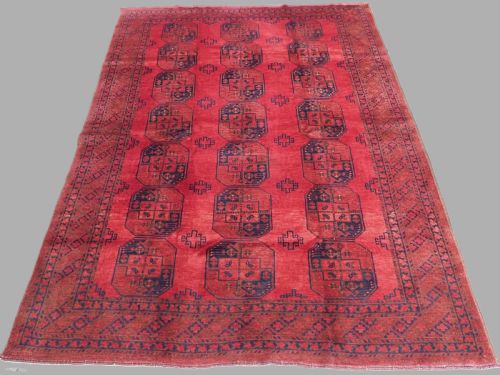
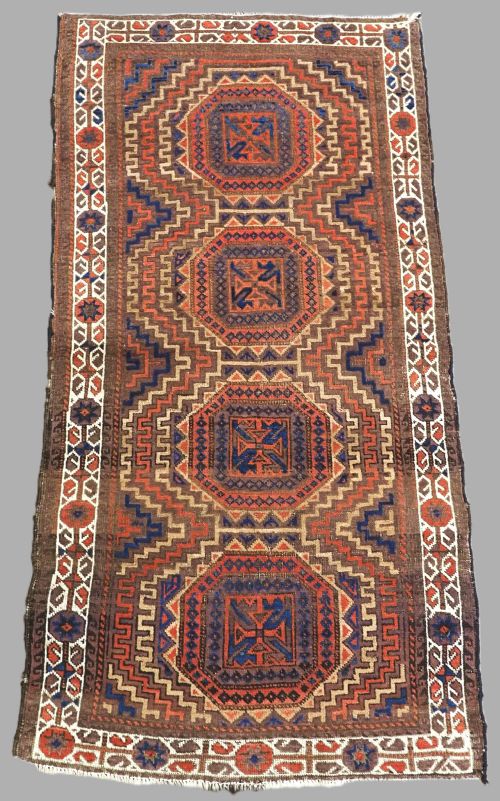
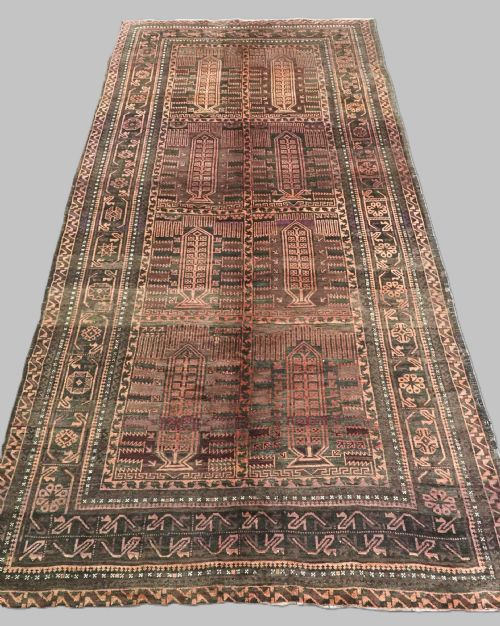
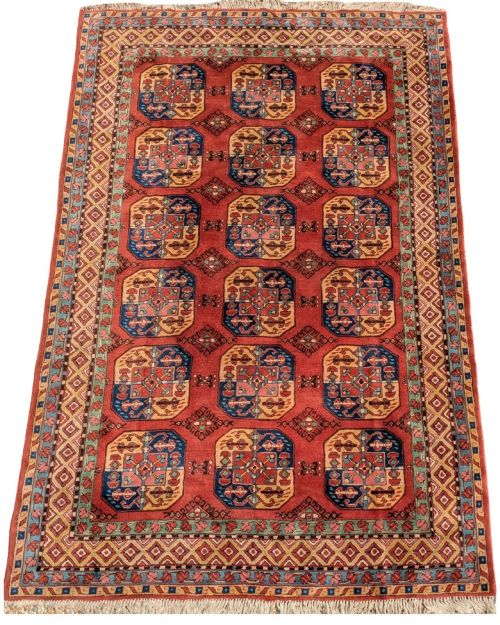
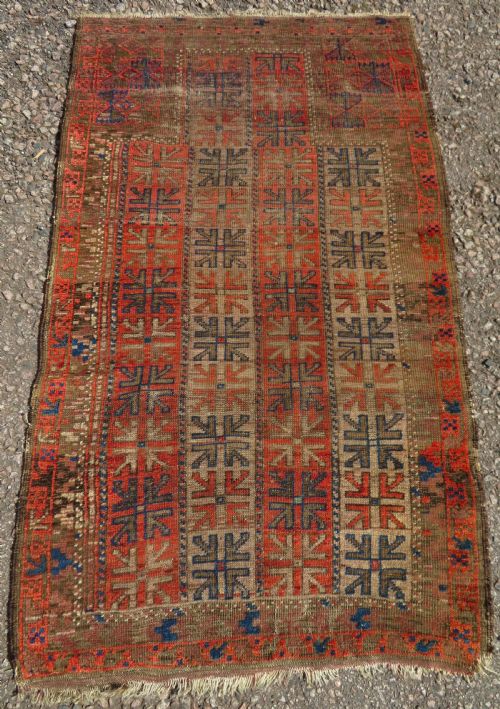
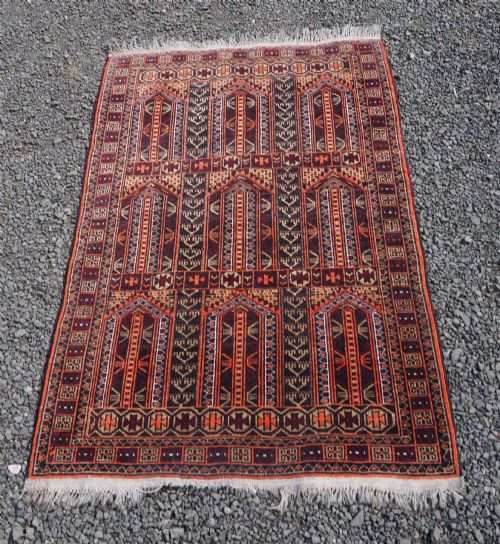
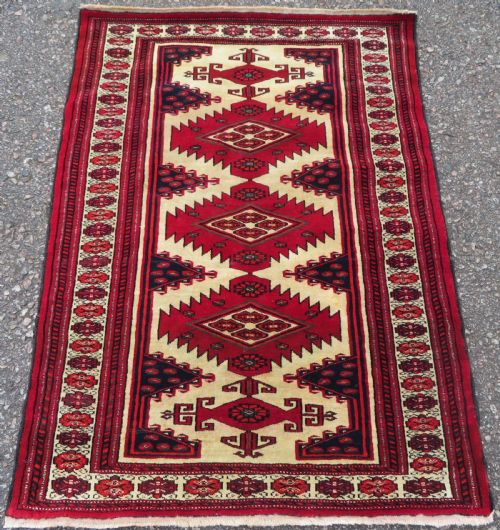
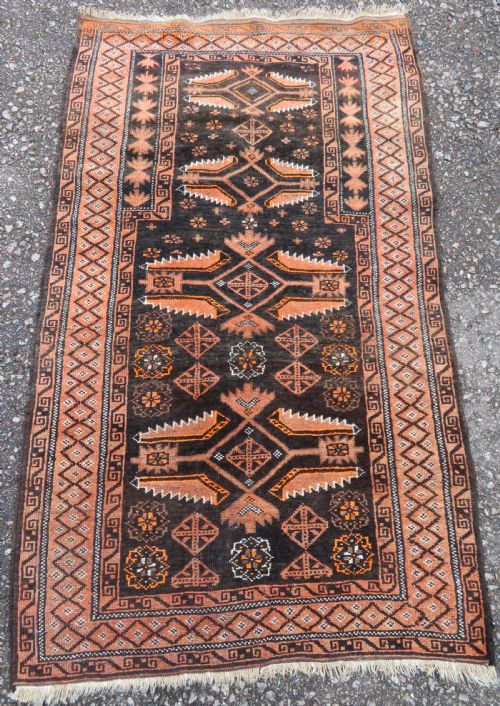
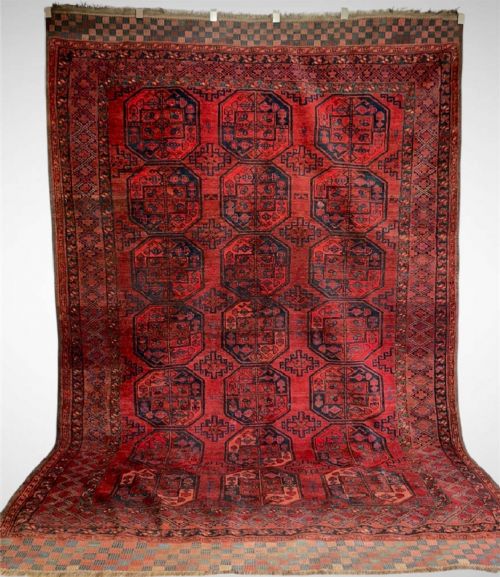
An afghan tribal carpet is a hand-woven textile created by nomadic and village weavers, encompassing formats from flat-woven kilims to pile rugs. These pieces often feature regional motifs such as traditional guls or lattice patterns rooted in tribal heritage.
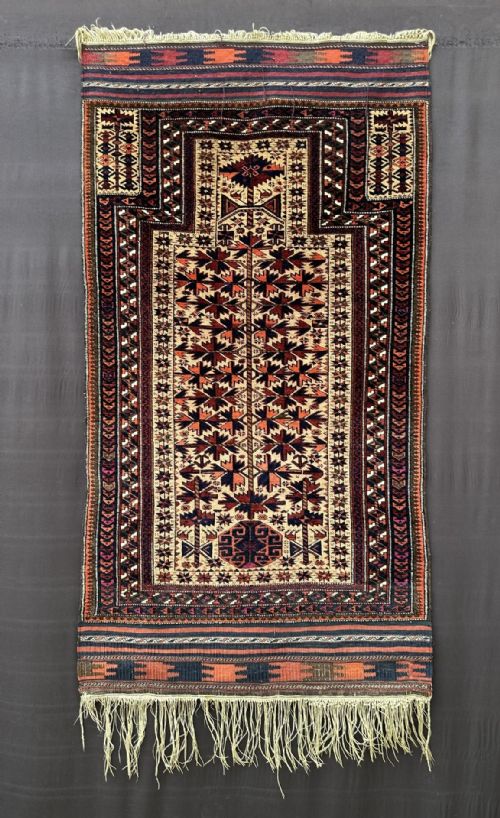
The pieces on this page span from the late nineteenth century through the early twentieth century, capturing decades of weaving traditions. Forms include small prayer rugs, large kilim carpets, and mixed technique examples.
Origins represented in the inventory point towards Baluch, Taimani, Sistan, and Turkmen tribal groups. Buyers encounter diverse structural variations, from single-piece weaves to kilims constructed in two parts.
Materials and construction
Weavers utilised natural fibres including wool, hand-spun wool, cotton foundations, camel wool, and goat hair. These materials provided durability and distinctive tactile qualities suited to nomadic life.
Construction techniques include pile knotting and flat-weaving, with some prayer rugs employing mixed techniques. Certain large kilims are woven in two separate parts and joined together.
Afghan Tribal Carpet Retail Price Guide 2026
Typical asking prices for afghan tribal carpet among the pieces listed under this phrase on Sellingantiques today, from the lower quarter to the upper quarter. They describe what is for sale here now, not the wider market.
Listings feature pieces spanning the period from 1890 to 1930, utilising wool, cotton, camel wool, and goat hair.
Judgements of quality
Quality rests in the handling of materials, where hand-spun wool and camel wool demonstrate finer tactile depth and resilience than standard commercial yarns. The integrity of the weave and the tightness of the knotting dictate the structural longevity of each rug.
Aesthetic distinction arises from unusual design variations and the precision of traditional motifs like the gul or lattice. Pieces showing thoughtful composition and careful dye work stand apart from standard production.
The Afghan Tribal Carpet Glossary
- Kilim
- A flat-woven carpet or rug produced without a pile. These pieces rely on interlocking weft threads to create geometric patterns.
- Gul
- A medallion-like motif often repeated across Turkmen and tribal carpets. Each design typically signifies a specific clan or lineage.
- Prayer rug
- A small rug featuring a mihrab or arch design used by Muslims for daily prayers. These portable carpets were integral to nomadic worship.
- Camel wool
- Fibre gathered from camels, prized for its natural warmth and durability. It yields a distinctive soft handle and muted golden-brown tones.
Afghan Tribal Carpet: Frequently Asked Questions
What is an afghan tribal carpet?
An afghan tribal carpet is a hand-woven textile produced by nomadic or village groups in the region, using materials like wool and camel hair. These rugs feature traditional geometric motifs and tribal designs that reflect their cultural origins.
Items in this category range from flat-woven kilims to deep-pile prayer rugs. They provide both functional floor coverings and historical examples of tribal weaving traditions.
How do I care for an antique rug?
Protect antique wool and goat hair rugs by vacuuming gently without a rotating brush head. Keep them out of direct sunlight to prevent natural dyes from fading over time.
Rotate the carpet periodically to ensure even wear across the surface. Professional cleaning tailored for antique textiles helps preserve the integrity of the natural fibres.
How old are these carpets?
The pieces available here date primarily from the late nineteenth century and the early decades of the twentieth century. Specific dates are estimated from material wear and traditional design characteristics.
Weaving styles from this era often incorporate hand-spun wool and natural dye palettes. Each piece carries the distinct markers of its period of origin.
What is a kilim carpet?
A kilim is a flat-woven textile made without pile, creating a lighter and thinner format than knotted rugs. Weavers build the patterns by tightly interlocking different coloured weft threads.
This construction method produces reversible carpets with sharp geometric designs. Large examples are occasionally woven in separate sections and joined together.