


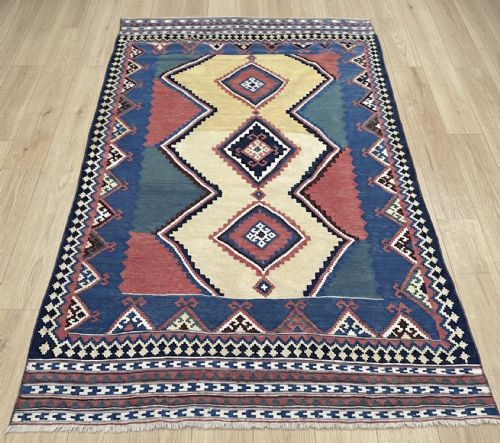
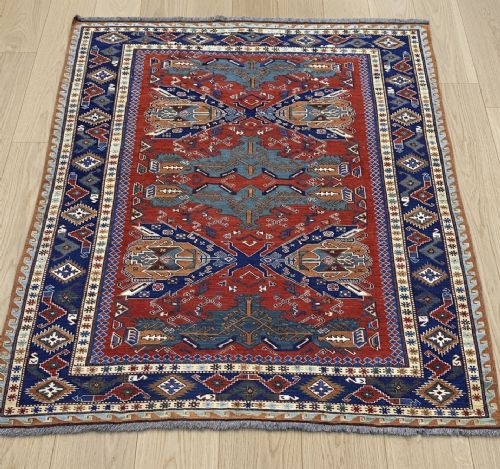
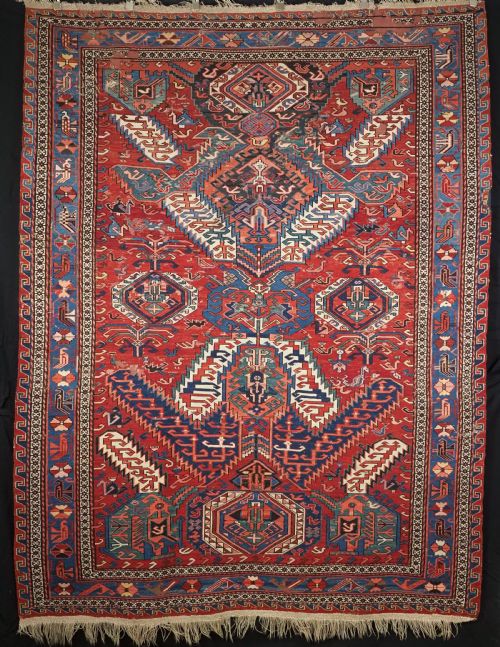
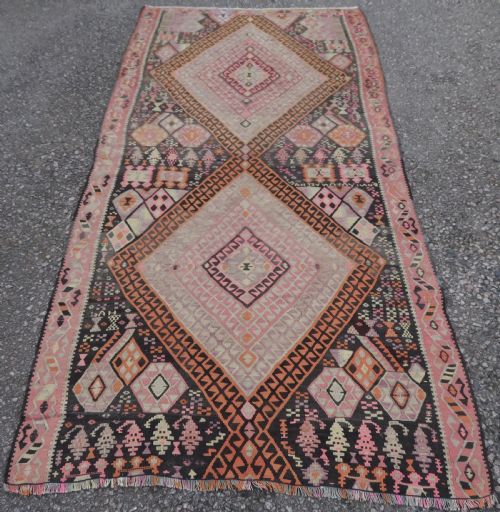
Wool Flatweave Rug
Wool flatweave rug pieces are textiles woven without a pile, ranging from tribal salt bags to room-size carpets that bring texture and historic pattern to a floor.
Wool Flatweave Rug
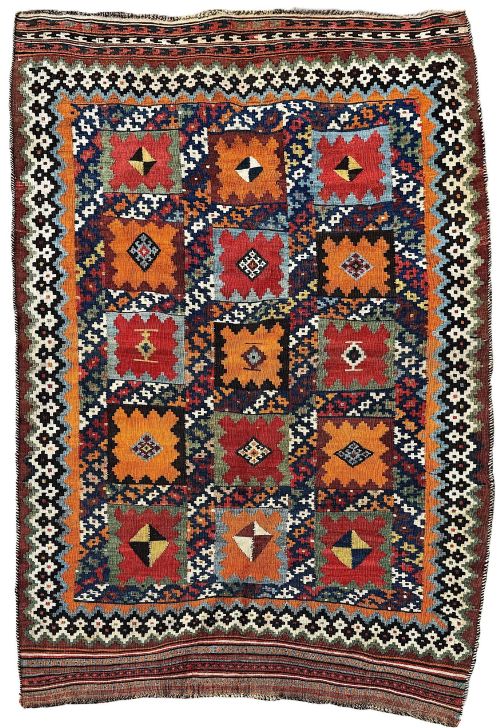
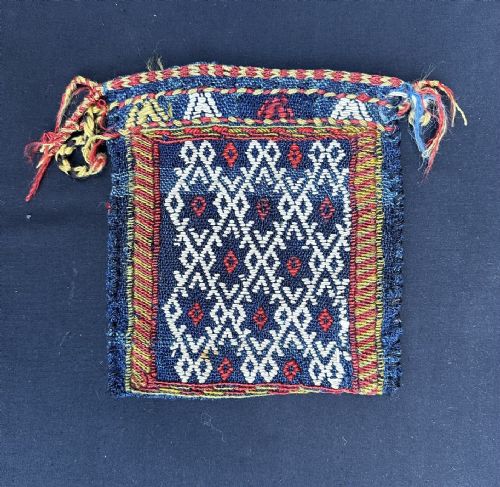
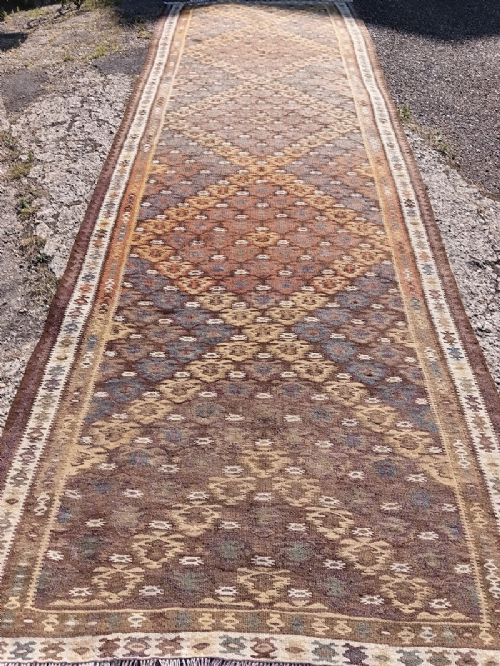
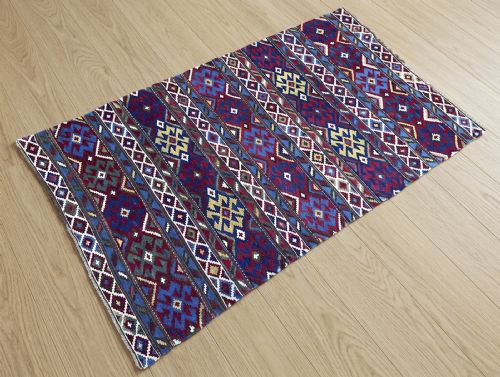
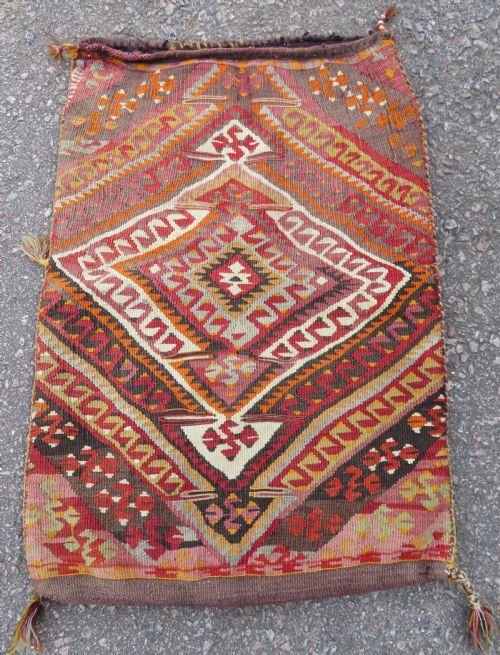
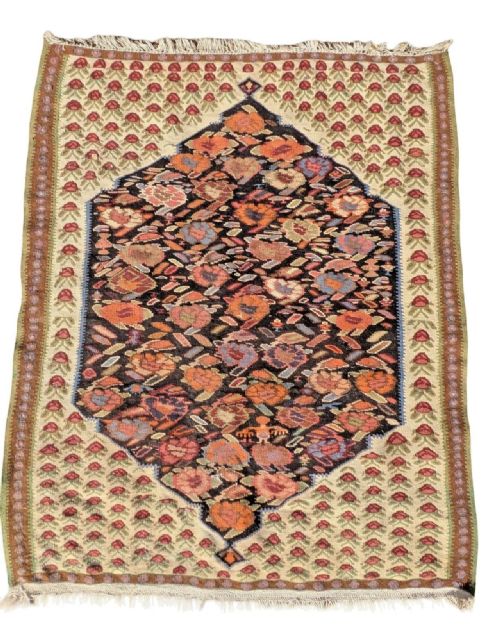
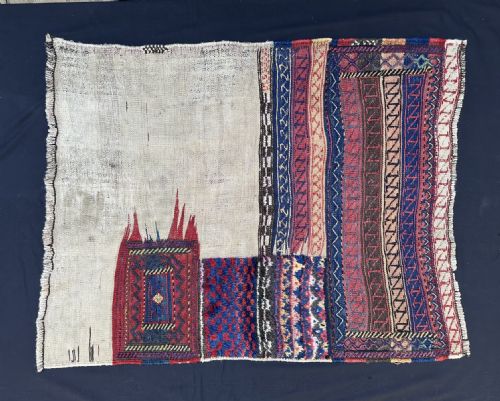
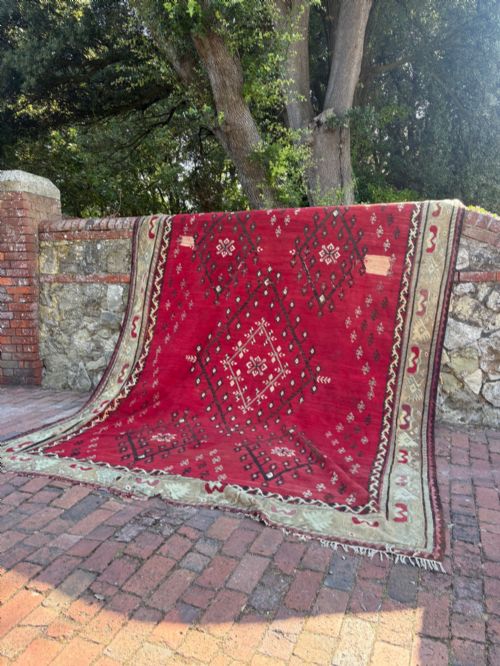
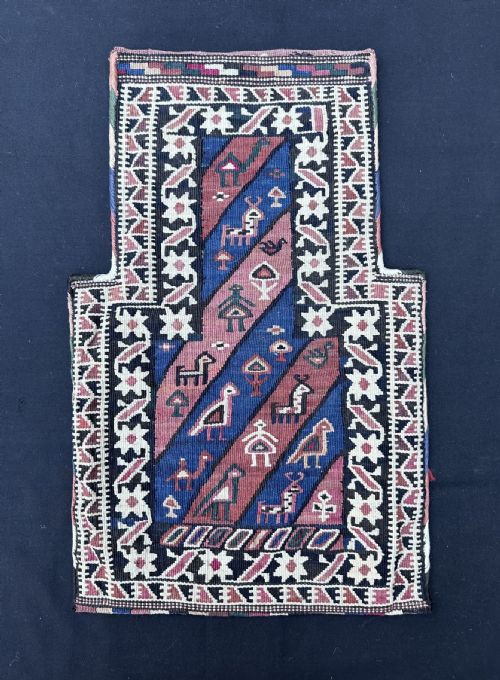
A wool flatweave rug on this page encompasses nomadic kilims, utilitarian sofreh bread cloths, and various regional bag faces originating from Persia, the Caucasus, Anatolia, and Central Asia.
Buyers encounter numerous forms spanning the late nineteenth and early twentieth centuries, including saddle bags, horse blankets, and large room-size carpets.
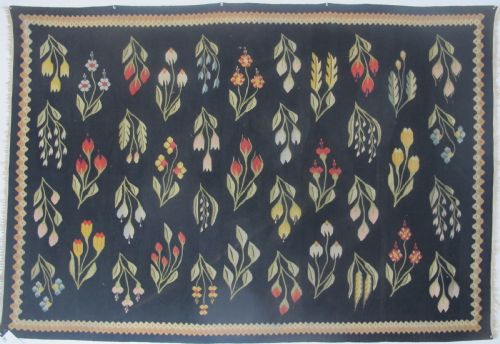
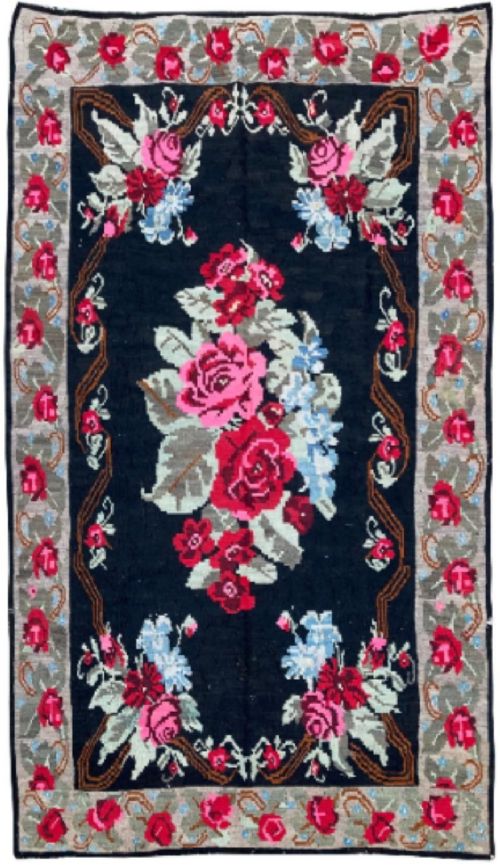
Tribal pieces from specific tribal confederacies such as the Qashqai, Afshar, and Shahsevan dominate the selection, alongside Eastern European folk art and tapestries.
Evaluating craftsmanship
Finer wool flatweave rug examples exhibit tightly packed warps and wefts that produce intricate details and superior structural integrity.
The depth and consistency of natural dye palettes distinguish masterworks from simpler utilitarian weavings.
Balanced proportions and precise geometric alignment separate exceptional tribal weaving from everyday household production.
Wool Flatweave Rug Retail Price Guide 2026
Typical asking prices for wool flatweave rug among the pieces listed under this phrase on Sellingantiques today, from the lower quarter to the upper quarter. They describe what is for sale here now, not the wider market.
Several nomadic bags still retain original cowrie shells, once sewn on to ward off the evil eye during migration.
The Wool Flatweave Rug Glossary
- Kilim
- A pileless textile produced by tightly interweaving warp and weft strands to create flat geometric patterns. These versatile coverings function primarily as floor rugs and wall hangings.
- Sumak
- A non-pile wrapping technique where coloured weft threads wrap around the warp yarns to create a textured, durable surface. This method results in a thick handle resembling embroidery.
- Chuval
- A large storage bag made by Turkmen tribes for household possessions during migration. Collectors prize the surviving face panels for their intricate gul motifs.
- Chanteh
- A small nomadic vanity bag or container used for personal items. These compact pouches display dense tribal iconography.
Wool Flatweave Rug: Frequently Asked Questions
What is a wool flatweave rug?
A wool flatweave rug is a textile woven without a raised pile, created by interlacing warp and weft threads directly on a loom.
These versatile pieces include tribal kilims, horse blankets, and utilitarian cloths made across the Middle East and Eastern Europe.
How were sofreh cloths used?
Sofreh cloths served as clean surfaces for preparing dough, baking bread, or laying out communal family meals on the ground.
Nomadic households utilised these flatweaves daily before collectors began preserving them as decorative textiles.
Where were Caucasian flatweaves made?
Caucasian flatweaves originated in mountainous regions including Daghestan, Shirvan, and Karabagh through the efforts of local weaving communities.
These pieces typically feature bold geometric configurations and distinct regional colour palettes.
How do I care for a flatweave rug?
Maintain flatweave rugs by gentle regular vacuuming without a beater bar and using a breathable underlay to prevent sliding.
Professional specialist cleaning ensures natural wool fibres and historic dyes remain protected over time.