


Vintage Nomadic Rug
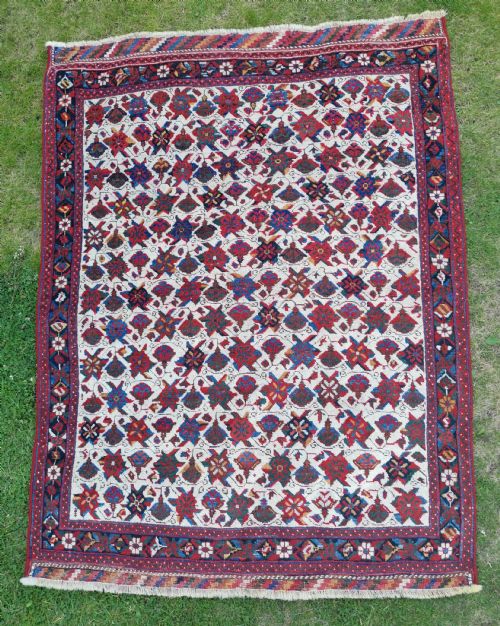
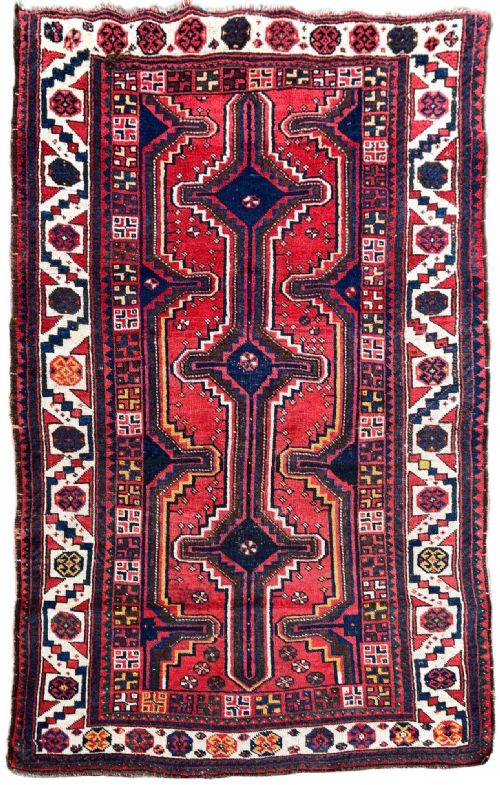
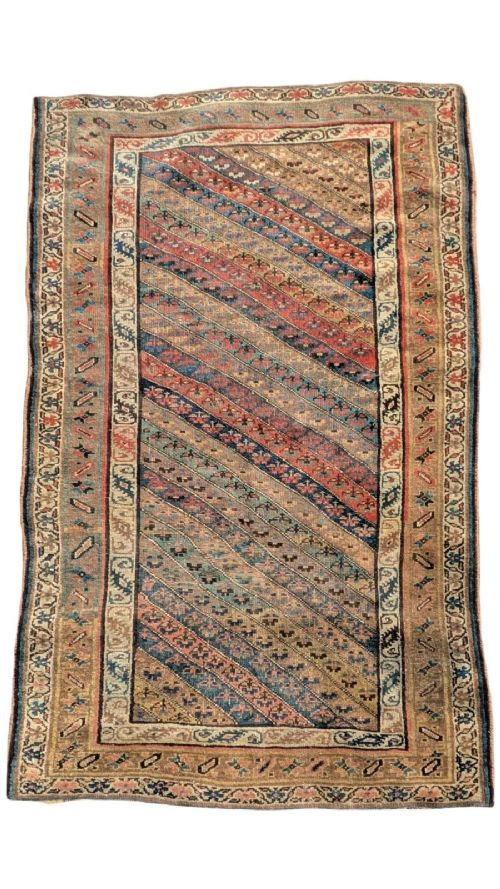
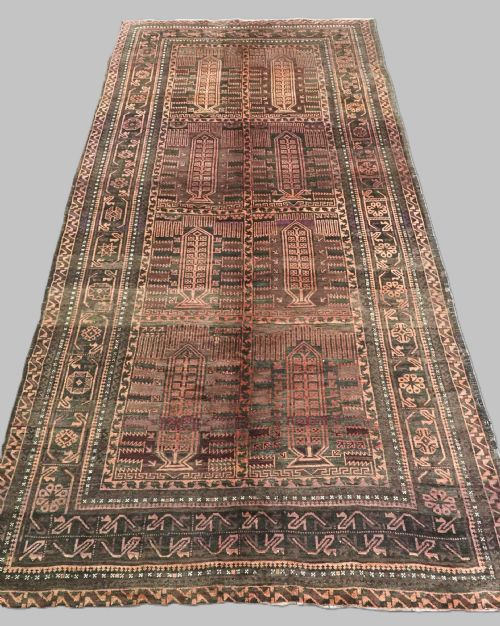
When you search for a vintage nomadic rug, you encounter hand-woven textiles originating from tribal confederacies and pastoral groups across Persia, Central Asia, and the Caucasus.
Vintage Nomadic Rug
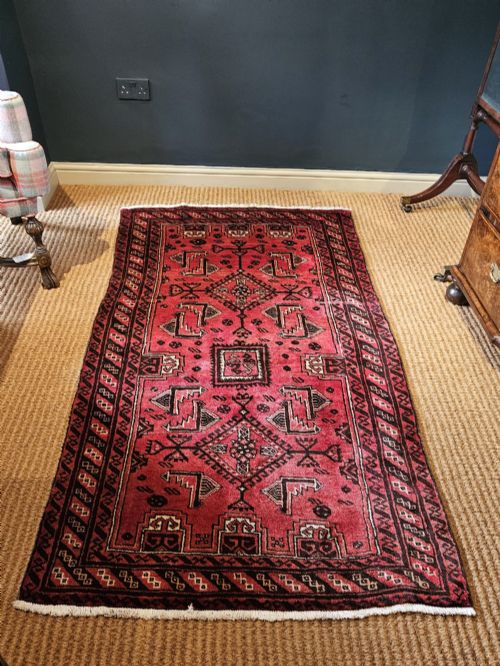
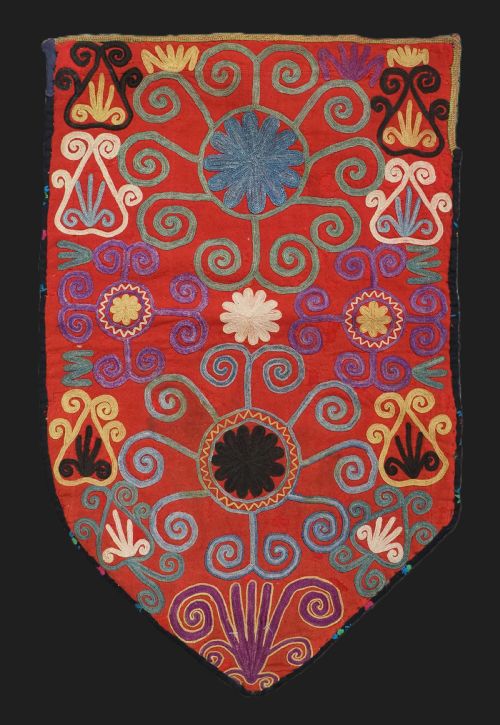
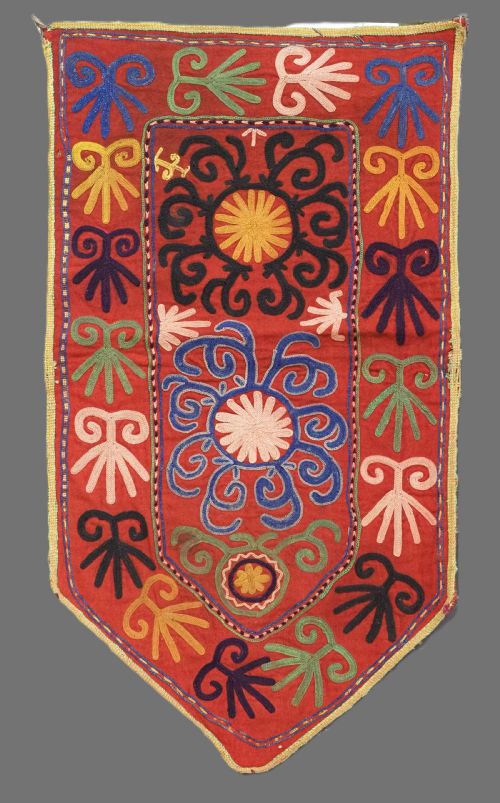
A vintage nomadic rug comprises floor coverings, decorative wall hangings, and utilitarian tribal bags produced by pastoral weavers. These pieces reflect specific regional identities and traditional tribal motifs rooted in nineteenth and early twentieth-century village and tent life.
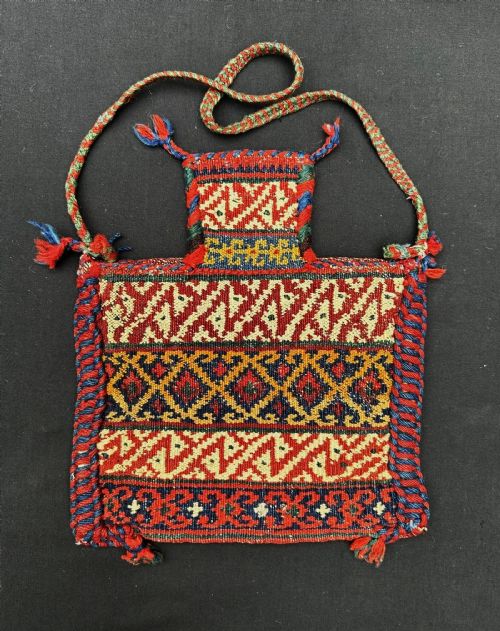
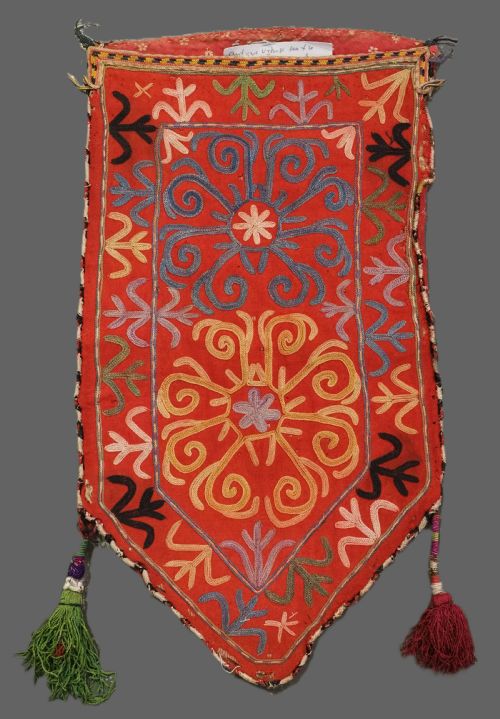
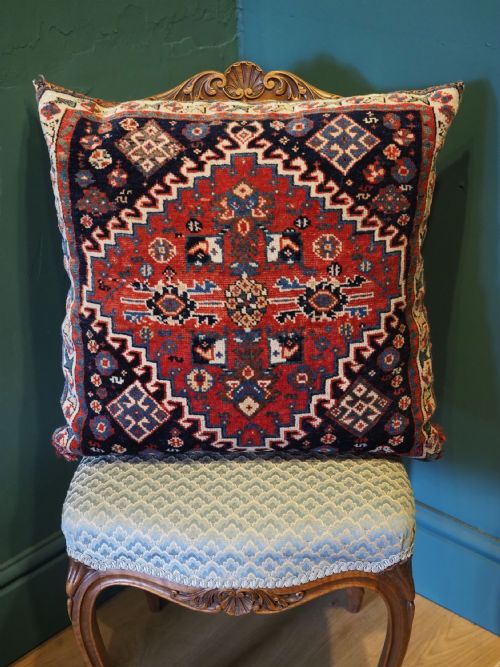
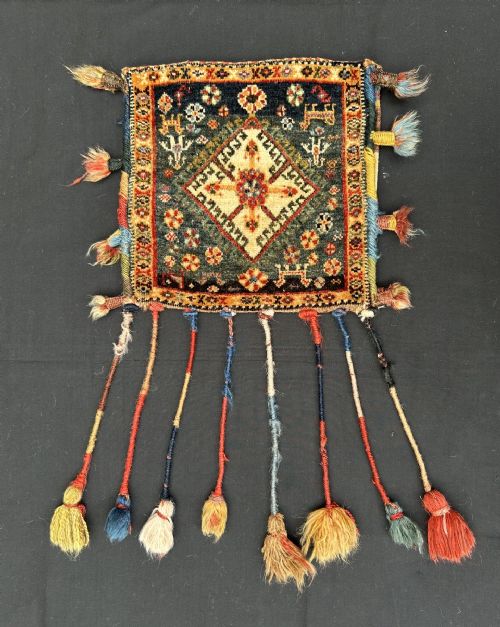
You will frequently encounter smaller formats such as saddle bags, vanity bags, and prayer rugs alongside larger carpets. The designs range from geometric Turkmen and Baluch patterns to intricate pictorial and medallion layouts by Qashqai, Afshar, and Khamseh nomads.
The materials reflect domestic pastoral resources, relying heavily on durable sheep wool and occasionally incorporating cotton foundations or felted wool. These textiles bridge functional daily use and expressive tribal artistry.
Materials and construction methods
Weavers utilised hand-spun wool and pure wool for the pile and foundation yarns, yielding tactile, resilient surfaces suited to nomadic existence. Natural dyes provided the palette, producing rich tones that age with distinct character.
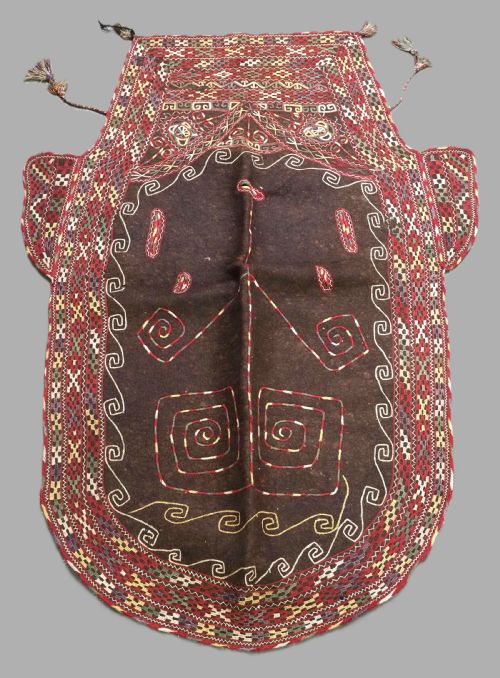
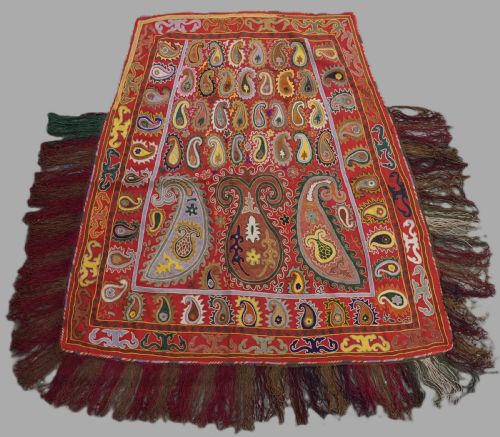
Specialised techniques include pile weaving, flat-weaving, embroidery, and felted wool construction. Items such as ceremonial horse blankets and storage bags display detailed surface manipulation and supplementary weft-wrapping.
Vintage Nomadic Rug Retail Price Guide 2026
Typical asking prices for vintage nomadic rug among the pieces listed under this phrase on Sellingantiques today, from the lower quarter to the upper quarter. They describe what is for sale here now, not the wider market.
Listings feature wool, natural dyes, and cotton across regional tribal styles from Persia, Central Asia, and the Caucasus dating from the nineteenth and early twentieth centuries.
Elements that define quality
The finesse of the knotting or weaving density dictates the structural integrity and clarity of the pattern. Tighter structures maintain their form and detail over decades of use.
The vibrancy and depth of natural dye formulas separate standard examples from superior pieces. Variations in wool preparation, such as hand-spun versus machine-spun yarns, affect the surface texture and light absorption.
The Vintage Nomadic Rug Glossary
- Kap
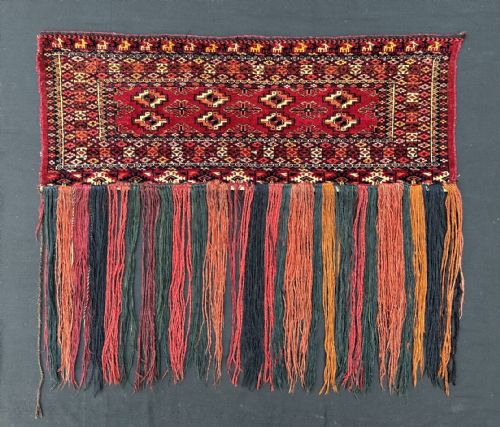
- A storage bag or utilitarian container produced by nomadic tribes for domestic use inside a tent. These pieces often feature structured pile faces and flat-woven backs.
- Asmalyk
- A large, five-sided ceremonial trapping hung on the flanks of a camel during Turkmen wedding processions. They display elaborate geometric or stepped gull-gol motifs.
- Prayer rug
- A small textile featuring a mihrab or niche design used by Muslims to define a clean space for daily prayers. Baluch and Persian makers frequently produced these in portable formats.
- Kelim
- A flat-woven carpet or rug made without a pile by tightly interweaving warp and weft strands. They are lightweight and traditionally served as floor coverings or tent dividers.
- Natural dye
- Colourants derived from plants, insects, and minerals rather than synthetic chemical agents. They yield subtle tonal variations and age with a muted patina.
Vintage Nomadic Rug: Frequently Asked Questions
What is a nomadic rug?
A nomadic rug is a textile hand-woven by pastoral or tribal groups rather than urban workshop artisans. These pieces typically incorporate geometric memory patterns specific to the weaver's tribe.
They encompass floor carpets, prayer rugs, and storage bags created for functional daily life or ceremonial occasions.
How were these rugs used?
Nomadic communities used these textiles as floor coverings, bedding, tent dividers, and storage containers for household goods. Many items served specific roles in tribal transport and wedding traditions.
Larger carpets insulated earthen tent floors, while smaller bags and covers stored clothing, salt, pipes, and ceremonial horse equipment.
How do I care for a vintage rug?
Protect the wool pile by vacuuming gently without a rotating beater brush and keeping the textile out of direct, continuous sunlight. Ensure the rug rests on a breathable, non-slip pad to prevent friction against hard floors.
Professional specialist cleaning is recommended for wool and natural dye textiles when washing becomes necessary.
How do I identify tribal origins?
Tribal origins are identified through a combination of specific motif structures, colour palettes, wool qualities, and structural weaving techniques. Groups such as the Yomut, Baluch, Qashqai, and Afshar utilised distinct design vocabularies.
Edge finishes, border designs, and end-finish fringes often point directly to particular geographic regions and nomadic confederacies.