


Terracotta Tribal Rug
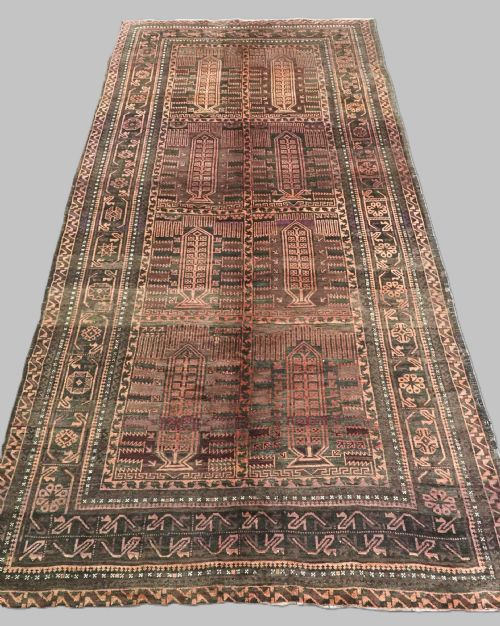
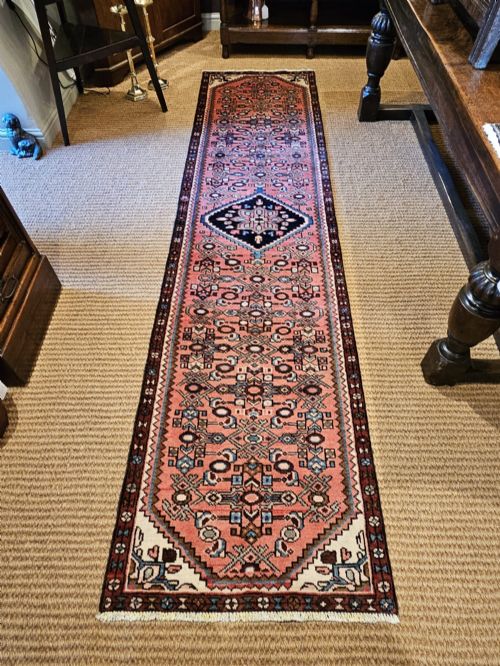
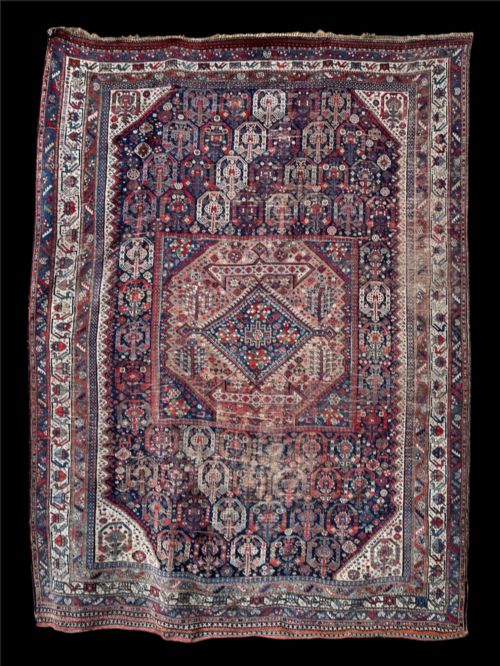
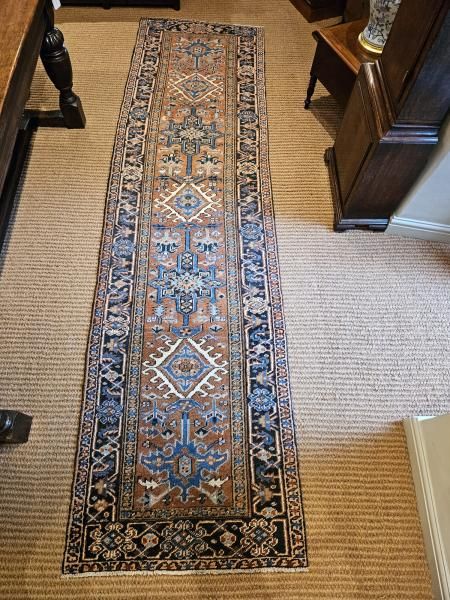
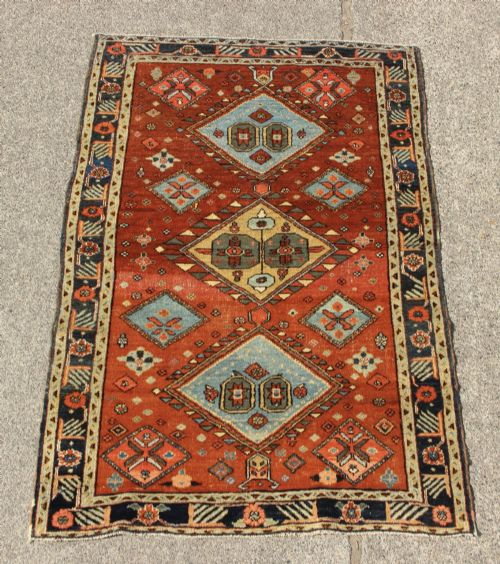
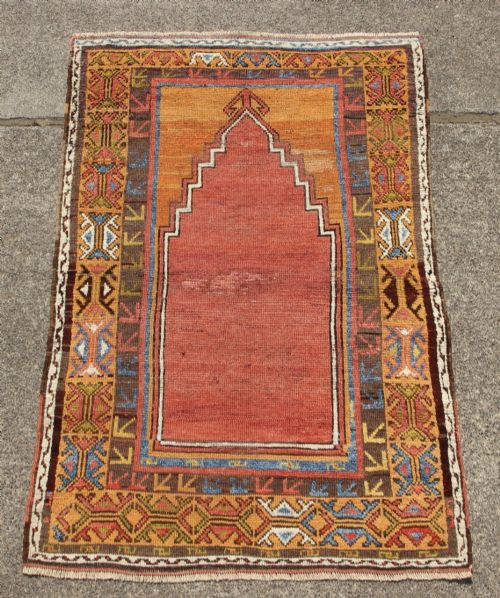
A terracotta tribal rug brings geometric patterns and earthy warmth into a room, grounding your floor space with genuine nomadic heritage.
Terracotta Tribal Rug
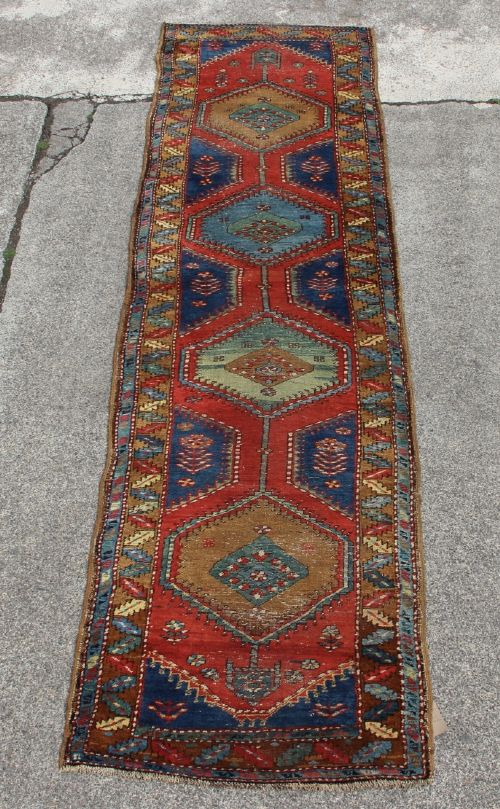
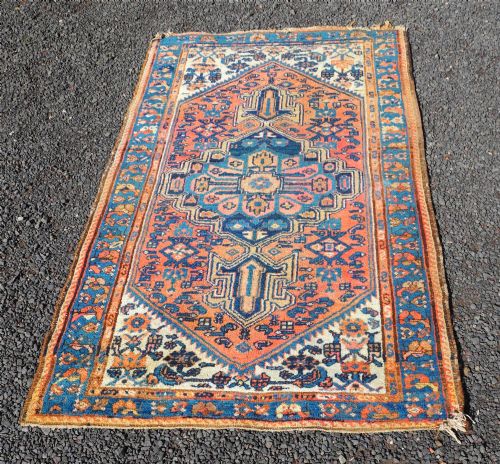
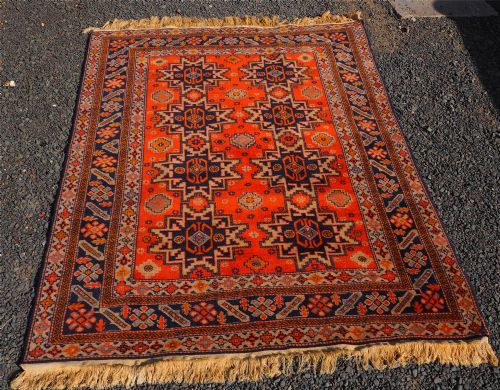
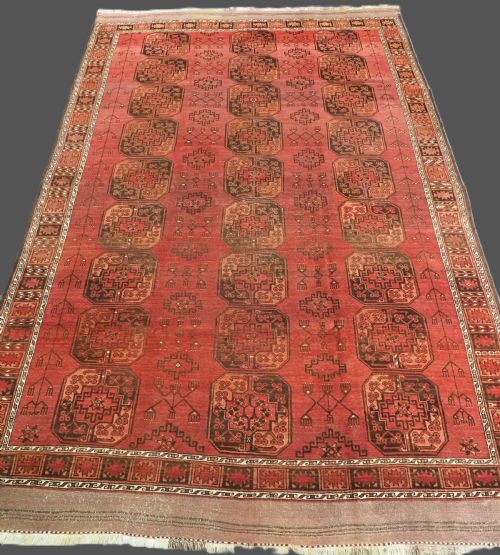
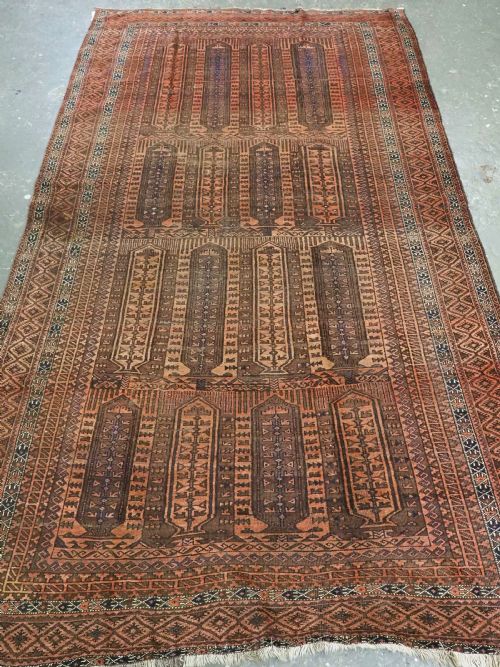
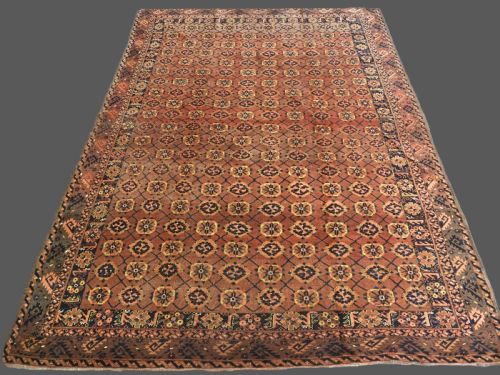
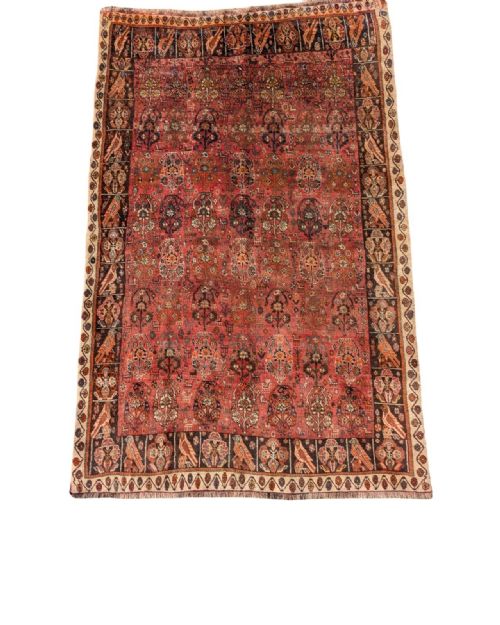
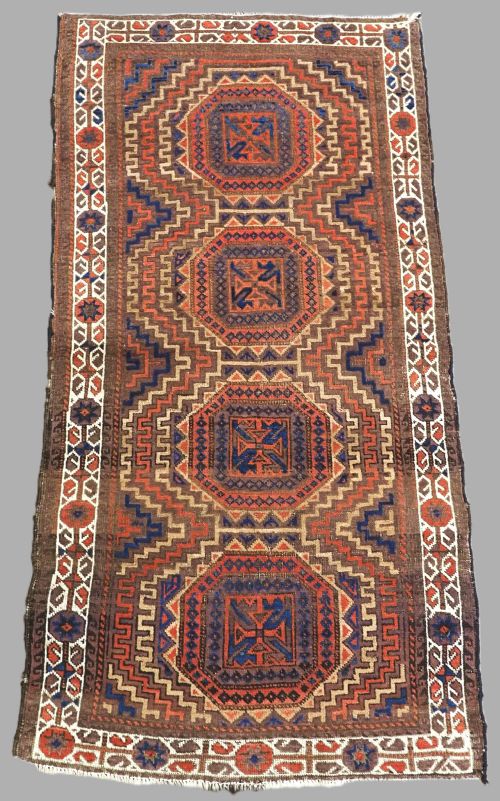
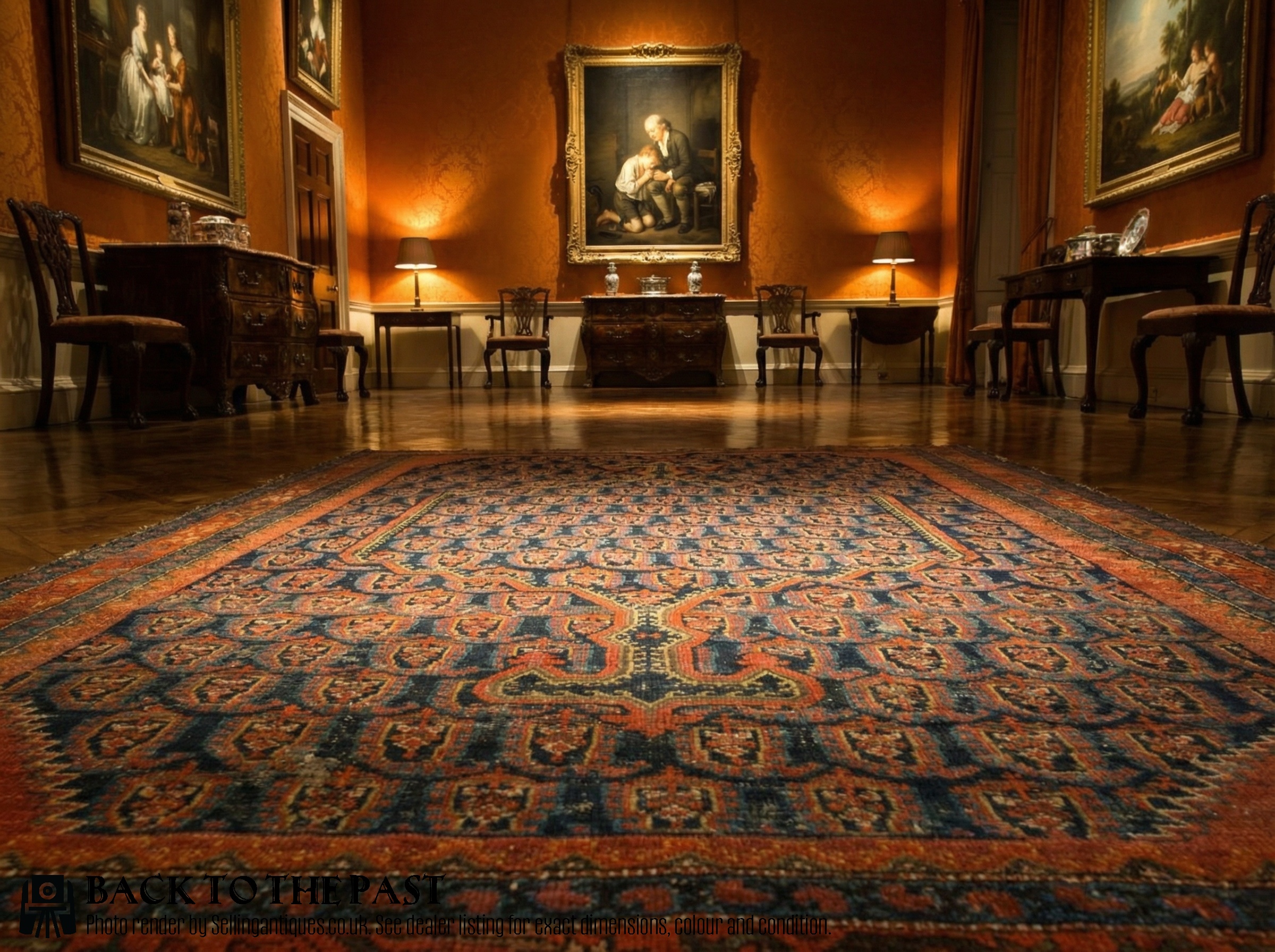
A terracotta tribal rug is a hand-knotted or woven textile created by nomadic and village weavers across Persia, the Caucasus, and Central Asia. When you search for this phrase, you encounter area rugs, runners, and smaller utility bags bearing rich red and brown earth tones.
The pieces on this page span the late nineteenth century through to the early decades of the twentieth century. They encompass specific tribal styles including Baluch, Afshar, Bakhtiari, and Ersari Turkmen, alongside broader Persian and Caucasian designs.
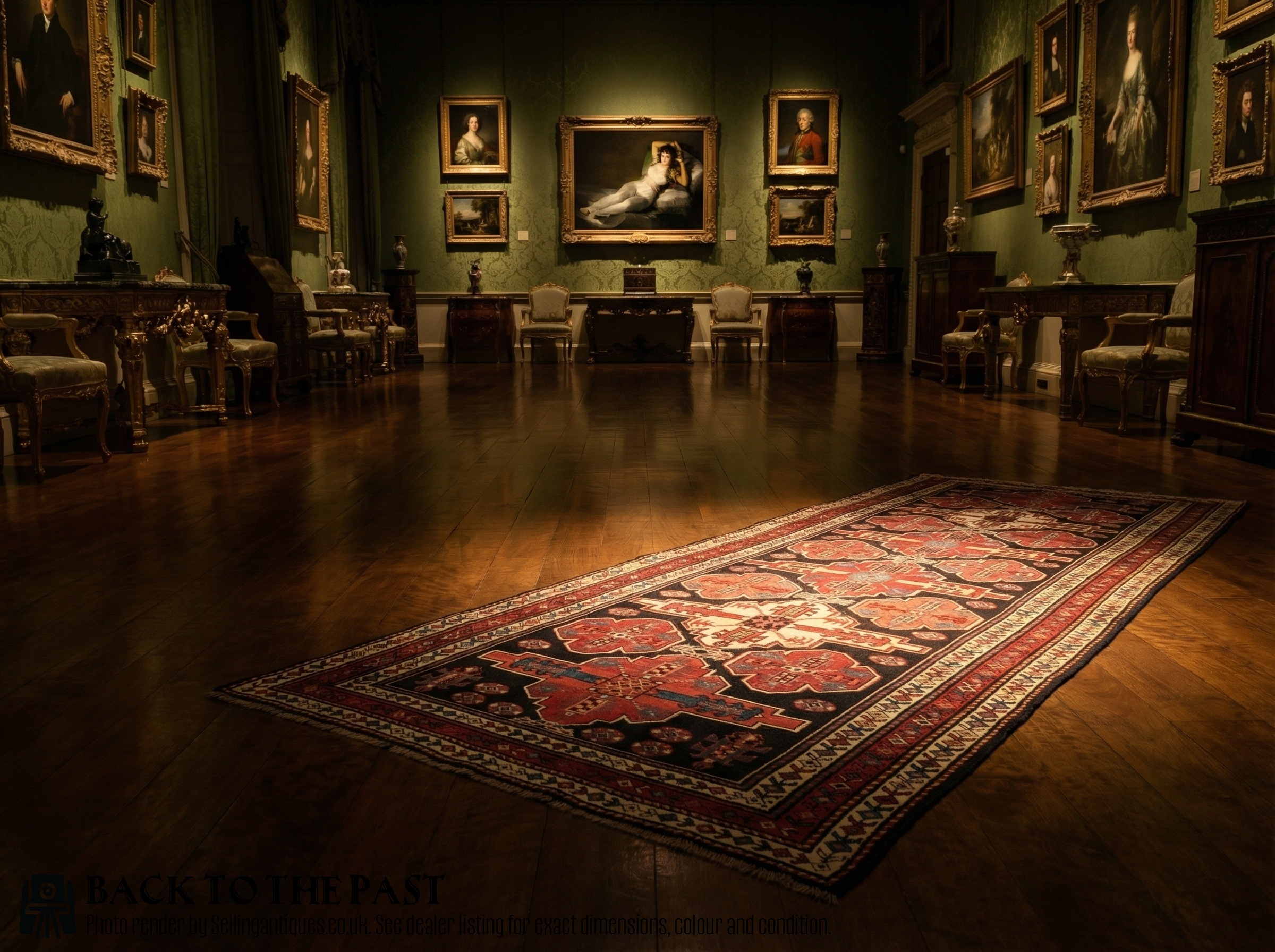
Most examples take the form of area rugs or long runners designed for heavy domestic use in tents and village houses. Their compositions rely on repeat guls, geometric medallions, and strict directional layouts handed down through generations.
How they were made
Weavers utilised hand-spun wool for the pile, foundation warps, and wefts, occasionally incorporating camel hair or cotton for structural contrast. These natural animal fibres provide the resilience and dense handle characteristic of authentic village production.
Colour comes from natural dyes derived from local plants and minerals, which yield the distinctive terracotta and brick-red hues seen across the inventory. Artisans also employed felt in specific Central Asian pieces, working the wool fibres through moisture and pressure rather than knotting.
Terracotta Tribal Rug Retail Price Guide 2026
Typical asking prices for terracotta tribal rug among the pieces listed under this phrase on Sellingantiques today, from the lower quarter to the upper quarter. They describe what is for sale here now, not the wider market.
Nomadic weavers occasionally included deliberate minor wool colour shifts, trusting that slight imperfections ward off the evil eye.
What varies in quality
Quality in these textiles depends upon the precision of the knotting and the depth of preparation behind the wool. Tighter structures and finely spun yarn create a denser pile that holds its definition and withstands centuries of friction.
The clarity and saturation of the natural dyes separate standard utility pieces from exceptional tribal weaving. Skilful dyeing produces varied abrash within the terracotta fields, giving the surface a luminous, shifting character.
The Terracotta Tribal Rug Glossary
- Gul
- A medallion motif used across Turkmen and Baluch carpets. These repeating octagonal stamps often identify the specific tribe that wove the textile.
- Abrash
- A natural variation in rug pile colour caused by uneven dye batches or changes in wool supplies over time. This tonal striping signals authentic hand-dyed production.
- Asmalyk
- A triangular trapping produced by Turkmen groups such as the Yomut. These ceremonial pieces were mounted on the flanks of bridal camels.
- Warp
- The stationary longitudinal threads stretched across the loom before weaving begins. The foundation fringe consists of these visible anchor cords.
- Bagface
- The decorated front panel of a utilitarian nomadic storage sack. Weavers often repurposed these panels into small scatter rugs after the original bag wore out.
Terracotta Tribal Rug: Frequently Asked Questions
How do I clean a fragile antique rug?
Surface dust should be removed gently using a suction-only vacuum without a rotating beater bar. Professional textile conservators should handle deep washing to protect old wool and natural dyes.
Water saturation and harsh commercial detergents cause the natural dyes to bleed and ruin the delicate pile structure. Regular gentle maintenance preserves the integrity of the fibres for decades.
What is the difference between a runner and an area rug?
Runners are long, narrow textiles traditionally utilised in hallways, staircases, and narrow domestic spaces. Their proportions emphasise linear borders and repeating geometric motifs.
Area rugs provide broader rectangular surfaces suited for centring beneath furniture groupings. Both formats share identical village or tribal weaving techniques.
How do I identify a Baluch rug?
Baluch tribal weavings typically feature deep terracotta, dark brown, and indigo palettes arranged in compact geometric layouts. Their handles are often supple yet heavy due to the quality of regional wool.
Many examples include 'pencil box' borders or camel hair highlights in the outer guards. These characteristic design traits separate them from larger urban Persian workshop carpets.