

Central Asian Weaving
Central asian weaving encompasses tribal textiles, rugs and wall hangings crafted by nomadic groups across the steppes and oases.
Central Asian Weaving
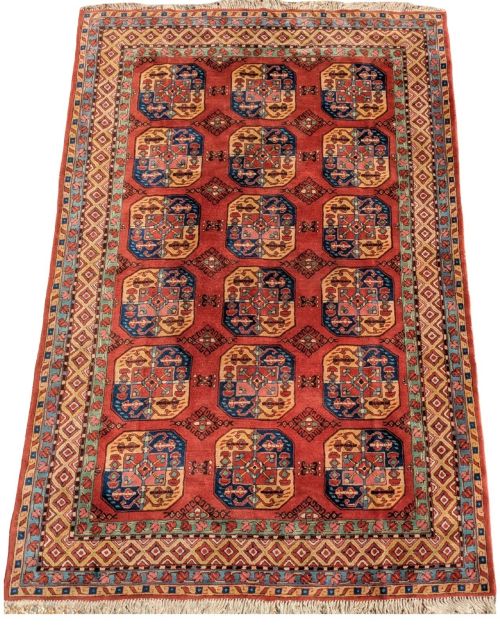
Central asian weaving covers tribal textiles, rugs and wall hangings produced by nomadic and settled groups across Turkmenistan, Uzbekistan, and Tibet. The pieces found here span from the mid-nineteenth century into the early twentieth century, reflecting distinct regional identities.
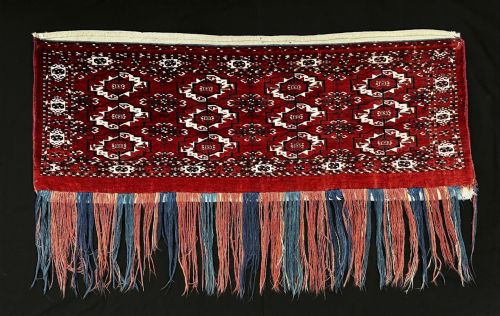
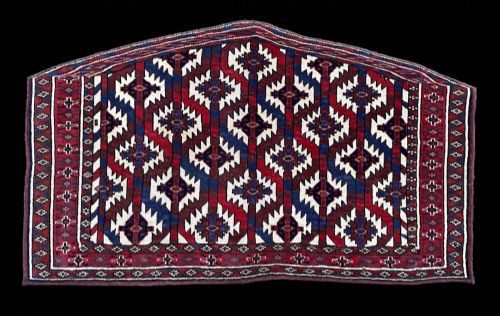
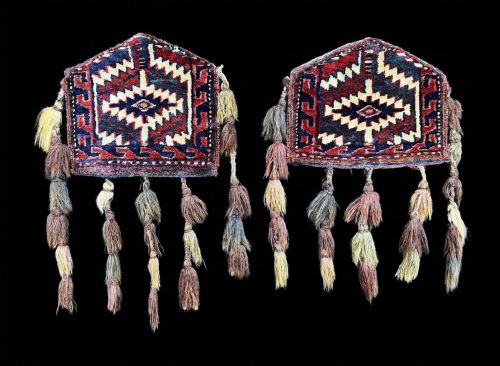
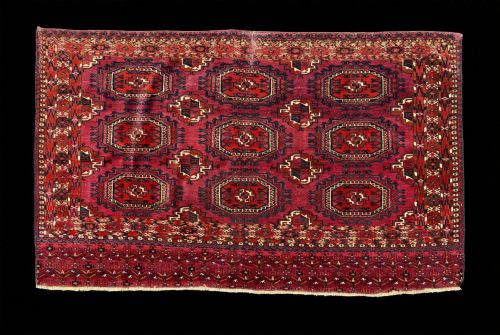
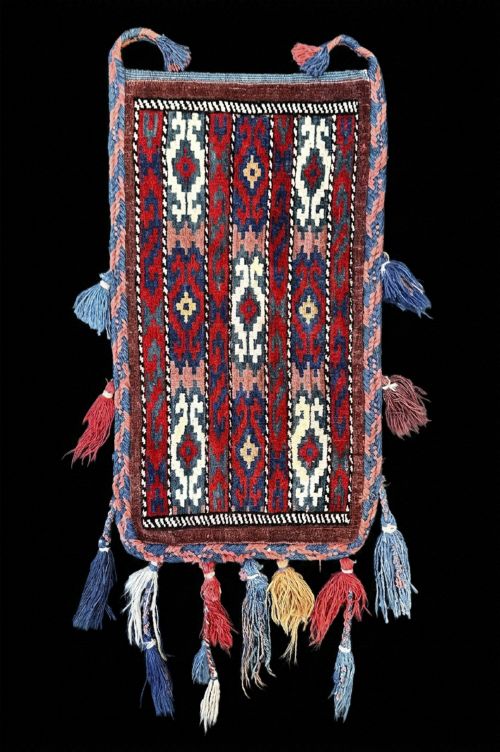
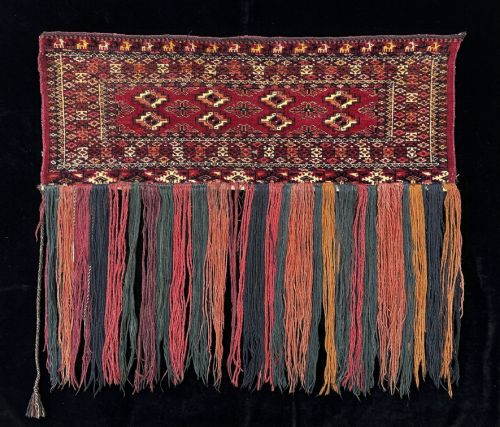
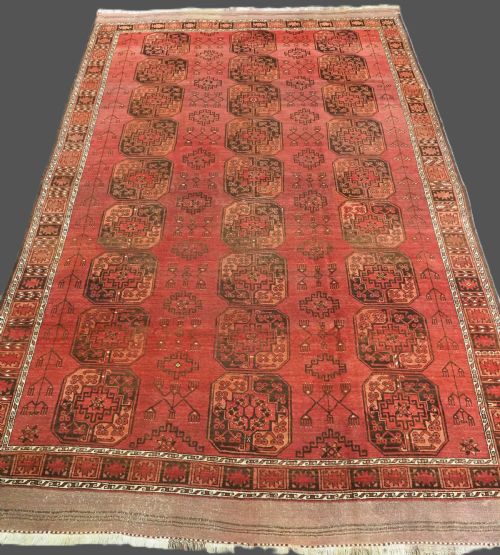
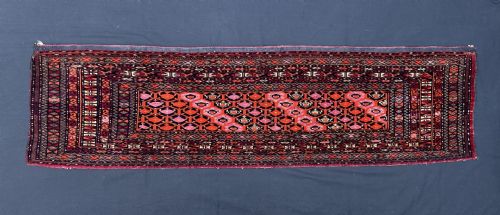
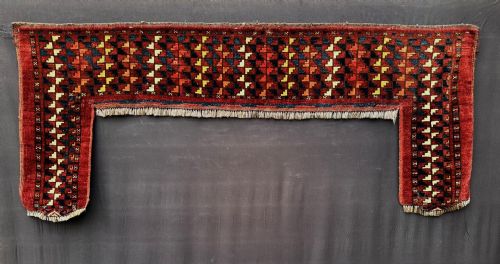
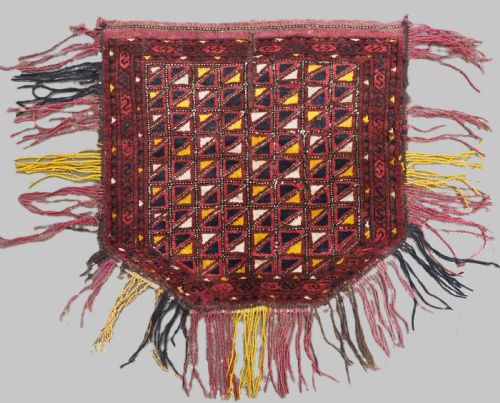
Buyers will most frequently encounter utilitarian and ceremonial items such as torbas, chuvals, asmalyks, saddle rugs, and main carpets. These items were woven by specific tribes including the Yomut, Tekke, Ersari, and Saryk.
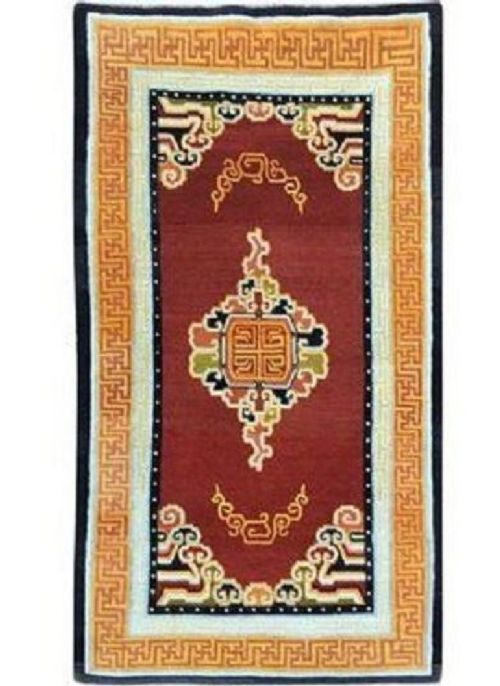
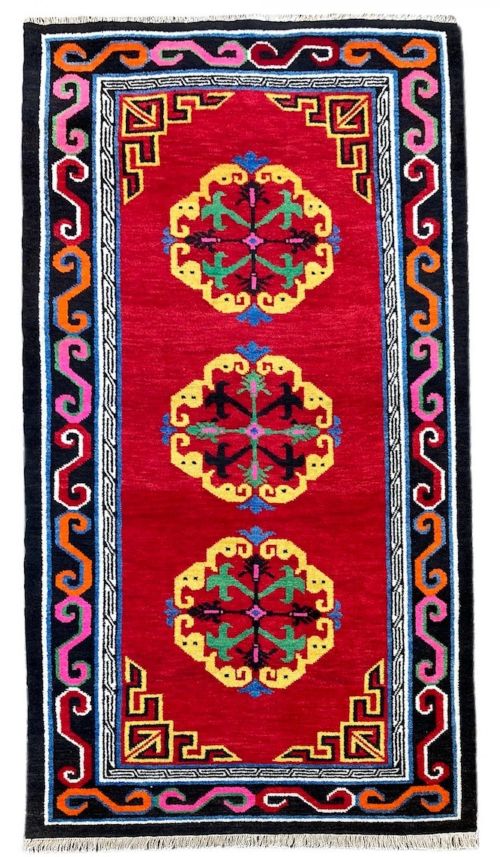
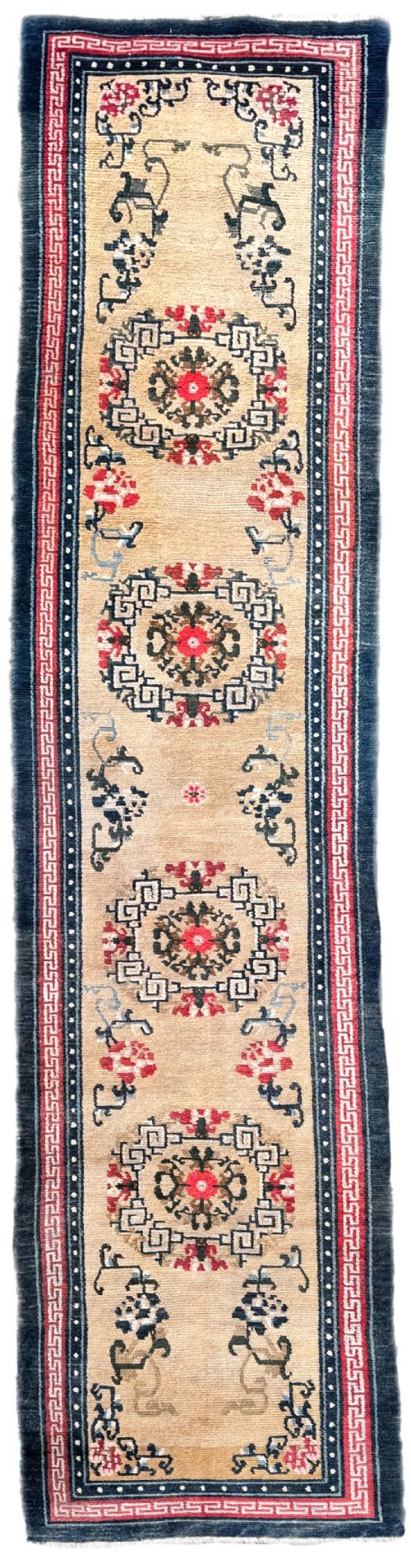
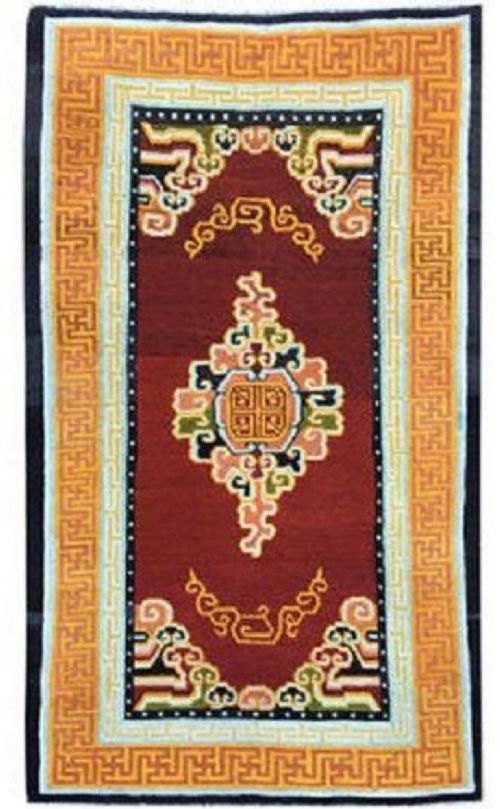
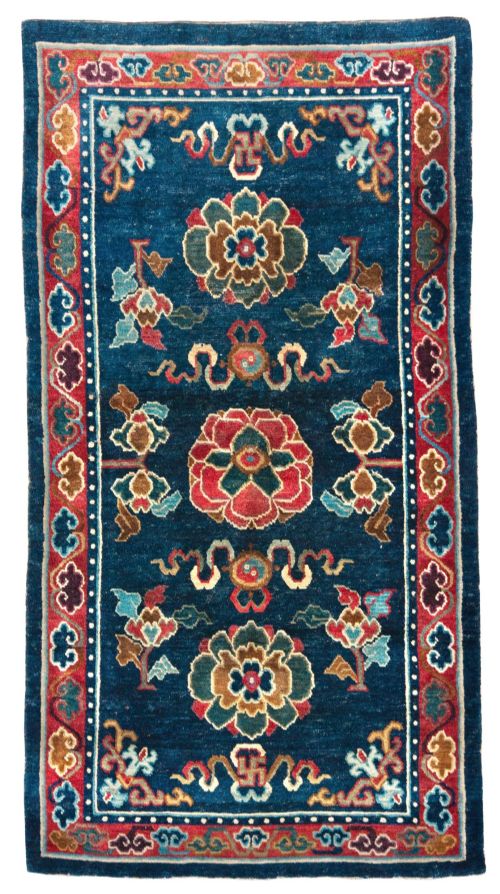
Tibetan rugs and runners also appear, bringing different pile structures and palette choices to the group. Each object type carries traditional motifs passed down through generations.
Materials and Techniques
Makers utilised hand-spun wool and cotton as the primary foundations for pile carpets, tent bags, and horse covers. Silk highlights occasionally appear on specific tribal torbas to accentuate particular motifs.
Natural dyes provide the deep reds, browns, and secondary tones characteristic of these pieces. Weavers employed dense knotting techniques on wool warps to create durable surfaces meant for heavy daily use.
Central Asian Weaving Retail Price Guide 2026
Typical asking prices for central asian weaving among the pieces listed under this phrase on Sellingantiques today, from the lower quarter to the upper quarter. They describe what is for sale here now, not the wider market.
Listings feature wool, cotton, silk, and natural dyes across carpets dated from 1850 to 1930.
Assessing Quality and Execution
Execution rests upon the tightness of the knotting and the precision of the tribal guls or geometric symbols. Finer weaves allow for sharper definition within complex medallion and rosette layouts.
The integrity of the natural dyes and the preservation of original side cords or tassels dictate the overall standard. Pieces retaining their full structural context and complete pile show superior workshop origin.
The Central Asian Weaving Glossary
- Gul
- A primary octagonal or repeating medallion motif used extensively in Turkmen carpet design. These emblems often identify the specific tribe or clan responsible for the weaving.
- Torba
- A small utility bag utilised inside nomadic tents for storage. They frequently feature elaborate face designs with guls and finished borders.
- Asmalyk
- A large pentagonal trapping historically hung on the flanks of camels during wedding processions. These ceremonial items display skilled tribal craftsmanship.
- Chuval
- A large storage bag created by nomadic tribes for domestic use within the yurt. Surviving examples often circulate as trimmed faces rather than complete pouches.
- Khaden
- A traditional Tibetan sleeping rug or sitting mat characterised by a wool pile and simple format. They often incorporate auspicious Buddhist symbols in the field.
Central Asian Weaving: Frequently Asked Questions
What is a tribal torba?
A torba is a small storage bag made by nomadic weavers for use inside traditional tents. They were hung against lattice walls to hold household belongings and small possessions.
These pieces display distinct tribal patterns such as Salor or Tekke guls. Collectors prize them for their concentrated geometry and finely knotted faces.
How were horse covers used?
Horse covers and ceremonial blankets served practical and decorative functions during tribal gatherings and weddings. They protected animals from the elements while displaying the wealth of the owner.
Items like asmalyks and saddle rugs feature specialised shapes designed to fit animal flanks. Their survival demonstrates the high status placed on equestrian equipment.
How do I identify tribal designs?
Tribal designs are distinguished by repeating geometric emblems, secondary ornaments, and specific primary colour palettes. Each tribe utilised characteristic guls that separated Yomut work from Tekke or Ersari production.
Examining the border arrangements and minor motifs helps pinpoint the geographic origin. Books on Turkmen carpets provide useful reference plates for matching these patterns.
How should I care for wool rugs?
Wool rugs require gentle maintenance such as regular light vacuuming without a rotating brush head. Keeping them out of direct sunlight preserves the stability of natural dyes over time.
Professional textile conservators should handle any deep cleaning or structural repairs. Allowing adequate airflow underneath prevents moisture accumulation in the foundation.