
Antique Tribal Bag
An antique tribal bag brings the rich textile heritage of nomadic weavers from Persia, Central Asia, and Anatolia straight into modern interiors.
Antique Tribal Bag
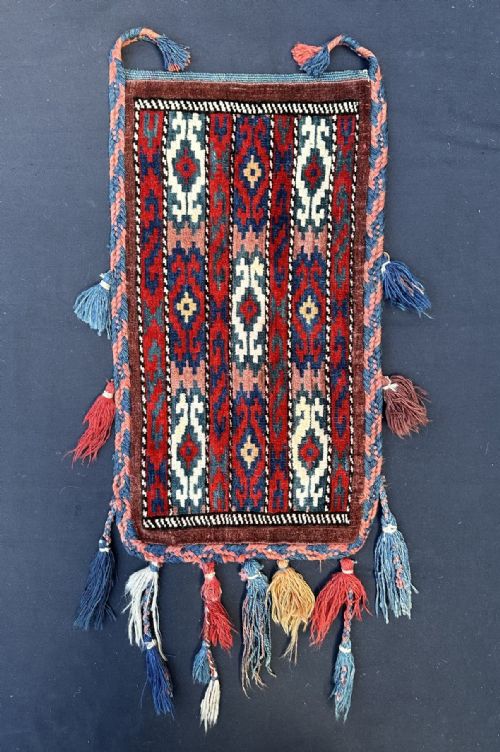
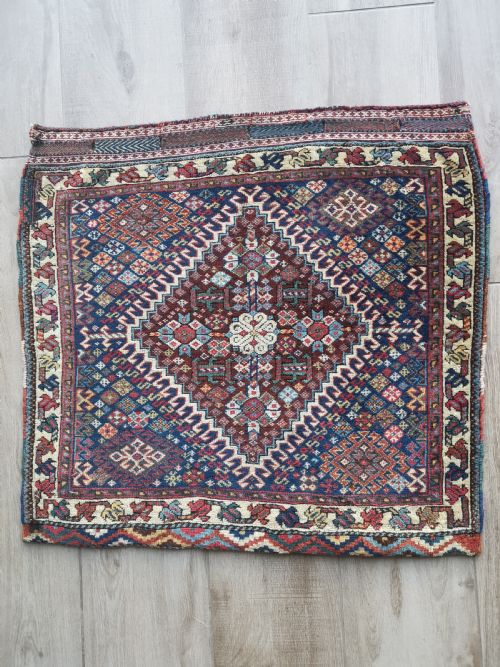
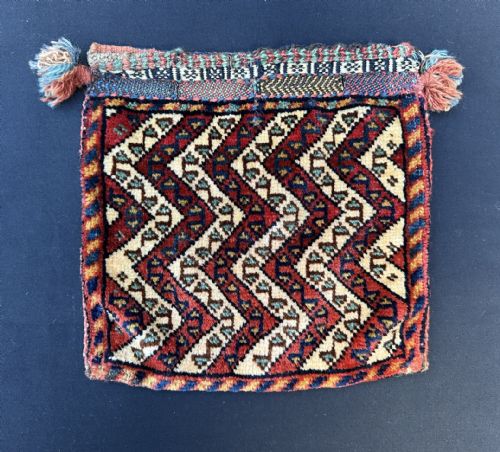
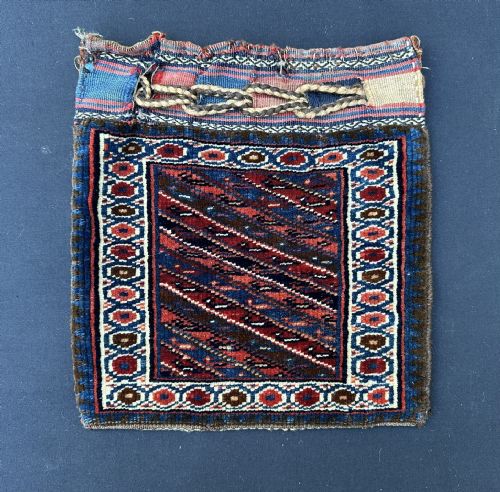
When searching for an antique tribal bag, collectors encounter functional utilitarian containers made by nomadic and village weavers across Persia, Central Asia, and surrounding regions. These domestic items served specific daily purposes in tribal camps, ranging from transport storage to personal grooming pouches.
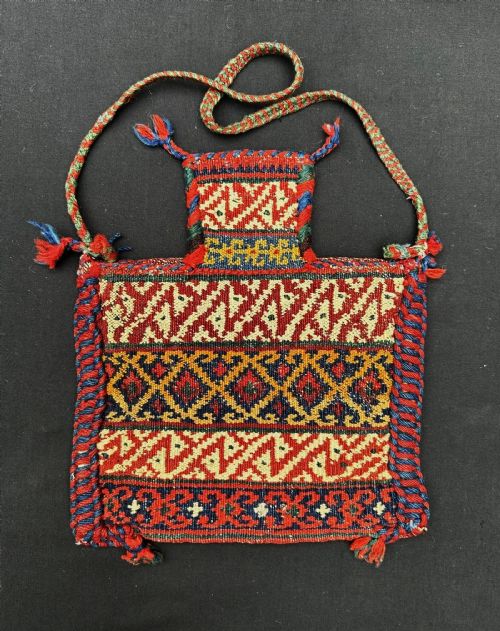
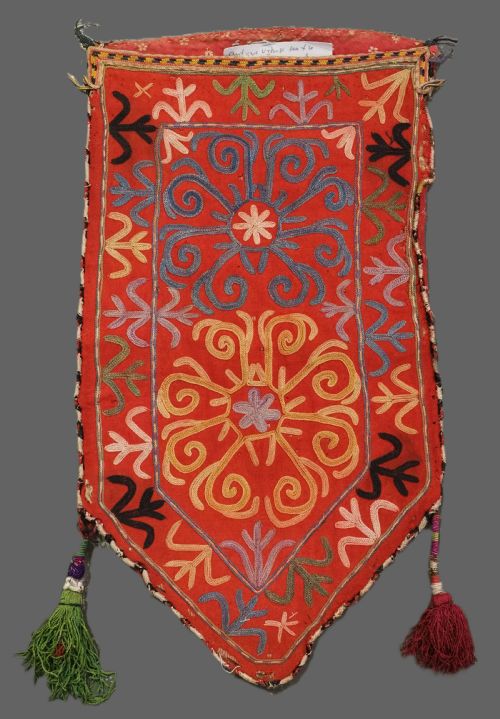
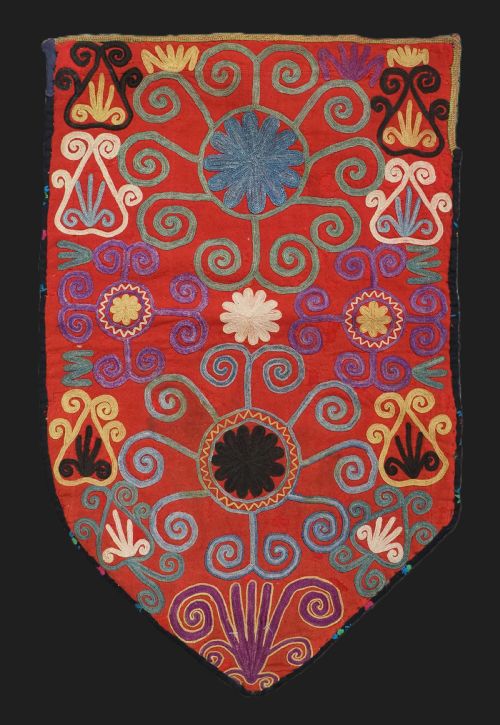
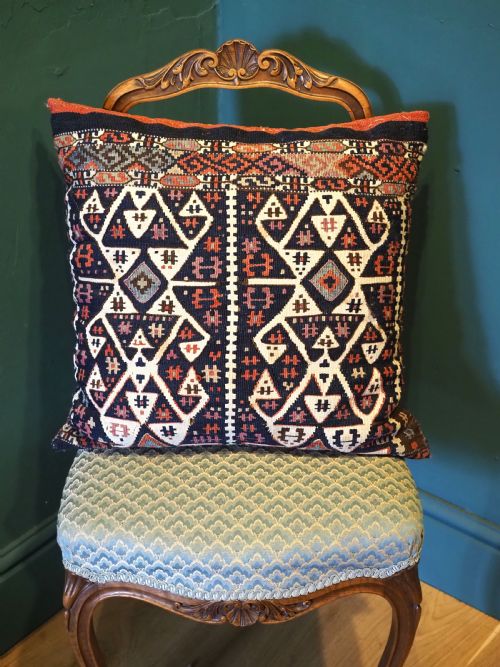
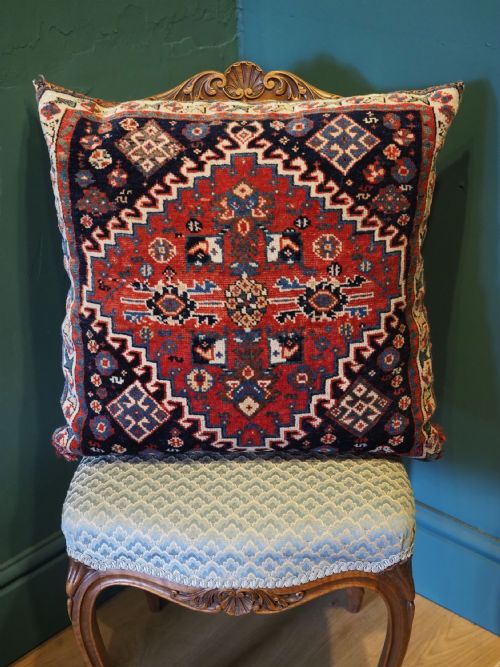
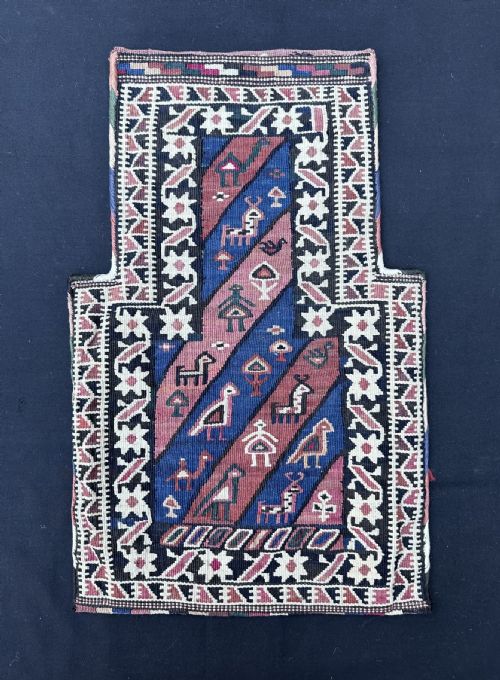
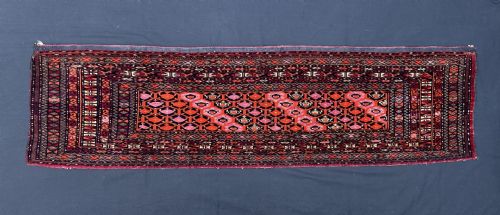
The material forms on this page include salt-bags, vanity-bags, storage sacks, tent-bags known as jollars or torbas, and horse-covers or saddle-bags. Many survive simply as bag faces or flattened fragments repurposed into decorative cushions and pillows for contemporary display.
Originating predominantly from nineteenth and early twentieth-century communities such as the Qashqai, Afshar, Turkmen, Baluch, and Uzbek Lakai tribes, these pieces reflect distinct regional weaving traditions. The inventory showcases diverse tribal aesthetics developed across high mountain pastures and desert oases.
Materials and Construction
Weavers constructed these pieces primarily using hand-spun wool for the durable pile and foundational warps, often supplemented with cotton for structural stability and silk for select textural highlights. Natural dyes provided a deep, complex palette derived from local flora and fauna that mellow gracefully over decades of age.
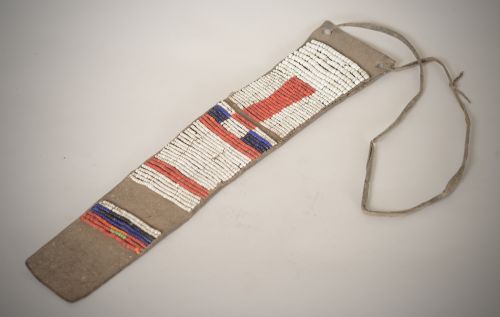
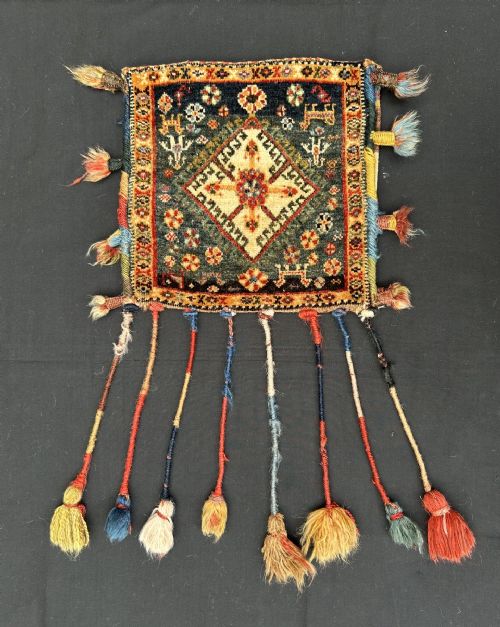
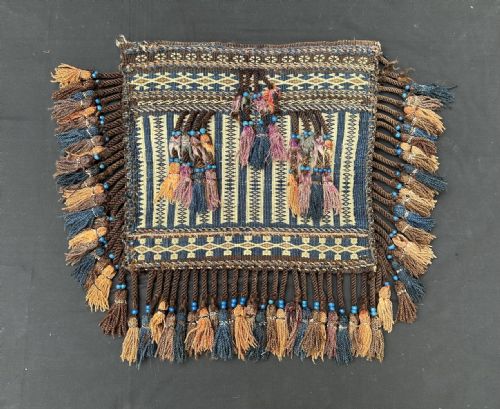
Nomadic artisans employed intricate knotting and flatweaving techniques, integrating pile structures with plain-weave backs and supplementary weft-wrapping. Artisans occasionally embellished their work with applied elements such as glass beads, hide, leather, and elaborate decorative tassels.
Antique Tribal Bag Retail Price Guide 2026
Typical asking prices for tribal bag among the pieces listed under this phrase on Sellingantiques today, from the lower quarter to the upper quarter. They describe what is for sale here now, not the wider market.
Listings feature pieces spanning from the mid-nineteenth century through the early twentieth century, utilising hand-spun wool, cotton, silk, and natural dyes.
Judging Quality and Execution
Quality in these textiles rests upon the handle of the wool, the fineness of the knotting or weave density, and the vibrancy or depth of the natural dye palette. Tighter structures and more precise geometric drawing indicate superior workshop discipline and skilled domestic production.
The survival of original flat-weave backs, complete closure systems, and intact decorative tassels elevates the integrity of a textile. Pieces exhibiting highly individualised tribal motifs, balanced proportions, and clear regional attributions stand apart in execution.
The Antique Tribal Bag Glossary
- Khorjin
- A traditional paired saddle-bag utilised by nomads for transport on pack animals. These items were woven as single flat units and folded over during use.
- Chuval
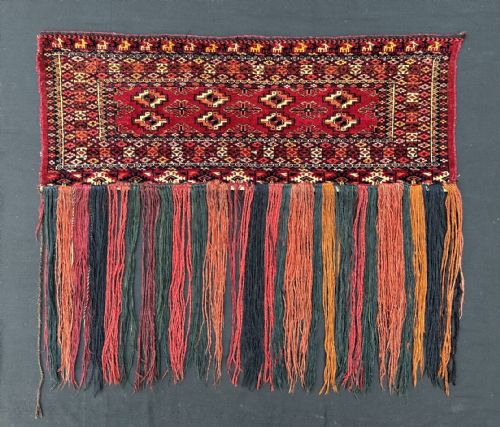
- A large storage sack made by Turkmen tribes to hold household goods and bedding inside the felt tent. They typically feature stacked rows of primary guls.
- Torba
- A smaller storage bag hung on the interior lattice walls of a nomad tent for smaller possessions. They often display intricate horizontal design bands.
- Chanteh
- A small personal vanity or carrying bag used by tribal individuals for personal items, tobacco, or fire-striking gear. These portable pouches display dense, expressive weaving.
- Salt-bag
- A utilitarian container shaped with a tapered neck, designed to hold rock salt for animals or domestic use. These narrow pouches frequently showcase highly concentrated tribal patterns.
- Plain weave
- A simple unpotted weave structure, often utilised for the backs and structural flaps of bags. This technique kept the heavy storage containers lightweight and flexible.
Antique Tribal Bag: Frequently Asked Questions
What were tribal bags used for?
Nomadic groups used these containers for practical daily storage, transporting belongings on pack animals, and organising domestic goods inside tents. Specific pouches held salt, vanity items, pipes, or bedding.
Over generations, many pieces lost their utility context but survived because families valued the dense talismanic patterns and durable regional craftsmanship.
How do I live with a tribal bag cushion?
Many collectors mount complete bags or display flattened bag faces as small wall hangings to protect the antique wool from heavy physical friction. Alternatively, sturdy examples function well as decorative floor cushions or pillow covers.
Keep these textiles away from direct, harsh sunlight to preserve the fugitive natural dyes, and gently vacuum them with a mesh screen guard to remove trapped dust.
How do I tell different tribal groups apart?
Weavers from distinct regions utilised characteristic colour palettes, structural formats, and specific recurring motifs unique to their confederation or oasis. For instance, Turkmen groups favour deep madder reds and octagonal gul motifs, while Qashqai weavers often incorporate intricate hooked diamonds and animal figures.
Examining the structural handle, wool quality, and side-cord finishes helps narrow down whether a piece originates from South Persia or the Trans-Caspian steppes.
Are bag faces different from complete bags?
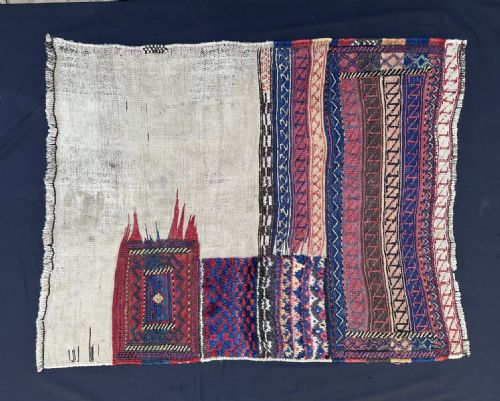
A complete bag includes both the decorated front panel and the original plain-weave back, sometimes retaining closure loops and hanging tassels. A bag face represents only the front decorative section, often separated over time due to wear or cut down for easier trade.
Both forms appear frequently in collections, though complete examples with intact backs offer a more comprehensive record of the weaver's original intent.