



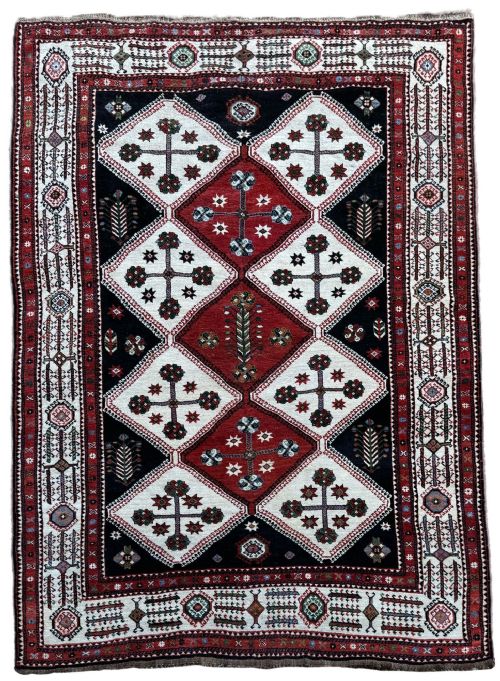
Persian Tribal Weaving
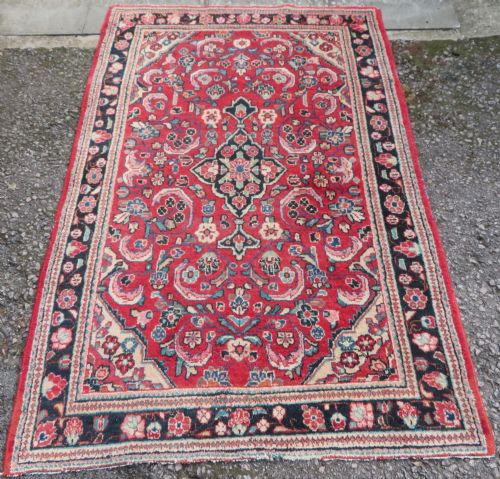
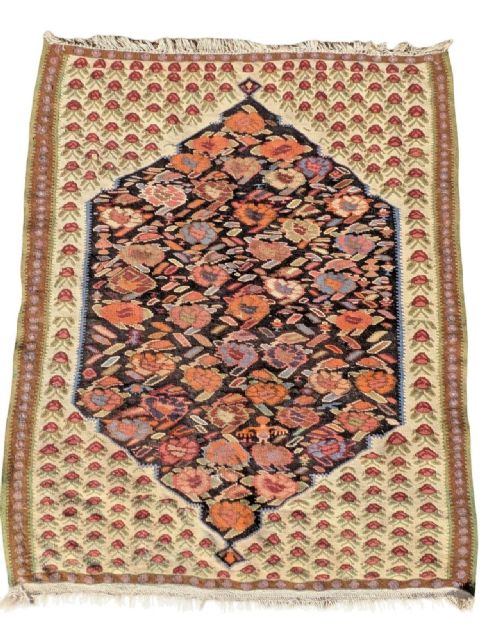
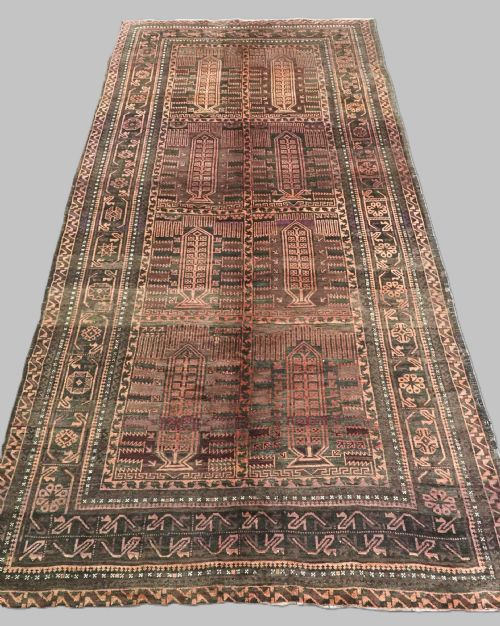
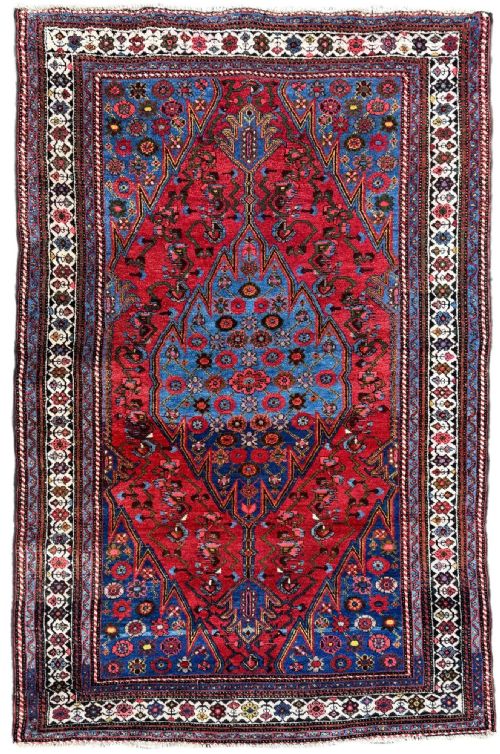
These pieces of persian tribal weaving bring nomadic character and rich wool textures into any interior.
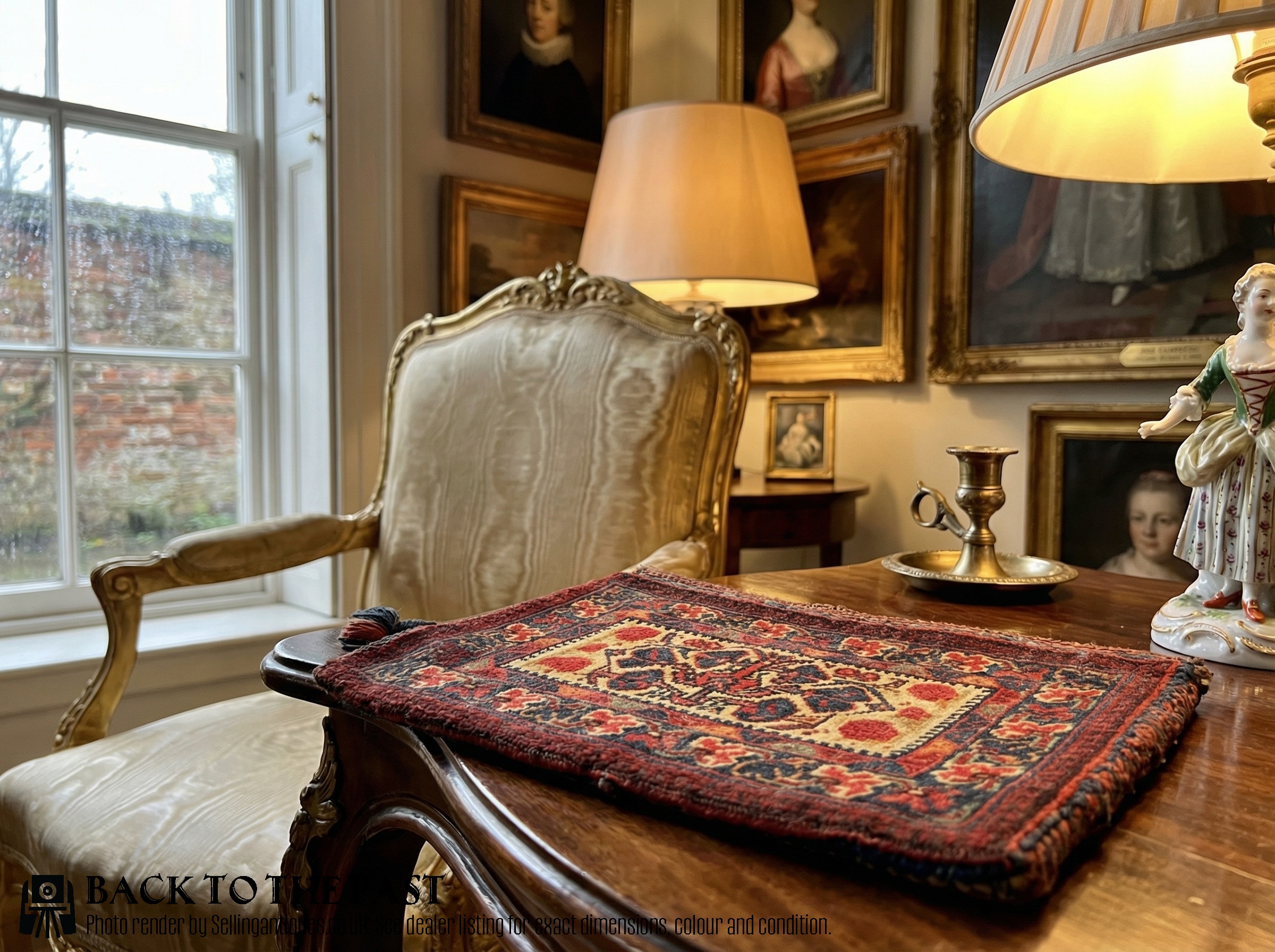
Persian Tribal Weaving
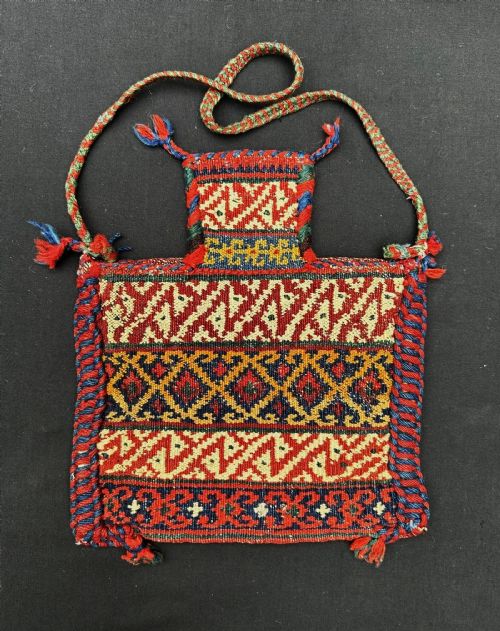
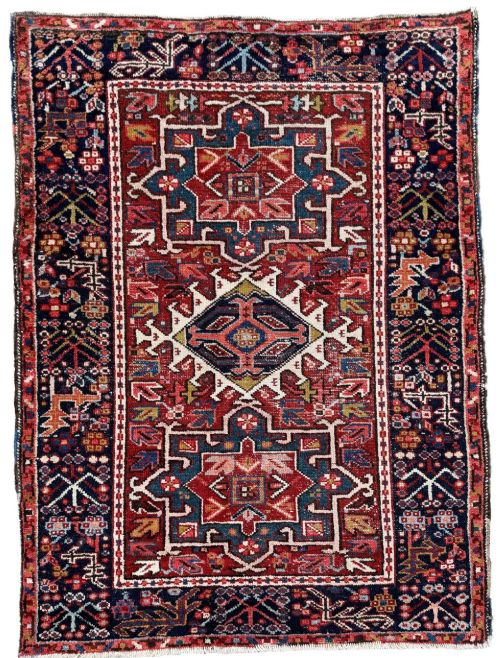
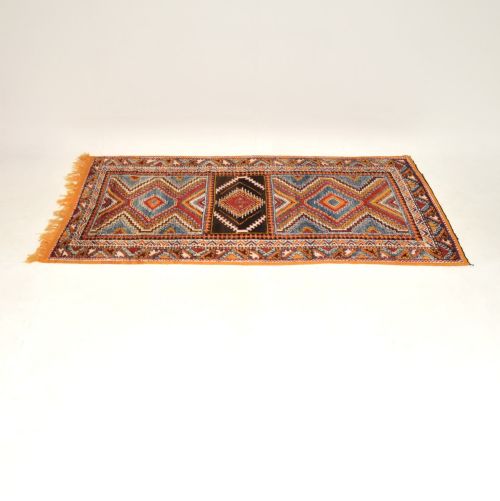
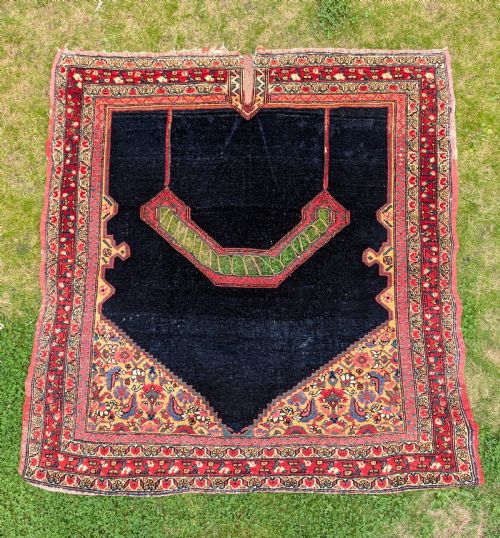
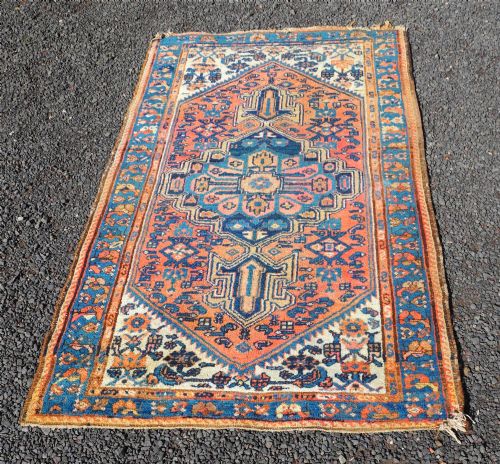
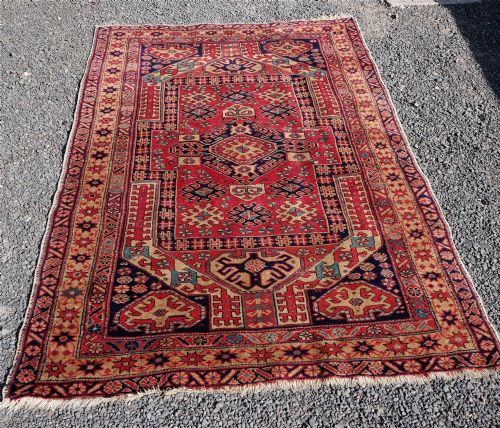
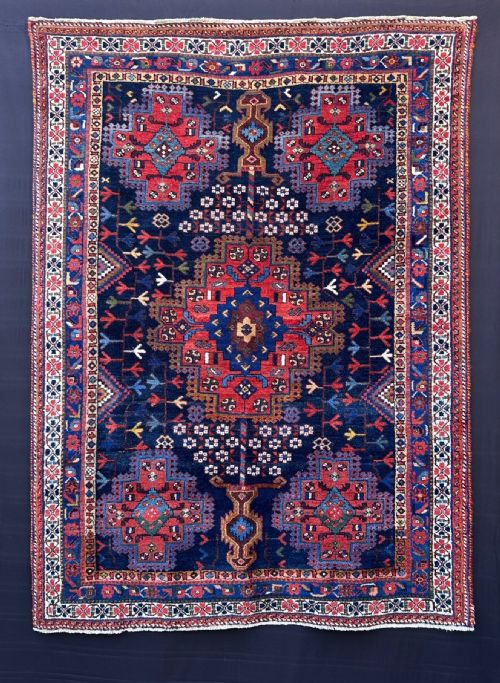
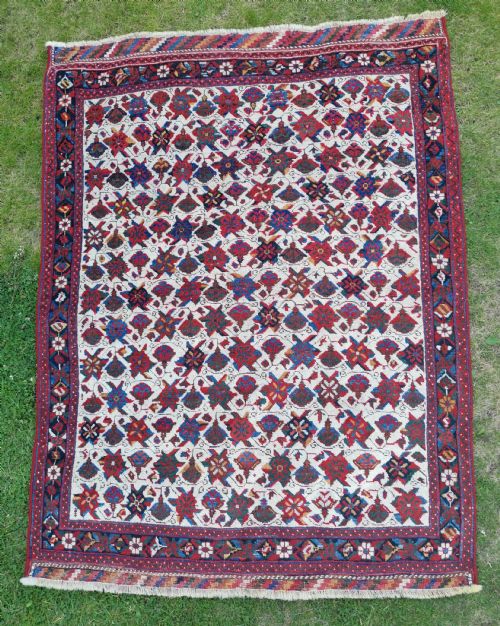
Persian tribal weaving encompasses utilitarian nomadic items including chantehs, saddlebags, and smaller rugs produced across the southern regions. The material evidence on this page demonstrates that buyers most frequently encounter smaller portable formats such as tribal bags and saddlebag faces alongside room-sized rugs.
These textiles emerge from distinct tribal groups and confederations including the Bakhtiari, Khamseh, Afshar, Sistan Baluch, and Qashqa'i. Dating spans from the late nineteenth century into the early twentieth century, with periods clustered around eighteen-eighty through nineteen-ten.
Forms range from double-sided vanity bags and half-saddlebags to complete rugs featuring traditional motifs such as the large boteh design. Each piece reflects the specific regional weaving traditions of South-West Persia and the Fars Province.
Materials and Construction
The physical construction of these pieces relies primarily on wool and cotton as recorded in the listings. Wool forms the thick pile and foundational structure, while cotton occasionally appears in the foundations of these nomadic textiles.
Weavers constructed these items by hand on portable horizontal looms set up in camps. The resulting structures range from finely knotted pile rugs to durable flatwoven or mixed-technique bags intended for practical transport on animals.
Persian Tribal Weaving Retail Price Guide 2026
Typical asking prices for persian tribal weaving among the pieces listed under this phrase on Sellingantiques today, from the lower quarter to the upper quarter. They describe what is for sale here now, not the wider market.
Nomads tucked their mirrors inside double-sided vanity bags, ensuring personal grooming survived the toughest desert journeys.
Judging Quality
Quality in these textiles depends on the density of the knotting and the fineness of the execution, as seen in examples specifically noted as very fine or of the highest quality. Superior pieces demonstrate exceptional precision in the rendering of geometric and boteh motifs.
The vibrancy and retention of the original wool pile also distinguish finer specimens from heavily worn items. Intact complete structures, such as double-sided vanity bags or undamaged saddlebag faces, command greater appreciation than fragmented pieces.
The Persian Tribal Weaving Glossary
- Chanteh
- A small personal bag or vanity bag woven by nomadic tribes for carrying small possessions. These pieces often feature highly concentrated geometric patterns.
- Boteh
- A traditional almond-shaped or paisley motif representing a floral spray or cypress tree. This design appears frequently across Afshar and other southern tribal weavings.
- Saddlebag
- A paired utilitarian container used for animal transport, often found separated into individual bag faces today. They display robust construction and distinctive field designs.
- Kashkuli
- A specific sub-group associated with the Qashqa'i confederation known for fine weave and distinct aesthetic qualities. Items carrying this attribution represent notable standards within the tradition.
- Pile
- The upright woolen surface of a rug created by knotted threads. The depth and tightness of this layer dictate the tactile feel and durability of the weaving.
Persian Tribal Weaving: Frequently Asked Questions
What are chantehs used for?
Chantehs served as personal storage bags for nomads to carry small mirrors, tobacco, or personal items. Today collectors display them as small wall hangings or compact decorative textile fragments.
Their portable nature meant they were made with particular care and intricate designs, making them ideal for modern interior display in smaller spaces.
How do I identify an Afshar rug?
Afshar weavings originate from the tribes of southern Persia and typically feature crisp geometric layouts, repeating boteh motifs, and rich dark wool. They often present in smaller formats like bags or moderate-sized rugs.
Examining the density of the knotting and the specific colour palette helps confirm the regional attribution to these southern nomadic groups.
Are these pieces made of wool?
Yes, the listings show that wool is the primary material used for both the pile and the structural foundations of these nomadic weavings. Cotton also appears in some foundational elements depending on the specific tribal origin.
This reliance on natural wool gives the textiles their characteristic weight, rich texture, and ability to age with a deep patina.
How should I care for a tribal rug?
Protect these antique wool textiles by keeping them out of direct sunlight to prevent fading of the natural dyes. Regular gentle vacuuming without a beater bar removes trapped dust from the pile.
Rotating the rug periodically ensures even wear across the surface, preserving the integrity of the antique fibres for years to come.