



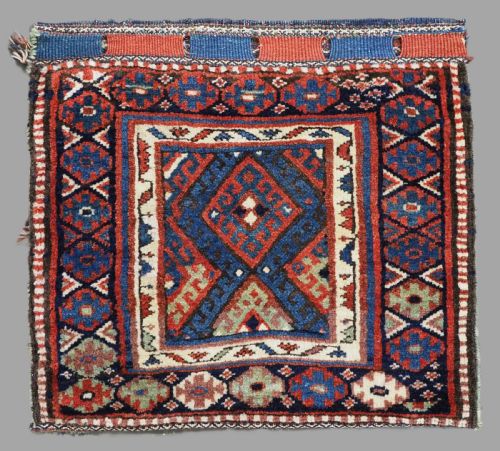
Antique Persian Bag
An antique persian bag brings tangible nomadic heritage indoors, offering durable wool construction and rich tribal patterns for modern collectors.
Antique Persian Bag
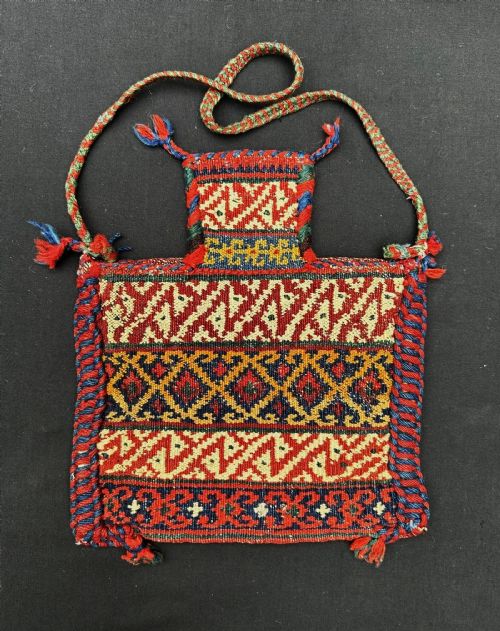
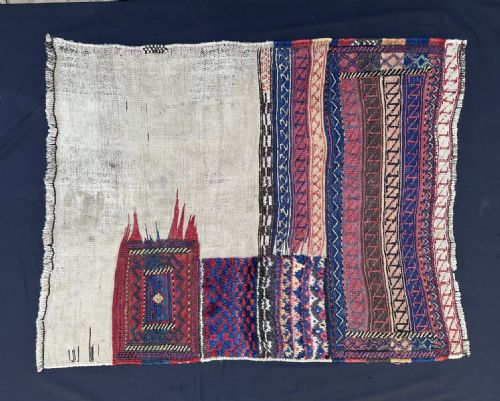
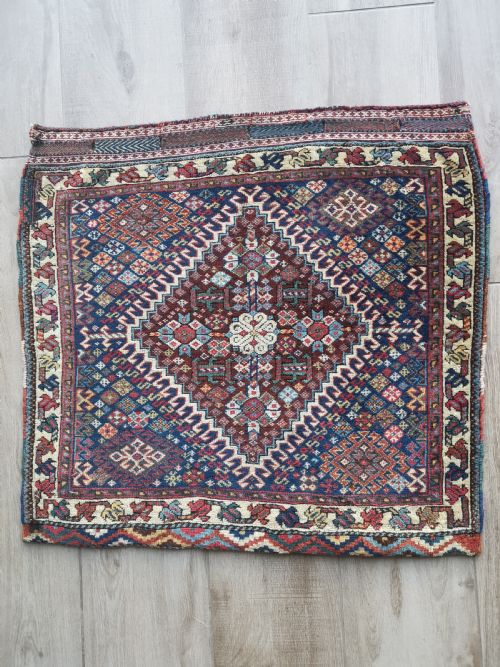
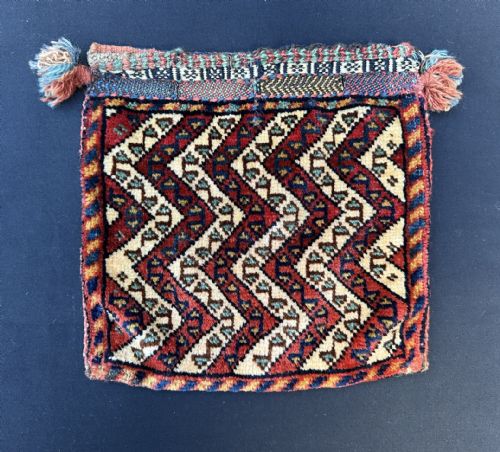
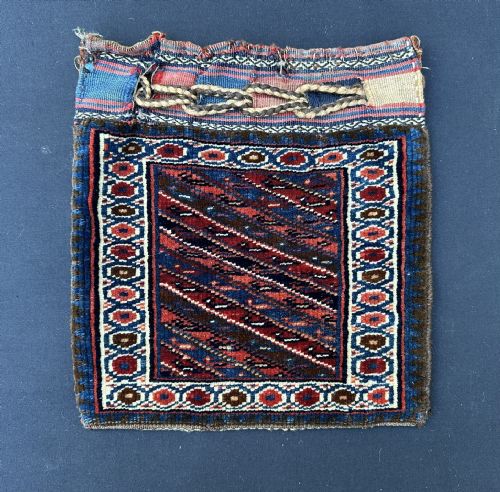
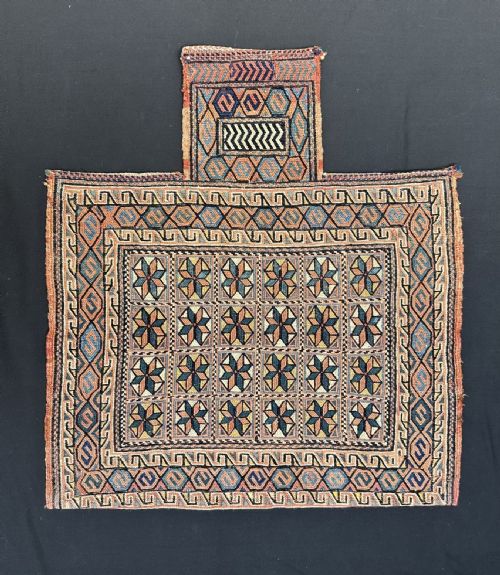
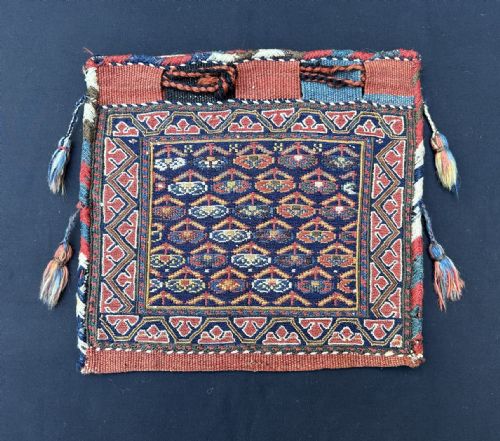
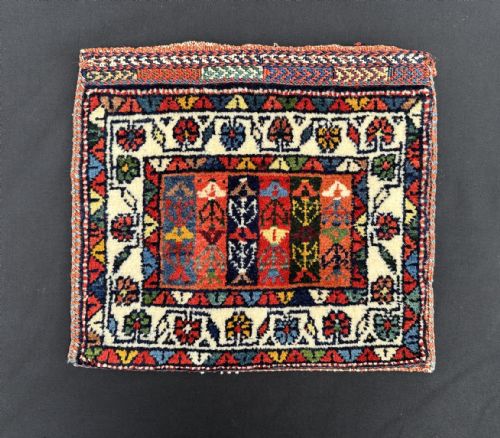
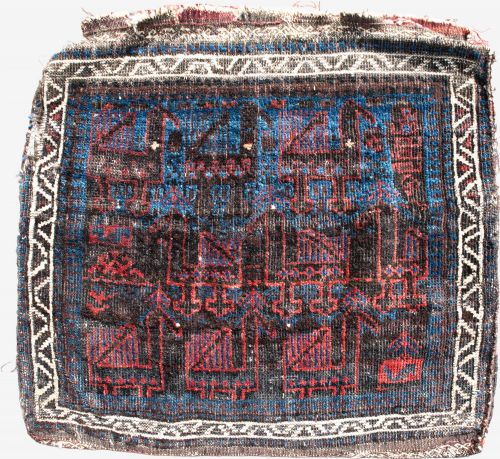
An antique persian bag represents utilitarian nomadic weaving made by tribal confederacies and regional groups across nineteenth and early twentieth century Persia. These pieces functioned as functional containers, including salt bags, saddle bags, vanity bags, and pipe pouches, created for daily domestic or migratory use.
The objects on this page frequently originate from groups such as the Qashqai, Afshar, Shahsavan, Kurdish, and Bakhtiari tribes. Buyers encounter complete horse covers, flatwoven faces, and small personal carriers known as chantehs.
Tribal weavers produced these items using traditional upright looms, incorporating pile knotting and flatweave techniques tailored for endurance. Surviving examples reflect specific regional aesthetics tied to the geography of Fars, Kerman, and western mountain territories.
How they were made
Weavers relied on hand-spun wool and sturdy cotton foundations, occasionally integrating goat hair along selvedges for added structural integrity. Natural dyes derived from local plants and minerals provided the palette for geometric motifs and animal depictions.
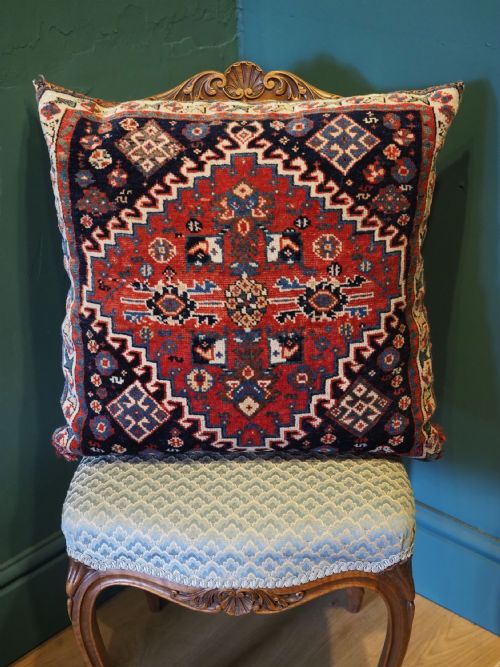
Techniques varied between piled knotting for cushion faces and complex flatweave structures like soumac or plain weave for utilitarian backs and sides. Artisans secured structural seams tightly to withstand the rigours of animal transport and camp life.
What varies in quality
Material selection dictates foundational worth, where tightly spun wool and saturated natural dye palettes distinguish superior examples from ordinary domestic pieces. The fineness of the knotting or precision of the flatweave structure indicates the weaver's technical skill.
Completeness alters valuation, as surviving pairs, intact backs, and original closures retain historical context lost in isolated bag faces. Visual clarity in tribal iconography and balanced proportions separate utilitarian items from exceptional tribal art.
The Antique Persian Bag Glossary
- Khorjin
- A traditional double saddlebag used for transport on pack animals during tribal migrations. These items feature two matching pouches joined by a central slit web.
- Chanteh
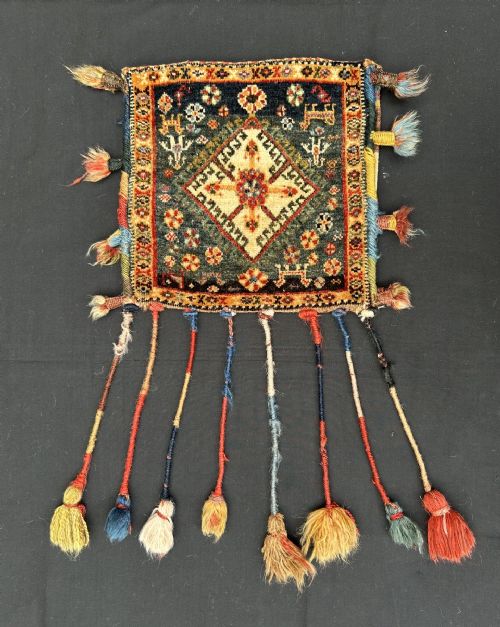
- A small personal vanity or utility bag carried by tribal individuals. They often display intricate pile work or soumac weave on the face.
- Namakdan
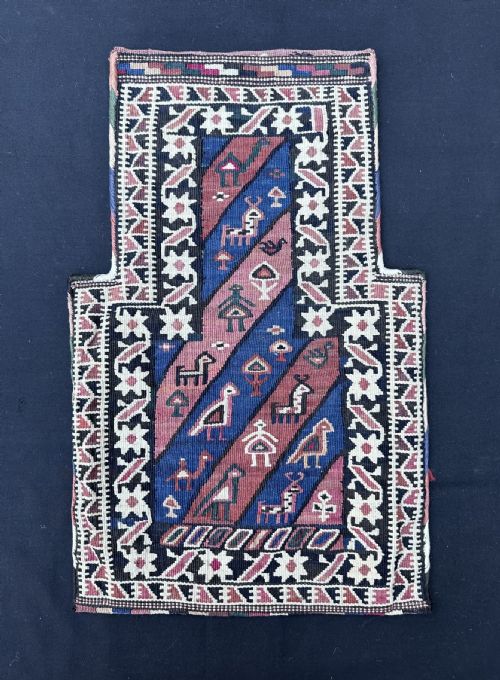
- A specialised salt bag characterised by a narrow neck and bottle shape designed to prevent spillage. Weavers utilised these containers for storing rock salt in nomad camps.
- Soumac
- A wrapping technique producing a smooth, patterned face with floats of yarn on the reverse. This method adds structural strength without using pile knots.
- Balisht
- A small pillow or cushion face repurposed from larger tribal bags. These textiles usually measure under a metre and display concentrated geometric designs.
Antique Persian Bag: Frequently Asked Questions
How were these bags used originally?
Nomadic tribes utilised these containers for storing salt, transporting personal belongings on pack animals, and holding household items inside tents.
They served essential daily functions across migratory routes before finding preservation as decorative textiles.
What is a chanteh?
A chanteh is a small personal bag or vanity pouch woven by tribal makers for carrying small items.
These pieces typically display the highest concentration of design work relative to their compact size.
How do I care for an antique bag?
Protect the wool and natural dyes by keeping the textile away from direct sunlight and excessive moisture.
Gentle vacuuming with a mesh screen prevents dust accumulation without damaging the delicate hand-spun fibres.
Can I use these bags as cushions?
Many collectors stuff surviving bag faces or complete storage pouches to use them as floor cushions or decorative pillows.
Ensuring proper inner padding protects the historic foundation fabrics from undue stress during everyday handling.