
Nomadic Wool Textile
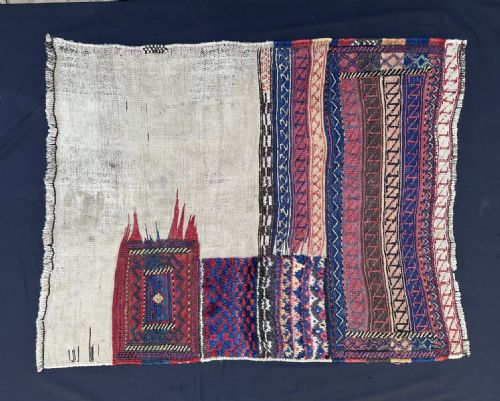
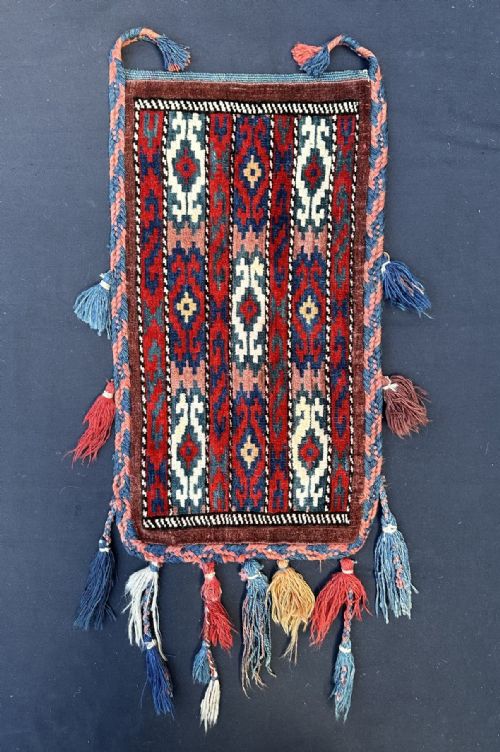
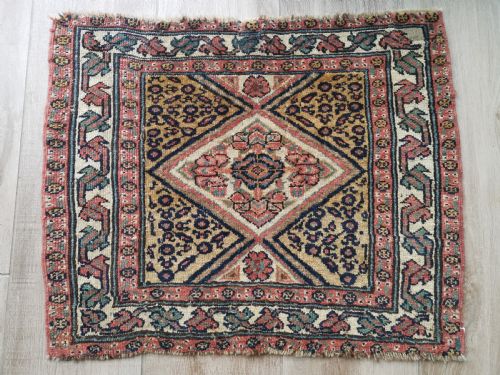
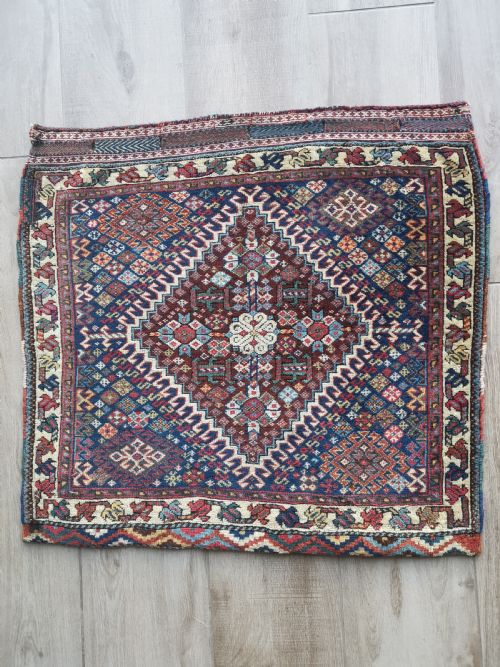
When you explore nomadic wool textile examples, you encounter woven bags, animal trappings, and covers created across Persia, Central Asia, and Afghanistan during the nineteenth and early twentieth centuries.
Nomadic Wool Textile
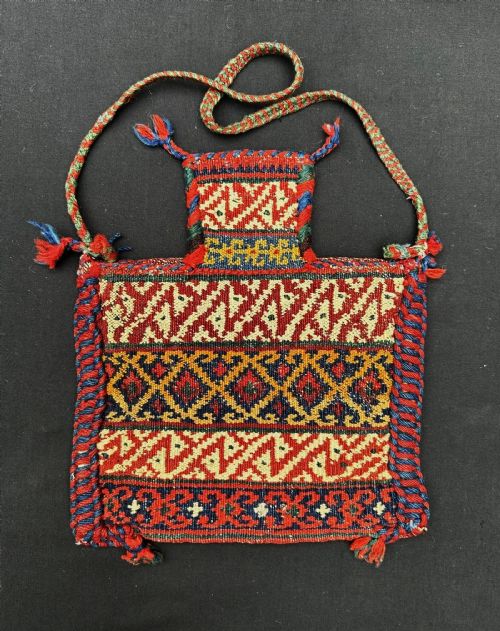
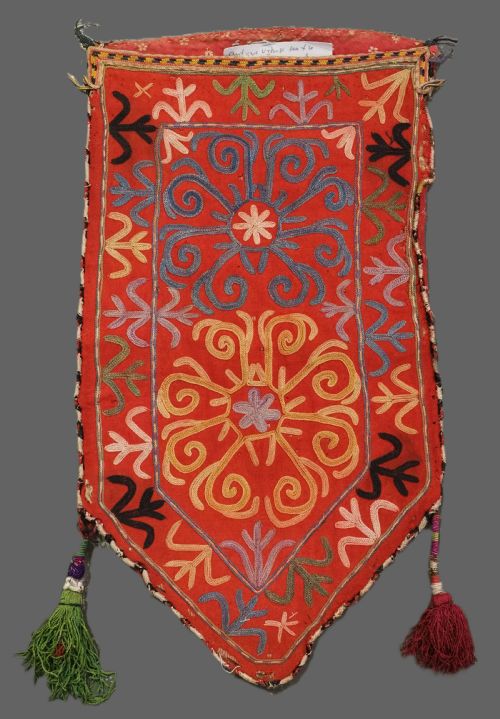
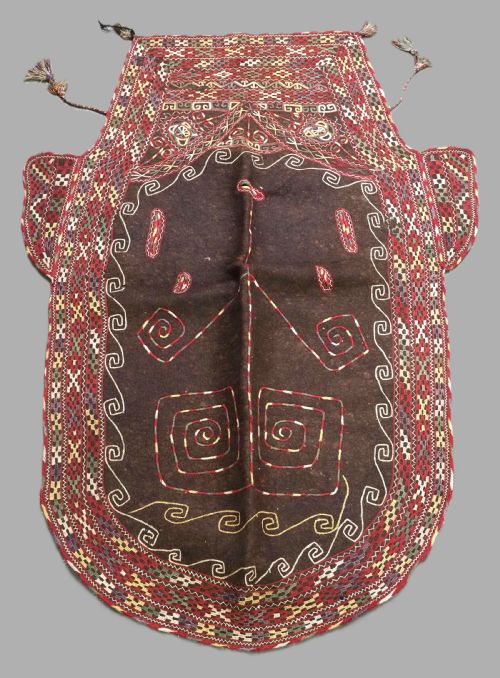
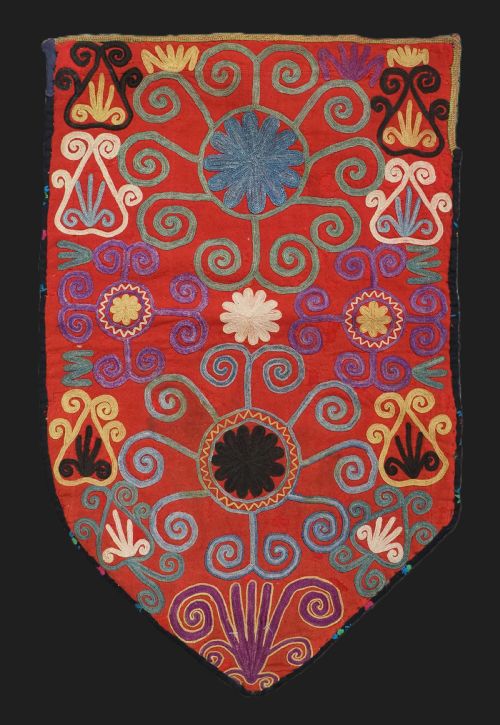
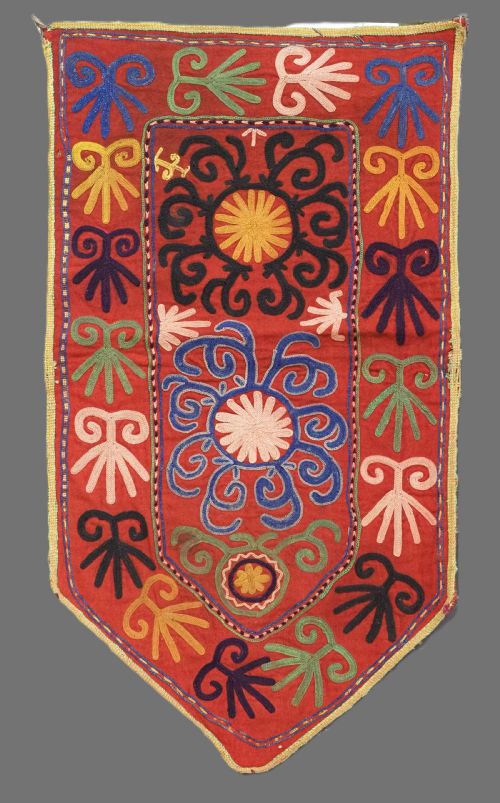
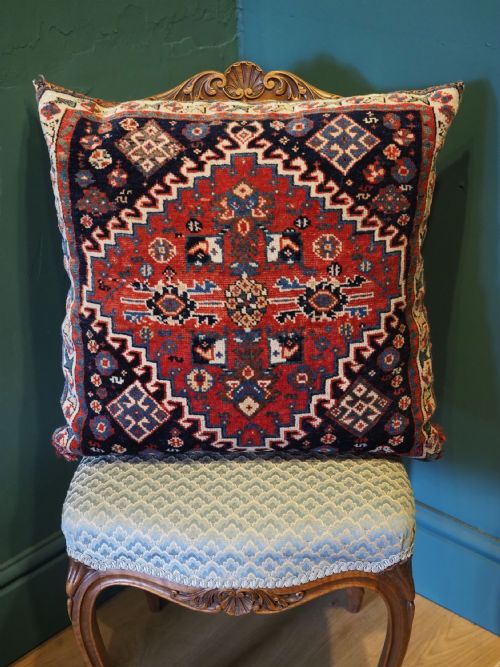
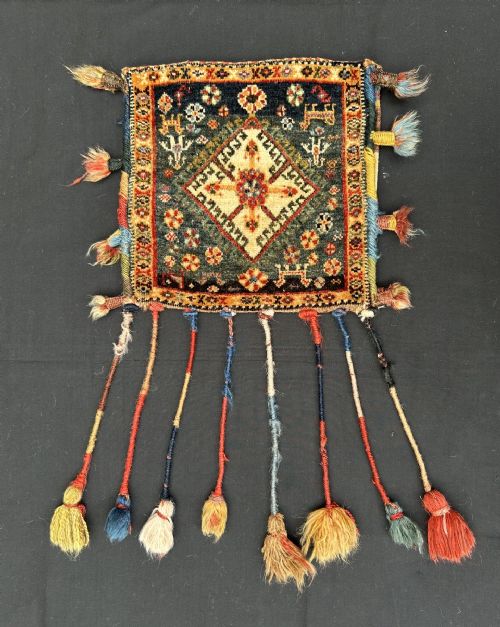
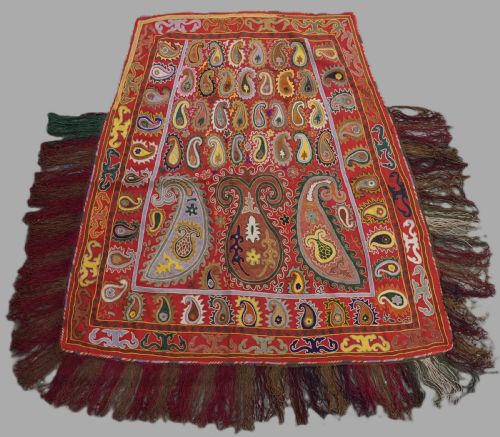
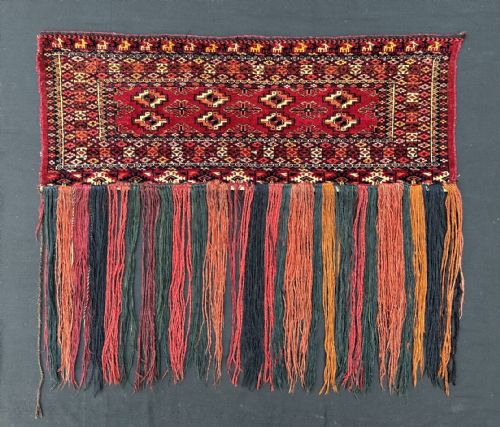
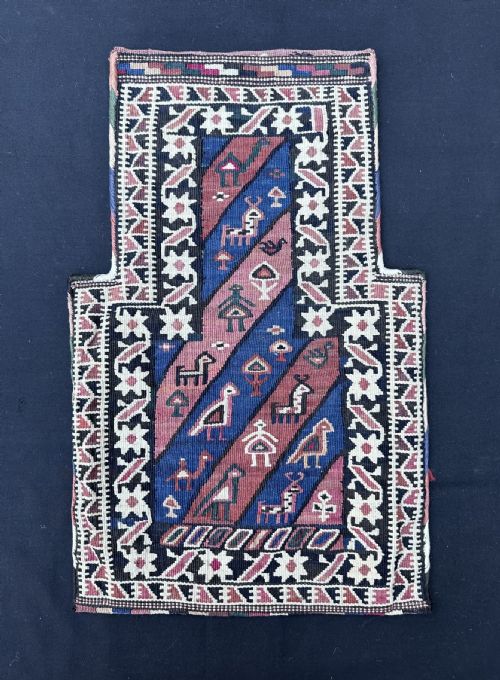
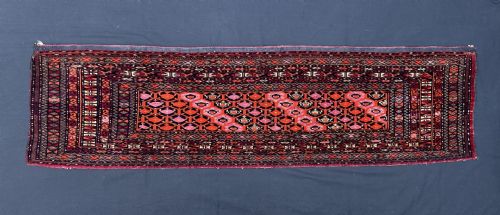
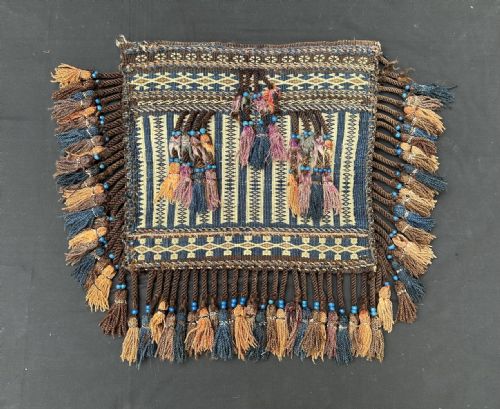
A nomadic wool textile is a functional object produced by tribal groups for daily use, transport, and ceremonial purposes in regions spanning from South Persia to Turkmenistan and Uzbekistan. The pieces on this page comprise utilitarian items such as salt bags, vanity bags, saddle covers, horse blankets, and tent trappings created by groups including the Qashqai, Yomut, Ersari, and Lakai tribes.
Most items reflect the specific material culture of pastoral communities who migrated seasonally, carrying their belongings in sturdy woven containers. You meet practical storage receptacles like the uut kap ilgich alongside animal decorations and horse blankets designed for ceremonial gatherings or everyday transit across steppes and mountains.
The aesthetic of a nomadic wool textile derives from tribal traditions passed down through generations, utilising geometric patterns, symbolic motifs, and saturated palettes. These pieces range from small bagfaces and pipe bags to large tent cushions and ceremonial rugs dating from the mid-nineteenth century to the early twentieth century.
What varies in quality
Quality in a nomadic wool textile rests upon the fineness of the spin, the integrity of the natural dyes, and the precision of the tribal weave or embroidery. Pieces exhibiting tight, even knotting or dense, precise needlework sit at the higher end of the range, reflecting advanced technical skill within the specific weaving community.
The preservation of original elements, such as tassels, borders, and structural foundations, influences the standing of an individual piece. Greater artistic expression in the layout of tribal motifs and the depth of colour derived from natural dye sources also separate ordinary examples from exceptional ones.
Nomadic Wool Textile Retail Price Guide 2026
Typical asking prices for nomadic wool textile among the pieces listed under this phrase on Sellingantiques today, from the lower quarter to the upper quarter. They describe what is for sale here now, not the wider market.
Listings feature periods spanning from the 1850s through the 1920s, utilising wool, cotton, silk, and natural dyes across Persian, Afghan, and Central Asian origins.
The Nomadic Wool Textile Glossary
- Asmalyk
- A pentagonal trapping hung on the flanks of a camel during Turkmen wedding processions. These decorative textiles display complex tribal güls and symbolic patterns.
- Bagface
- The decorated front panel of a utilitarian storage bag, typically preserved after the plain back dissolved from wear. Collectors prize these panels for displaying the primary aesthetic of the weaving group.
- Chuval
- A large storage bag made by Turkmen tribes for household belongings inside the yurt. They feature rows of primary guls and detailed side borders.
- Gapylyk
- A tent door hanging produced by Turkmen weavers to frame the entrance of a nomadic dwelling. These architectural textiles served both protective and decorative functions.
- Sofreh
- A flatwoven spread or cloth used for eating meals or kneading bread within nomadic communities. They often display minimalist geometric designs focused around a central field.
- Tacheh
- A square or rectangular transport bag woven by Lori-Bakhtiari nomads in Western Persia. These items combined sturdy utilitarian construction with distinctive tribal patterns.
Nomadic Wool Textile: Frequently Asked Questions
What were nomadic wool textiles used for?
These textiles served essential practical functions within pastoral households, acting as storage containers for salt, tobacco, bread, and personal belongings during seasonal migrations.
Tribes also produced elaborate horse covers, saddle bags, and animal trappings for ceremonial occasions, weddings, and everyday transport across mountainous and steppe terrains.
How do I care for an antique textile?
Keep antique wool pieces out of direct sunlight to prevent natural dyes from fading over time. Gentle vacuuming with a mesh screen can remove dust without damaging fragile hand-spun wool fibres.
Avoid hanging heavy bags by single suspension points to distribute weight evenly across the structure. Professional textile conservators should handle any major cleaning or stabilization.
How can I tell different tribal styles apart?
Tribal attributions rely on specific structural formats, colour palettes, and characteristic motifs unique to regions like the Merv Oasis, Fars Province, or the Trans-Caspian steppes.
For instance, Yomut and Ersari pieces display distinct Turkmen field patterns, while Qashqa'i items often incorporate animal decorations and distinctive medallion arrangements from South-West Persia.
What is the difference between a bagface and a complete bag?
A complete bag includes both the decorated front face and the plain-woven or felted back panel used to contain household goods during transport. Over decades of use, the utilitarian backs often wore away or were removed, leaving only the decorative front panel.
Collectors frequently encounter isolated bagfaces that were preserved specifically for their intricate weaving and visual design.